
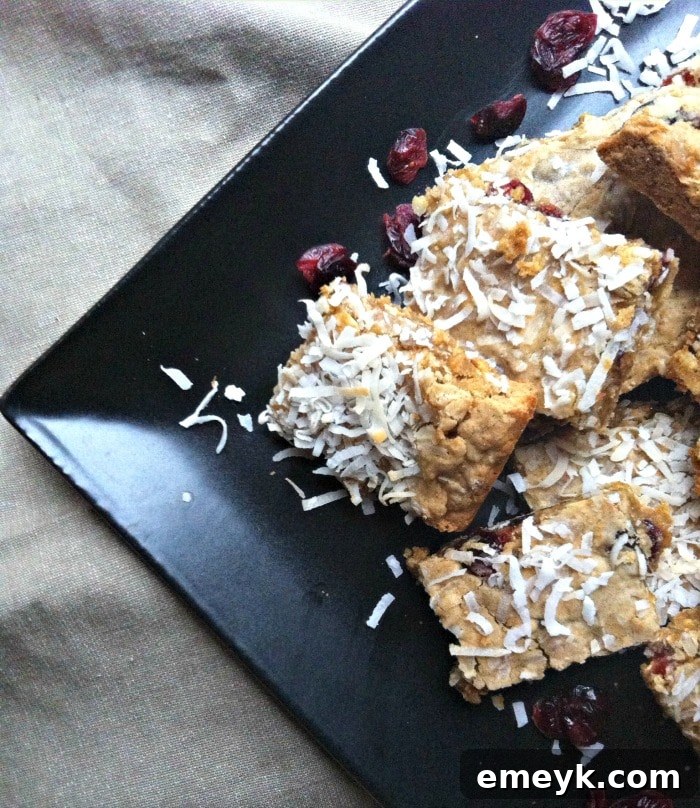
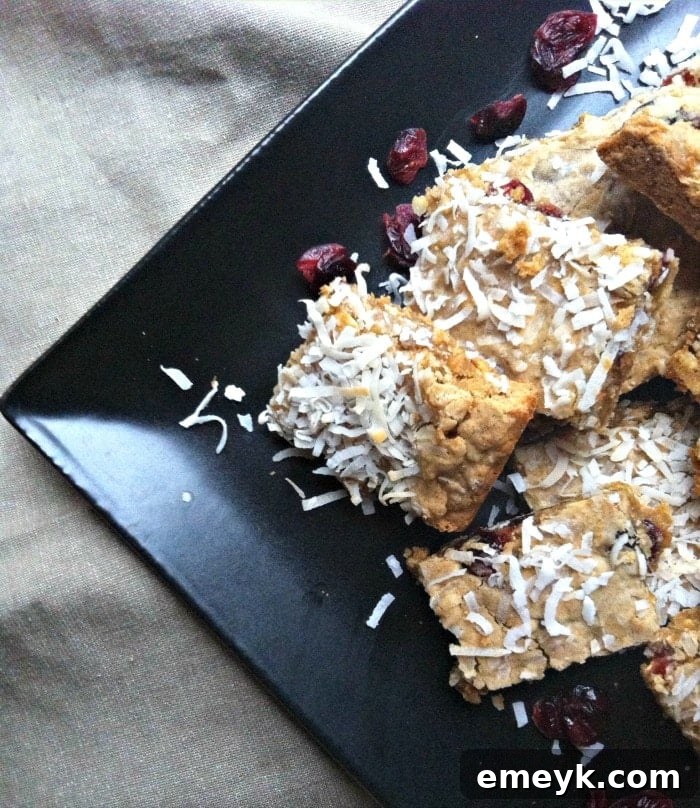
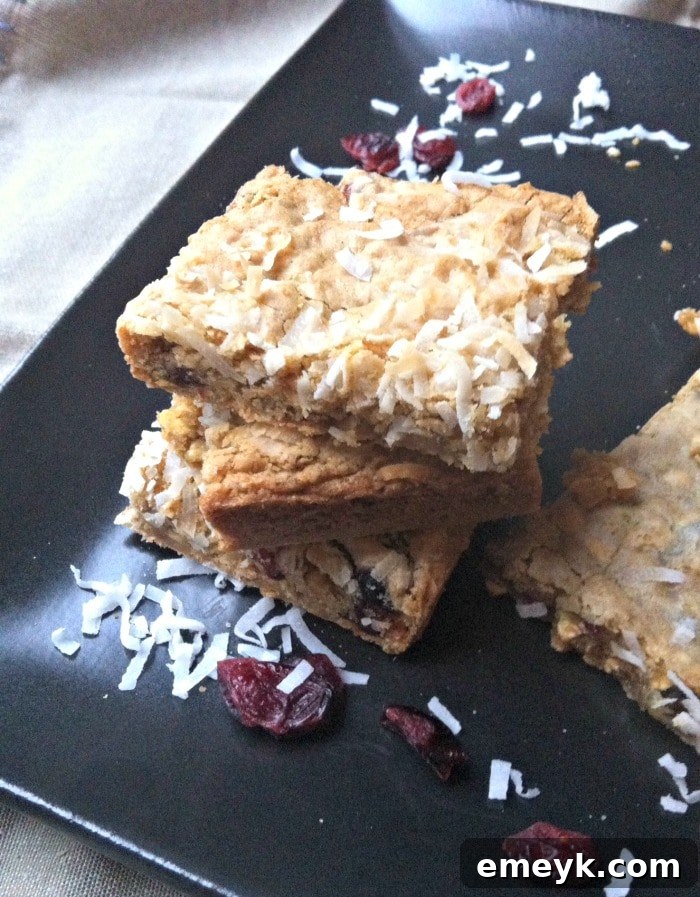
Welcome to a world where wholesome ingredients meet irresistible flavor in a convenient, kid-friendly package. These Chewy Coconut Cranberry Oatmeal Bars are more than just a delightful snack; they’re a perfect opportunity to bring the whole family into the kitchen, creating not only a delicious treat but also cherished memories. Combining the goodness of healthy oats, the tart sweetness of dried cranberries, and the tropical hint of coconut, these bars offer a satisfying chewiness that will make them an instant favorite with everyone, especially the little ones eager to lend a helping hand. Imagine a snack that’s both nutritious and incredibly fun to make – these oatmeal bars tick all the boxes for a perfect family activity and a delightful addition to your healthy eating routine.

Embracing Family Fun: Our Partnership with Kids Cook Monday
Today, we’re thrilled to shine a spotlight on a fantastic initiative that resonates deeply with our philosophy of family-centered cooking: the Kids Cook Monday program. This wonderful movement encourages families to dedicate the first evening of every week to preparing and enjoying a meal together. It’s a simple yet profoundly impactful concept, transforming ordinary weeknights into extraordinary moments of connection and learning. Imagine the laughter, the shared tasks, and the sense of accomplishment as your family works together to create something delicious and nutritious. This intentional time together not only nurtures culinary skills but also strengthens the bonds that hold families together in our fast-paced modern world.

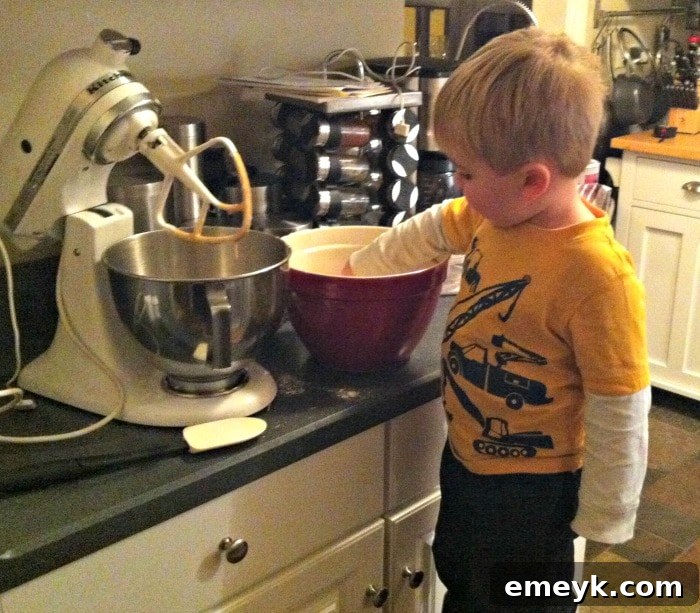
The Kids Cook Monday initiative is built on the understanding that cooking together is much more than just preparing food. It’s an invaluable bonding experience that strengthens family ties and provides children with a wealth of practical and developmental benefits. From the youngest toddlers to inquisitive teenagers, every child can find a meaningful role in the kitchen, fostering a sense of teamwork, responsibility, and culinary curiosity. My own two-year-old, Will, is already an enthusiastic “kitchen assistant.” Even pushing a button on the food processor or placing a slice of bread in the toaster is a major event for him! These seemingly small tasks ignite his excitement and make him feel like an essential part of the cooking process, building confidence with every successful contribution. It’s a joy to watch his eyes light up with pride, knowing he’s contributed to our family’s meal preparation.
The Profound Benefits of Family Meals and Cooking Together
Once the cooking is done and the delicious aromas fill the air, the best part begins: sitting down as a family to savor the fruits of your labor. This shared mealtime is a cornerstone of family life, offering a consistent opportunity for connection in our increasingly busy world. The Kids Cook Monday website highlights compelling statistics that underscore the profound link between regular family dinners and healthier life choices. These findings provide powerful evidence that investing time in family meals yields significant, long-term benefits:
- Enhanced Academic Performance: Children who regularly participate in family dinners tend to achieve better grades in school, indicating a positive correlation between family bonding, cognitive development, and consistent structure. The conversations around the dinner table can spark curiosity and learning.
- Improved Communication and Social Skills: Regular dinner conversations provide a natural, low-pressure setting for children to develop crucial communication skills, learn active listening, and share their thoughts and experiences in a supportive environment. This practice helps them articulate ideas, build stronger relationships outside the home, and navigate social situations more effectively.
- Reduced Risk Behaviors: Studies show that adolescents who eat dinner with their families frequently are less likely to engage in risky behaviors such as substance abuse. The stability, open dialogue, and parental presence fostered during these meals can act as a significant protective factor, reinforcing positive values and strengthening family oversight.
- Healthier Dietary Habits for Adults: Women who consistently cook at home consume a more nutritious and balanced diet compared to those who frequently eat out. This highlights the empowering aspect of home cooking in making healthier food choices, controlling ingredients, and being mindful of nutritional intake for the entire family.
- Lower Childhood Obesity Rates: Children who regularly share dinner with their families demonstrate a lower likelihood of obesity. This can be attributed to several factors, including greater control over ingredients, appropriate portion sizes, a reduced reliance on highly processed foods often found in restaurant meals, and a better understanding of balanced nutrition.
While our featured recipe today, the Chewy Coconut Cranberry Oatmeal Bars, isn’t designed for dinner, it’s an absolutely perfect starting point for getting your children actively involved in the kitchen. The simplicity of the steps makes it accessible for even the youngest helpers. Even at two years old, Will can’t handle tasks like precise chopping or measuring to a fraction of an inch. However, he’s a fantastic helper when it comes to putting pre-measured ingredients into the bowl, stirring mixtures, and observing me as I measure and chop, asking curious questions all the while. These simple acts are foundational; as children grow older and their dexterity and understanding develop, their roles can evolve, allowing them to take on more complex and significant parts in the cooking process. It’s a journey of continuous learning and increasing responsibility, tailored to their individual growth.
Cultivating a Love for Cooking: My Personal Journey
My own passion for cooking and appreciation for healthy food were deeply rooted in my childhood experiences. From a young age, I was my mother’s faithful kitchen assistant, eager to lend a helping hand with everything she prepared. Whether it was the fluffy waffles and pancakes on weekend mornings, the savory meatballs simmering on the stove, a comforting pot of chicken noodle soup, or batches of freshly baked muffins and cookies, I was always there, ready to contribute. These moments weren’t just about preparing food; they were lessons in creativity, precision, and the pure joy of sharing. My mother, with her patient guidance, instilled in me a fundamental understanding of ingredients, the alchemy of combining them, and the profound satisfaction that comes from creating something wholesome and delicious from scratch. I believe these invaluable experiences laid the groundwork for my lifelong love affair with the culinary arts, my commitment to nutritious eating, and my desire to share these joys with my own family.
Age-Appropriate Kitchen Tasks: Empowering Your Little Chefs
Involving children in the kitchen is an incredibly rewarding experience, and it’s essential to tailor tasks to their age, developmental stage, and capabilities. Safety should always be the top priority, but within those boundaries, there’s a vast world of culinary exploration for kids of all ages. Here are some detailed suggestions for how your child can contribute to this Chewy Coconut Cranberry Oatmeal Bars recipe, or indeed, any family cooking session:
For Young Children (Under 5 years old)
Even the youngest members of your family can be valuable kitchen helpers. Their enthusiasm is contagious, and the simple act of participation builds confidence, early motor skills, and foundational knowledge about food. Always ensure close adult supervision for these age groups, making sure the environment is safe and tasks are simple and fun.
- Help Measure Dry Ingredients: Encourage them to help measure ingredients like dried cranberries, oats, or coconut. While precision might not be perfect, the act of scooping, pouring, and leveling is fantastic for developing fine motor skills and an early understanding of quantities and volumes. Use large, stable measuring cups.
- Stirring and Whisking: Give them a sturdy bowl and a spoon or whisk (for cold or room-temperature mixtures, of course!). Stirring together dry ingredients or gently whisking wet ones provides great sensory input, strengthens arm muscles, and teaches them about combining ingredients.
- Sprinkling Toppings: Sprinkling coconut flakes or extra cranberries on top of the bars before baking is a fun and visually rewarding task that gives them a sense of ownership over the final product. It’s a simple way to add a finishing touch.
- Washing Produce: Supervised washing of fruits and vegetables (if applicable to another recipe) is a simple way to introduce hygiene, the origin of food, and ingredient preparation. They can scrub potatoes or rinse berries.
- Help with Clean Up: Even little ones can assist with clean-up. Hand them a damp rag to wipe down counters, help put away unbreakable utensils, or sort recycling. This teaches responsibility, tidiness, and the importance of leaving the kitchen clean.
For Elementary School Children (Ages 5-10)
As children grow, their capabilities expand significantly, allowing them to take on more complex and responsible roles. With adult supervision, they can often manage most of the steps in a recipe, fostering independence, problem-solving skills, and a deeper understanding of the cooking process.
- Reading and Comprehension: Challenge their listening and memory skills by asking them to read the recipe instructions aloud and then explain what step comes next. This not only enhances their literacy but also their ability to follow multi-step directions and plan ahead.
- Precise Measuring: They can master the art of accurate measuring for both dry and liquid ingredients, which reinforces basic math concepts (fractions, units of measure) and attention to detail. This is a crucial skill for successful baking.
- Cracking and Separating Eggs: With a little practice, children in this age group can learn to crack eggs cleanly and even separate yolks from whites, a foundational skill in many baking recipes. This requires fine motor control and gentle handling.
- Operating Small Appliances: Under strict adult supervision, they can learn to use an electric mixer (holding the bowl steady), food processor (with appropriate safety instructions, especially around blades), or even a toaster oven. This teaches them about kitchen tools, their functions, and essential safety protocols.
- Simple Chopping: Using a child-safe knife (or a butter knife for softer ingredients like bananas, cooked veggies, or avocados) and proper technique, they can assist with simple chopping or dicing of less challenging ingredients. Always teach proper knife safety.
- Ingredient Retrieval: They can be tasked with gathering all the necessary ingredients from the pantry and refrigerator, improving their organizational skills, familiarity with kitchen inventory, and ability to follow a list.
For Tweens and Teenagers (Ages 11+)
Older children can progress from assistants to lead chefs, taking on significant responsibility and even creative control. This age group can truly develop advanced culinary skills, a deeper appreciation for food preparation, and a strong sense of self-sufficiency in the kitchen.
- Recipe Planning and Modification: Encourage them to plan entire meals, research new recipes from cookbooks or online, and even suggest modifications or additions to existing ones based on available ingredients or dietary preferences. This fosters creativity, critical thinking, and resourcefulness.
- Budgeting and Shopping: Involve them in creating grocery lists and understanding the budget for meals. A trip to the grocery store becomes an educational experience in itself, teaching them about pricing, seasonal produce, and smart shopping.
- Advanced Techniques: Introduce them to more complex cooking methods, such as sautéing, roasting, grilling (with supervision), or even basic baking chemistry principles. This expands their culinary repertoire and confidence.
- Full Meal Preparation: With minimal supervision, they can prepare entire meals from start to finish, from appetizer to dessert, gaining a sense of complete culinary mastery and the ability to feed themselves and others.
- Exploring Flavors: Encourage them to experiment with different spices, herbs, and flavor combinations, expanding their palate and understanding of diverse cuisines. This can turn cooking into an exciting adventure.
This particular recipe for Chewy Coconut Cranberry Oatmeal Bars was slightly adapted from the excellent Cooking Light Kid-Approved Cookbook, a fantastic resource for families looking to embark on culinary adventures together. Their approach to healthy, accessible recipes aligns perfectly with the goals of Kids Cook Monday and our own desire to promote joyful, family-focused cooking. This cookbook, along with many others, provides a wealth of inspiration for creating delicious, wholesome meals and snacks that are perfect for involving every member of the family.
Exploring cookbooks like this one can open up a world of possibilities for involving your children in the kitchen. It’s not just about teaching them to cook; it’s about instilling a lifelong love for wholesome food, fostering creativity, building confidence, and imparting invaluable life skills one delicious dish at a time. The skills learned in the kitchen extend far beyond cooking, touching on areas of math, science, reading, problem-solving, teamwork, and nutrition – all wrapped up in a fun, engaging, and delicious activity that creates lasting family memories.
There are affiliate links within this post. Any proceeds generated from my partnership with Amazon are reinvested directly into A Cedar Spoon, helping us continue to bring you delicious recipes and valuable content. Your support is deeply appreciated and allows us to maintain and grow our community. Thank you sincerely for your continued readership and enthusiasm!