
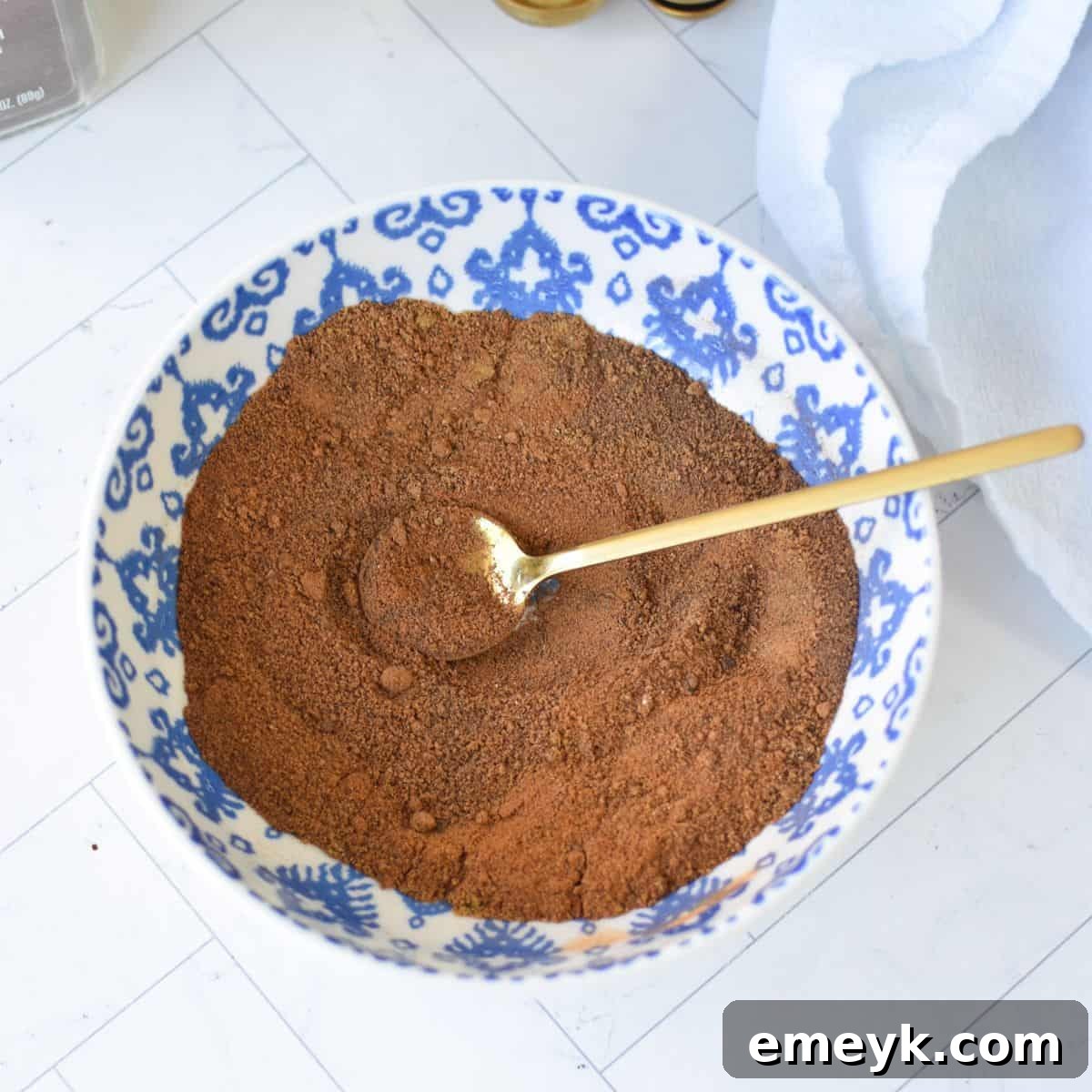
Discover the rich, aromatic heart of Middle Eastern cuisine with this incredible Lebanese Seven Spice Blend. Known as Sabaa Baharat, this homemade mix is a cornerstone of authentic Lebanese cooking, infusing dishes with a warm, complex, and deeply fragrant profile that is both distinctive and utterly delicious. Forget bland store-bought versions; crafting your own blend takes mere minutes, remains potent for months, and unlocks a world of traditional flavors in your kitchen. This comprehensive guide will walk you through everything you need to know, from the individual spices that make up this magical blend to practical tips on how to incorporate it into your everyday cooking.
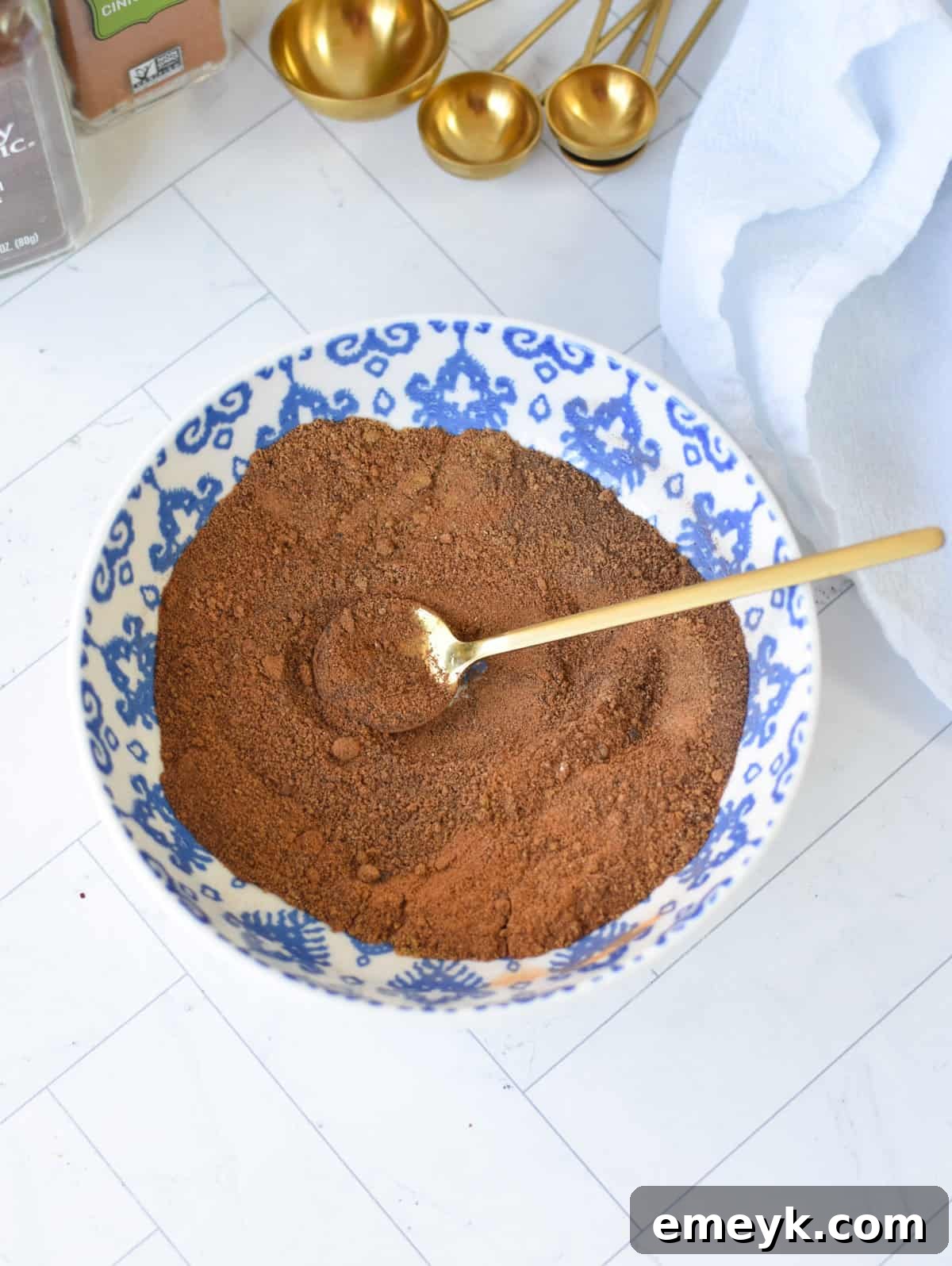
For many with Lebanese heritage, the scent of a spice blend warming in a pan evokes a powerful sense of home. It’s the sweet earthiness of cinnamon mingling with savory meats, the subtle floral notes of coriander woven into rice, and the grounding warmth of cumin in stews. These are not just spices; they are threads of memory, connecting generations through shared culinary traditions. Central to this aromatic tapestry is the Lebanese Seven Spice Blend, a staple that defines the essence of so many beloved dishes.
Lebanese 7 Spice, or “Sabaa Baharat” as it’s known in Arabic (meaning “seven spices”), is more than just a seasoning; it’s the aromatic backbone that supports a vast array of Lebanese recipes. From the savory goodness of kafta and the comforting simplicity of rice dishes to hearty soups, robust stews, and perfectly roasted vegetables, its presence is unmistakable. Unlike many spice blends that rely on chili for heat, Sabaa Baharat offers a warm and intensely aromatic experience. The harmonious balance of cinnamon and allspice provides a unique, slightly sweet depth, setting it apart from any other blend you might have. Once you have a jar of this exquisite blend in your pantry, you’ll find yourself reaching for it constantly, transforming ordinary meals into extraordinary culinary experiences. Best of all, making it yourself is incredibly simple, requiring just five minutes of your time.
Why Craft Your Own Lebanese 7 Spice Blend?

While various store-bought Lebanese 7 spice blends are available, their quality and flavor can be surprisingly inconsistent. Some may overpower with sharp, cloying notes of clove, while others might have languished on shelves for so long that their once vibrant aroma has all but vanished. Worse still, many commercial blends contain fillers, anti-caking agents, or unnecessary additives, diluting the authentic taste and potentially compromising dietary preferences.
Creating your own Lebanese 7 Spice blend at home puts you firmly in control. You dictate the precise ratios, ensuring the flavor profile perfectly suits your palate. You’ll know exactly what ingredients are going into your food, guaranteeing a pure and authentic taste. The most compelling reason, however, lies in the unparalleled freshness. By mixing freshly ground spices, you capture their peak potency and aromatic intensity. The moment you open a jar of your homemade blend, the difference is undeniable—a burst of warm, complex fragrance that a pre-mixed, industrially processed product simply cannot replicate. This simple act of blending takes mere minutes, and chances are, most of the individual spices are already waiting in your spice cabinet, ready to be transformed.

The Seven Pillars of Flavor: Understanding Each Spice
To truly master the art of cooking with Lebanese 7 Spice, it’s essential to understand the unique contribution of each component. This knowledge empowers you to move beyond simply following a recipe, allowing you to adapt, experiment, and truly embody the spirit of Lebanese cuisine.
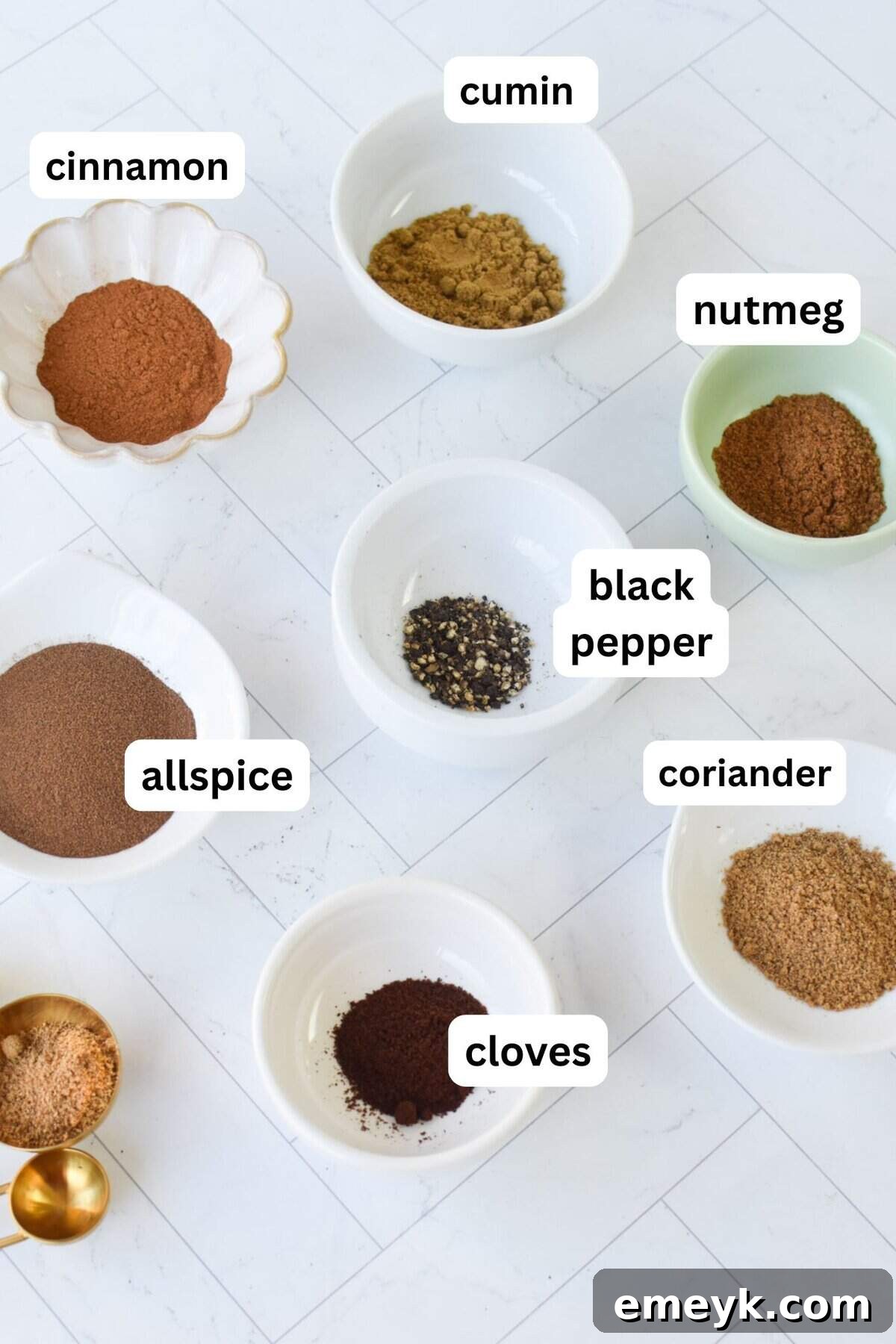
- Allspice (Pimenta dioica) – The Unifying Foundation: As its name suggests, allspice delivers a complex flavor profile reminiscent of a blend of cinnamon, cloves, and nutmeg. This inherent complexity makes it the natural binder for the other spices in Sabaa Baharat, effortlessly weaving them together into a cohesive whole. Its generous quantity in this blend is no accident; it is precisely what gives Lebanese Seven Spice its unmistakably warm, comforting, and deeply authentic character, making it the dominant and most crucial ingredient.
- Black Pepper (Piper nigrum) – The Subtle Balancer: Far from being a mere filler, black pepper introduces a dry, gentle heat that prevents the blend from becoming overly sweet, providing a crucial counterpoint to the warmer spices. Its peppery kick adds a subtle vibrancy and depth. For the best flavor, especially if you have a spice grinder, freshly ground black pepper will offer a noticeably more pungent and aromatic contribution than pre-ground varieties.
- Cinnamon (Cinnamomum verum/cassia) – The Savory Surprise: For those unfamiliar with Middle Eastern cooking, the prominent use of cinnamon in savory dishes can be a revelation. In Lebanese cuisine, cinnamon is a workhorse, lending profound warmth, sweetness without sugar, and a luxurious depth to meat dishes, stews, and even rice. It plays a vital role in balancing the richness of savory ingredients and is used in far greater quantities in such applications than in most Western culinary traditions.
- Coriander (Coriandrum sativum) – The Earthy Brightener: Ground coriander seeds offer an intriguing mix of earthy, slightly citrusy, and subtly floral notes. It acts as a bright counterpoint, rounding out any sharper edges from the black pepper and cloves. Coriander’s presence is key to the blend’s overall complexity, adding layers of aromatic nuance that elevate every dish it touches.
- Cumin (Cuminum cyminum) – The Grounding Essence: Warm, nutty, and profoundly earthy, cumin is an indispensable spice in Middle Eastern cooking. It provides a deep, foundational flavor that anchors the entire blend, lending that unmistakable, comforting aroma associated with traditional Lebanese and regional dishes. Its robust character ties all the other elements together, making the blend feel complete.
- Cloves (Syzygium aromaticum) – The Potent Perfumer: Intensely aromatic and wonderfully pungent, cloves are used sparingly in this blend for a reason—a little goes a very long way. At half a tablespoon, they provide a distinct, warm, and slightly sweet perfume without overwhelming the other spices. This precise ratio ensures their presence is felt, contributing depth and warmth, but never dominating the overall flavor profile.
- Nutmeg (Myristica fragrans) – The Sweetly Woody Whisper: Nutmeg contributes a sweet, subtly woody, and almost perfumed quality to the blend. Like cloves, it is incredibly potent, which is why a smaller amount is intentional. If you have access to whole nutmeg and a microplane grater, freshly grated nutmeg offers a truly remarkable upgrade, releasing more volatile oils and delivering a brighter, more complex aroma that significantly enhances the blend.
Ground vs. Whole Spices: A Matter of Flavor and Convenience
When it comes to preparing your Lebanese Seven Spice blend, you have a choice between using pre-ground spices or starting with whole spices. Both methods yield excellent results, but understanding the nuances of each can help you tailor the blend to your cooking style and desired flavor intensity.
For everyday cooking and maximum convenience, pre-ground spices are an excellent choice. If these are already stocked in your cabinet, this blend can be whipped up in under two minutes and will maintain its robust flavor for up to six months. It’s a quick and efficient way to enjoy the authentic tastes of Lebanon without extra effort.
However, if you’re looking to elevate your spice blend to an artisanal level, opting for whole spices is the way to go. The process involves lightly toasting the whole spices in a dry skillet over medium heat for 2 to 3 minutes. Shake the pan frequently to prevent burning, and remove them from the heat once they become wonderfully fragrant and just begin to emit a wispy trail of smoke. After cooling slightly, grind them fresh using a spice grinder or a mortar and pestle. The difference in aroma and flavor is truly remarkable—the blend will smell more “alive,” with a richer, more vibrant texture and a profound depth that pre-ground spices simply can’t match. This heightened sensory experience comes from releasing the volatile oils locked within the whole spices, which are more susceptible to degradation once ground. My honest recommendation is to keep a batch of the ground spice blend for your busy weeknight meals, but for special occasions or when you truly want a dish to shine—such as an exceptional batch of Lebanese kafta or homemade kibbeh—invest the extra few minutes in toasting and grinding whole spices. It’s a small step that yields significant culinary rewards.
Crafting Your Homemade Lebanese Seven Spice Blend
Making your own 7 spice blend is wonderfully straightforward, primarily involving measuring and mixing. However, a few key details can elevate your blend from merely good to truly exceptional, ensuring maximum flavor and longevity.
Step 1: Assess the Freshness of Your Spices. Before you begin mixing, take a moment to evaluate the quality of your individual spices. Open each jar and take a direct sniff. Fresh allspice should greet you with a complex, warm aroma. High-quality cumin will smell distinctly earthy and nutty. Potent cinnamon should be sharp yet sweet. If any spice smells muted, dusty, or has lost its vibrancy, it’s best to replace it. Using depleted spices, no matter how perfectly measured, will result in a flat and uninspiring blend.
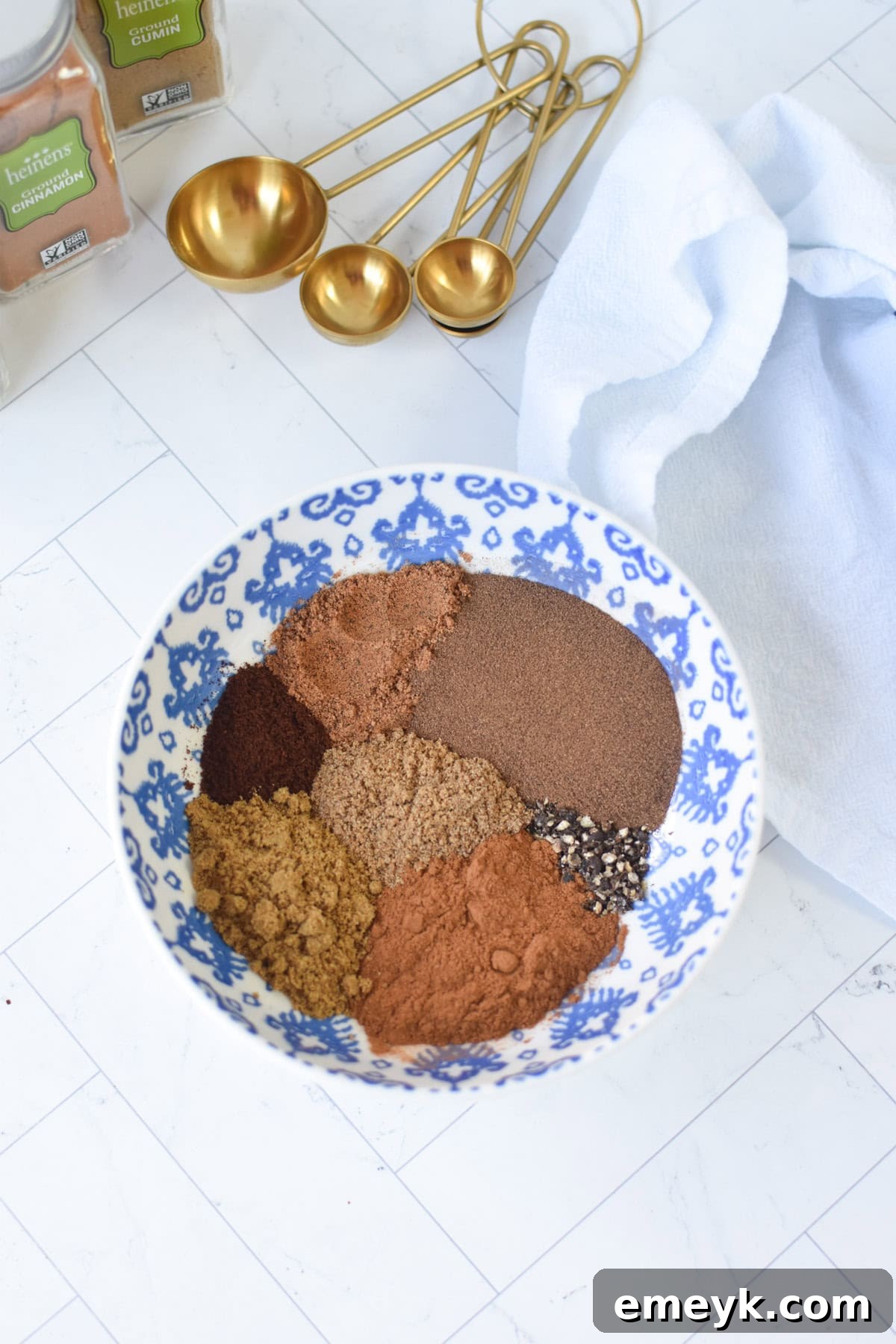
Step 2: Precisely Measure into a Small Bowl. Carefully measure out each of the seven spices according to the recipe. If you’ve opted for the elevated method of freshly grinding whole, toasted spices, ensure they have cooled completely for a minute or two before combining. Mixing warm spices can introduce condensation and cause clumping, which affects the blend’s texture and shelf life.
Step 3: Whisk for Uniformity. Using a small whisk or even a fork, thoroughly combine all the spices. Stir until the color of the blend is completely uniform, with no visible streaks or pockets of individual spices. This step, while seemingly simple, is crucial for ensuring that every pinch of your Lebanese 7 Spice delivers a consistent and balanced flavor profile. It takes approximately 30 seconds but significantly impacts the final taste.
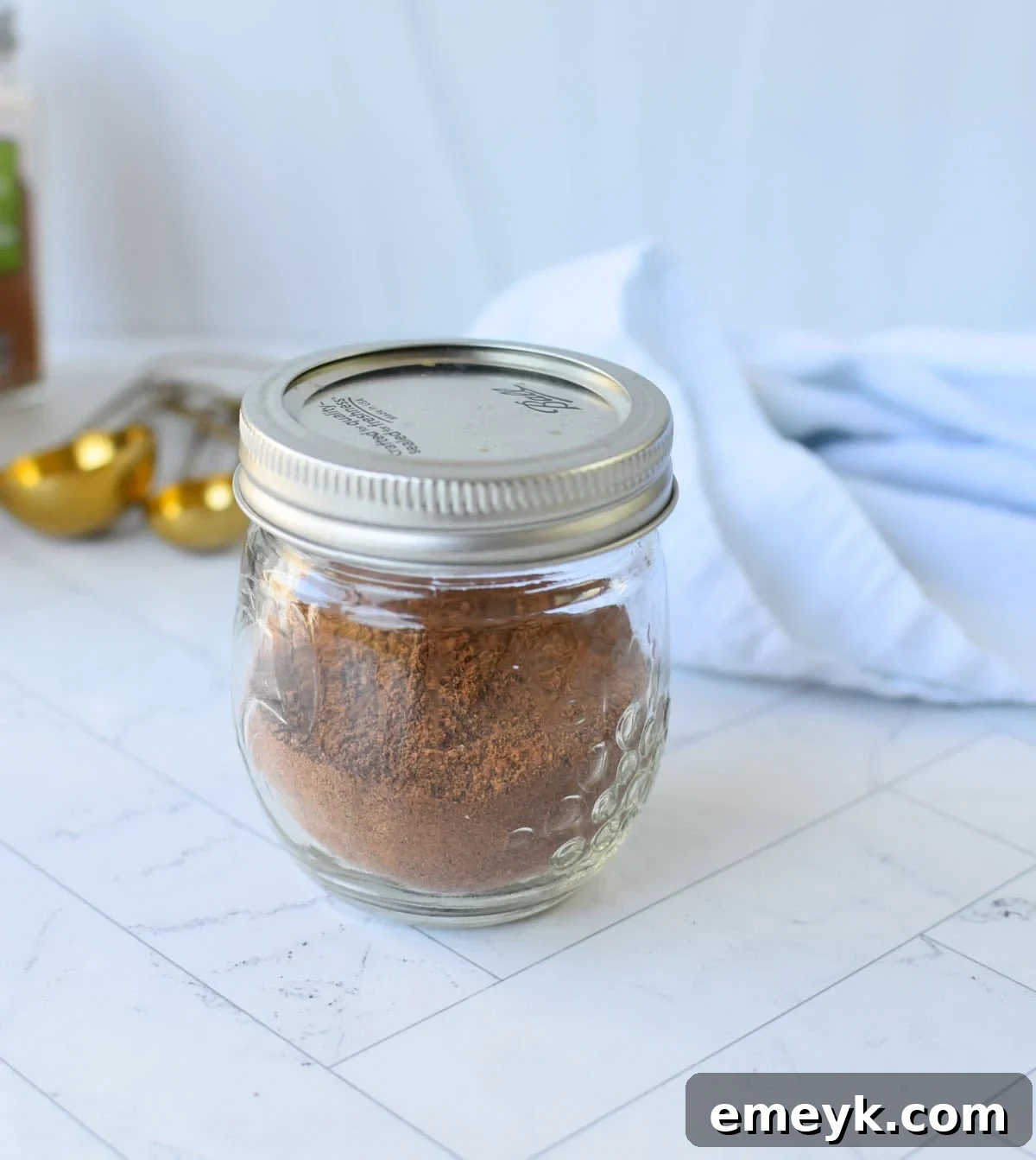
Step 4: Transfer and Label for Longevity. Once perfectly mixed, use a small funnel to transfer your freshly made blend into a clean, airtight glass jar. Glass is preferred over plastic, as plastic can absorb essential oils over time, dulling the spice’s aroma. Be sure to label the jar with the date it was made. This simple practice helps you keep track of its freshness, ensuring you always cook with the most potent and flavorful blend possible.
Unleash the Flavor: Creative Ways to Use Lebanese 7 Spice
This versatile blend is a secret weapon in the kitchen, capable of transforming a multitude of dishes. While a simple list of applications is helpful, understanding how it works in different contexts will truly inspire your cooking. Here are some of the best ways to incorporate Lebanese 7 Spice into your culinary repertoire, ensuring you confidently reach for it again and again.
- Elevate Ground Meat Dishes: This is arguably where Lebanese 7 Spice shines brightest. Whether you’re preparing authentic Lebanese beef kafta, making hashweh (the flavorful spiced meat stuffing for grape leaves or stuffed zucchini), or simply whipping up a Mediterranean ground beef and rice skillet, start by adding 1 to 1½ teaspoons of the blend per pound of meat. Incorporate it into the meat before any liquids, allowing the spices to “bloom” directly in the rendered fat as the meat browns. This initial contact with heat is crucial for developing its full aromatic potential and deep, rich flavor. It’s also fantastic in meat pies, samosas, or even a simple shepherd’s pie for an exotic twist.
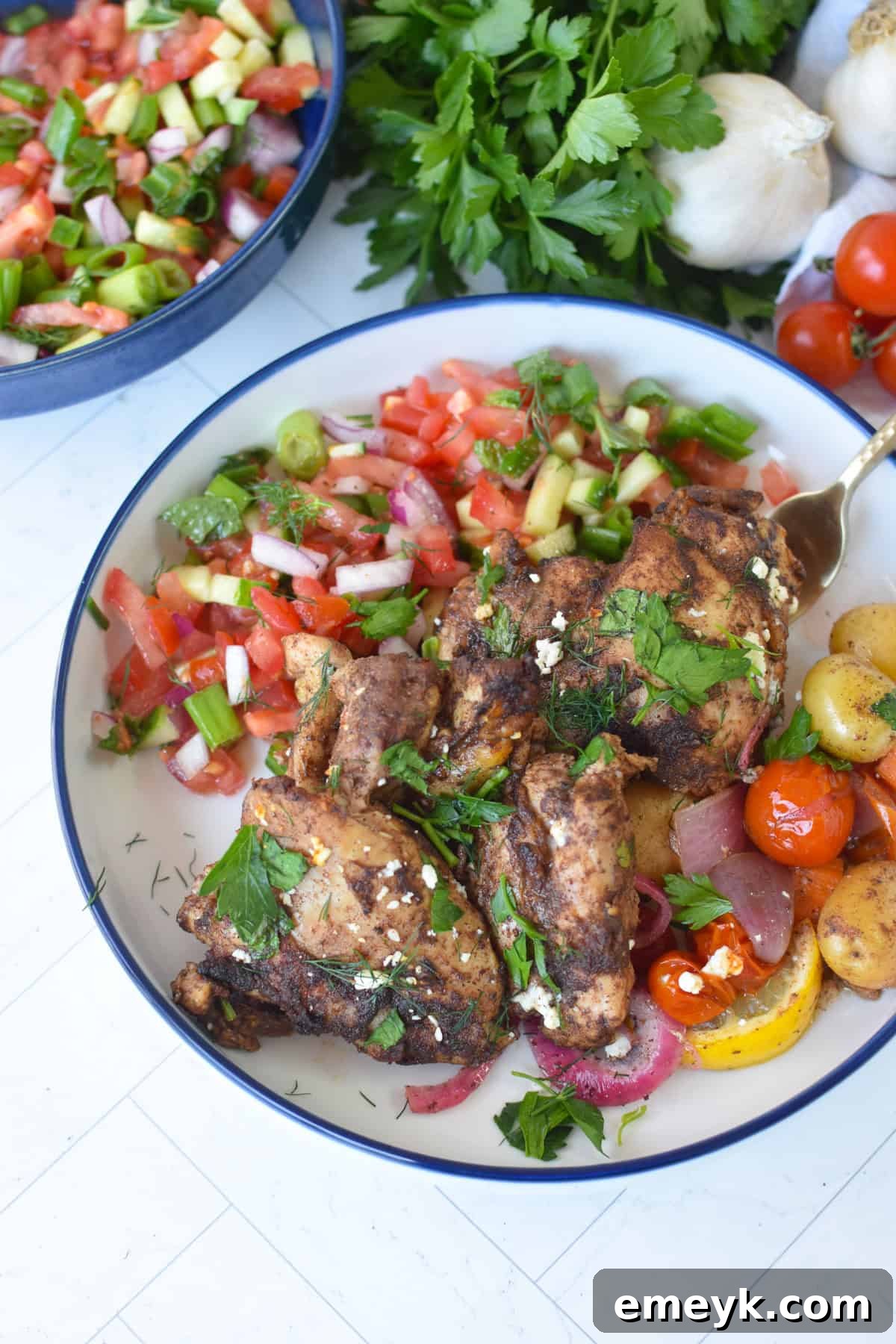
- Aromatic Dry Rub for Poultry: Transform everyday chicken or turkey into a culinary delight by using Lebanese 7 Spice as a dry rub. Combine 2 teaspoons of the blend with a generous pinch of sea salt and massage it evenly onto chicken thighs, breasts, or even a whole roasted chicken. Pan-searing, grilling, or roasting creates an incredibly caramelized, deeply savory, and irresistibly crusty exterior, imbued with the warm notes of cinnamon and allspice. This technique is one of the easiest ways to inject profound flavor into your weeknight meals.
- Infuse Your Rice and Grains: For a uniquely fragrant and flavorful rice dish, add 1 teaspoon of Lebanese 7 Spice to the oil or butter before you toast your rice. This simple step allows the spices to bloom, permeating the entire pot with their captivating aroma. It’s particularly exceptional in Lebanese rice with vermicelli, where the 7 spice provides that warm, distinct flavor that makes it so comforting. Experiment with other grains like bulgur, freekeh, or even quinoa for a delightful Middle Eastern touch.
- Deepen the Flavor of Soups and Stews: While cumin is a common ingredient in many soups, a teaspoon of Lebanese 7 Spice can add an extraordinary layer of complexity to hearty dishes like lentil soup. Stir it in along with your other seasonings. The blend introduces a nuanced warmth and depth that plain cumin alone cannot achieve. This small addition can make a surprisingly big difference, turning a simple soup into a more sophisticated and satisfying meal. It also works wonders in beef stews, vegetable tagines, or even a robust chicken noodle soup.
- Transform Roasted Vegetables: Unlock the full potential of your favorite vegetables by tossing them with olive oil and Lebanese 7 Spice before roasting. Cauliflower, sweet potatoes, carrots, bell peppers, zucchini, or chickpeas all benefit immensely. Roasting at 425°F encourages the natural sugars in the vegetables to caramelize alongside the warm spices, creating a truly addictive and savory-sweet result that you’ll want to replicate constantly.
- Craft an Instant Marinade: Create a quick and flavorful Lebanese-style marinade by combining 1½ teaspoons of the blend with olive oil, fresh lemon juice, and minced garlic. This versatile marinade is perfect for chicken (especially for homemade chicken shawarma), lamb, or even firm white fish. Allow the protein to marinate for at least 30 minutes (or several hours for deeper flavor) before grilling, baking, or pan-frying.
- Garnish for Dips and Spreads: Instead of traditional paprika, try finishing your homemade Lebanese hummus, baba ghanoush, or labneh with a drizzle of good quality olive oil and a light dusting of Lebanese 7 Spice. This subtle swap introduces a much more nuanced and intriguing aromatic complexity, offering a sophisticated twist that’s sure to impress. It’s a wonderful entry point for those new to using the blend in their cooking.
- Spice Up Eggs: A tiny pinch of Lebanese 7 Spice can transform scrambled eggs or an omelet, adding an unexpected depth of flavor.
- Flavorful Yogurt Sauces: Mix a quarter teaspoon into plain yogurt with a squeeze of lemon juice and a touch of salt for a cooling, aromatic sauce to accompany grilled meats or vegetables.
Optimal Storage for Peak Freshness
- To ensure your homemade Lebanese 7 Spice Blend retains its maximum fragrance and flavor, store it in an airtight glass jar in a cool, dark cabinet. Under these ideal conditions, the blend will remain potent and delicious for up to 6 months. Beyond this period, while it may not necessarily “spoil,” its vibrant aroma and flavor profile will gradually diminish, resulting in a less impactful taste in your cooking.
- A crucial tip for spice storage: keep your jar away from direct heat and humidity. This means avoiding cabinets located directly above or immediately next to your stove or oven. The fluctuating heat and moisture from cooking can significantly accelerate the degradation of your spices, causing them to lose their potency much faster. A pantry shelf, a drawer, or a cabinet on the opposite side of the kitchen will provide a much more stable environment, significantly extending the life and freshness of your precious blend.
- If Lebanese cuisine is a regular feature in your household, or if you plan to gift this wonderful blend, consider making a double or even triple batch. You’ll likely go through it faster than you anticipate, and having a larger supply on hand ensures you’re always ready to infuse your dishes with authentic Middle Eastern flavor.
Frequently Asked Questions About Lebanese 7 Spice
While closely related, Lebanese 7 spice (Sabaa Baharat) and other Baharat blends are not exactly identical. “Baharat” is a broad Arabic term simply meaning “spices” and can refer to various regional blends across the Middle East, each with its own unique composition. Lebanese Sabaa Baharat is a specific rendition characterized by its prominent allspice-forward profile, delivering a distinctive warmth and depth. Some store-bought baharat blends might include ingredients like paprika, which can give them a more orange hue and a slightly different flavor profile. Generally, they can be used interchangeably in many dishes, but for authentic Lebanese recipes that specifically call for “7 spice,” this particular allspice-dominant blend is what you’re looking for to achieve the traditional flavor.
No, Lebanese 7 spice is designed to be warm and aromatic rather than overtly hot or spicy. The black pepper component contributes a mild, subtle background heat, but it is not intended to be sharp or chili-hot. Its primary function is to add a peppery dimension and balance the other sweet-warming spices. If you prefer a spicier kick in your dish, it’s best to add a separate pinch of cayenne pepper or chili flakes to taste, rather than altering the core blend.
In a pinch, ground allspice is the closest single-spice substitute for Lebanese 7 spice, and it can work as a temporary stand-in. This is because allspice naturally embodies flavor notes of cinnamon, cloves, and nutmeg, which are key components of the 7 spice blend. While the flavor will not be identical or as complex and nuanced as the full blend, it offers a surprisingly good approximation when you urgently need an aromatic Middle Eastern touch and don’t have the full blend available. For best results, consider adding a tiny dash of cinnamon and black pepper to your allspice substitute if possible.
Absolutely! This Lebanese 7 spice recipe scales up perfectly. Doubling or even tripling the recipe is highly recommended if you frequently cook Lebanese or Middle Eastern cuisine. Making a larger batch means you’ll always have this essential blend on hand, saving you time and ensuring your dishes are consistently flavored. Just be sure to store any larger quantities in airtight glass jars in a cool, dark place to maintain freshness.
For the most vibrant and potent Lebanese 7 Spice, sourcing high-quality, fresh spices is key. Look for whole spices at specialty spice shops, ethnic markets, or reputable online retailers that have high turnover. Buying whole spices and grinding them yourself just before mixing will always yield the freshest results. When buying pre-ground spices, choose brands that package them in opaque, airtight containers and check the “best by” date. A good indicator of freshness for ground spices is their strong, distinct aroma upon opening.
One of the greatest advantages of making your own spice blend is the ability to customize it! The provided recipe offers a classic and balanced starting point, but feel free to tweak the ratios to suit your taste. If you love cinnamon, add a little extra. If cloves are too potent for you, reduce them slightly. Always taste the finished blend, and don’t hesitate to experiment with small adjustments until you find your perfect version of Lebanese 7 Spice.
Explore More Authentic Lebanese Recipes
Mediterranean
Sumac Onions (Easy Lebanese Condiment)
Mediterranean
Easy Lebanese Salad
Beef
Lebanese Meat Pie Recipe
Beef
Meat Stuffed Grape Leaves
Loved this recipe? Share your thoughts and follow for more! Subscribe to our newsletter or connect with us on
Facebook,
Instagram, or
Pinterest for the latest culinary inspiration.
Lebanese Seven Spice Blend
Print Recipe
Sign up for our newsletter to receive this recipe directly in your inbox and get weekly updates on new delicious recipes!
To subscribe, please visit our subscription page.
Ingredients
- 2 tablespoons ground allspice
- 1 tablespoon ground black pepper
- 1 tablespoon ground cinnamon
- 1 tablespoon ground coriander
- 1 tablespoon ground cumin
- 1/2 tablespoon ground cloves
- 1/2 tablespoon ground nutmeg
Instructions
-
Combine all the measured spices into a small bowl and whisk them thoroughly until they are completely combined and the blend exhibits a uniform color throughout.
-
Carefully funnel the freshly mixed spice blend into a clean, airtight glass spice jar. Remember to label the jar clearly with the current date to keep track of its freshness.
-
Store the sealed jar in a cool, dark pantry or cabinet, away from direct sunlight, heat, and humidity, for optimal flavor retention for up to 6 months.
Notes
- Cloves and nutmeg are incredibly potent spices. The smaller ratio specified in this recipe is intentional to ensure they contribute aroma and depth without overpowering the entire blend. Feel free to taste your blend and slightly adjust these quantities in future batches if you find you prefer less intensity from either.
- For a delightful Beirut-style variation of this blend, consider stirring in 1 teaspoon of sweet paprika. This addition will lend a subtle sweetness, a beautiful reddish hue, and an extra layer of warmth to your Seven Spice.
- When using this blend in ground meat dishes, a good starting point is 1 to 1½ teaspoons per pound of meat. This ratio provides a robust flavor without being overwhelming, but always adjust to your personal taste preferences.
- The quality of your black pepper significantly impacts the overall flavor. If you have a spice grinder, using freshly ground black pepper will make a noticeable difference, offering a more pungent and vibrant kick compared to pre-ground varieties.
- To achieve a more complex and aromatic blend, you can toast the whole spices in a dry skillet over medium heat for 2 to 3 minutes until they become fragrant. After cooling them, grind them freshly before mixing with the other ground spices. This step enhances the release of their essential oils, deepening the flavor profile.
- Always store your finished spice blend in a glass jar rather than a plastic container. Plastic materials can absorb the essential oils from the spices over time, which can lead to a dulling of the blend’s aroma and flavor. Glass preserves its potency much better.
- It’s vital to keep your spice jar away from heat sources like the stove or oven. The heat and humidity generated during cooking can significantly shorten the shelf life of your spice blend, causing it to lose its freshness and potency much faster.
- This recipe is easily scalable. If you regularly cook Lebanese or Middle Eastern food, making a double or triple batch is highly recommended. You’ll find yourself using this versatile blend more often than you expect!
Nutrition
Nutrition information is automatically calculated, so should only be used as an approximation.