
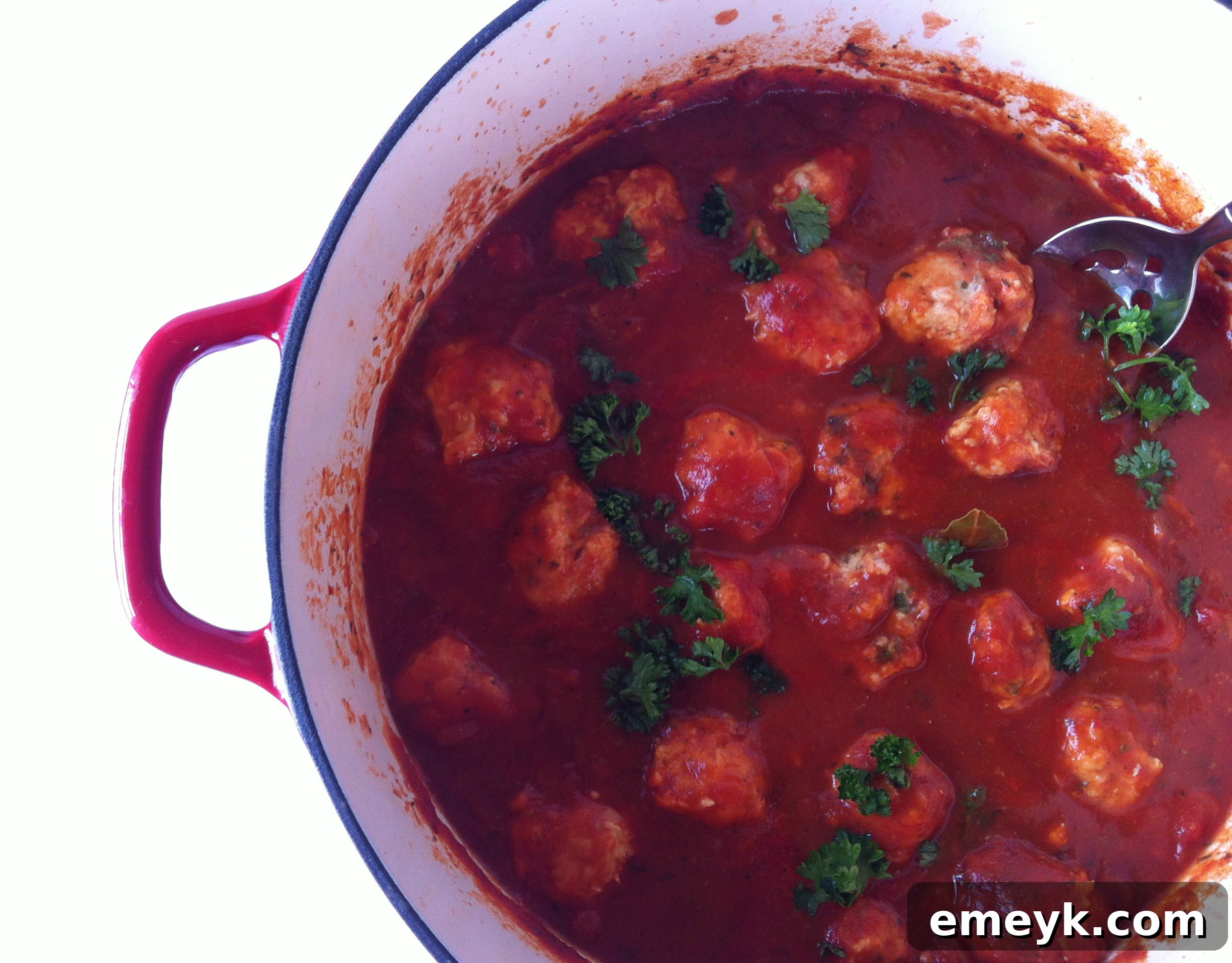
Hidden Veggie Turkey Meatballs: The Ultimate Family-Friendly Recipe for Picky Eaters
Every parent knows the struggle: getting little ones to eat their vegetables can often feel like an Olympic sport. As a parent, I am constantly on the lookout for innovative and delicious ways to introduce more nutrients into my child’s diet without a fuss. While he generally enjoys his veggies, there are certainly days when they simply won’t touch his plate. It’s completely understandable – we all have those days, especially toddlers!
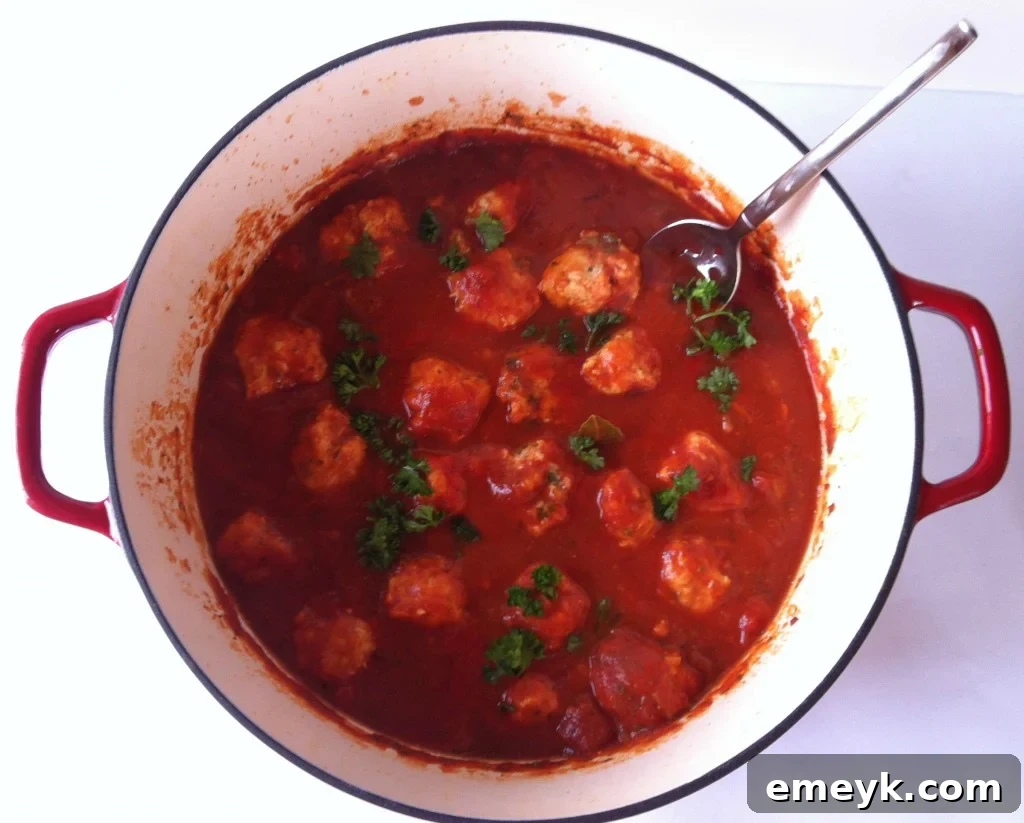
This universal challenge led me to discover the magic of meatballs. They are incredibly versatile, simple to prepare, and most importantly, an ideal vessel for “hiding” a variety of healthy vegetables. The trick is to incorporate finely grated or chopped vegetables that blend seamlessly into the meat, adding moisture, flavor, and a significant nutritional boost without being detected by even the most discerning tiny palates.
Why Meatballs Are a Parent’s Best Friend
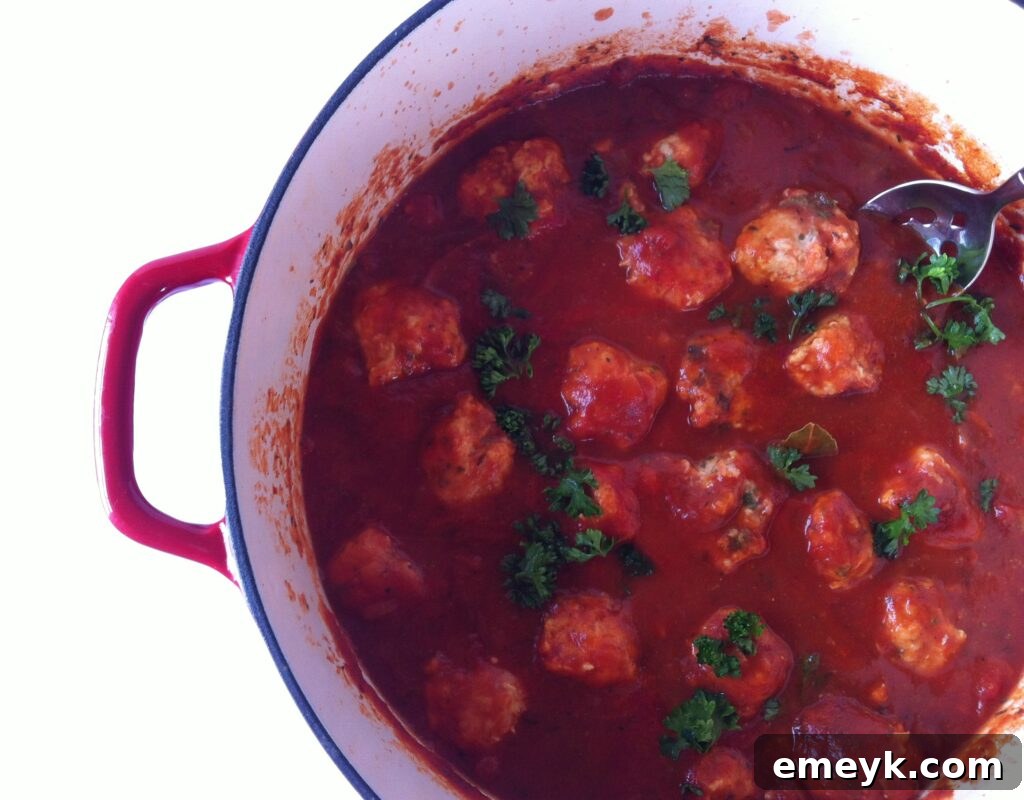
Meatballs offer an unparalleled solution for busy families striving for healthier eating habits. Their inherent structure allows for easy customization, making them perfect for incorporating a wide array of ingredients. Beyond their “sneaky veggie” potential, meatballs boast several other benefits:
- Effortless Preparation: Once you have your ingredients, mixing and shaping are quick and easy.
- Freezer-Friendly: Prepare a large batch and freeze them for quick, healthy meals on demand. This saves immense time on busy weeknights.
- Portion Control: Their individual size makes them perfect for portioning, whether for toddlers or adults.
- Versatility: They can be served with pasta, rice, in subs, on their own as appetizers, or even crumbled into sauces.
- Kid-Approved Texture: The soft, chewable texture is generally appealing to children, making them less likely to reject them.
Incorporating vegetables into meals is vital for children’s development and overall health – and for adults too! If I can find a delicious and easy way to “sneak” them into a meal, I seize the opportunity. These Turkey, Carrot, and Zucchini Meatballs are not just family-friendly; they’re a nutritious powerhouse that you can effortlessly add to your meal rotation, with endless possibilities for variation.
The Power of Lean Turkey and Hidden Goodness
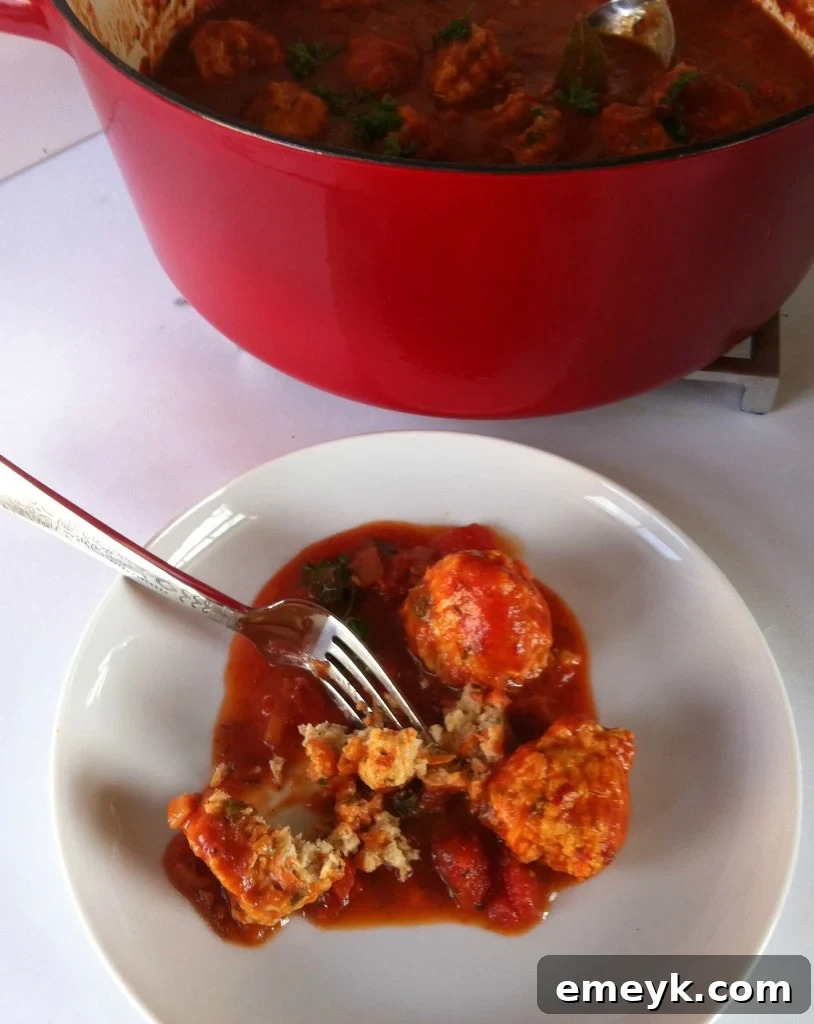
Using lean ground turkey as the base for these meatballs provides a fantastic source of protein with less saturated fat than other meats, making them a healthier alternative. Turkey is also rich in essential vitamins and minerals, contributing to muscle growth and overall well-being. The beauty of ground turkey is its mild flavor, which allows the added vegetables and seasonings to shine without overpowering the dish.
Our star “hidden” ingredients in this recipe are carrots and zucchini. Carrots are celebrated for their vibrant color and beta-carotene content, which converts to Vitamin A in the body, crucial for vision and immune function. They also add a subtle sweetness and moisture to the meatballs. Zucchini, on the other hand, is a mild-flavored, nutrient-dense squash packed with vitamins C and B6, and manganese. When finely grated, it practically disappears into the mixture, adding moisture and essential nutrients without altering the taste or texture in a way that picky eaters would notice.
Expand Your “Hidden Veggie” Arsenal: Other Great Additions
The beauty of this recipe lies in its adaptability. Once you’ve mastered the turkey, carrot, and zucchini combination, you can easily experiment with other vegetables. Here are some fantastic options to boost the nutritional profile of your meatballs:
- Grated Mushroom: Mushrooms add a wonderful umami depth and extra moisture. When finely grated, their earthy flavor is incredibly subtle and almost undetectable, especially if you use cremini or white button mushrooms. They are packed with B vitamins and antioxidants.
- Grated Cauliflower: Cauliflower has a very mild flavor, making it a perfect “invisible” vegetable. It adds bulk and a creamy texture when cooked down. It’s an excellent source of Vitamin C and K. Steam it slightly before grating for an even softer texture.
- Small Peas: While not entirely “hidden” due to their distinct shape, small peas often go unnoticed, especially when mixed into a rich sauce. They add a pop of color, sweetness, and are rich in protein, fiber, and vitamins.
- Finely Diced Peppers (Red, Orange, Yellow or Green): Peppers offer a boost of Vitamin C and vibrant color. Diced very small, they add a slight crunch and sweet flavor without being overwhelming. Red and yellow peppers are often sweeter and milder.
- Finely Diced Tomatoes: Fresh tomatoes, when finely diced or even grated, melt into the meatballs, adding a lovely tang and moisture. They are rich in lycopene, an important antioxidant.
- Spinach or Kale: Wilted and finely chopped, these leafy greens are a powerhouse of vitamins A, C, and K, as well as iron. Their strong flavor can be masked surprisingly well when mixed with other ingredients and spices.
- Sweet Potato or Butternut Squash: Cooked and mashed or finely grated raw, these vegetables add natural sweetness, a creamy texture, and a huge dose of beta-carotene.
Remember, the key to success with any of these additions is fine grating or dicing. The smaller the pieces, the less likely they are to be detected, ensuring a smooth texture that even the pickiest eaters will enjoy.
Crafting Your Perfect Meatballs: A Simple Process
Making these nutritious meatballs is a straightforward process. You’ll combine ground turkey with your chosen finely grated or diced vegetables, along with binding agents like breadcrumbs (or a gluten-free alternative) and an egg, plus your favorite seasonings. Italian herbs like oregano, basil, and a touch of garlic powder work wonderfully, but feel free to experiment with spices that your family enjoys.
Once the mixture is well combined, gently roll it into uniform balls. The size can vary based on preference – smaller ones cook faster and are perfect for little fingers, while larger ones make a more substantial meal. You can then bake them in the oven for a hands-off approach, pan-fry them for a crispy exterior, or even simmer them directly in your favorite sauce. Baking is often preferred for a healthier option and easier cleanup.
This meatball recipe is adapted from the excellent recipe found on Inspired Taste, known for its reliable and delicious culinary guidance.
Serving Suggestions and Meal Prep Mastery
These hidden veggie turkey meatballs are incredibly versatile. They pair beautifully with a classic marinara sauce over whole wheat pasta for a comforting dinner. For a lighter meal, serve them with a fresh tomato sauce (like the one by Julia from A Cedar Spoon, mentioned below), a side of quinoa or rice, and a simple green salad.
Other creative serving ideas include:
- Meatball Subs: Serve them in whole-grain rolls with melted cheese and a spoonful of sauce.
- Appetizers: Smaller meatballs can be served with toothpicks as a healthy snack or party appetizer.
- Stir-fries: Add cooked meatballs to vegetable stir-fries for a protein boost.
- Soups: Drop them into a simmering vegetable soup for a hearty addition.
- Lunchbox Heroes: Cold meatballs make a great addition to school lunchboxes.
Maximizing Convenience with Meal Prep: One of the greatest advantages of these meatballs is their freezer-friendliness. Prepare a double or triple batch, cook them, and then allow them to cool completely. Arrange them in a single layer on a baking sheet to flash freeze, then transfer to airtight freezer bags or containers. They will keep for up to 3 months, ready to be reheated directly from frozen in a sauce or microwave for a quick, wholesome meal.
The suggested sauce recipe, perfect for these flavorful meatballs, is thoughtfully crafted by Julia from A Cedar Spoon, known for her fresh and vibrant culinary creations.
Beyond the Plate: General Tips for Encouraging Vegetable Consumption
While these hidden veggie meatballs are a fantastic tool, it’s also important to continue fostering a positive relationship with vegetables. Here are a few broader strategies that can help:
- Involve Kids in Cooking: Let children help wash vegetables, stir ingredients, or even pick out produce at the grocery store. Ownership often leads to willingness to try.
- Lead by Example: Children are keen observers. When they see parents and caregivers enthusiastically eating and enjoying vegetables, they are more likely to follow suit.
- Offer Variety and Choice: Present a diverse range of vegetables in different forms (raw, steamed, roasted) and allow children to choose what they’d like to try from a selection.
- Make it Fun: Cut vegetables into interesting shapes, create “dips” with hummus or yogurt, or tell stories about the “superpowers” of different veggies.
- Be Patient and Persistent: It can take multiple exposures (sometimes 10-15 times!) for a child to accept a new food. Don’t give up after the first refusal.
- Pair with Favorites: Introduce a new vegetable alongside a familiar, well-loved food.
By combining clever tricks like hidden veggie meatballs with consistent positive reinforcement, you can gradually expand your child’s palate and ensure they’re receiving the essential nutrients they need for healthy growth and development.
How do you get your kids to eat more vegetables? Do you have unique tricks or go-to recipes for sneaking them into meals? Share your insights and help other parents on their journey to healthier eating!
Julia