
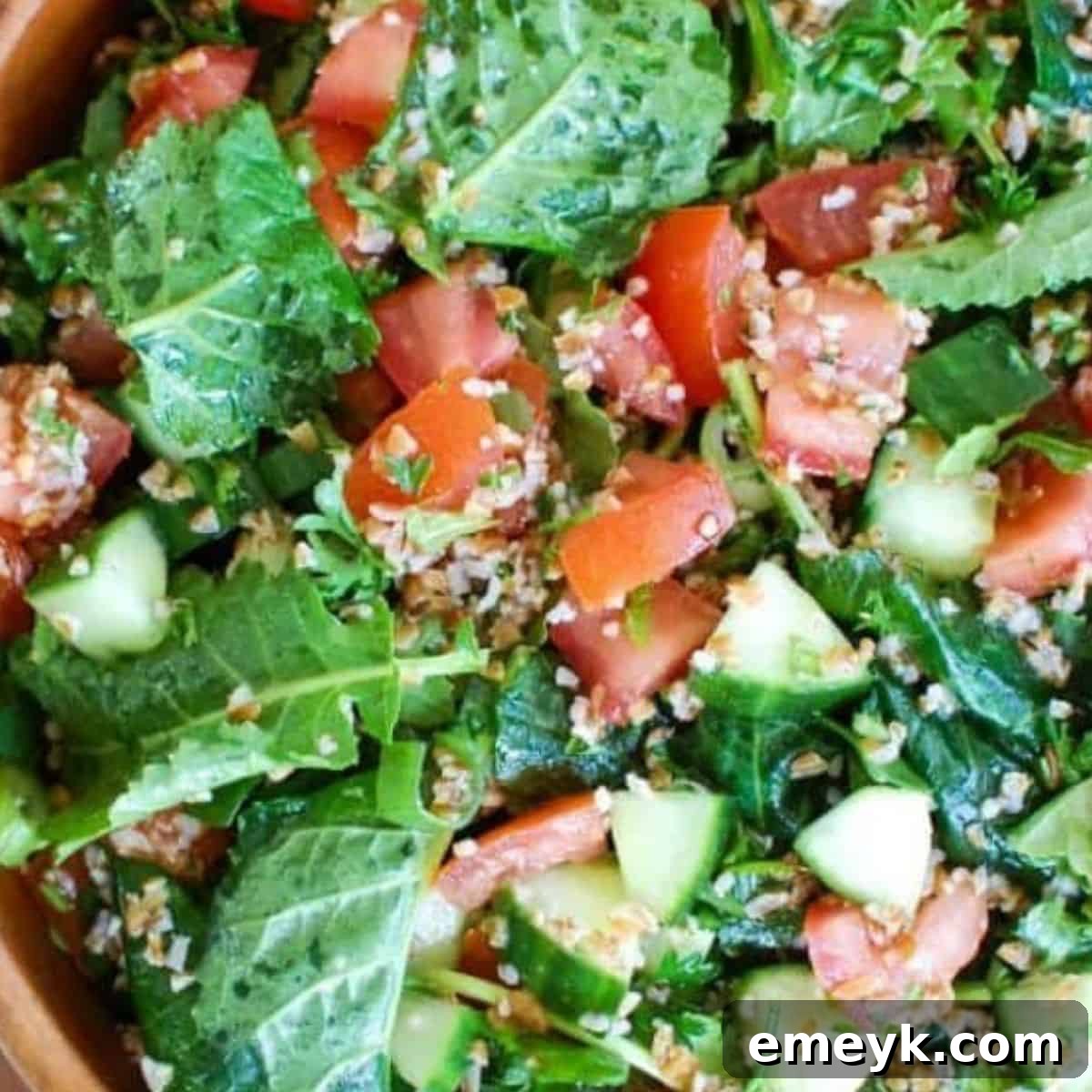
Refreshing Kale Cucumber Tabbouleh: A Vibrant Twist on a Classic Summer Salad
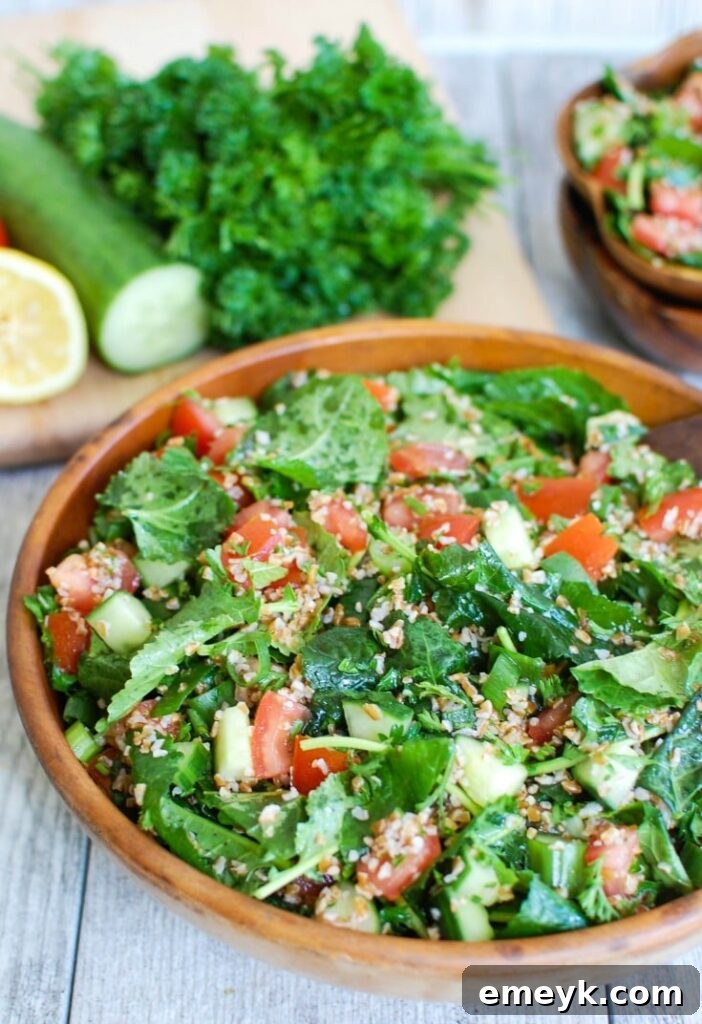
Embrace the freshness of summer with our delightful Kale Cucumber Tabbouleh, a modern and incredibly healthy spin on the beloved traditional Middle Eastern salad. This vibrant dish combines the earthy goodness of kale and crisp cucumber with tender bulgur, juicy tomatoes, and a generous mix of fresh herbs, all brought together by a zesty lemon-infused dressing. It’s a culinary celebration that’s both invigorating and satisfying, making it an absolute must-try for any warm-weather gathering, perfect for crowds and healthy eating.
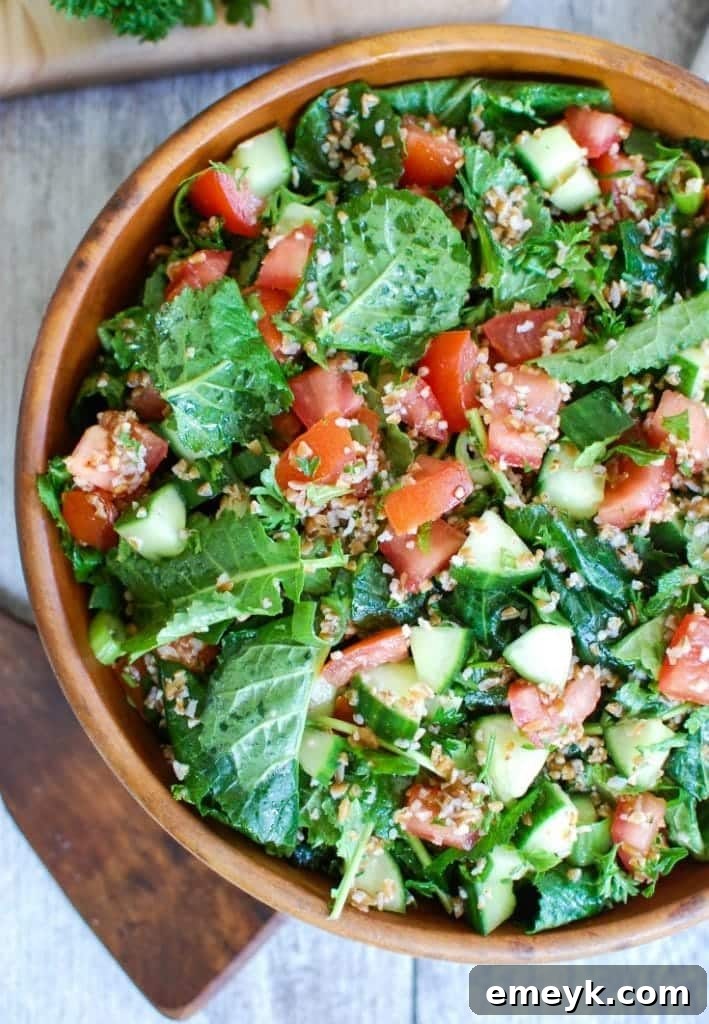
For many, the mention of summer conjures images of bright, refreshing salads, and tabbouleh invariably tops that list. Having grown up savoring the authentic flavors of Easy Tabbouleh Recipe, I deeply appreciate its light, herbaceous profile. While the classic version holds a special place, I’m always eager to explore innovative variations that add a fresh dimension to this timeless dish. This Kale Cucumber Tabbouleh is a testament to that adventurous spirit, joining other favorites like Greek Tabbouleh and a surprisingly delicious Cauliflower Tabbouleh, all perfect for summer meals.
Cultivating a garden each year allows me the joy of incorporating homegrown vegetables and herbs into my summer salads. Beyond tabbouleh, my seasonal rotation includes the simple yet profound Easy Lebanese Salata, the hearty Mediterranean Bean Salad, and the ever-popular Greek Village Salad. And when it comes to kale, its versatility shines in raw salads like the robust Kale Caesar Salad, the exotic Tropical Kale Quinoa Salad, the delightful Kale Couscous Pomegranate Salad, and the creamy Avocado Kale Spinach Salad. This Kale Cucumber Tabbouleh effortlessly fits into this array of wholesome and flavorful dishes, offering a healthy and satisfying option for any meal.
Why You’ll Love This Kale Cucumber Tabbouleh Recipe
This isn’t just another salad; it’s a delightful experience packed with flavor and health benefits. Here’s why this Kale Cucumber Tabbouleh is sure to become a staple in your kitchen, especially during the warmer months:
- Remarkably Fresh and Flavorful: The combination of crisp vegetables, fragrant herbs, and a tangy lemon dressing creates an explosion of fresh taste with every bite, perfectly capturing the essence of summer. It’s a truly invigorating experience.
- Nutrient-Rich and Healthy: Loaded with superfood kale, hydrating cucumbers, and antioxidant-rich tomatoes, this salad is a powerhouse of vitamins, minerals, and fiber. It contributes significantly to a balanced and wholesome diet, making it an excellent choice for health-conscious eaters.
- Easy to Prepare: With straightforward steps and readily available ingredients, this tabbouleh comes together quickly, requiring minimal cooking (just soaking the bulgur). This makes it ideal for busy weeknights, effortless meal prep, or when you need a speedy, nutritious dish.
- Perfect for Any Occasion: Whether you’re hosting a backyard barbecue, planning a picnic, bringing a dish to a potluck, or simply looking for a light and satisfying lunch, its vibrant presentation and delightful texture make it a guaranteed crowd-pleaser that everyone will enjoy.
- Highly Customizable: Adapt this recipe to your liking by adding different vegetables, grains, or proteins. Its incredible versatility allows for endless culinary creativity, ensuring you can tailor it to your preferences or what you have on hand.
- Excellent Make-Ahead Option: The flavors meld beautifully over time, and with a few simple tips, you can prepare this salad in advance. This ensures you have a delicious and healthy meal ready whenever hunger strikes, making meal planning a breeze.
Essential Ingredients for Your Vibrant Tabbouleh
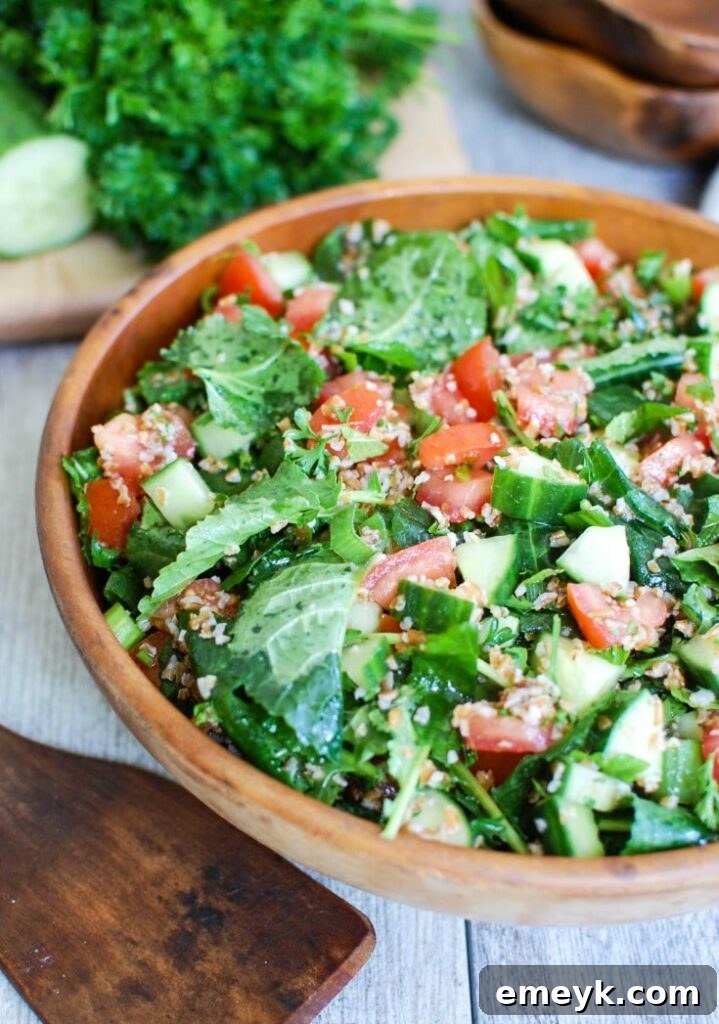
Crafting this refreshing Kale Cucumber Tabbouleh requires a handful of simple, fresh ingredients that come together to create a symphony of flavors and textures. Here’s a closer look at what you’ll need and some tips for selecting the best quality components. For precise measurements, please refer to the full recipe card below.
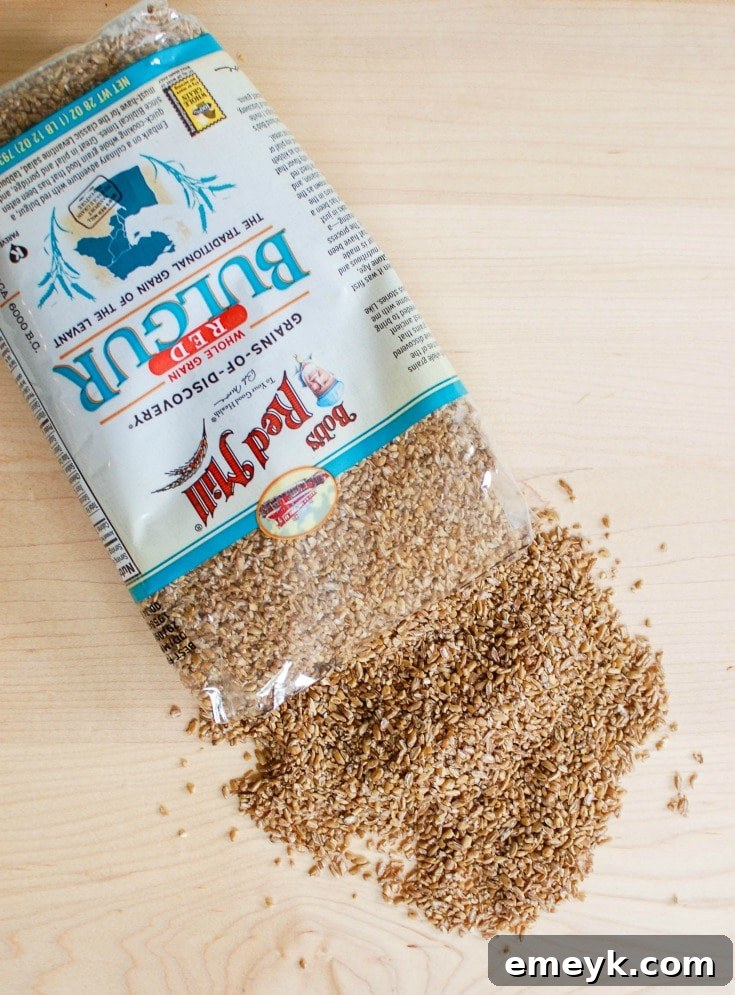
- Bulgur Wheat: The cornerstone of traditional tabbouleh, bulgur wheat provides a satisfying chewiness and acts as a canvas for the other vibrant ingredients. Opt for fine or medium-grain bulgur, as these varieties achieve the ideal tender yet slightly firm texture. Soaking it in boiling water not only softens it but also rehydrates it perfectly without cooking, preserving its delicate texture. Remember to thoroughly drain and gently squeeze out any excess water using a fine-mesh sieve or a clean kitchen towel to prevent a soggy salad.
- Fresh Herbs (Parsley and Mint): The true soul of any tabbouleh lies in its generous use of fresh herbs. Both fresh mint and curly parsley contribute a bright, aromatic, and invigorating quality that is absolutely irreplaceable. For the best results, chop them very finely. This ensures they disperse evenly throughout the salad, preventing clumping and allowing their essential oils to mingle without becoming bruised or soggy. Curly parsley is traditional and contributes to a fluffy texture, but flat-leaf parsley can also be used.
- Tomatoes: Diced fresh tomatoes add a burst of sweetness, acidity, and a beautiful color contrast. Beefsteak tomatoes are an excellent choice due to their meaty texture and abundant flavor. Whenever possible, deseed the tomatoes to minimize excess moisture, which can dilute the dressing and make the salad watery. Alternatively, ripe Roma (plum) tomatoes are also a fantastic choice, as they naturally have fewer seeds and less water content. For a lovely pop of sweetness and vibrant hue, halved or quartered cherry or grape tomatoes can be used. The key is to dice them relatively small for uniform integration.
- Kale and Cucumber: These two vegetables are the innovative stars of this tabbouleh variation. For the kale, remove the tough central stems from larger leaves and finely chop the leaves. If you’re using tender baby kale, stems can often be left intact, saving prep time. Aim for small, uniform pieces of cucumber, ideally using an English cucumber for its fewer seeds, crisp texture, and subtle flavor. Finely dicing ensures they integrate well with the other small ingredients, providing a refreshing crunch.
- Green Onion: Both the green and white parts of green onions (also known as scallions) are utilized in this recipe. They provide a mild, pungent kick that beautifully complements the fresh herbs without overpowering the salad. Chop them thinly for even distribution and a delicate bite.
- Lemon Juice: The bright, citrusy tang of fresh lemon juice is paramount to the dressing and the overall character of the tabbouleh. It cuts through the richness of the olive oil and awakens all the other flavors, providing that signature Mediterranean zest. While store-bought lemon juice can be used in a pinch, freshly squeezed lemon juice offers an unparalleled vibrancy and freshness that elevates the entire dish.
- Extra Virgin Olive Oil: A high-quality extra virgin olive oil is crucial for the dressing, adding a smooth, fruity richness and healthy fats that bind the salad together. Choose a good-quality, cold-pressed olive oil, as its flavor will be prominent and contributes significantly to the Mediterranean profile.
- Salt and Pepper: Essential for seasoning, allowing you to balance and enhance the natural flavors of all the fresh ingredients. Adjust to your personal preference, tasting as you go to achieve the perfect savory balance.
Creative Variations & Customizations for Your Tabbouleh
One of the joys of cooking is the ability to personalize recipes, and this Kale Cucumber Tabbouleh is wonderfully versatile. Feel free to experiment with these suggestions to make it truly your own, or to cater to different dietary needs and flavor preferences, ensuring endless enjoyment:
- Add More Vegetables: Enhance the nutritional profile, color, and texture by incorporating other seasonal fresh vegetables. Consider finely diced carrots for sweetness, crisp radishes for a peppery bite, sweet bell peppers (red, yellow, or orange) for vibrant color, tender zucchini, or even small, blanched broccoli florets. These additions can make the salad even heartier and more visually appealing.
- Explore Different Herbs: While parsley and mint are traditional and essential, other fresh herbs can introduce exciting new flavor dimensions. Try adding fresh cilantro for an earthy, citrusy note, dill for a subtle tangy freshness, oregano for a classic Mediterranean touch, or basil for a sweet and peppery aroma, especially if you’re leaning towards an Italian-inspired twist.
- Introduce Cheese: For a delightful touch of creamy saltiness, crumbled feta cheese is a popular and delicious addition, perfectly complementing the Mediterranean flavors. Goat cheese offers a tangier, softer alternative that melts beautifully in the mouth. For a more savory depth, a sprinkle of grated Parmesan or small cubes of fresh mozzarella could also be intriguing and enjoyable.
- Alternate Grains: If you’re looking for an alternative to bulgur wheat, several other grains work beautifully and can alter the salad’s texture and nutritional profile. Cooked quinoa adds a complete protein and a slightly nutty flavor, making it a popular gluten-free choice. Brown rice or farro offer a heartier, chewier texture, while tiny wheat berries provide a delightful pop. Ensure any substitute grain is cooked according to package instructions and thoroughly cooled before adding to the salad.
- Boost Protein with Beans or Legumes: To transform this salad into a more substantial main course, consider adding a source of plant-based protein. Canned chickpeas (garbanzo beans), rinsed and drained, are an excellent choice, adding a creamy texture and nutty flavor. White beans (like cannellini) or black beans also pair wonderfully, making the salad more filling and satisfying. For non-vegetarian options, shredded grilled chicken or salmon flakes are also delicious.
- Spice It Up: For an authentic Middle Eastern flair, sprinkle in some sumac for a tangy, lemony taste and beautiful color, or za’atar for a complex blend of thyme, sesame seeds, and sumac. A pinch of red pepper flakes can also add a gentle warmth and a subtle kick to the dressing.
- Make it Gluten-Free: For those avoiding gluten, simply substitute bulgur wheat with cooked quinoa, millet, or even finely chopped raw cauliflower rice for a grain-free and low-carb option. Ensure all other ingredients are naturally gluten-free.
Step-by-Step Guide: Crafting Your Perfect Kale Cucumber Tabbouleh
Creating this refreshing Kale Cucumber Tabbouleh is a simple process that yields incredible results. Follow these clear steps to assemble your delicious, healthy salad, ensuring a vibrant and flavorful dish every time:
- Prepare the Bulgur Wheat: In a medium, heat-proof bowl, combine the bulgur wheat with an equal amount of boiling water. Ensure the bulgur is fully submerged. Cover the bowl tightly with a lid or plastic wrap and let it soak for approximately 1 hour, or until the bulgur is tender and has absorbed all the liquid. Once softened, transfer the bulgur to a fine-mesh sieve and press gently with the back of a spoon to drain any remaining water. For an even drier texture, you can squeeze it lightly in a clean kitchen towel. This crucial step prevents a watery salad.
- Combine Salad Ingredients: In a large mixing bowl, bring together all the freshly prepared vegetables and herbs. Add the finely chopped tomatoes (deseeded if desired to reduce moisture), thinly sliced green onions (utilizing both the white and green parts), diced cucumber, finely minced fresh mint, and finely chopped fresh parsley. Incorporate the well-drained bulgur wheat and gently toss all the components together until they are evenly distributed and present a beautifully colorful medley.
- Whip Up the Lemony Dressing: In a small jar with a tight-fitting lid (a mason jar works perfectly for shaking) or a small bowl, whisk together the fresh lemon juice, high-quality extra virgin olive oil, and a generous dash of salt and freshly ground black pepper. Secure the lid and shake vigorously, or whisk until the dressing is well emulsified and slightly creamy. Taste and adjust seasonings as needed to ensure a perfect balance of tangy and savory flavors.
- Dress and Serve: Pour the freshly prepared dressing over the mixed salad ingredients in the large bowl. Toss everything gently to ensure every piece of vegetable, herb, and grain is thoroughly coated in the vibrant dressing. For optimal flavor melding, allowing the tabbouleh to rest at room temperature for 15-30 minutes before serving is highly recommended. This brief resting period allows the herbs and vegetables to fully absorb the dressing’s flavors, enhancing the overall taste experience. Serve immediately for peak freshness or cover and refrigerate for later enjoyment.
If you’re a fan of crisp, lettuce-based salads, you might also enjoy the iconic Copycat La Scala Chopped Salad or the traditional and refreshing Maroulosalata (Greek Lettuce Salad) for more delightful green options.
Perfect Pairings: How to Serve Your Kale Cucumber Tabbouleh
This versatile Kale Cucumber Tabbouleh isn’t just a side dish; it can elevate a variety of meals and shine in many culinary contexts. Here are some inspiring ideas for serving it:
- As a Light and Healthy Lunch: Enjoy a generous portion on its own for a refreshing and satisfying meal that’s packed with nutrients but won’t weigh you down. It’s an ideal choice for a midday refuel.
- Alongside Grilled Meats or Fish: Its bright, zesty flavors make it an excellent accompaniment to grilled chicken, lamb skewers (kofta), or flaky white fish. The crispness and acidity provide a wonderful contrast to richer, savory proteins.
- Part of a Mediterranean Feast: Pair it with classic Mediterranean delights such as creamy hummus, crispy falafel, warm pita bread, kalamata olives, or baba ghanoush for a complete and authentic spread.
- Stuffed in Pita Bread or Wraps: For a delicious and portable lunch, mix your tabbouleh with some grilled halloumi cheese, leftover shredded chicken, or chickpeas, and stuff it into warm pita pockets or tortilla wraps.
- As Part of a Mezze Spread: Serve it as one of several small dishes (mezze), perfect for sharing and sampling a variety of Middle Eastern appetizers and dips during a casual gathering.
- Garnish for Main Courses: A spoonful of this vibrant tabbouleh can brighten up hearty stews, roasted vegetables, or even a simple grilled salmon fillet, adding a burst of freshness, color, and texture.
Maximizing Freshness: Make-Ahead, Storage, and Leftover Tips
Preparing this Kale Cucumber Tabbouleh in advance and storing it correctly ensures you can enjoy its fresh flavors for longer. Here’s how to handle it to maintain optimal taste and texture:
- Make-Ahead Preparation: To prepare this salad ahead of time while maintaining optimal freshness, combine all the solid ingredients (bulgur, chopped kale, diced cucumber, tomatoes, fresh herbs, and green onions) in a large bowl. Prepare the lemon-olive oil dressing separately and store it in an airtight container in the refrigerator. Just before you’re ready to serve, give the dressing a good whisk to re-emulsify it, then toss it with the salad ingredients. This method is crucial as it prevents the delicate kale from wilting and keeps all the vegetables crisp and vibrant.
- Storage of Leftovers: Store any leftover dressed salad in an airtight container in the refrigerator for up to 2 days. While the kale and other vegetables may soften slightly over time due to the acidity of the dressing, the flavors will continue to meld and deepen, still making for a delicious and satisfying meal. If you’ve stored the dressing separately, the undressed salad will generally last a bit longer, up to 3 days, providing more flexibility.
- Enhancing Leftovers: For the best leftover experience, especially if you anticipate having extra, it’s highly recommended to only dress the portion of the salad you plan to eat immediately. For undressed leftovers, add the dressing just before serving. To refresh dressed leftovers, you can invigorate the salad with an extra squeeze of fresh lemon juice, a light drizzle of olive oil, or even a handful of freshly chopped kale or herbs. Adding a few fresh, crisp elements can instantly renew its texture and brightness.
Frequently Asked Questions About Kale Cucumber Tabbouleh
-
Do I have to finely chop the parsley and mint?
-
Yes, finely chopping the parsley and mint is highly recommended for achieving the traditional texture and authentic flavor of tabbouleh. This method helps the herbs maintain a light, fluffy consistency rather than becoming soggy or clumpy when mixed with the other ingredients. It also ensures that the aromatic oils are properly released and evenly distributed throughout the salad, allowing their fresh essence to infuse every bite. Always use a sharp knife to achieve clean cuts and prevent bruising the delicate herbs, which can lead to discoloration and loss of flavor.
-
What type of tomatoes work best for tabbouleh?
-
The ideal tomatoes for tabbouleh are ripe, firm, and have a lower water content to prevent the salad from becoming soggy. Excellent choices include Beefsteak tomatoes, which are meaty and flavorful, but should ideally be deseeded and the watery pulp removed to minimize excess liquid. Roma or plum tomatoes are also a fantastic option as they naturally contain fewer seeds and less juice, making them inherently less likely to water down the dressing. For a burst of sweetness and vibrant color, halved or quartered cherry or grape tomatoes also work beautifully. The key is to dice them relatively small for uniform integration with the other finely chopped ingredients.
-
Does tabbouleh need to rest before serving?
-
While not strictly necessary, allowing the tabbouleh to rest for 15-30 minutes after mixing the dressing with the ingredients is highly beneficial. This brief resting period allows the flavors to fully meld and deepen, as the bulgur and vegetables absorb the tangy lemon-olive oil dressing. This infusion of flavors significantly enhances the overall taste experience, making the salad more harmonious and enjoyable. However, avoid making it too far in advance (more than a few hours if dressed), as the fresh herbs and vegetables can begin to lose their crispness and vibrant color, becoming less appealing.
-
Can I make this tabbouleh gluten-free?
-
Absolutely! To make this Kale Cucumber Tabbouleh gluten-free, simply substitute the bulgur wheat with an alternative grain. Cooked quinoa is an excellent choice as it provides a similar texture, a complete protein, and a slightly nutty flavor. Other good options include cooked millet or even finely chopped raw cauliflower rice for a grain-free and low-carb version. Ensure your chosen substitute is completely cooled and well-drained before mixing with the other ingredients to maintain the salad’s fresh quality.
-
What kind of kale should I use?
-
You have several great options for kale! Baby kale is particularly tender and requires minimal preparation, often not needing its delicate stems removed. If using mature curly kale or Lacinato (Dinosaur) kale, be sure to remove the tough central stems before finely chopping the leaves. For mature kale, a quick massage with a tiny bit of olive oil or lemon juice for a minute or two can help tenderize it and reduce any potential bitterness, making it more palatable in a raw salad. Feel free to use your favorite variety or whatever is freshest and most accessible.
More Delicious & Healthy Salad Recipes to Explore
If you’ve enjoyed the fresh and vibrant flavors of our Kale Cucumber Tabbouleh, you’re sure to love these other fantastic salad recipes from our collection:
Salads
Summer Orzo Pasta Salad
Salads
Greek Village Salad
Vegetarian
Greek Orzo Pasta Salad
Vegetarian
Easy Kale Salad with Lemon Dressing
Tried this recipe? Leave a star rating and comment below! Stay updated with new recipes by following us on Facebook, Instagram, or Pinterest.
Kale Cucumber Tabbouleh
By Julia Jolliff
Kale Cucumber Tabbouleh is a fun, healthy, and refreshing twist on traditional tabbouleh, featuring crisp kale, cooling cucumber, tender bulgur, fresh herbs, and a light, lemony dressing. This vibrant salad is perfect for summer and makes an excellent dish for any gathering.
Print Recipe
Prep Time: 20 mins
Cook Time: 1 hr (for bulgur soaking)
Total Time: 1 hr 20 mins
Servings: 6
Ingredients
- 3/4 cup bulgur wheat
- 3/4 cup boiling water
- 3 cups tomatoes, chopped (approximately 5 medium tomatoes, deseeded if desired)
- 5 green onions, green and white parts chopped
- 1/2 English cucumber, diced (about 2 1/2 cups)
- 1/4 cup fresh mint, finely chopped
- 1 bunch fresh parsley, finely chopped
- 6 ounces kale, stems trimmed and chopped (use baby kale for less prep)
- 1/4 cup lemon juice (from approximately 1 lemon)
- 1/4 cup extra virgin olive oil
- Salt and pepper to taste
Instructions
- Soak Bulgur: Combine the bulgur and boiling water in a bowl. Cover and let soak for 1 hour until tender. Drain thoroughly and squeeze out any excess water.
- Mix Salad Ingredients: In a large mixing bowl, combine the prepared tomatoes, green onion, cucumber, mint, parsley, kale, and soaked bulgur. Toss gently to combine all ingredients evenly.
- Prepare Dressing: In a mason jar or small bowl, whisk together the lemon juice, olive oil, salt, and pepper until well combined and emulsified.
- Dress and Serve: Pour the dressing over the salad and toss gently to coat. For best flavor, let the tabbouleh sit for 15–30 minutes, allowing the flavors to meld. Serve immediately or cover and refrigerate.
Notes
- For an authentic Middle Eastern touch, consider adding a dash of sumac or za’atar to the salad, enhancing its aromatic profile.
- This versatile salad pairs wonderfully with grilled chicken or fish, crispy falafel, chickpeas, or crumbled feta cheese for added protein and flavor, making it a complete meal.
- While baby kale is used in this recipe for its tender texture and minimal preparation, feel free to use mature curly or Lacinato kale (with tough stems removed and finely chopped), or even substitute with arugula or spinach for a different leafy green base.
- Kale Cucumber Tabbouleh is an excellent side dish for almost any meal, a light and refreshing lunch on its own, or a vibrant garnish when serving pitas with grilled meats and hummus.
Nutrition Information
(Approximate values per serving)
- Serving Size: 6g
- Calories: 173kcal
- Carbohydrates: 20g
- Protein: 4g
- Fat: 10g
- Saturated Fat: 1g
- Polyunsaturated Fat: 1g
- Monounsaturated Fat: 7g
- Sodium: 26mg
- Potassium: 433mg
- Fiber: 6g
- Sugar: 3g
- Vitamin A: 3675IU
- Vitamin C: 44mg
- Calcium: 103mg
- Iron: 1mg
Nutrition information is automatically calculated and should only be used as an approximation. Individual ingredient values may vary.
Tried this recipe?
Mention @acedarspoon or tag #acedarspoon!