
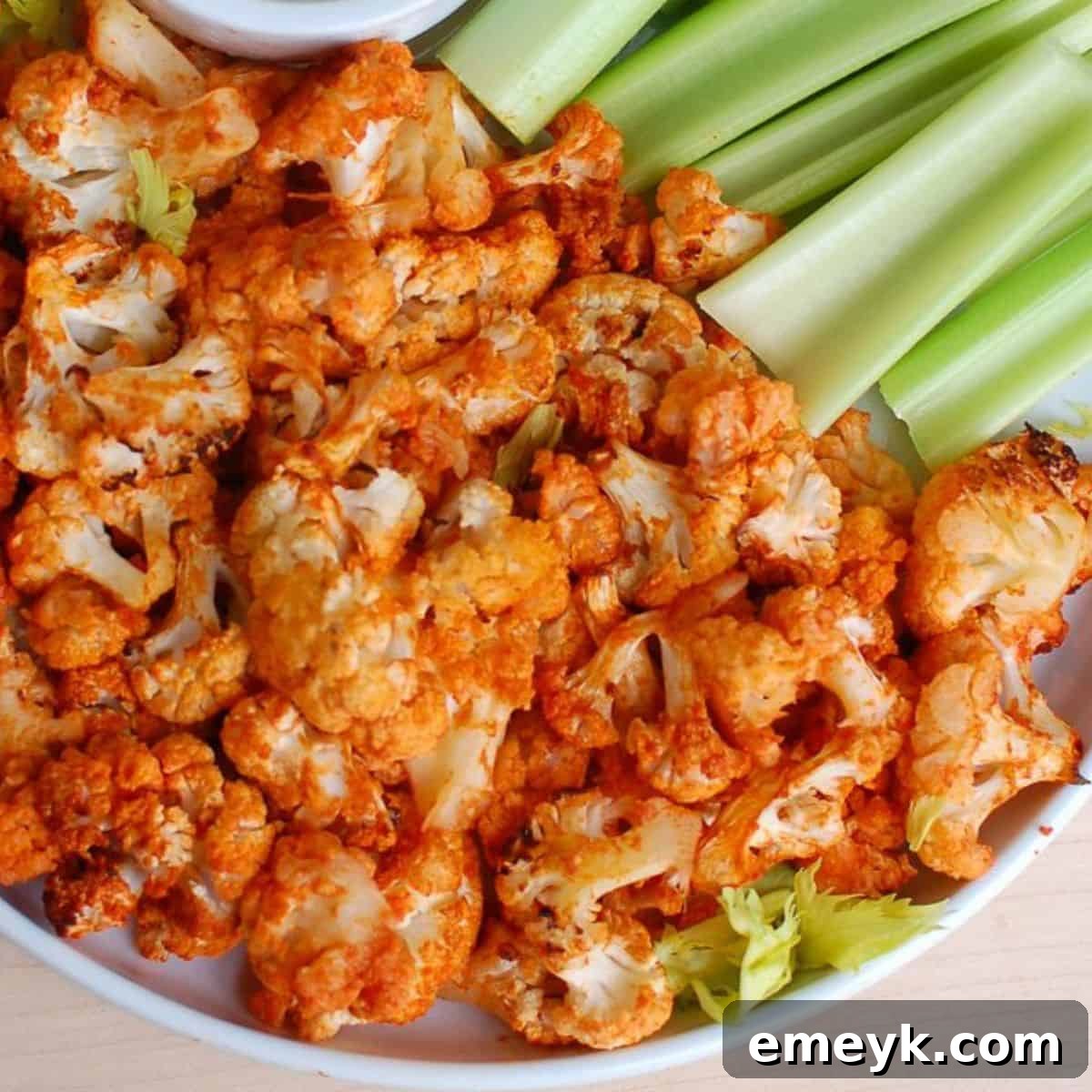
Ultimate Guide to Roasted Buffalo Cauliflower: A Healthy Game Day Appetizer
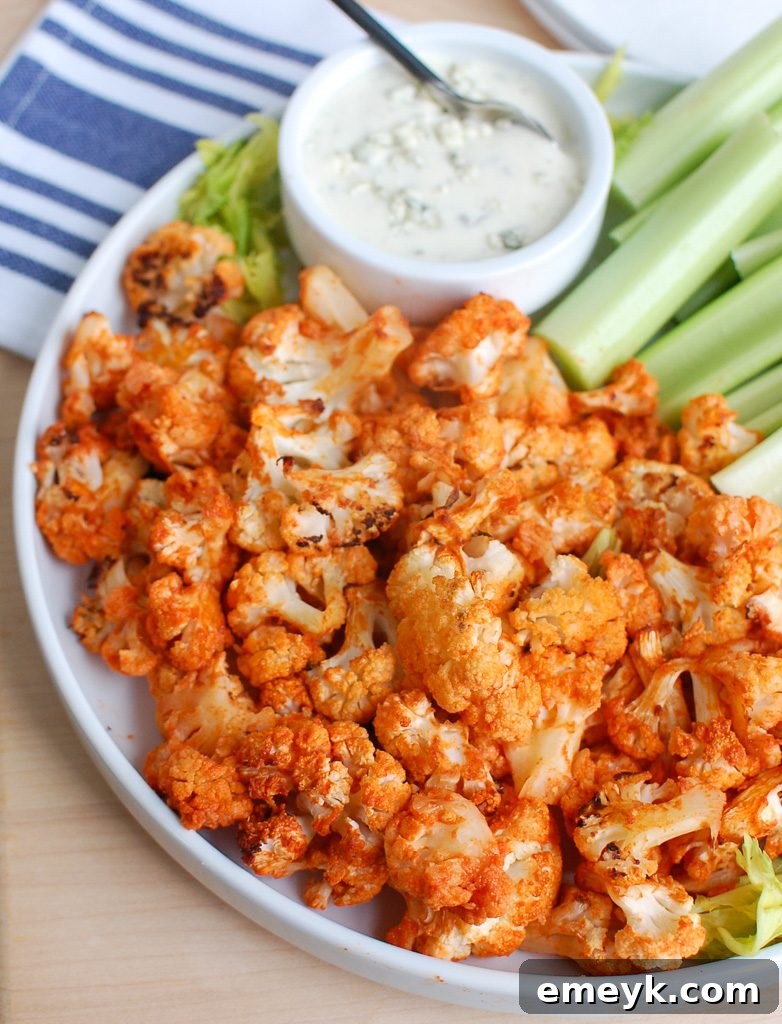
Get ready to add a fiery kick to your next gathering with this incredible Roasted Buffalo Cauliflower recipe! Far more than just a simple side dish, these crispy, spicy florets transform into an irresistible vegan, gluten-free, and low-carb appetizer that’s perfect for game day, casual parties, or simply a healthy snack. Imagine tender cauliflower, perfectly roasted until golden and slightly charred, then tossed in a vibrant, zesty buffalo sauce that awakens the taste buds. Served alongside a creamy, cooling blue cheese or ranch dip, these “buffalo cauliflower wings” are an absolute crowd-pleaser, guaranteed to disappear fast.
The allure of buffalo flavor is undeniable. Whether it’s the classic chicken wings, hearty sandwiches, or savory dips, that distinctive blend of tangy heat holds a special place in the hearts of snack enthusiasts. While traditional buffalo dishes often involve frying or heavier ingredients, this roasted cauliflower version offers a lighter, healthier alternative without sacrificing any of the bold flavor. It’s a brilliant way to enjoy your favorite spicy indulgence, making it an ideal choice for tailgates, Sunday football watch parties, or even the grand Super Bowl celebration.
I often refer to these as roasted buffalo cauliflower bites because their convenient, bite-sized nature makes them the ultimate finger food. As someone who always gravitates towards the appetizer table, I truly appreciate hosts who offer delicious yet mindful options. Roasting the cauliflower in the oven until it reaches that perfect crispness provides a satisfying crunch, fulfilling cravings for crunchy foods while packing in an explosion of flavor. It’s a wonderfully inventive way to enjoy a satisfying snack while effortlessly boosting your vegetable intake!
If you’re looking to explore more delicious ways to enjoy this versatile vegetable, don’t miss out on my other cauliflower recipes: Turmeric Roasted Cauliflower, Curry Roasted Cauliflower, Za’atar Roasted Cauliflower, and Parmesan Garlic Roasted Cauliflower.
Why Roasted Buffalo Cauliflower is a Must-Try

This vibrant cauliflower dish is not only incredibly easy to prepare but also brings a refreshing lightness to any spread. Here’s a deeper look into why this recipe deserves a permanent spot in your culinary repertoire:
- Naturally Light & Wholesome: Unlike many traditional game day snacks that rely on deep-frying, our spicy buffalo cauliflower is roasted to perfection. This preparation method significantly reduces fat content, offering a much lighter yet equally satisfying alternative. Roasting enhances the cauliflower’s natural sweetness and texture, creating a guilt-free indulgence that won’t leave you feeling weighed down. It’s the ideal choice for those seeking a healthier way to enjoy their favorite comfort foods.
- Low Carb & Naturally Gluten-Free: For individuals following a low-carb diet or those with gluten sensitivities, this roasted buffalo cauliflower is a fantastic solution. Cauliflower itself is naturally low in carbohydrates and free of gluten. The key is to select a hot sauce that is also certified gluten-free. Many popular brands, like Frank’s RedHot, are excellent choices and widely available, ensuring this dish remains accessible to everyone. Always check the label to confirm.
- Dairy-Free & Vegan-Friendly: This recipe is incredibly versatile and can easily cater to dairy-free and vegan dietary needs. As long as your chosen hot sauce is vegan (Frank’s RedHot, for example, is generally considered vegan), and you opt for a vegan ranch dressing or a simple tahini-based dip instead of traditional blue cheese dressing, you have a sensational plant-based appetizer. It’s a wonderful way to offer an inclusive, flavorful option for all your guests.
- Bursting with Flavor: The combination of earthy cauliflower, robust spices, and the iconic tangy heat of buffalo sauce creates a truly memorable flavor profile. Each bite delivers a harmonious blend of spicy, savory, and slightly sweet notes, making it an exciting departure from standard vegetable preparations.
- Easy to Prepare: With minimal ingredients and straightforward steps, this recipe is incredibly user-friendly, even for novice cooks. The simple process of tossing, roasting, and coating means you can whip up a batch quickly, leaving you more time to enjoy your event.

Essential Ingredients for Perfect Roasted Buffalo Cauliflower
Simplicity is key to this mouthwatering recipe. You’ll be amazed at how a few basic ingredients can come together to create such an impactful dish. Here’s what you’ll need, along with some insights and substitution tips:
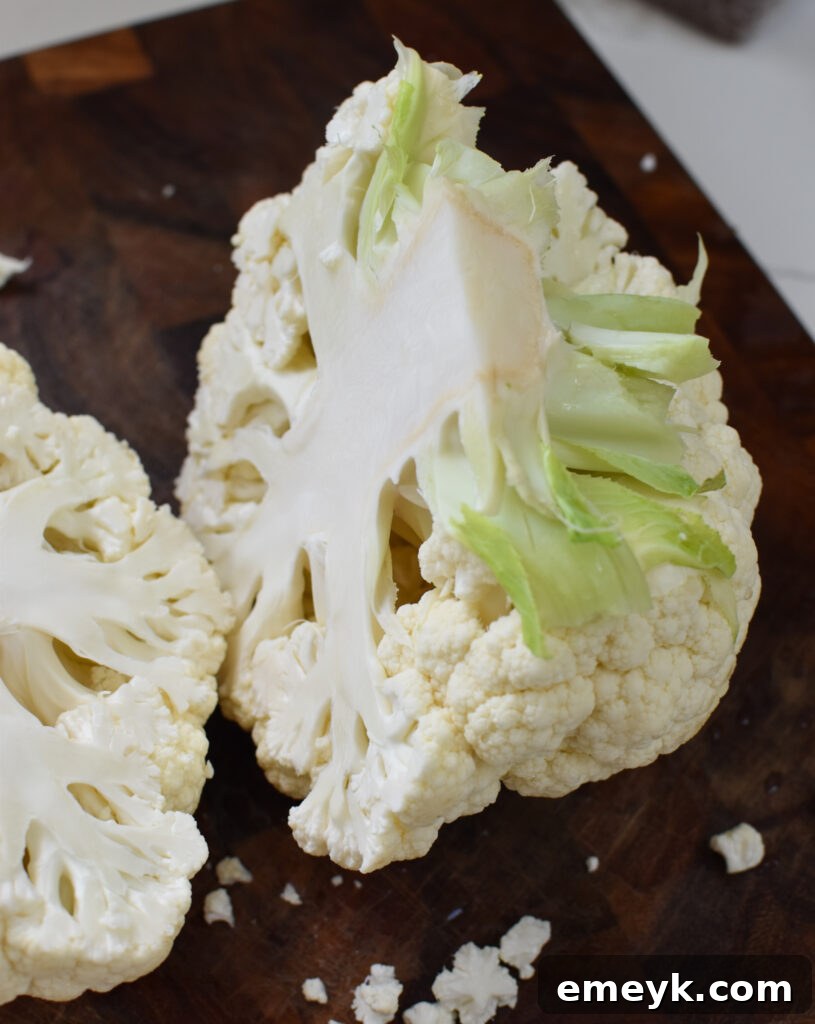
- Cauliflower: The star of our show! A medium head of cauliflower typically yields about 7-8 cups of florets, which is an ideal amount to serve 4-6 people as an appetizer. When selecting cauliflower, look for a firm, dense head with creamy white florets and fresh, vibrant green leaves. Avoid any spots, discoloration, or softness. Cut the cauliflower into uniform, bite-sized florets (about 1-inch pieces) to ensure even roasting and consistent texture.
- Canola Oil or Avocado Oil: These neutral oils are perfect for roasting as they have a high smoke point, allowing the cauliflower to get beautifully crispy without burning. Olive oil can also be used, but its lower smoke point means you might need to watch the temperature more carefully. The oil helps the spices adhere to the florets and promotes browning.
- Ground Spices:
- Garlic Powder: Adds a savory depth and aromatic warmth that complements the buffalo flavor.
- Ground Cumin: Introduces an earthy, slightly smoky note, elevating the overall spice blend. Don’t skip this for a more complex flavor.
- Paprika: Contributes a mild sweetness and a beautiful red hue, enhancing both flavor and visual appeal. You can use sweet paprika or smoked paprika for a different dimension.
- Seasoning: A simple combination of sea salt and freshly ground black pepper is essential to bring out all the flavors and balance the spices. Adjust to your personal preference.
- Hot Sauce: This is where the “buffalo” magic happens! While you can use any brand of hot sauce you prefer, Frank’s RedHot Original is the classic choice for authentic buffalo flavor due to its cayenne pepper base and balanced acidity. Other good options include Cholula or Louisiana hot sauce, depending on your preferred heat level and tanginess. For a milder touch, mix your hot sauce with a bit of melted vegan butter or a splash of apple cider vinegar.
- Garnish:
- Crumbled Blue Cheese: For those who love the classic pairing, crumbled blue cheese adds a pungent, salty, and creamy contrast to the spicy cauliflower.
- Freshly Chopped Parsley: A sprinkle of fresh parsley provides a vibrant pop of color and a subtle herbaceous freshness that cuts through the richness of the dish.
- Blue Cheese Dressing (for dipping): A cool, creamy dip is crucial for balancing the heat. Traditional blue cheese dressing is a favorite, but if you’re looking for vegan or dairy-free options, a good quality vegan ranch dressing or even a simple cashew-based dip works wonderfully. For a zesty twist, try my Lemon Whipped Feta Dip.
Step-by-Step: How to Make Crispy Roasted Buffalo Cauliflower
Creating these delectable buffalo cauliflower bites is surprisingly simple. Follow these steps for perfectly crispy and flavorful results:
- Prepare Your Oven: Begin by preheating your oven to 400 degrees Fahrenheit (200 degrees Celsius). A hot oven is crucial for achieving that desirable crispy texture on the cauliflower. Line a large baking sheet with parchment paper for easy cleanup and to prevent sticking.
- Coat the Cauliflower Evenly: In a large mixing bowl, combine the 7 to 8 cups of cauliflower florets with the canola oil or avocado oil. Toss thoroughly to ensure every floret is lightly coated. This initial oil coating helps in achieving a golden-brown, crispy exterior during roasting.
- Roast for Crispiness: Spread the oil-coated cauliflower florets in a single layer on your prepared baking sheet. It’s important not to overcrowd the pan; if necessary, use two baking sheets to allow enough space between the florets. Overcrowding can steam the cauliflower instead of roasting it, preventing crispiness. Roast for 20-25 minutes, flipping the florets halfway through (around 10-12 minutes). Continue roasting until the cauliflower is tender-crisp and the edges are beautifully browned and slightly charred. This is the foundation for your “wings”!
- Whip Up the Buffalo Sauce: While your cauliflower is roasting, prepare the flavorful buffalo sauce. In a medium mixing bowl, whisk together the garlic powder, cumin, paprika, sea salt, black pepper, and your chosen hot sauce (such as Frank’s RedHot). Stir well until all the spices are fully incorporated into the hot sauce, creating a smooth and aromatic mixture.
- Toss and Coat: Once the cauliflower has finished roasting and is perfectly crispy, remove it from the oven. Carefully transfer the hot, roasted florets back into the large mixing bowl. Pour the prepared buffalo sauce over the cauliflower and gently toss using tongs or a spatula until all the florets are thoroughly coated in the spicy goodness. For an even crispier result, you can return the sauce-coated cauliflower to the oven for an additional 2-3 minutes. However, this step is entirely optional, as the cauliflower should already be wonderfully crisp from the initial roast.
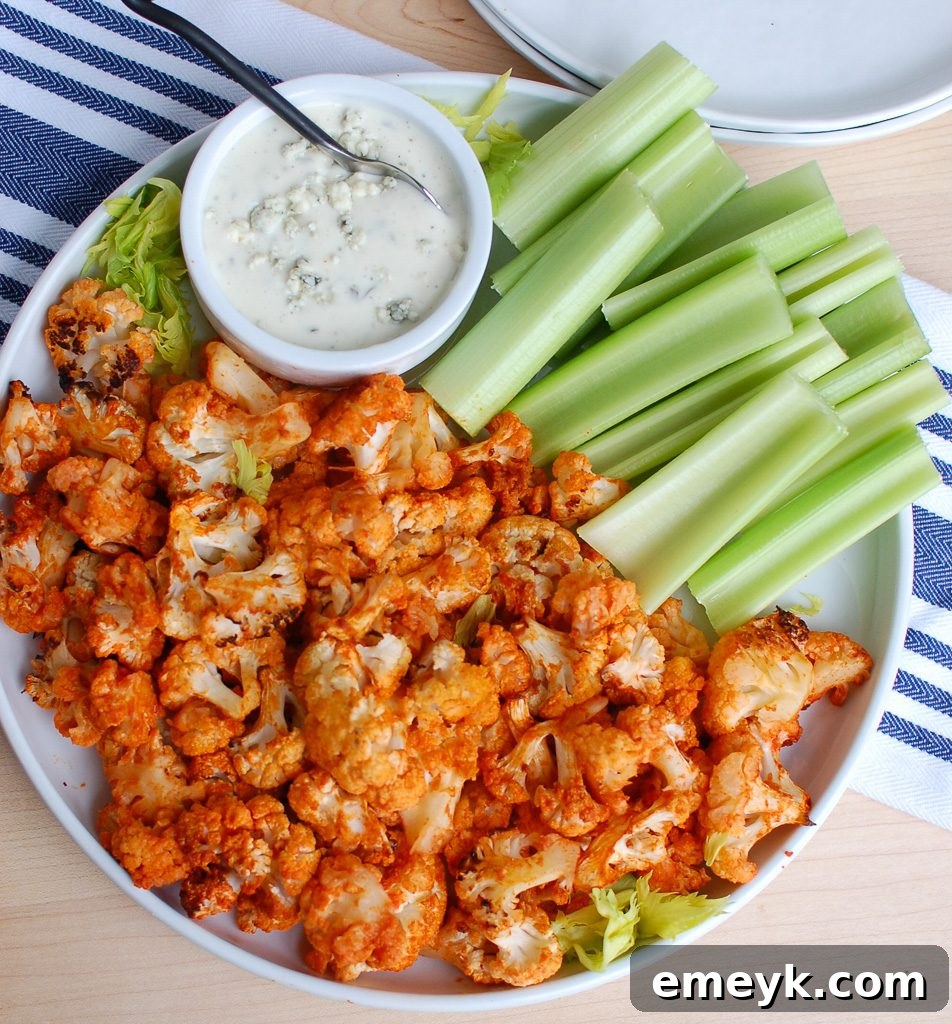
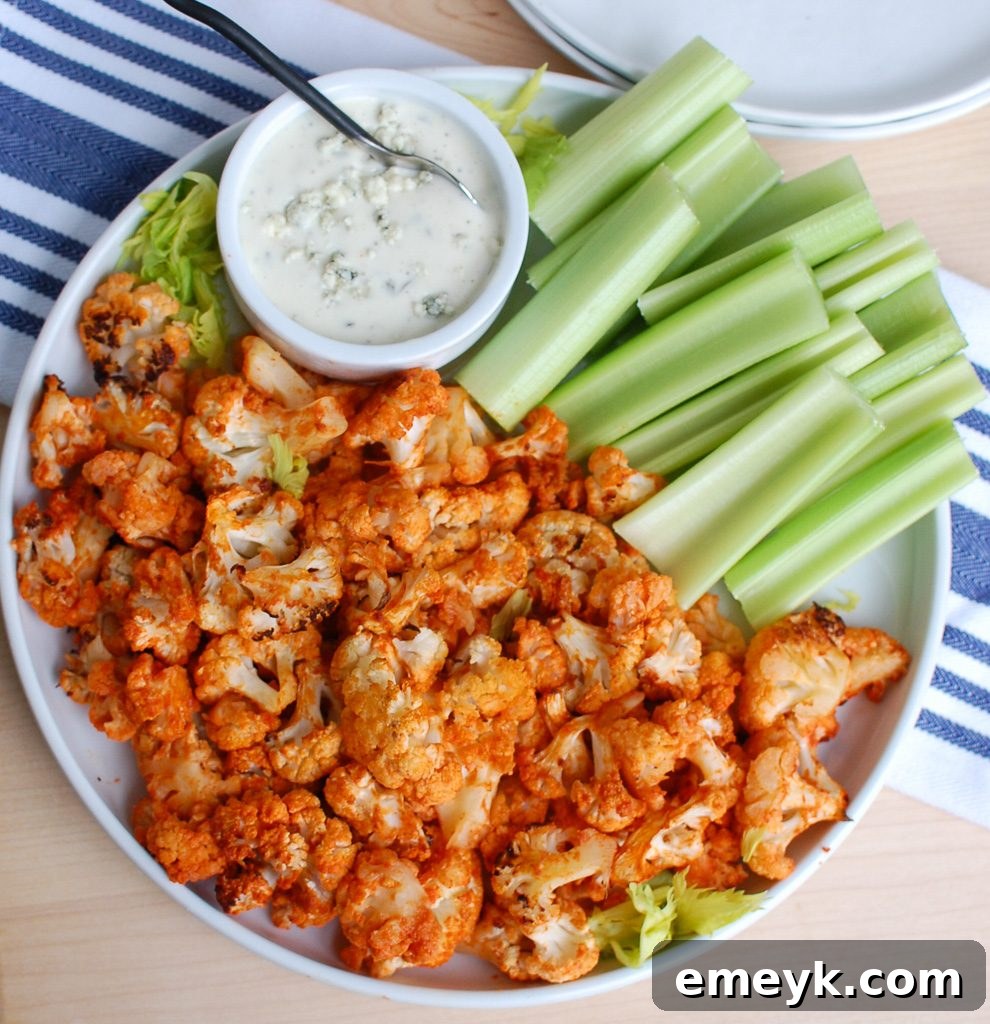
- Garnish and Serve Immediately: Transfer the warm, saucy buffalo cauliflower to a serving platter. Garnish generously with crumbled blue cheese and freshly chopped parsley, if desired. Serve immediately with a side of creamy blue cheese or ranch dressing, and crisp celery sticks for a classic buffalo experience. Enjoy the explosion of flavors and textures!
Recipe Modifications and Creative Variations
This roasted buffalo cauliflower recipe is incredibly adaptable, allowing you to tailor it to your taste preferences or what you have on hand. Don’t hesitate to get creative with these modifications:
- Experiment with Different Vegetables: While cauliflower is fantastic, this recipe works beautifully with other sturdy vegetables. Try swapping it out for broccoli florets, Romanesco, or even Brussels sprouts. A mix of these vegetables can add delightful variety in texture and flavor. Ensure they are cut into similar sizes for even roasting.
- Mixed Roasted Vegetables: Instead of focusing solely on cauliflower, consider using a medley of roasted vegetables with the buffalo sauce. Bell peppers, zucchini, carrots, and sweet potatoes can all be delicious additions, adding more nutrients and color to your dish.
- Adjust the Spice Blend: The ground spices in this recipe—garlic powder, cumin, and paprika—provide a wonderful base. However, feel free to customize them. If you’re not a fan of cumin, simply omit it. Conversely, you can enhance the flavor with additional spices like onion powder, a pinch of cayenne for extra heat, or even a touch of smoked paprika for a deeper, more complex profile.
- Choose Your Hot Sauce Wisely: The type of hot sauce you use significantly impacts the final flavor and heat level. Stick to your favorite brand, whether it’s Frank’s RedHot for a classic buffalo taste, or something hotter like Tabasco or a habanero-based sauce if you dare! For a milder version, you can dilute the hot sauce with a little water or vegetable broth.
- Alternative Cheeses: If blue cheese isn’t your preference, crumbled feta cheese makes an excellent substitute. Its salty, tangy profile complements the spicy cauliflower wonderfully. Goat cheese or a dairy-free vegan crumble can also be delightful additions.
- Diversify Your Dips: While blue cheese dressing is a classic pairing, there are many other delicious options. Sour cream or Greek yogurt (for a healthier, tangier twist) can offer a cooling contrast. A creamy ranch dressing is always a crowd-pleaser. For a unique Mediterranean flair, try my Lemon Whipped Feta Dip, which adds a bright, zesty creaminess.
- Sweet and Spicy Variation: For a slightly different flavor profile, you could add a tablespoon of maple syrup or honey (if not strictly vegan) to your buffalo sauce. This adds a subtle sweetness that beautifully balances the heat and tang.
What to Serve with Roasted Buffalo Cauliflower
Roasted buffalo cauliflower is incredibly versatile and can be enjoyed in numerous ways, from a standalone appetizer to a component of a larger meal:
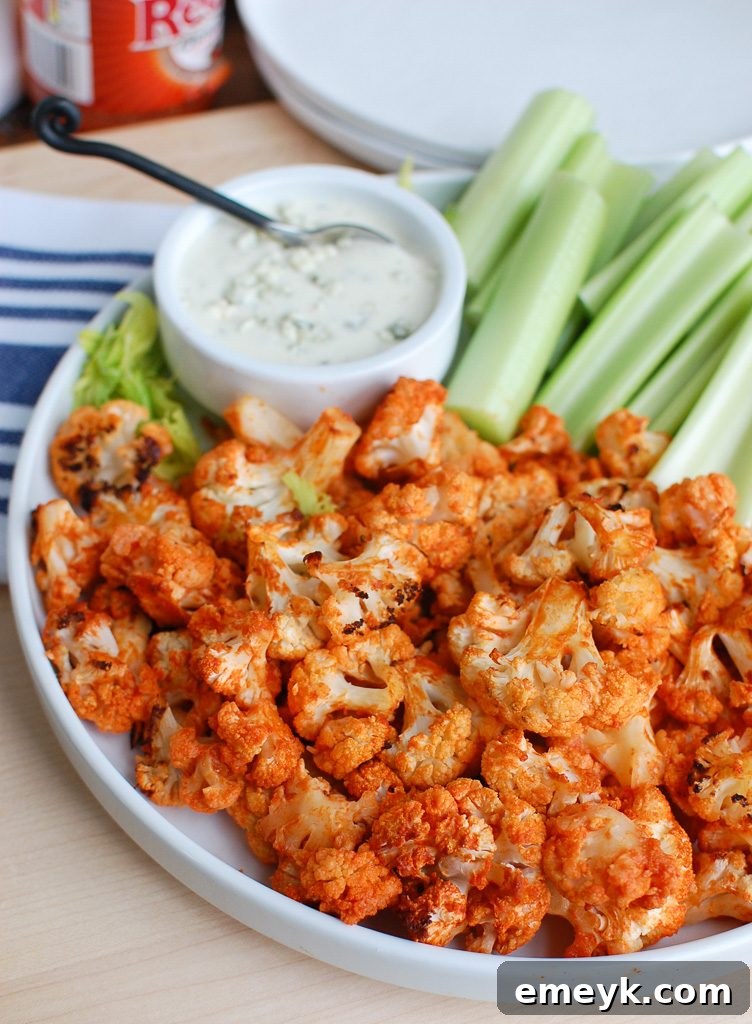
- Classic Appetizer Setup: The most popular way to serve these “wings” is as a tasty appetizer for gatherings with family and friends. They are an ideal snack for game nights, movie marathons, or any casual get-together. Always pair them with a creamy, cool dip—whether it’s ranch, blue cheese dressing, or a vegan alternative—and plenty of crisp celery and carrot sticks to provide a refreshing crunch and help mitigate the heat.
- In Bowls and Salads: Don’t limit buffalo cauliflower to just an appetizer! It makes an excellent addition to grain bowls, salads, and wraps. I often toss it into my Mediterranean Buddha Bowl for a spicy kick and added texture. It can also be a fantastic protein alternative in a hearty lunch salad.
- Tacos and Wraps: Get creative and use buffalo cauliflower as a filling for tacos or wraps. Simply warm some tortillas, add shredded lettuce, a dollop of your favorite cool dressing, and a generous portion of buffalo cauliflower for a flavorful, plant-based meal.
- As a Flavorful Side Dish: These spicy florets also make a fantastic side dish to serve alongside a variety of main meals. They pair wonderfully with lean proteins such as my Air Fryer Chicken Tenders, Greek Marinated Chicken Kabobs, Beef Kafta Kabobs, or Pan Seared Pork Chops. The spicy cauliflower adds a vibrant, exciting contrast to grilled or pan-seared meats.
- Vegan Meal Prep: For easy meal prep, roast a large batch of buffalo cauliflower and portion it out for lunches throughout the week. It reheats well and adds a punch of flavor to any packed meal.
Storage and Reheating Tips for Buffalo Cauliflower
Enjoying your roasted buffalo cauliflower doesn’t have to stop after the initial serving! Proper storage and reheating can ensure you savor these delicious bites for days to come:
- Storing Leftovers: Any leftover roasted buffalo cauliflower should be stored in an airtight container in the refrigerator. Consume within 2-3 days for the best quality and flavor. Ensure the cauliflower has cooled completely before storing to prevent condensation, which can lead to sogginess.
- Reheating for Optimal Crispness: To bring back that satisfying crisp texture, avoid reheating in the microwave, as this will inevitably make the cauliflower soggy. The best methods for reheating are:
- Oven: Preheat your oven to 375°F (190°C). Spread the cauliflower in a single layer on a baking sheet and heat for 10-15 minutes, or until warmed through and re-crisped.
- Air Fryer: For the quickest and crispiest results, reheat in an air fryer at 350°F (175°C) for 5-8 minutes, shaking the basket halfway through.
- Freezing for Later: If you’ve made a large batch or want to prepare ahead, roasted buffalo cauliflower freezes well. Once cooked and completely cooled, arrange the florets in a single layer on a baking sheet and flash freeze for about an hour. Then, transfer the frozen florets to a freezer-safe airtight container or heavy-duty freezer bag. They can be stored in the freezer for up to 3 months. When ready to enjoy, defrost thoroughly in the refrigerator overnight. Reheat in a warm oven or air fryer until hot and crispy.
- Sauce Separation (Optional): For maximum crispness if you plan to store, you can roast the cauliflower and store it without tossing in the sauce. When ready to eat, reheat the cauliflower until crispy, then toss it with freshly warmed buffalo sauce.
Frequently Asked Questions About Roasted Buffalo Cauliflower
The secret to achieving perfectly crispy roasted cauliflower lies in a few key techniques. First, ensure your oven is preheated to a high temperature, typically between 400°F and 425°F (200-220°C). Second, avoid overcrowding the baking sheet; spread the florets in a single layer with ample space between them to allow hot air to circulate and promote browning rather than steaming. If necessary, use two baking sheets. Finally, and perhaps most importantly for buffalo cauliflower, do not add the hot sauce until the very end of the cooking process, after the cauliflower has already achieved its desired crispness. Adding the sauce too early will release moisture and lead to soggy florets.
The “best” hot sauce is largely a matter of personal preference, as different brands offer varying levels of heat and tang. For an authentic, classic buffalo flavor, Frank’s RedHot Original Sauce is widely regarded as the top choice. Its cayenne pepper base provides a balanced heat and a distinctive vinegary tang that is characteristic of traditional buffalo wings. Other popular options include Cholula or Louisiana hot sauce for a slightly different flavor profile. You can also craft your own buffalo sauce by combining hot sauce with melted butter (or vegan butter), a dash of garlic powder, and a splash of apple cider vinegar for a custom blend.
Absolutely! Roasted buffalo cauliflower is an excellent option for meal preppers. You can roast the cauliflower florets up to 3 days in advance and store them in an airtight container in the refrigerator. When you’re ready to serve, simply reheat the roasted cauliflower in an air fryer or a hot oven until it’s warmed through and re-crisped. Then, toss it with the buffalo sauce (which can also be made ahead of time) and serve as directed. This method ensures maximum crispness for your cauliflower when serving.
Cauliflower is a nutritional powerhouse! It’s low in calories yet rich in essential vitamins and minerals, including Vitamin C, Vitamin K, and Folate. It’s also an excellent source of fiber, which aids in digestion and promotes satiety. Furthermore, cauliflower contains powerful antioxidants and phytonutrients that may help reduce inflammation and protect against various diseases. Its low-carb nature makes it a popular choice for ketogenic and low-carb diets.
Yes, easily! To make it spicier, you can increase the amount of hot sauce, add a pinch of cayenne pepper to the spice blend, or choose a hotter variety of hot sauce. For a milder version, reduce the amount of hot sauce, or mix it with an equal part of melted vegan butter (or regular butter) before tossing with the cauliflower. You can also serve with extra cooling dip to counteract the heat.
More Delicious Vegetable Recipes to Explore
Sides
Easy Bok Choy Recipe
Mediterranean
Mediterranean Roasted Vegetables
Vegetarian
Balsamic Roasted Carrots
Sides
Roasted Broccoli
Tried this recipe? We’d love to hear from you! Leave a star rating and comment below. Subscribe to my newsletter or follow me on
Facebook,
Instagram, or
Pinterest for the latest recipes and updates.
Roasted Buffalo Cauliflower

Ingredients
- 8 cups cauliflower florets, from 1 medium head of cauliflower
- 2 tablespoons canola oil or avocado oil
- 1 1/2 teaspoon garlic powder
- 1/2 teaspoon cumin
- 1 teaspoon paprika
- 1/4 teaspoon salt
- 1/8 teaspoon pepper
- 1 cup hot sauce {I like Frank’s}
- blue cheese, crumbled
- fresh parsley
- blue cheese dressing, for dipping
Instructions
-
Preheat the oven to 400 degrees F.
-
In a large bowl put the 7 to 8 cups of cauliflower florets and add the canola oil. Toss to coat.
-
Spread the cauliflower in a single layer on a baking sheet. Roast for 20-25 minutes, turning once until the cauliflower is just starting to get crisp and the edges brown.
-
While the cauliflower roasts create your sauce. In a medium mixing bowl combine the garlic powder, cumin, paprika, salt, pepper, hot sauce and stir to combine.
-
Once the cauliflower is done roasting remove from the oven and place the cauliflower back in a large mixing bowl. Pour the sauce over the cauliflower and toss to coat. If you want to crispy the cauliflower up a bit more you can put it back in the oven for about 2-3 more minutes but it isn’t necessary.
-
Serve warm garnishes with crumbled blue cheese, a side of blue cheese or ranch dressing and celery.
Notes
- You can use more or less hot sauce depending on how spicy you want the sauce to be.
Nutrition
Nutrition information is automatically calculated, so should only be used as an approximation.