
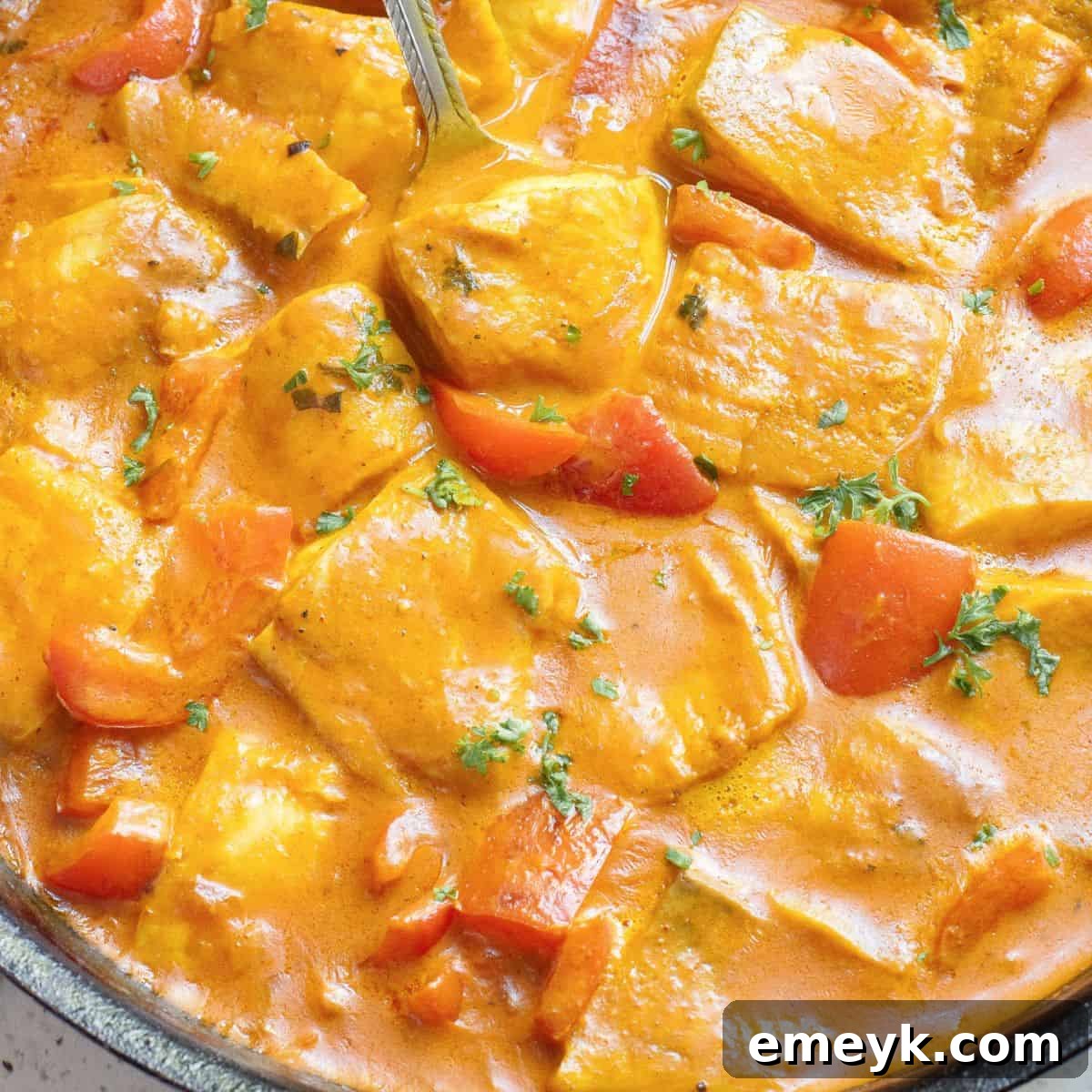
Coconut Fish Curry is a truly magnificent dish, celebrated for its vibrant flavors and incredible ease of preparation. This aromatic curry features tender, flaky fresh fish gently simmered in a luxurious, creamy coconut milk sauce, infused with the bold notes of red curry paste, a symphony of warm spices, and a medley of fresh, crisp vegetables. What makes this recipe an absolute game-changer for busy households? It comes together in just 15 minutes, making it the quintessential easy weeknight meal that never compromises on taste.

My journey to becoming a seafood enthusiast was quite unexpected. As a child, growing up with diverse culinary experiences, fish was simply not on my preferred list. I often reflect on the missed opportunities, especially recalling the years my family spent in Portland, Maine. The coastal charm and abundant fresh seafood meant my parents frequently indulged in everything from succulent lobster to delicate shrimp pasta and perfectly seared scallops. While they savored these oceanic delights, I often opted for something else, oblivious to the culinary treasures I was bypassing.
It wasn’t until adulthood that my palate truly opened up to the wonders of fish, particularly when it was enveloped in a rich, flavorful sauce. Today’s Coconut Fish Curry recipe stands as a testament to this transformation. The harmonious blend of warm, earthy spices like turmeric, coriander, and cumin, combined with the pungent kick of red curry paste and the inherent sweetness of coconut milk, creates an unparalleled sauce. This exquisite base perfectly complements the mild, delicate flavor of white fish, elevating it to something truly extraordinary. One of the most compelling aspects of this dish is its remarkable speed – from start to finish, you’re looking at about 15 minutes. It’s a lightning-fast solution for dinner, offering gourmet flavors with minimal effort. What’s more, the magic doesn’t end after the first serving; I find that the leftovers are often even more delicious on the second or third day, as all the exquisite flavors deepen and meld together beautifully. If you appreciate the delightful combination of coconut milk and curry paste, you absolutely must try this slow cooker coconut curry chicken for another effortless weeknight dinner.
If you’re eager to explore more vibrant curry dishes, I highly recommend my other favorites, each offering a unique flavor journey: Thai Shrimp Curry, Sweet Potato Lentil Curry, Easy Green Curry Chicken, Thai Vegetable Green Curry, and Pumpkin Curry. Each recipe promises a delightful experience for your taste buds.
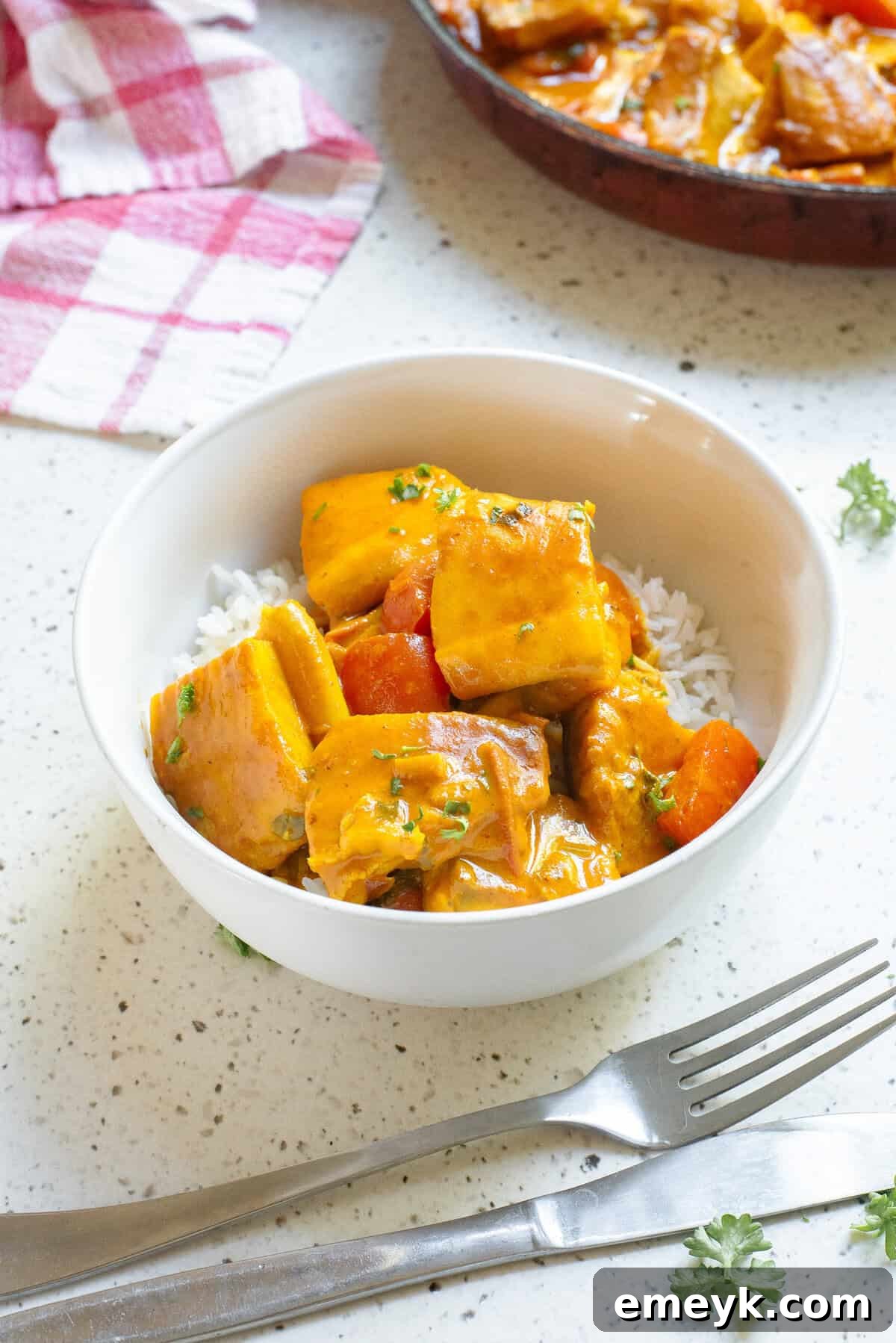
Why This Coconut Fish Curry is a Must-Try

This Coconut Fish Curry is more than just a meal; it’s a culinary triumph packed with layers of exquisite flavor and practical benefits. Here’s why this recipe deserves a permanent spot in your weekly rotation:
- Effortlessly Simple & Lightning Fast: This is arguably one of the most straightforward and rapid curries you’ll ever make. The entire process, from initial prep to final cook, can be accomplished in a mere 15 minutes. This incredible speed makes it the ultimate solution for a delicious and wholesome family dinner on even the busiest weeknights. Say goodbye to lengthy cooking sessions and hello to more quality time.
- Superior Make-Ahead Potential: Unlike many dishes that lose their charm over time, this fish curry truly shines with age. It’s an excellent candidate for meal prep; you can easily cook it earlier in the day or even the day before, allowing the flavors to deepen and meld further. Simply reheat when you’re ready to eat, and you’ll discover that, like most curries, the leftovers often taste even better, offering a richer and more cohesive flavor profile.
- Perfect for Entertaining & Meal Prepping in Bulk: Planning a dinner party or feeding a larger family? This recipe is incredibly adaptable and can be easily doubled or even tripled to serve a crowd without increasing the cooking time proportionally. Its robust flavors and comforting nature make it a surefire hit with guests. Plus, if you double the recipe, you’ll have delicious leftovers to enjoy throughout the week, making your meal planning a breeze.
- A Symphony of Flavors: This curry boasts a perfectly balanced flavor profile – the creamy sweetness of coconut milk, the pungent warmth of red curry paste, the zesty brightness of lime, and the earthy depth of carefully selected spices. Every spoonful offers a delightful interplay of tastes that will tantalize your palate.
- Healthy and Wholesome: Beyond its deliciousness, this curry is a nutritional powerhouse. It features lean protein from the fish, essential vitamins and antioxidants from fresh vegetables, and healthy fats from full-fat coconut milk. It’s a meal that nourishes both body and soul without feeling heavy.
- Versatile and Adaptable: The beauty of this recipe lies in its flexibility. Easily swap out the fish for other proteins, introduce different vegetables based on seasonality or preference, and adjust the spice level to suit everyone’s taste. It’s a blueprint for countless delicious variations.

Essential Ingredients for Your Creamy Coconut Fish Curry
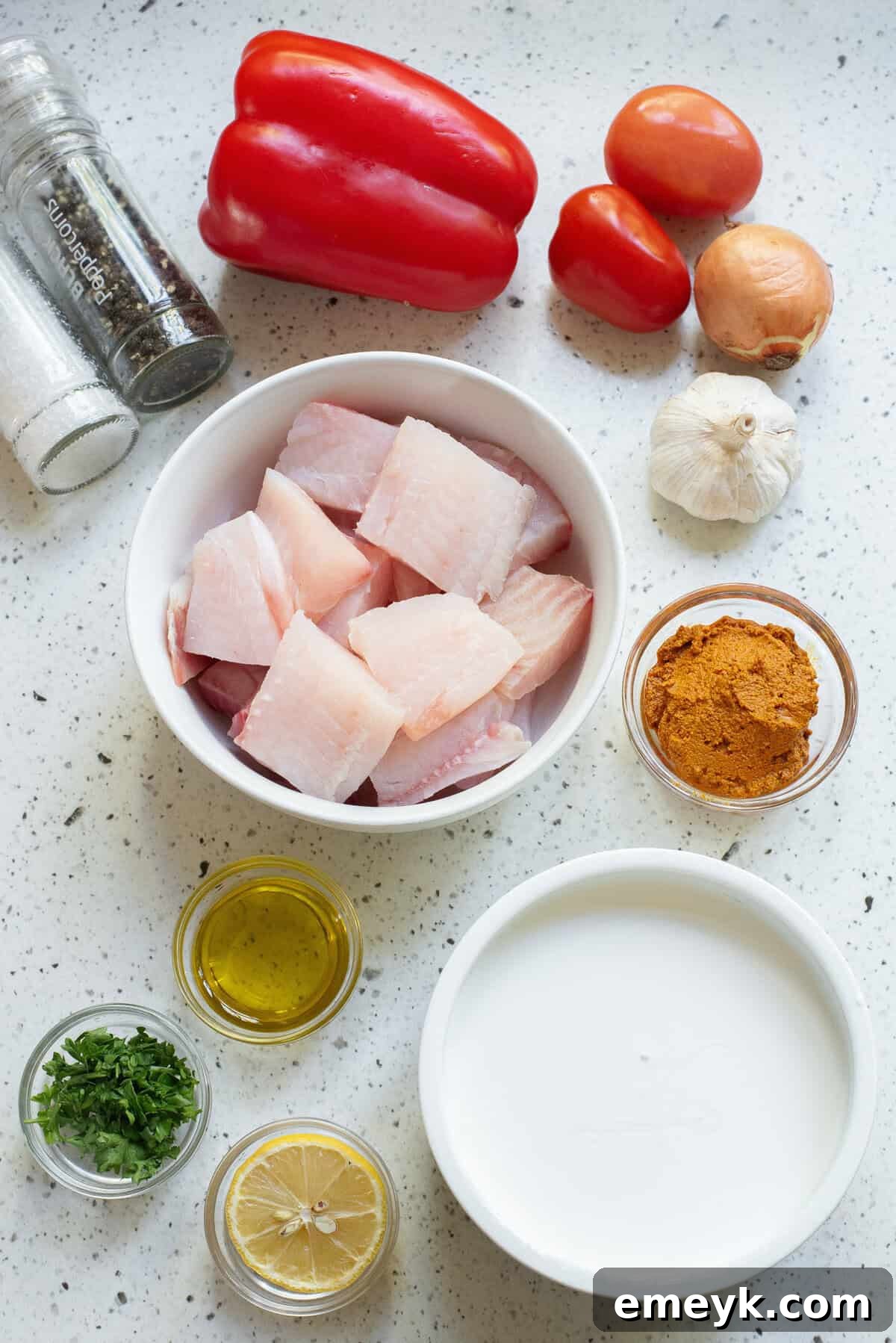
Crafting this incredible Coconut Fish Curry begins with selecting fresh, high-quality ingredients. Each component plays a vital role in building the dish’s complex and satisfying flavor profile. Here’s a closer look at what you’ll need, along with some tips for selection and potential substitutions. For precise measurements and step-by-step instructions, be sure to consult the printable recipe card below.
- Fish – The star of our curry! I highly recommend using a light, firm white fish fillet for this recipe. Excellent choices include fresh tilapia, cod, or even halibut or snapper. These varieties cook quickly and absorb the rich flavors of the curry sauce beautifully, resulting in tender, flaky pieces. If using frozen fish, ensure it’s fully thawed and patted dry to prevent excess water from thinning the sauce. If you enjoy simple white fish preparations, you might also like this Air Fryer Tilapia or Easy Blackened Fish.
- Fresh Vegetables – A vibrant mix forms the aromatic foundation of our curry. This recipe features thinly sliced onion, which provides a sweet and pungent base; a large red bell pepper, adding sweetness and a lovely crunch; and fresh cherry tomatoes or diced fresh regular tomatoes for a burst of juicy acidity. If fresh tomatoes aren’t available or in season, a cup of good quality canned diced tomatoes can be a convenient and effective substitute, adding depth to the sauce.
- Fresh Cilantro – This aromatic herb is absolutely crucial for infusing the curry sauce with its distinctive fresh, bright, and slightly peppery notes. I incorporate a generous amount into the sauce itself and then sprinkle extra as a garnish just before serving. While some people have a genetic aversion to cilantro, for those who love it, it’s an indispensable element that elevates the dish.
- Thai Red Curry Paste – This concentrated paste is where much of the curry’s signature flavor and warmth originate. I specifically use Thai red curry paste for its balanced heat and rich blend of chilies, lemongrass, galangal, and other spices. The quality of your curry paste can significantly impact the final taste, so opt for a reputable brand.
- Ground Spices – A quartet of essential ground spices creates the aromatic depth of this curry:
- Turmeric: lending its beautiful golden hue and earthy warmth.
- Ground Coriander: contributing a bright, citrusy, and slightly sweet aroma.
- Ground Cumin: adding a warm, earthy, and nutty flavor that grounds the spice blend.
- Freshly Grated Ginger: For unparalleled aroma and a pungent, spicy kick, fresh ginger is highly recommended. It adds a layer of bright, zesty warmth. If fresh ginger is truly unavailable, pureed ginger from a tube or even 1/2 teaspoon of ground ginger can be used, though the fresh flavor will be more pronounced.
- Creamy Coconut Milk – The backbone of our rich and creamy sauce. I always reach for a can of full-fat coconut milk. Its higher fat content provides a lusciously thick texture and a decadent mouthfeel that light coconut milk simply can’t replicate. It imparts a natural sweetness and binds all the flavors together beautifully.
- Fresh Lemon Juice – A final squeeze of fresh lemon juice is added at the end to brighten the entire dish. Its acidity cuts through the richness of the coconut milk and enhances all the other flavors, giving the curry a lively, fresh finish.

Mastering This Thai Coconut Fish Curry: Step-by-Step Guide
Creating this flavorful Thai Coconut Fish Curry is surprisingly simple, even for novice cooks. Follow these straightforward steps to achieve a perfectly balanced and incredibly satisfying meal. The key is efficient prep and mindful cooking to ensure every ingredient shines.
Step 1. Prepare Your Fish
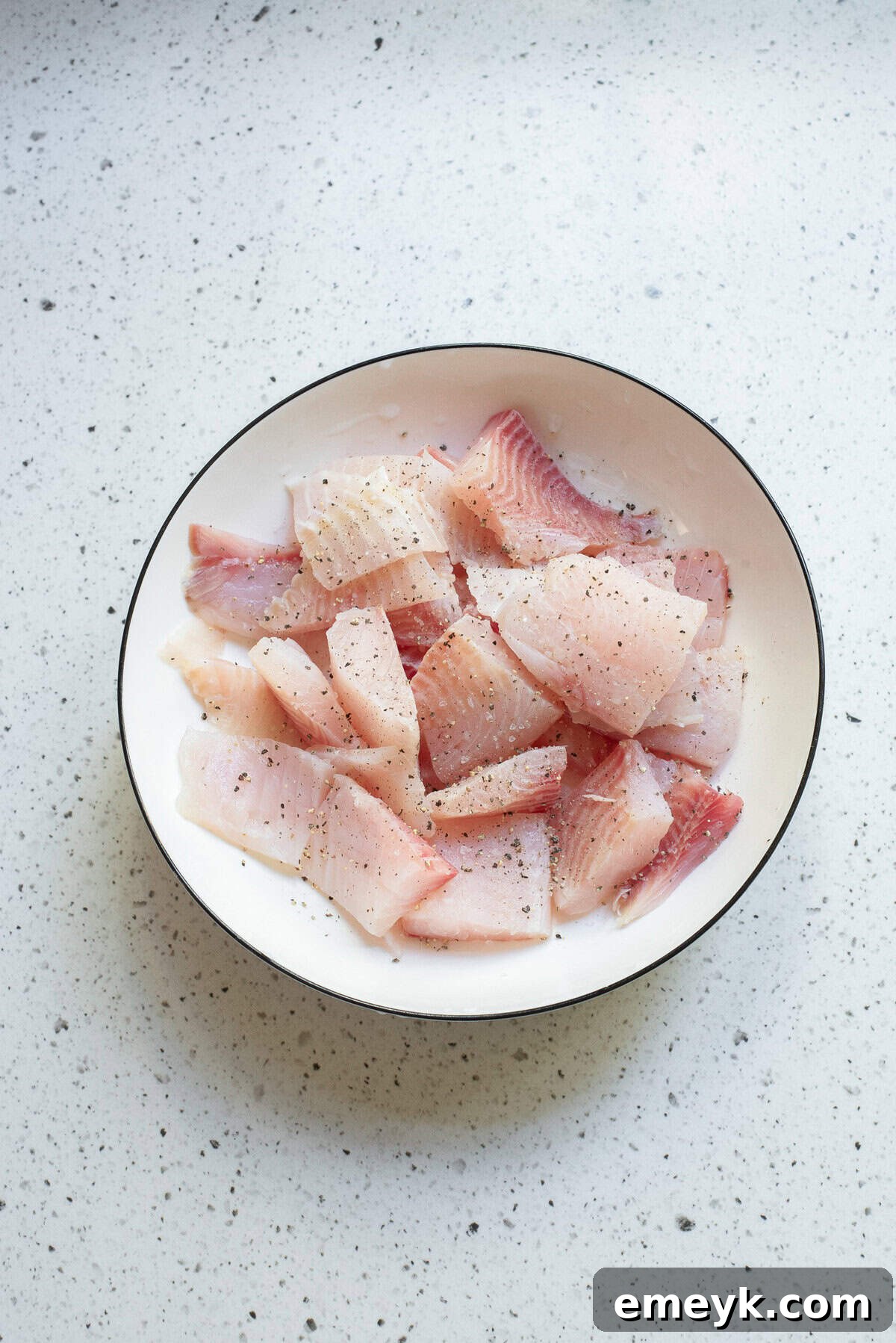
Begin by taking your chosen fish fillets and cutting them into manageable 2-inch pieces. This size ensures that the fish cooks quickly and evenly, and each piece gets thoroughly coated in the delicious curry sauce. Once cut, gently season the fish pieces all over with 1/2 teaspoon of salt and 1/8 teaspoon of black pepper. Don’t overdo the seasoning here, as the curry paste and other spices will add plenty of flavor. Set the seasoned fish aside while you prepare the aromatic base of your curry.
Step 2. Sauté the Aromatic Vegetables
Heat a large skillet or a sturdy pot over medium-low heat. Add 2 tablespoons of olive oil to the pan. Once the oil is shimmering, add the thinly sliced onion, minced garlic, and large chunks of red bell pepper. Sauté these vegetables for approximately 2 minutes, stirring occasionally. The goal here is to soften them slightly and allow their natural sweetness to develop, not to brown them intensely. This gentle sauté forms the aromatic foundation of your curry.
Step 3. Incorporate the Tomatoes and Cilantro

Next, add the diced tomatoes (fresh or canned) and 2 tablespoons of chopped cilantro to the sautéed vegetables. Continue to cook for another 3 minutes, stirring occasionally. The tomatoes will begin to break down, releasing their juices and adding a lovely tang and richness to the base, while the cilantro starts to infuse its fresh, herbaceous aroma throughout the mixture.
Step 4. Build the Flavorful Curry Sauce
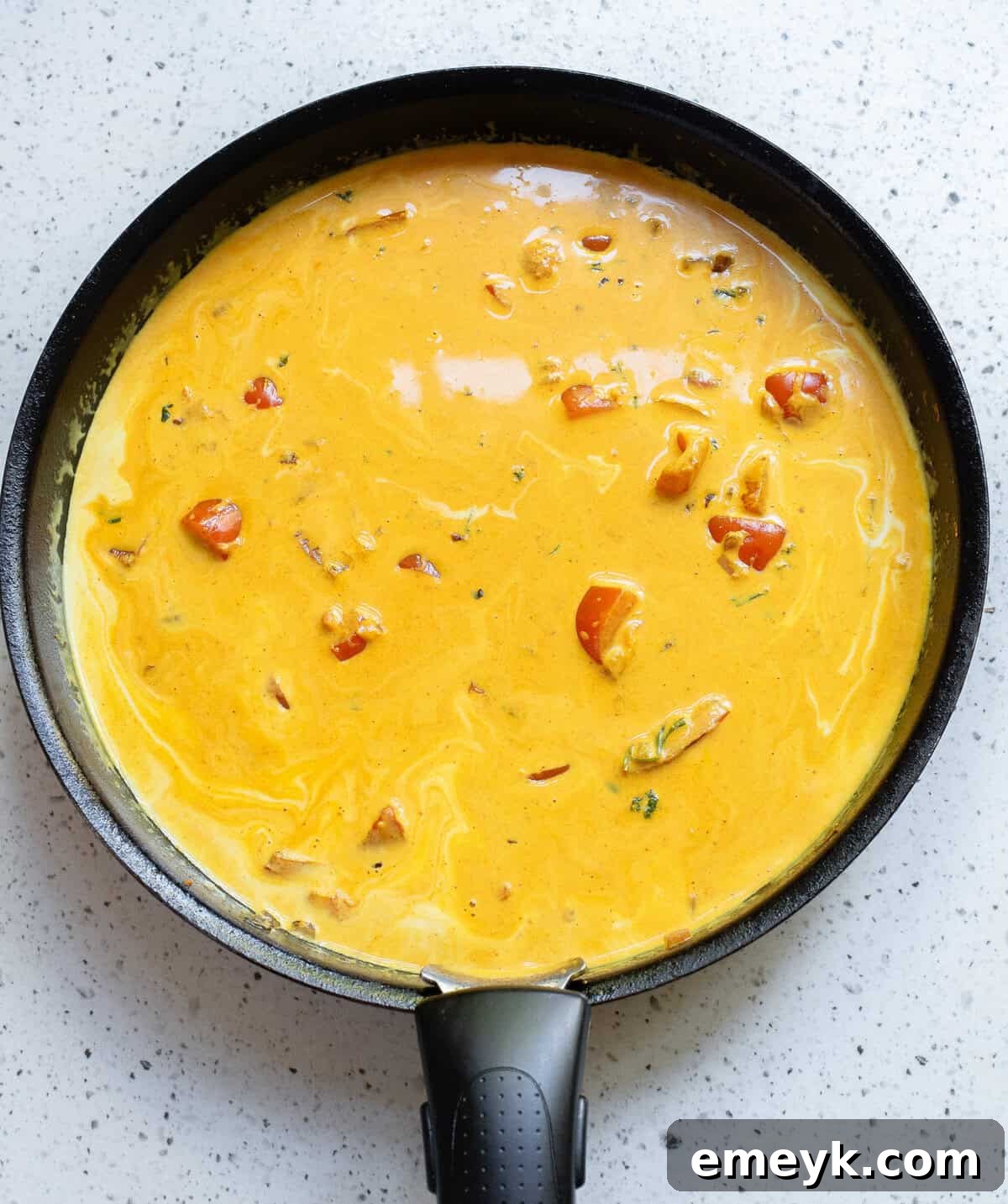
Now, it’s time to create the heart of the curry. Stir in the 3 tablespoons of Thai red curry paste, 1/2 teaspoon of turmeric powder, 1 teaspoon of ground coriander, 1 teaspoon of ground cumin, 2 tablespoons of freshly grated ginger, the juice of 1/2 a lemon, and finally, the entire 15-ounce can of full-fat coconut milk. Stir everything together thoroughly until the curry paste is fully dissolved and all the spices are evenly distributed. Bring the mixture to a gentle simmer, allowing the flavors to marry and the sauce to thicken slightly. Maintain a low simmer; do not bring it to a rolling boil.
Step 5. Cook the Fish to Perfection
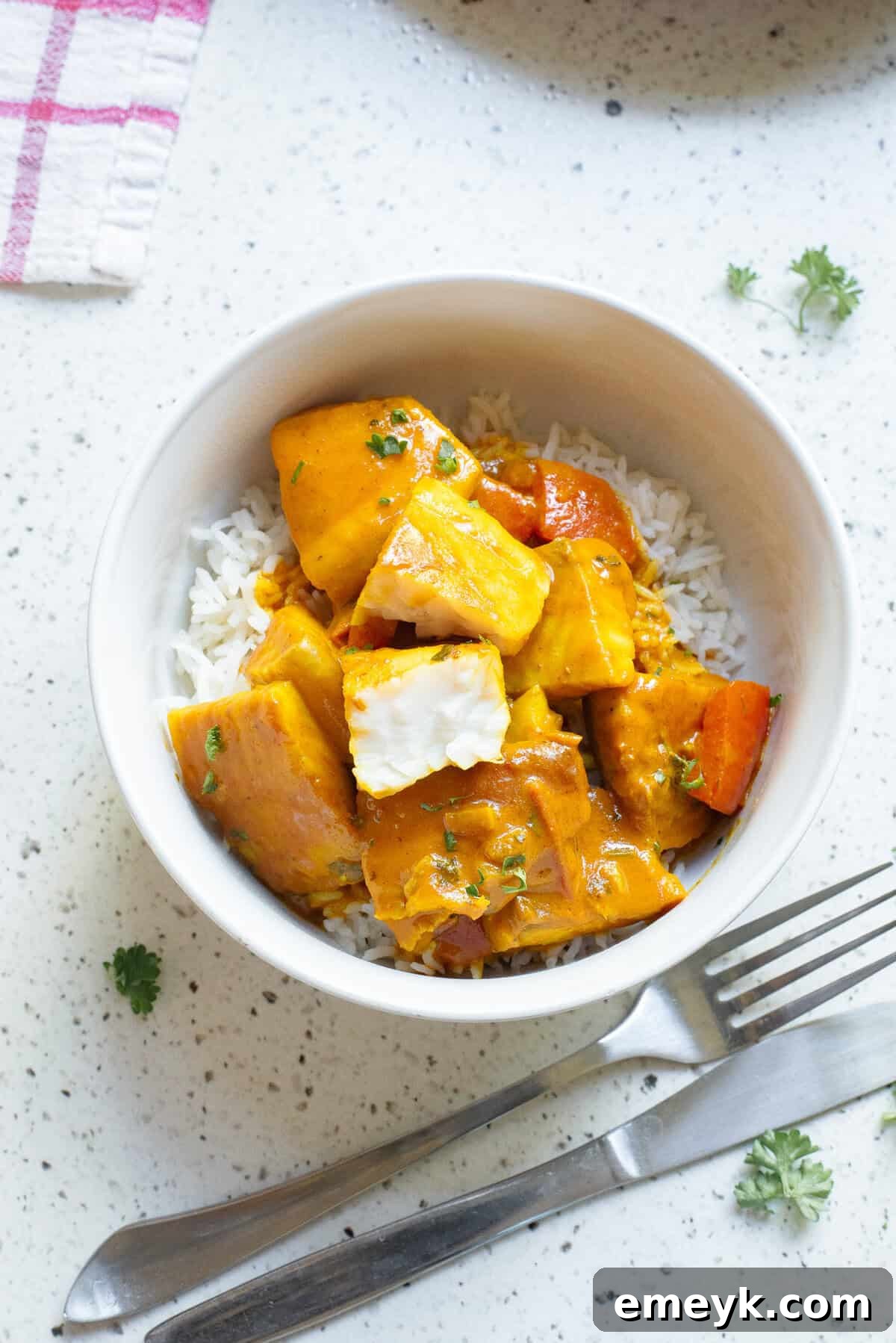
Once the curry sauce is gently simmering, carefully add the seasoned fish pieces into the pan, submerging them in the sauce. Cover the pan with a lid and allow the fish to cook for just 5 minutes. The delicate nature of white fish means it cooks very quickly, and overcooking can result in dry, rubbery texture. After 5 minutes, the fish should be opaque and flaky. Remove the pan from the heat immediately to prevent further cooking.
Step 6. Garnish and Serve Your Masterpiece
Before serving, garnish your fragrant Coconut Fish Curry with an additional sprinkle of fresh chopped cilantro. This adds a burst of freshness and a beautiful pop of color. Serve the curry piping hot, ideally alongside fluffy white rice to soak up every last drop of the luscious sauce. For a lighter accompaniment, consider pairing it with a fresh salad like this Lebanese Fattoush Salad or this delightful Mediterranean Cucumber Salad.
Recipe Modifications for Your Easy Fish Curry

One of the many joys of this Coconut Fish Curry recipe is its incredible adaptability. Feel free to experiment with different ingredients and adjust it to your personal preferences or what you have on hand. Here are some fantastic ways to modify your curry:
- Fish Varieties & Other Proteins: While white fish fillets like tilapia or cod are excellent choices for their delicate flavor and quick cooking time, you are by no means limited. For a richer flavor, try salmon fillets; adjust cooking time slightly, as salmon can take a minute or two longer. Shrimp is another fantastic option – add it towards the end, and cook until pink and opaque, usually just 2-3 minutes. For a vegetarian twist, consider firm tofu, cut into cubes and pan-fried separately before adding to the curry, or chickpeas for added protein.
- Thai Curry Paste Choices: I’ve opted for Thai red curry paste due to its balanced heat and depth of flavor. However, if you prefer a different profile, feel free to swap it for Thai green curry paste (typically spicier and brighter) or yellow curry paste (milder and often with a hint of sweetness). Each paste will lend a unique character to your curry, so don’t hesitate to experiment to find your favorite!
- Spice Exploration: The base spices of turmeric, coriander, and cumin create a warm foundation. But your spice rack offers a world of possibilities! Consider adding a pinch of red chili powder for extra heat, a touch of smoked paprika for a subtle smoky flavor, or even a teaspoon of your favorite curry powder blend for added complexity. Experimenting with spices allows you to tailor the curry to your taste.
- Vegetable Boosters: The current recipe features onion, red bell pepper, and tomatoes, which provide a fantastic base. To increase the nutritional value and textural variety, integrate other vegetables. Sliced mushrooms, tender broccoli florets, cubed eggplant, crisp bok choy, thinly sliced carrots, zucchini, or green beans all make excellent additions. Add harder vegetables like carrots or broccoli earlier in the sautéing process to ensure they cook through, while softer greens like spinach or bok choy can be stirred in during the last few minutes of simmering.
- Coconut Milk Consistency: This recipe calls for full-fat coconut milk to achieve its characteristic creamy texture and rich flavor. If you’re looking to reduce the calorie content, you can certainly use light coconut milk. Just be aware that the curry will have a thinner consistency and a slightly less rich mouthfeel. If using light coconut milk, you might want to simmer the sauce a bit longer to reduce it slightly, or add a teaspoon of cornstarch mixed with water to thicken it if desired.
For those who love cod recipes, be sure to also check out my easy baked cod with lemon or my air fryer cod recipe for more delicious ways to enjoy this versatile fish.
Expert Tips for a Flawless Coconut Fish Curry
Achieving the perfect Coconut Fish Curry is easy when you keep a few key tips in mind. These insights will help you maximize flavor, ensure proper cooking, and adjust the dish to your preference, guaranteeing a delicious outcome every time.
- Mindful Vegetable Sautéing: This curry is designed to be light and aromatic, with fresh, distinct vegetable flavors. When sautéing your onions, garlic, and bell peppers, resist the urge to brown them extensively. A light sauté, just enough to soften them and bring out their natural sweetness, is ideal. This technique helps retain their fresh texture and prevents them from becoming mushy, ensuring they contribute a pleasant slight crispness to the finished dish.
- Precision in Fish Cooking: The delicate nature of white fish means it cooks incredibly quickly. Cooking times can vary slightly based on the thickness of your fish fillets. To avoid common pitfalls like dry, rubbery fish, be vigilant. Poach the fish in the simmering curry sauce only until it’s just cooked through – it should turn opaque and flake easily with a fork. As soon as it reaches this point, remove the pan from the heat. A minute too long can significantly impact the texture.
- Customizing the Chili Heat: The spice level of your curry is entirely in your hands, primarily controlled by the amount and type of Thai curry paste you use. If you adore a fiery curry, don’t hesitate to add an extra tablespoon or two of red curry paste. Conversely, for a milder rendition, reduce the amount. For those who enjoy an extra kick, consider incorporating finely chopped jalapeños or serrano peppers during the vegetable sauté, or stirring in a pinch of crushed red pepper flakes or cayenne pepper alongside the other ground spices. Always taste and adjust as you go!
- Balance of Flavors: After the curry has simmered and the fish is cooked, take a moment to taste and adjust the seasoning. Sometimes a little extra squeeze of lime juice can brighten the flavors, or a small pinch of salt can bring everything into harmony. The balance between sweet (coconut milk), savory (curry paste), tangy (tomatoes, lime), and spicy (chilies) is what makes this curry truly shine.
- Quality of Ingredients: While this recipe is forgiving, using fresh, high-quality ingredients will always yield the best results. Fresh ginger and garlic make a noticeable difference compared to their powdered counterparts. Opt for a good brand of full-fat coconut milk for the creamiest texture.
Smart Storage and Reheating for Convenience
This Coconut Fish Curry is fantastic for meal prepping and enjoying throughout the week. Proper storage and reheating techniques ensure that every bite is as delicious as the first.
- Storing Leftovers: Any leftover curry should be transferred to an airtight container and stored in the refrigerator. It will maintain its delicious flavor and quality for up to 5 days, making it an ideal candidate for packed lunches or quick dinners later in the week.
- Reheating for Optimal Taste: To reheat, gently transfer the desired portion of curry to a pot on the stovetop. Warm it over low to medium heat, stirring occasionally, until it is piping hot throughout. Be very careful not to overcook the fish during reheating, as it can quickly become dry. The goal is merely to warm it through. If the curry appears a bit too thick or dry after refrigeration, add a splash of broth (chicken or vegetable) or water to restore its creamy consistency.
- Freezing for Long-Term Enjoyment: This curry freezes beautifully! Once completely cooked and cooled to room temperature, spoon the curry into freezer-safe airtight containers or heavy-duty freezer bags. It can be stored in the freezer for up to 3 months. When you’re ready to enjoy it, transfer the frozen curry to the refrigerator overnight to defrost thoroughly. Then, reheat on the stovetop as described above, adding a little liquid if needed. This makes it an excellent option for quick, homemade meals whenever you need them.
More Delicious Seafood Recipes
Seafood
Black Sea Bass Recipe: Elegant & Easy
Mediterranean
Simple & Delicious Pan Fried Fish
Seafood
Crispy Air Fryer Cod (Ready in 15 Minutes!)
Seafood
The Best Baked Mediterranean Salmon Recipe
Tried this recipe? Leave a star rating and comment below! Subscribe to my newsletter or follow me on
Facebook,
Instagram, or
Pinterest for the latest.
Coconut Fish Curry

Ingredients
- 1 1/2 pounds white fish fillet, {like tilapia or cod}
- 1/2 teaspoon salt
- 1/8 teaspoon black pepper
- 2 tablespoons olive oil, divided
- 1 small onion, thinly sliced
- 2 cloves garlic, minced
- 1 large red bell pepper, cut into large chunks
- 2 large tomatoes, diced {or use 1 cup diced tomatoes}
- 2 tablespoons chopped cilantro, plus extra to garnish
- 3 tablespoons Thai curry paste
- 1/2 teaspoon turmeric
- 1 teaspoon ground coriander
- 1 teaspoon ground cumin
- 2 tablespoons freshly grated ginger, {or 1/2 teaspoon ground ginger}
- juice of 1/2 a lemon
- 15 ounce can coconut milk
Instructions
-
Cut the fish fillet into 2-inch pieces and season with salt and pepper. Set aside.
-
Heat a large pan with olive oil on medium-low heat. Add the onion, garlic, and red bell pepper and sauté for 2 minutes.
-
Add the diced tomatoes and cilantro. Cook for 3 minutes.
-
Stir in the curry paste, turmeric, coriander, cumin, ginger, coconut milk, and lemon juice. Bring to a gentle simmer.
-
When simmering, carefully add the fish. Cover the pan with a lid and cook for 5 minutes. Remove from the heat, garnish with more cilantro, and serve with rice.
Notes
- Sautéing the vegetables: This is a light and aromatic curry, so make sure not to brown the vegetables too much. Only give them a light sauté to keep their fresh flavor and ensure they stay slightly crisp, not mushy.
- Cooking the fish: Cooking times may vary depending on the thickness of the fish fillet. Be careful not to overcook the fish. Poach in the curry until just cooked through, then remove from the heat immediately.
- Adjusting the chili heat: The heat of this curry can be adjusted using the Thai curry paste. Add more if you prefer a spicy curry, or less if you like your curries on the milder side. You can also add chopped jalapeños, crushed red pepper, or cayenne red pepper for an extra kick.
- Leftovers: Leftover curry can be stored in an airtight container in the refrigerator for up to 5 days.
- Reheating: To reheat leftovers, place into a pot and warm up gently to piping hot on the stove, taking care not to overcook the fish – only warm it up. Add a splash of broth or water if the curry looks too dry.
- Freezing: Once cooked and cooled, place the curry into an airtight container and store in the freezer for up to 3 months. Defrost thoroughly in the refrigerator overnight and warm up on the stove when ready to enjoy.
Nutrition
Nutrition information is automatically calculated, so should only be used as an approximation.