
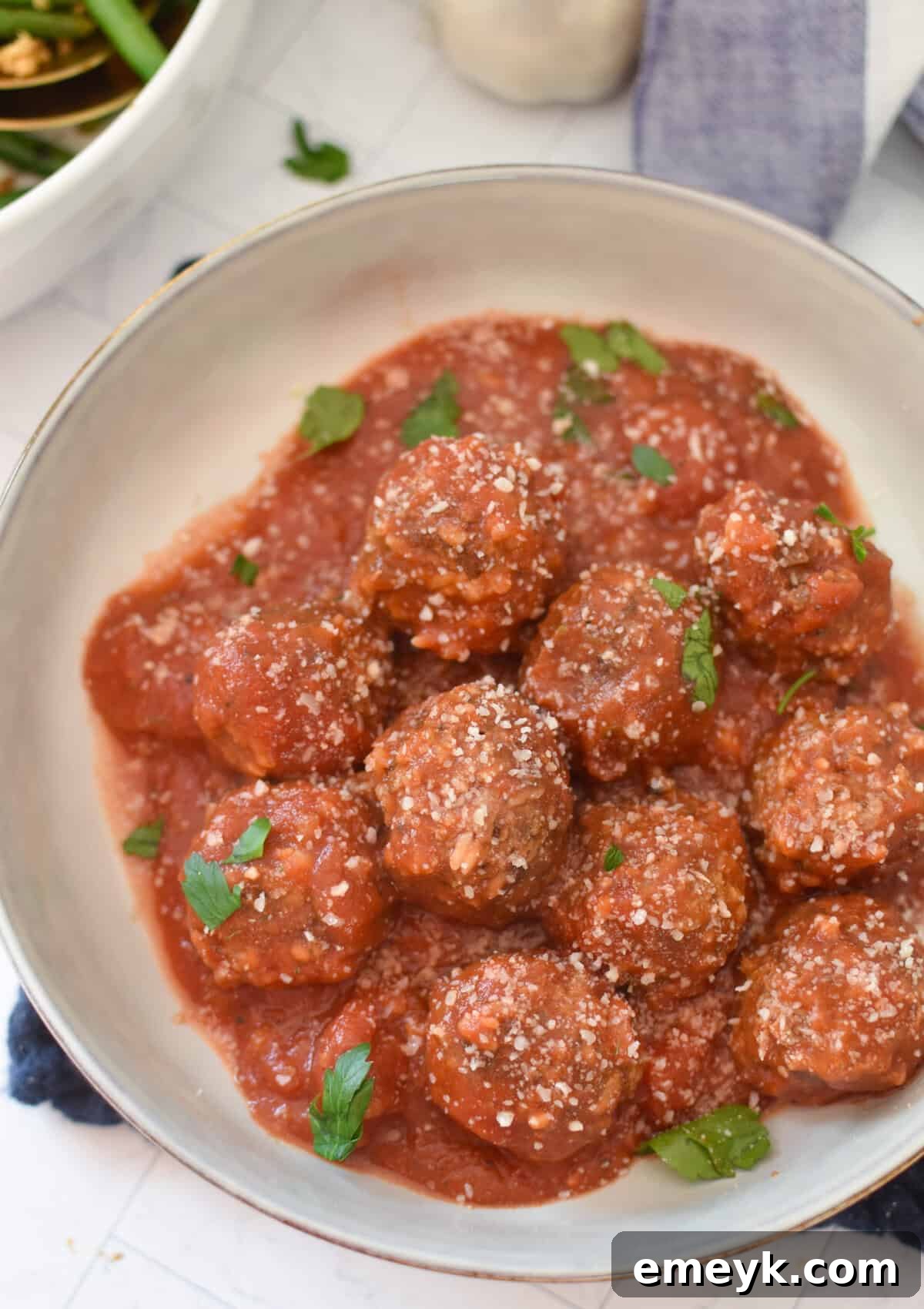
Porcupine Meatballs are a beloved nostalgic recipe that has graced dinner tables for generations. This hearty dish, famous for its distinctive appearance and comforting flavors, gained significant popularity during economically challenging times like the Great Depression and World War II. It was an ingenious and affordable way for families to stretch ingredients and provide a satisfying meal when resources were scarce. Combining ground beef with a blend of aromatic minced garlic and onion, a medley of savory spices, and uncooked white rice, these meatballs are then slow-cooked to perfection in a rich, flavorful tomato sauce. The magic happens as the rice absorbs the delicious sauce and expands, creating the unique “quill-like” texture that gives these meatballs their charming name. Perfectly paired with pasta, fluffy white rice, or even creamy mashed potatoes, Porcupine Meatballs offer a taste of history and homemade comfort that truly satisfies. Whether you’re seeking a budget-friendly weeknight dinner or a comforting meal-prep option, this classic recipe is sure to become a family favorite.
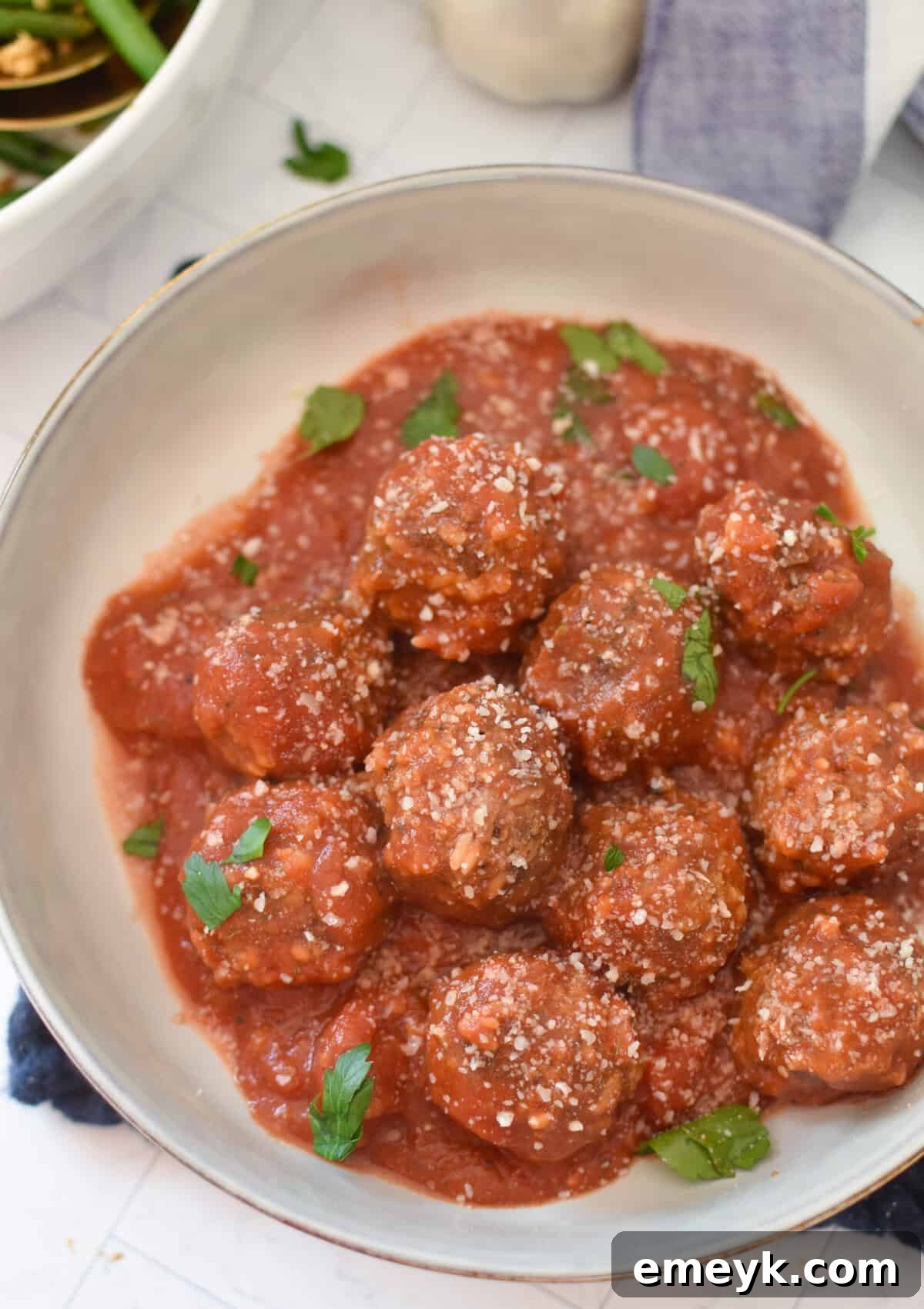
Porcupine Meatballs: A Classic Comfort Food Recipe
Have you ever heard of Porcupine Meatballs, or perhaps recall your mother or grandmother preparing this memorable dish? For many, Porcupine Meatballs evoke a sense of nostalgia, harkening back to an era when simple, wholesome, and economical meals were essential for families. Their rise to prominence during the Great Depression and World War II was no coincidence; they offered a practical solution for making ingredients go further during periods of scarcity.
While the preparation methods and accompanying side dishes may have evolved over the decades, the fundamental essence of Porcupine Meatballs remains unchanged: a deeply comforting, budget-friendly, and incredibly satisfying meal. This timeless dish ingeniously combines ground beef with uncooked white rice, a mix of aromatic spices, and finely minced garlic and onion. These ingredients are then lovingly simmered in a savory tomato sauce until the rice expands, creating the signature “porcupine quill” effect.
These versatile meatballs are not only perfect for immediate enjoyment but also excel as a make-ahead meal, freezing beautifully for future busy evenings. We particularly love serving them over a bed of steamy rice or al dente pasta, allowing the rich tomato sauce to coat every bite. Rest assured, you can feel confident and happy serving your family these protein-packed meatballs, knowing you’re providing a nutritious and delicious meal.
If you’re a fan of flavorful beef meatball recipes, you might also enjoy exploring my Beef Kafta Meatballs, the slow-cooked goodness of Slow Cooker Mediterranean Beef Meatballs, or the wholesome simplicity of these Mediterranean Baked Beef Meatballs.
Why You Will Love These Easy Porcupine Meatballs
There are countless reasons why this Porcupine Meatball recipe stands out as a household favorite. From its simplicity to its nutritional benefits, here’s why you’ll fall in love with this classic:
- Effortless Preparation: This recipe utilizes common, accessible ingredients that are likely already in your pantry. Ground beef provides an authentic source of high-quality protein, free from a long list of additives or excessive sodium—it’s just pure, flavorful beef. The straightforward steps make it an ideal choice for cooks of all skill levels, ensuring a delicious outcome every time.
- Nutritionally Rich and Protein-Packed: These meatballs are a powerhouse of protein, making them an excellent meal for active children and adults alike. A modest 3-ounce serving of lean beef offers a remarkable 10 essential nutrients within approximately 170 calories. This includes a substantial amount of high-quality protein, vital zinc, iron, and a full spectrum of B vitamins. Protein, iron, zinc, choline, and B-vitamins found in beef play a crucial role in supporting healthy growth and cognitive development in young children, laying a strong foundation for life.
- Freezer-Friendly and Perfect for Meal Prep: One of the greatest advantages of Porcupine Meatballs is their incredible freezer-friendliness. They are an absolute dream for make-ahead meals, allowing you to easily prepare a large batch and freeze portions for later. Having a stash of these delicious meatballs in your freezer is a game-changer for busy weeknights, offering a quick and wholesome dinner solution without compromising on flavor or nutrition.
- Versatile Serving Options: Whether you prefer them over classic spaghetti, alongside fluffy white rice, or even nestled with creamy mashed potatoes, these meatballs are incredibly versatile. Their rich tomato sauce pairs beautifully with a variety of side dishes, making them easy to adapt to your family’s preferences.
- A Taste of Nostalgia: For many, this recipe isn’t just food; it’s a trip down memory lane. It embodies the warmth and comfort of home-cooked meals from a simpler time, bringing families together around the dinner table.
What Are Porcupine Meatballs: History and Flavor Profile
Porcupine Meatballs are a true testament to American culinary ingenuity, representing a classic comfort food dish born from necessity and a desire for hearty, satisfying meals. At their core, they are made from ground beef, typically mixed with uncooked white rice (often long-grain varieties). The intriguing name “porcupine” isn’t just a whimsical label; it describes the unique visual characteristic of the dish. During the cooking process, as the meatballs simmer in their savory sauce, the uncooked rice grains absorb moisture and expand, poking out from the surface of the meatballs, creating a texture reminiscent of a porcupine’s quills.
The popularity of Porcupine Meatballs surged dramatically in the early to mid-20th century, particularly finding their footing during challenging economic periods. They became a staple during the Great Depression and World War II, times when families faced immense pressure to make their food budgets stretch as far as possible. Ground beef, being more economical than larger cuts of meat, was a go-to protein source. The clever addition of uncooked rice to the meat mixture significantly extended the volume and caloric density of the meal, transforming a modest amount of meat into a more substantial and filling dish.
Beyond their practical benefits, the dish’s inherent simplicity contributed greatly to its widespread appeal. Requiring only readily available ingredients—ground meat, a few basic spices, white rice, and a tomato-based sauce—it was an affordable, straightforward, and incredibly easy meal to prepare. This combination of economy, ease, and comforting flavor cemented Porcupine Meatballs as a beloved fixture in many households, a tradition that continues to be cherished today.
Essential Recipe Ingredients for Perfect Porcupine Meatballs
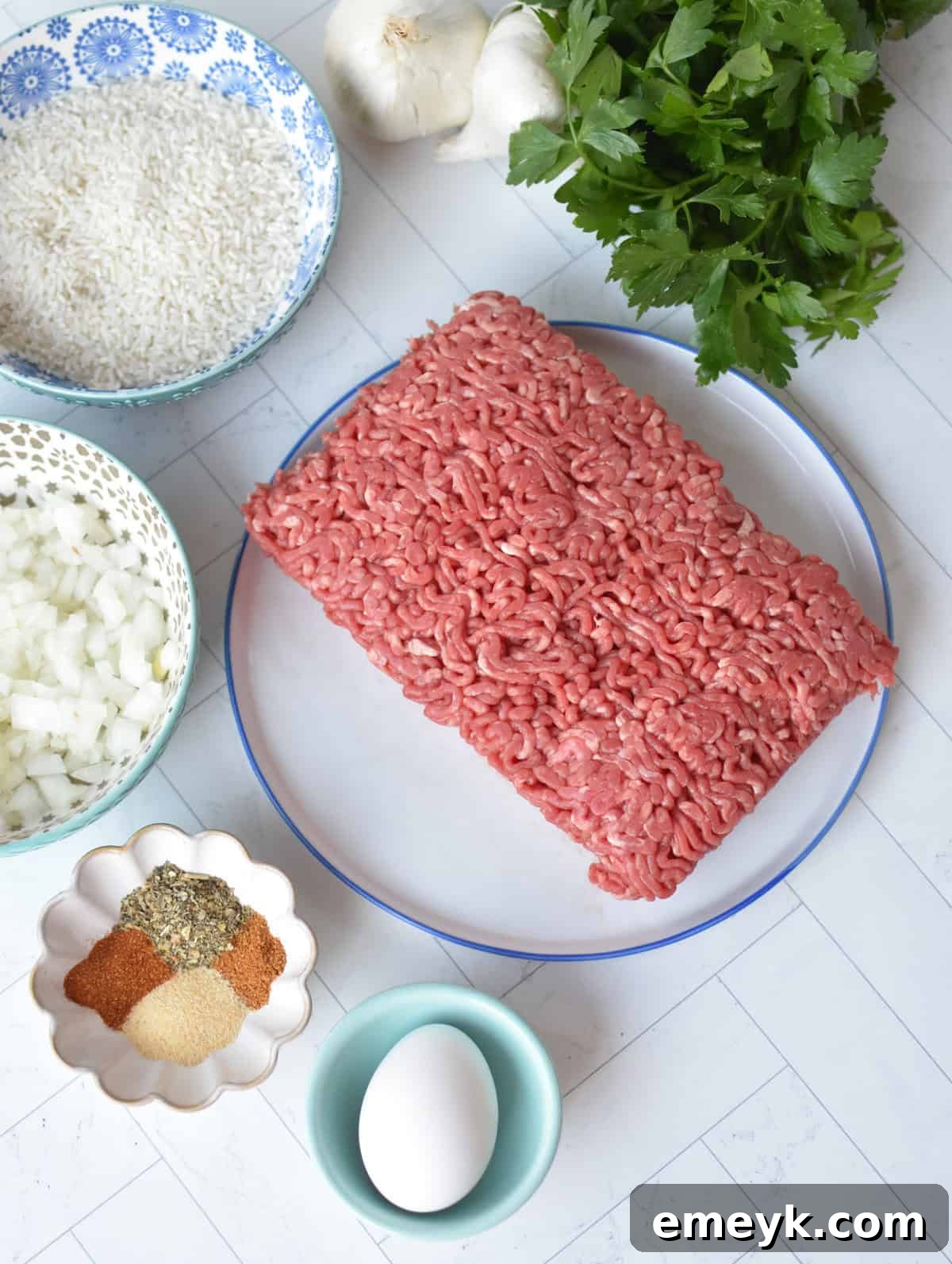
Crafting delicious Porcupine Meatballs begins with selecting the right ingredients. Here’s a closer look at what you’ll need and some tips for the best results:
- Ground Beef: For the most flavorful and succulent meatballs, I highly recommend using 80/20 ground beef. The slightly higher fat content contributes significantly to the richness and moisture of the finished meatballs. However, any variety of ground beef will work perfectly fine if you have another type on hand or prefer a leaner option.
- Spices: This recipe utilizes a classic blend of Italian seasoning, onion powder, garlic powder, and paprika, which impart a wonderfully balanced and aromatic flavor profile. Feel free to customize this blend to your liking; a pinch of cayenne red pepper can add a subtle kick, while dried oregano or dried basil can further enhance the Italian notes.
- Rice: The choice of rice is crucial for the signature “porcupine” texture. I specifically recommend using Minute White Rice (instant rice) because it cooks thoroughly and consistently within the meatballs. Regular long-grain white rice often remains a bit crunchy, even after extended cooking, which can detract from the texture of the dish.
- Onion & Garlic: These aromatic staples are key to building depth of flavor. Ensure both the onion (such as a sweet onion) and garlic cloves are very finely minced. This is important not only for even flavor distribution but also to prevent larger pieces from causing the meatballs to crumble during cooking. For a slight variation, you could substitute red onion or shallots.
- Egg: A large egg acts as a vital binding agent in the meatball mixture. It helps hold everything together, ensuring your meatballs maintain their shape and don’t fall apart while simmering in the sauce.
For the Rich Tomato Sauce:
- Tomato Sauce: The foundation of our flavorful sauce is canned tomato sauce. For convenience, you can use store-bought varieties, or if you have a favorite homemade tomato sauce on hand, that would be an excellent substitution for an even fresher taste.
- Diced Tomatoes: I enjoy the textural contrast and burst of freshness that diced tomatoes add to the sauce. If you prefer a smoother sauce without chunks, simply substitute this with an additional can of tomato sauce.
- Italian Seasoning: A touch of Italian seasoning in the sauce complements the flavors in the meatballs, bringing all the elements of the dish into harmonious balance. Two bay leaves also add a subtle layer of aromatic complexity to the sauce as it slowly cooks.
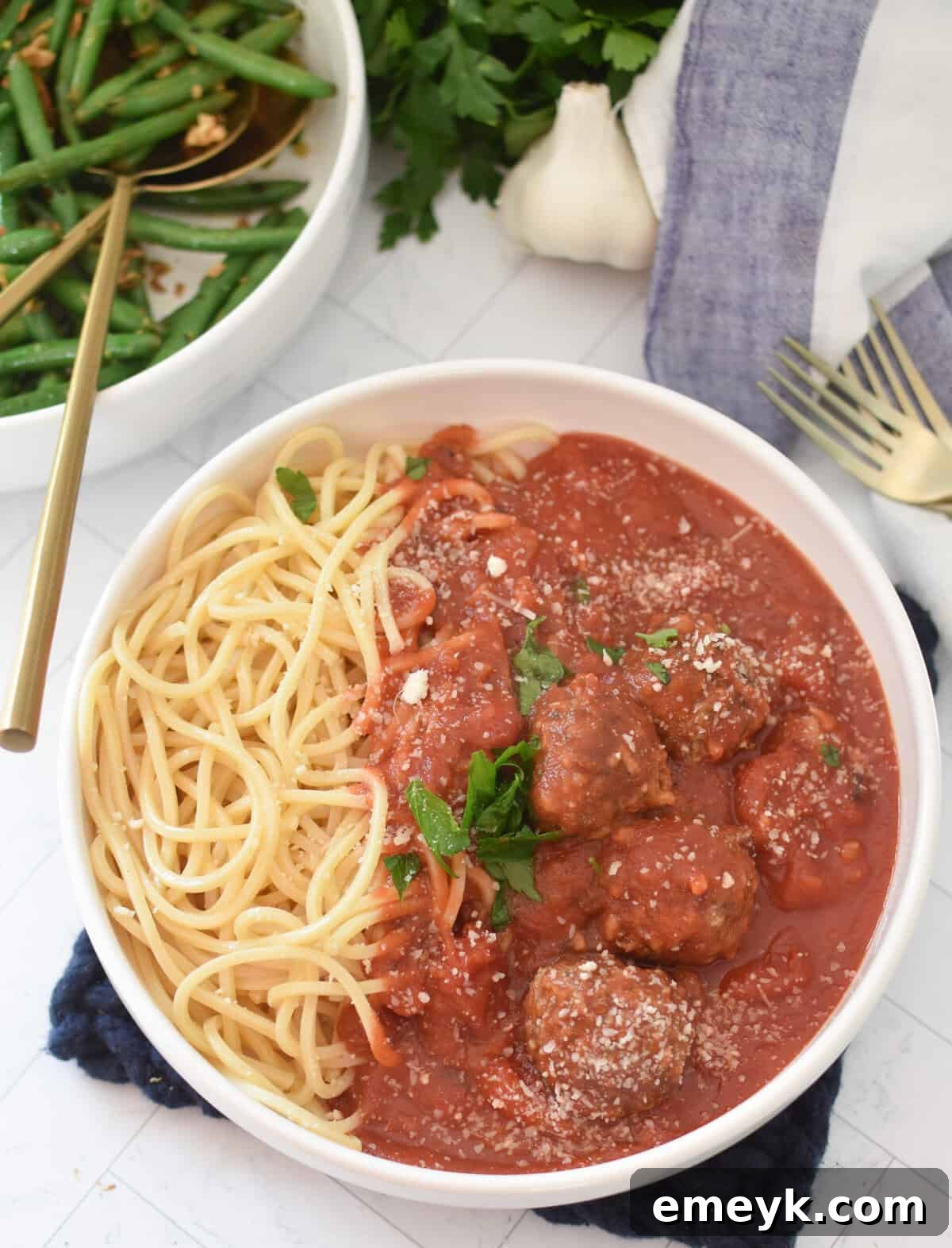
How to Make Porcupine Meatballs in Your Slow Cooker
The slow cooker method is ideal for those busy days when you want a delicious meal waiting for you. Here’s how to achieve tender, flavorful Porcupine Meatballs with minimal effort:
1. Prepare the Meatball Mixture: In a large mixing bowl, combine the ground beef, Italian seasoning, onion powder, garlic powder, paprika, salt, pepper, uncooked Minute White Rice, finely minced onion, finely minced garlic, and the large egg. Using your hands, mix all the ingredients thoroughly until just combined. Be careful not to overmix, as this can lead to tough meatballs. Once mixed, gently shape the mixture into approximately 20-22 meatballs, each about two tablespoons in size. Place the formed meatballs on a plate as you go.
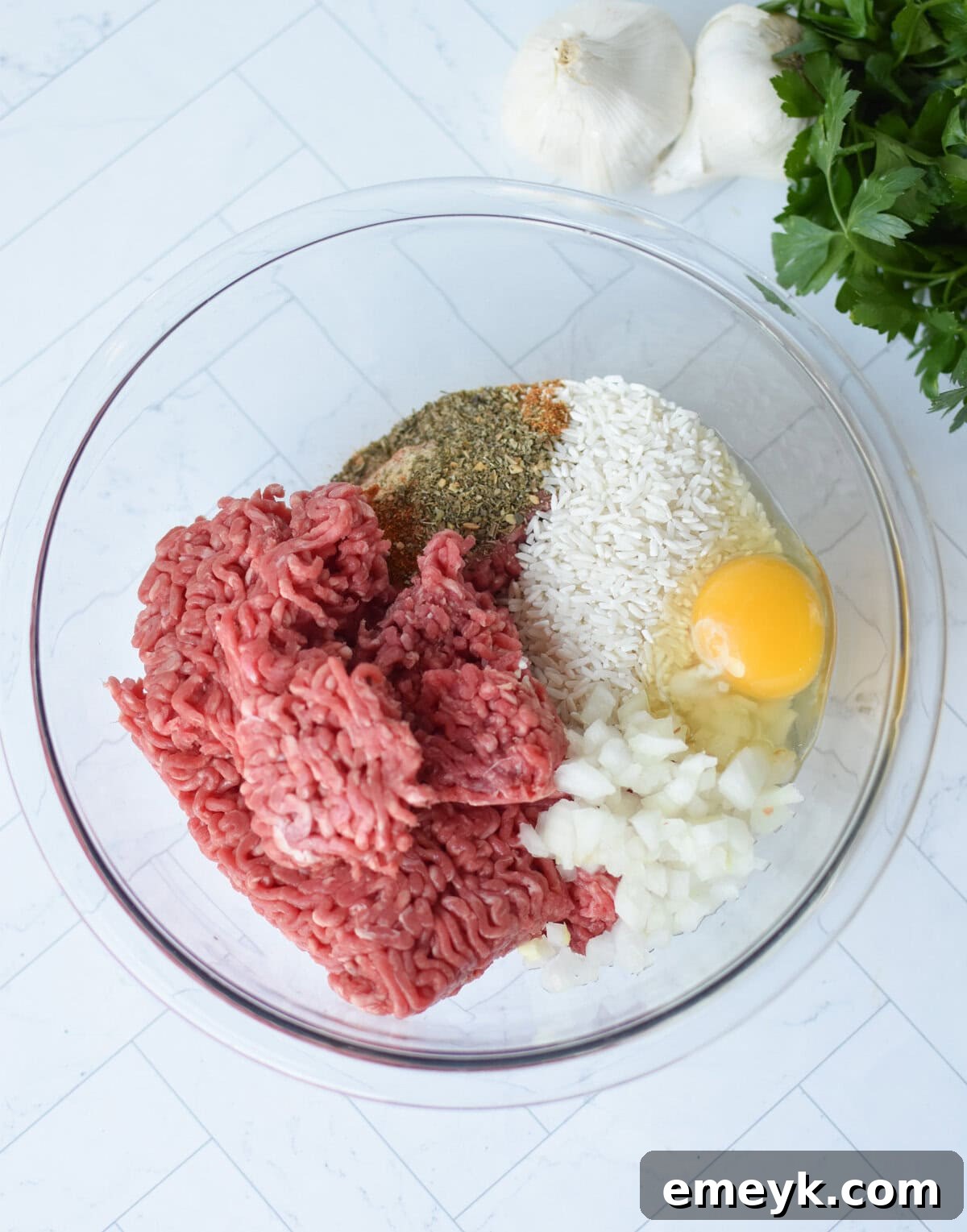
2. Briefly Brown the Meatballs (Optional but Recommended): In a large skillet, heat 2 tablespoons of olive oil over medium heat. Carefully add the meatballs to the skillet, working in batches if necessary to avoid overcrowding. Brown the meatballs for about 5 minutes on one side, then gently flip them and cook for another 5 minutes on the other side. This browning step is optional but helps to seal in the juices, develop a richer flavor, and create a more appealing texture. Once browned, transfer the meatballs to your slow cooker.
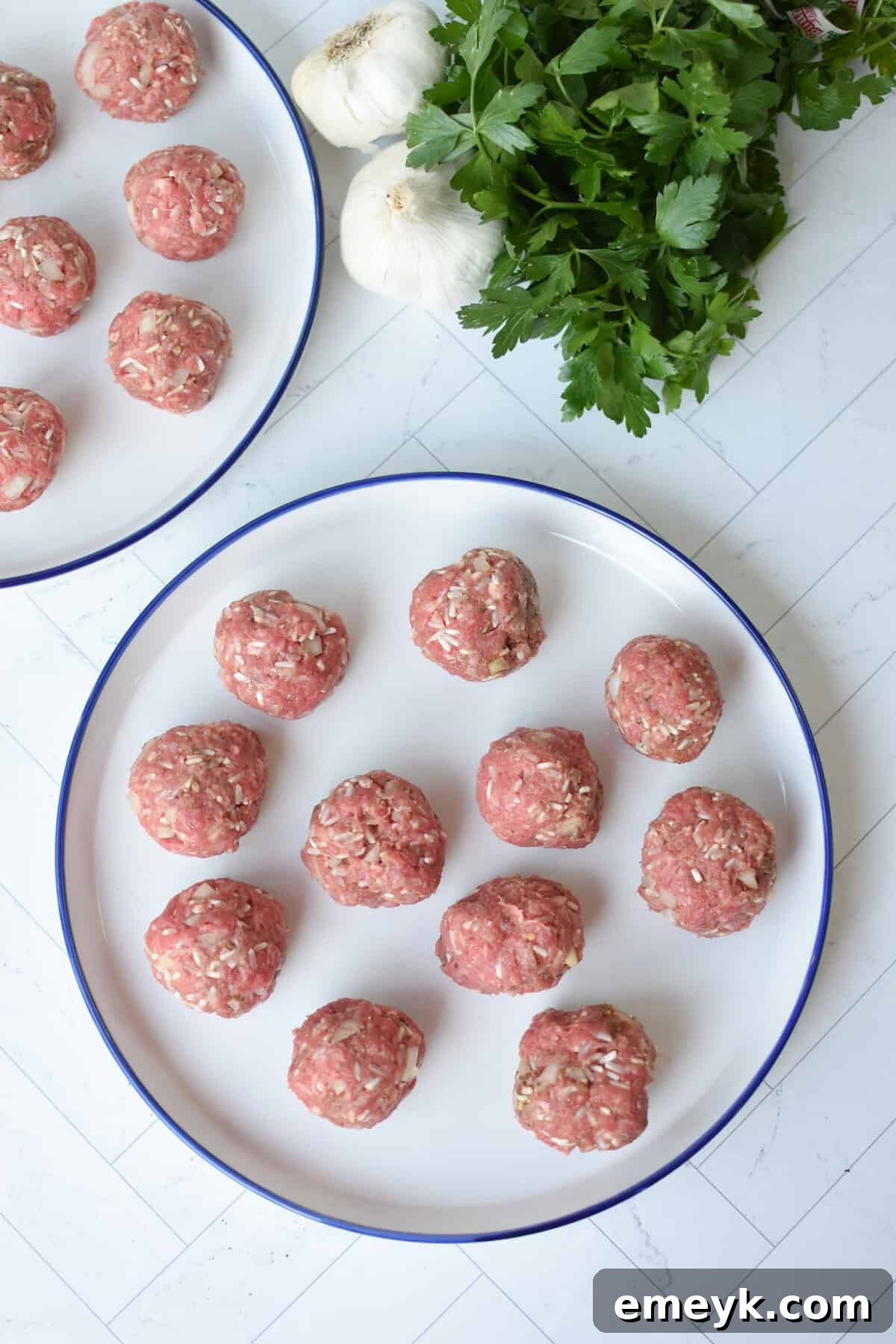
3. Transfer to Slow Cooker: Once all the meatballs are lightly browned, carefully place them into the insert of your slow cooker, arranging them in a single layer if possible, or stacking them gently.
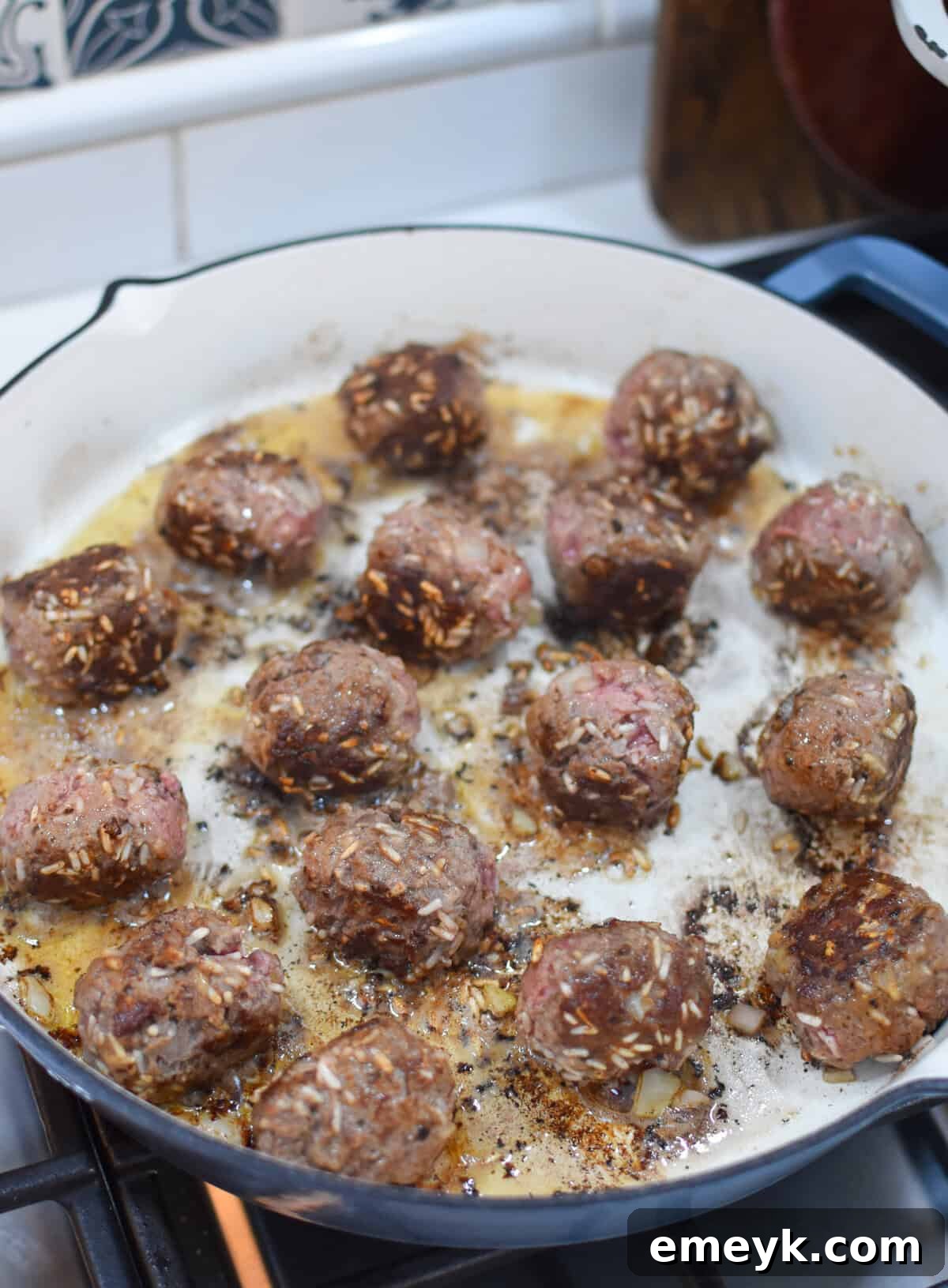
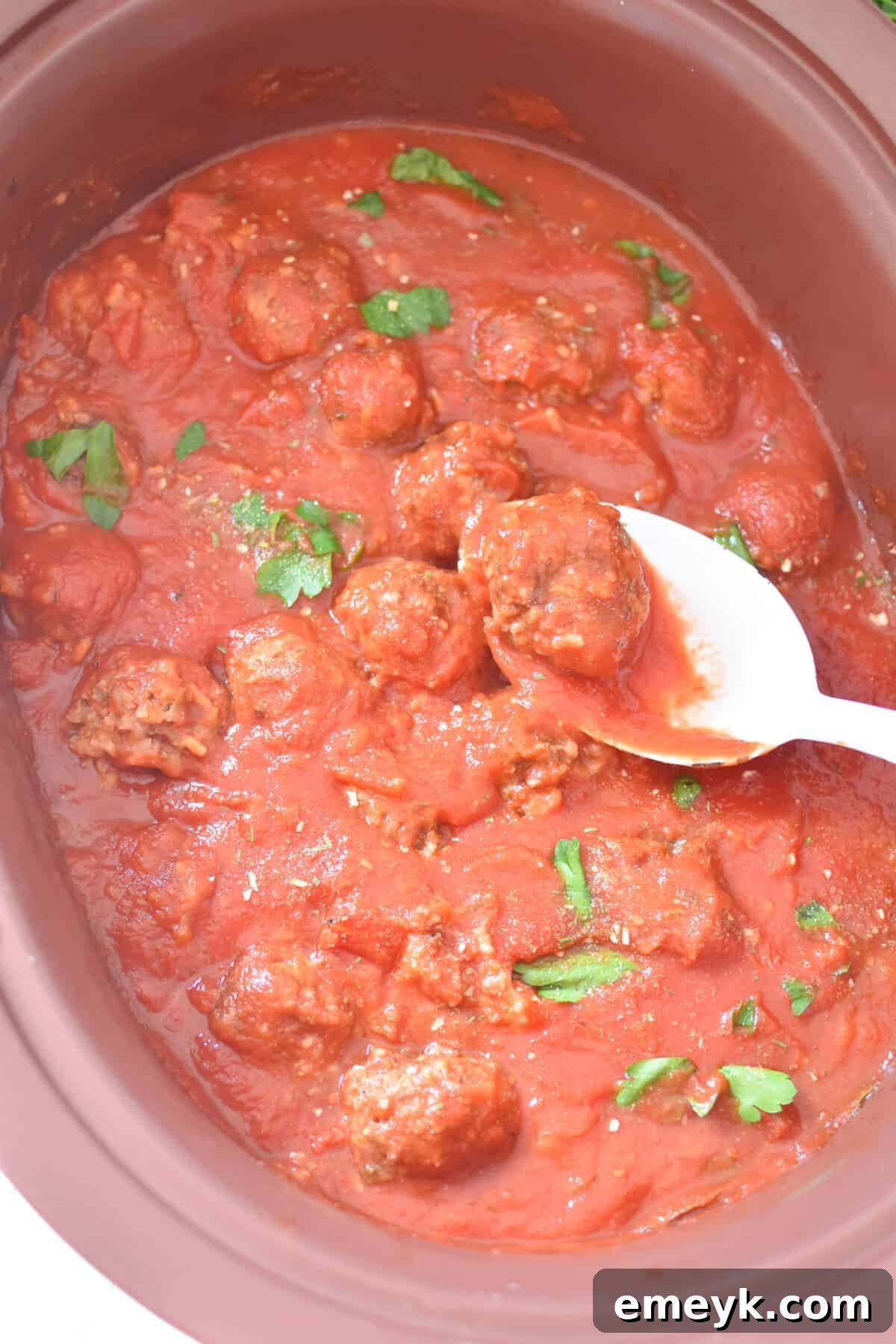
4. Prepare and Add the Sauce: In a separate medium bowl, whisk together the tomato sauce, diced tomatoes, Italian seasoning, and two bay leaves until well combined. This creates a wonderfully savory and aromatic sauce that will infuse the meatballs with flavor. Carefully pour the prepared sauce over the meatballs in the slow cooker, ensuring they are fully submerged or at least mostly covered by the sauce for even cooking.
5. Slow Cook to Perfection: Place the lid on your slow cooker. Cook the Porcupine Meatballs on the LOW setting for 4-6 hours, or on the HIGH setting for 3-4 hours. The cooking time may vary slightly depending on your slow cooker model, so aim for meatballs that are cooked through and rice that is tender. The aroma filling your kitchen will be a wonderful indicator that dinner is almost ready!
6. Serve and Garnish: Once cooked, carefully remove the bay leaves. Serve the hot Porcupine Meatballs immediately over a generous portion of white rice or your favorite pasta. Garnish with a sprinkle of fresh chopped parsley for a burst of color and herbaceous flavor.
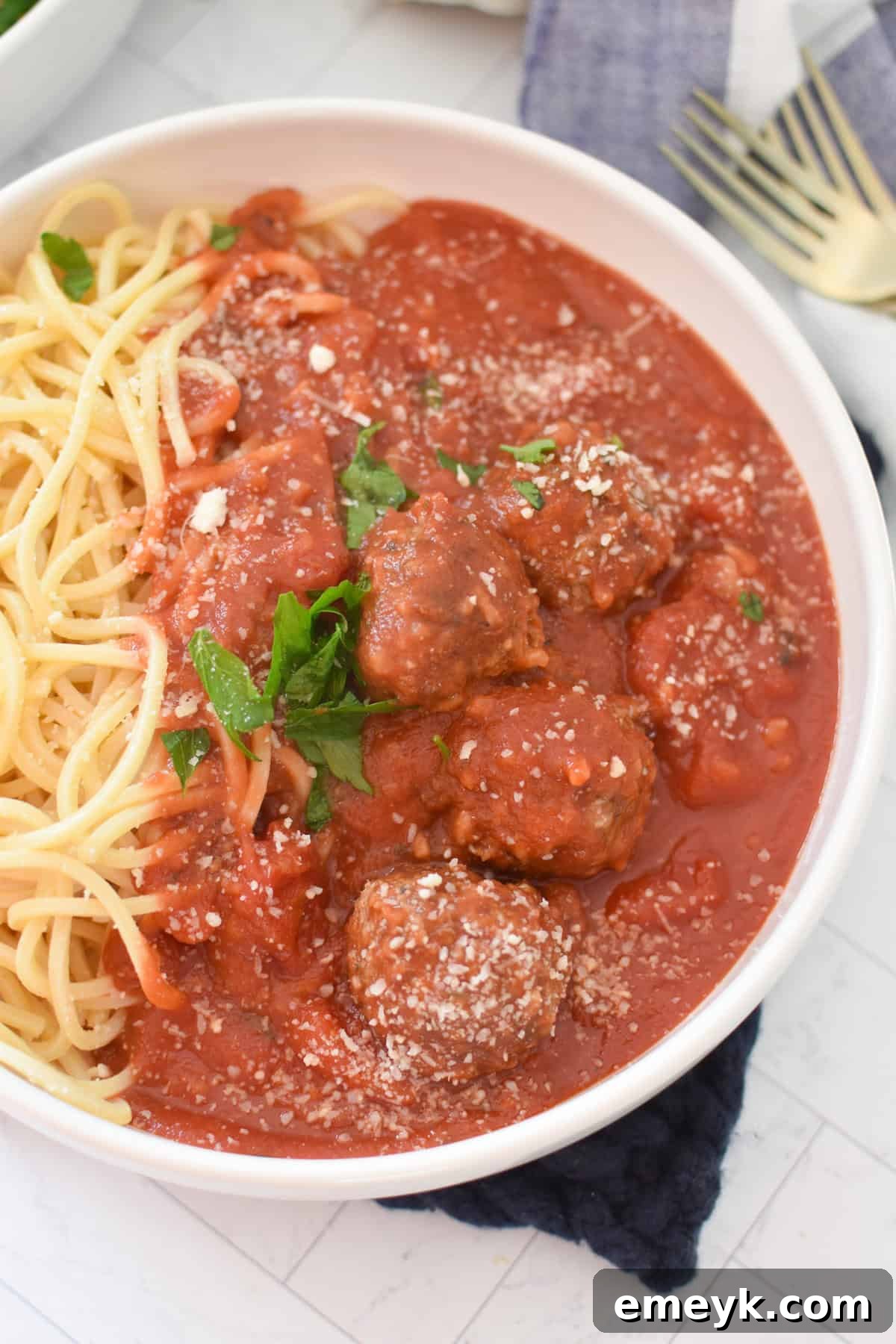
Creative Ways to Modify These Beef Meatballs
While the classic Porcupine Meatball recipe is perfect as is, it’s also wonderfully adaptable! Here are some creative ideas to modify these beef meatballs and tailor them to your family’s tastes or available ingredients:
- Add a Cheesy Twist: For an extra layer of savory flavor and richness, consider incorporating finely grated Parmesan cheese into the meatball mixture. About 1/4 cup of grated Parmesan will blend seamlessly and add a delightful tang.
- Boost with Vegetables: To sneak in more nutrients, finely minced vegetables are an excellent addition. Ensure they are minced very small to maintain the meatball’s structure. Try adding finely chopped bell pepper (any color), a bit of sweet onion, shallots, or even finely diced mushrooms. These will add moisture, flavor, and extra vitamins.
- Experiment with Spices: Don’t be afraid to adjust the spice profile! For a bolder Italian flavor, add extra dried basil or dried oregano. If you prefer a bit of warmth, a pinch of chili powder can introduce a smoky, earthy note. For those who love a hint of heat, a dash of cayenne red pepper will do the trick.
- Incorporate Fresh Herbs: Fresh herbs always elevate a dish. Finely chopped fresh oregano, fresh thyme, fresh basil, or fresh Italian parsley can be mixed into the meatball mixture or sprinkled generously over the finished dish for a vibrant, aromatic finish.
- Depression-Era Sauce Swap: To truly capture the essence of how these meatballs were made during the Depression era, you can experiment with the sauce. Instead of canned tomato sauce, try swapping it for a tomato juice or V8 vegetable juice mix for a lighter, more liquid consistency. Alternatively, two cans of condensed tomato soup (diluted as per package instructions) can create a creamier, slightly sweeter sauce, reminiscent of the original frugal recipes.
- Gluten-Free Option: If you need a gluten-free version, ensure your Italian seasoning is gluten-free and use a gluten-free rice substitute like finely ground, cooked quinoa or even gluten-free breadcrumbs if you want to skip the “porcupine” effect (though this changes the essence of the dish).
- Different Ground Meats: While ground beef is traditional, you could try a blend of ground beef and pork, or even ground turkey for a leaner option, adjusting fat content and cooking times accordingly.
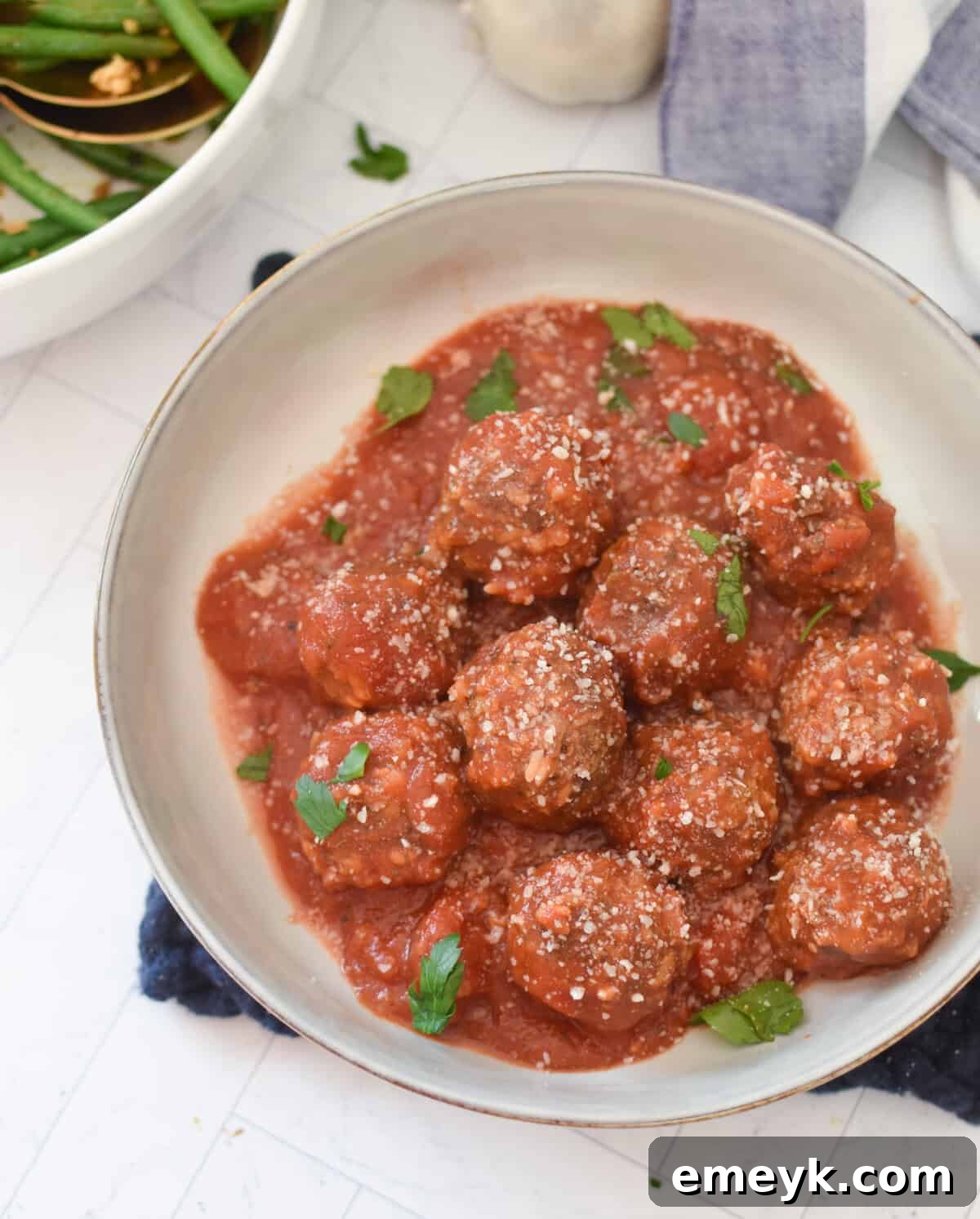
Expert Recipe Tips for Success and Storage
To ensure your Porcupine Meatballs turn out perfectly every time, and to make the most of your culinary efforts, keep these expert tips in mind:
- Adjusting Sauce Thickness: If you find the sauce is becoming too thin during the slow cooking process, you have a couple of easy fixes. You can stir in a little more tomato sauce, or for a richer flavor, add a small amount of beef or vegetable broth. Alternatively, a slurry made from a teaspoon of cornstarch mixed with a tablespoon of cold water can be whisked into the sauce during the last 30 minutes of cooking to thicken it to your desired consistency.
- The Right Rice Matters: As mentioned, I strongly advise using Minute White Rice (instant rice) for this recipe. Its quicker cooking time ensures it becomes tender and fully integrated into the meatballs, creating that characteristic “quill” effect. Regular long-grain white rice often remains slightly firm or crunchy, which can be an unwelcome texture in the finished dish.
- Handling Leftovers: Cooked Porcupine Meatballs store beautifully. Place any leftovers in an airtight container and refrigerate for up to 4 days. To reheat, you can simply microwave individual portions for 1 to 2 minutes, or until heated through. For a more even reheat, gently warm them in a skillet over medium-low heat, adding a splash of water or broth if the sauce has thickened too much.
- Freezing Uncooked Meatballs: This is a fantastic option for meal prep! After shaping the raw meatballs, arrange them in a single layer on a parchment-lined baking sheet. Freeze them on the sheet until they are solid, which usually takes about 2 hours. Once firm, transfer the frozen meatballs to a freezer-safe container or a large freezer-safe zip-top bag. They can be stored for up to 3 months. When you’re ready to cook, thaw them overnight in the refrigerator, then proceed with the slow cooker or stovetop instructions as usual.
- Freezing Cooked Meatballs: If you prefer to freeze the meatballs after they’ve been cooked in the sauce, ensure they cool completely first. Then, transfer them, along with their sauce, into a large freezer-safe zip-top bag or an airtight freezer-safe container. This method is incredibly convenient for ready-to-eat meals. Thaw overnight in the fridge and reheat gently on the stovetop or in the microwave.
- Don’t Overmix: When combining the meatball ingredients, mix just until everything is incorporated. Overmixing can lead to denser, tougher meatballs.
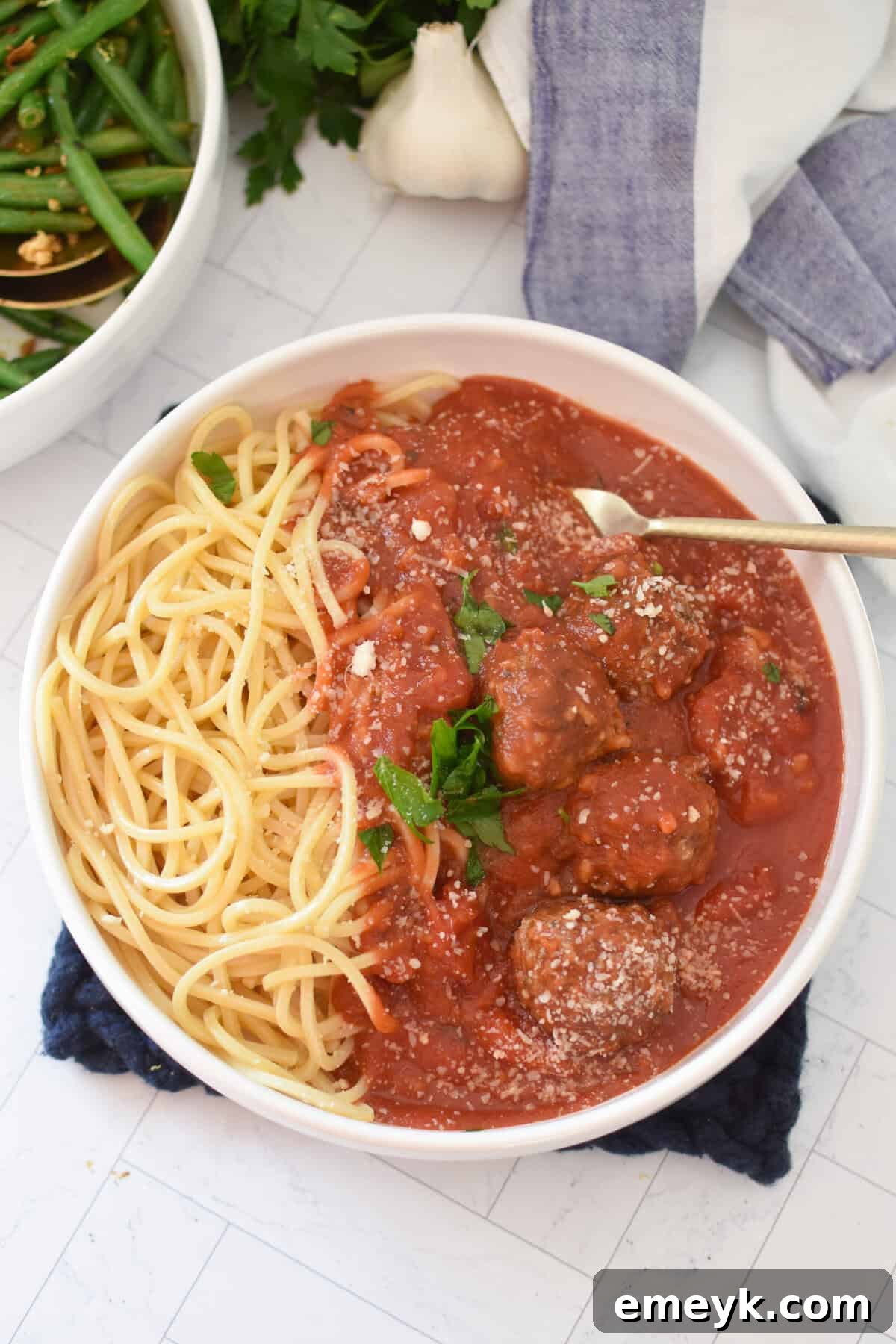
How to Make Porcupine Meatballs on the Stove Top
For those times when you prefer a quicker cooking method, Porcupine Meatballs can be easily prepared on the stovetop. This method brings dinner to the table in under an hour, making it perfect for weeknights.
1. Prepare the Meatball Mixture: In a large mixing bowl, combine the ground beef, Italian seasoning, onion powder, garlic powder, paprika, salt, pepper, uncooked Minute White Rice, finely minced onion, finely minced garlic, and the large egg. Mix all the ingredients well by hand until just combined. Form the mixture into approximately 20-22 meatballs, each roughly two tablespoons in size. Arrange them on a plate.
2. Brown the Meatballs: Heat 2 tablespoons of olive oil in a large skillet or Dutch oven over medium heat. Add the meatballs in a single layer, working in batches if necessary, and brown them for about 3 minutes on one side. Gently flip and brown for another 3 minutes on the other side. This quick browning adds depth of flavor and helps the meatballs hold their shape.
3. Add the Sauce: In a medium bowl, combine the tomato sauce, diced tomatoes, Italian seasoning, and bay leaves. Stir until all ingredients are well mixed. Pour this flavorful sauce directly over the browned meatballs in the skillet, ensuring they are mostly covered by the liquid.
4. Simmer to Finish: Cover the skillet with a tight-fitting lid. Bring the sauce to a low boil over medium heat. Once the sauce begins to boil, reduce the heat to low, allowing the meatballs to gently simmer for 35-40 minutes. During this time, the rice will absorb the sauce and expand, and the meatballs will cook through. Remove the bay leaves before serving. Serve hot over your choice of pasta or rice, garnished with a sprinkle of fresh parsley.
Other Delicious Beef Recipes You Might Like:
If you’ve enjoyed these Porcupine Meatballs, here are a few more beef-centric recipes that are sure to please your palate:
THE BEST ROAST BEEF RECIPE
LEBANESE MEAT PIES
MEXICAN ZUCCHINI WITH GROUND BEEF
SLOW COOKER ITALIAN SHORT RIBS
MEDITERRANEAN BEEF KABOBS
Tried this recipe? Leave a star rating and comment below! Subscribe to my newsletter or follow me on
Facebook,
Instagram, or
Pinterest for the latest.
Porcupine Meatballs Recipe
Julia Jolliff
Print Recipe
15 mins
4 hrs
4 hrs 15 mins
22 meatballs
Ingredients
- 1 pound ground beef (80/20 suggested)
- 2 teaspoons Italian seasoning
- 1/2 tsp onion powder
- 1 teaspoon garlic powder
- 1/2 teaspoon paprika
- 1 teaspoon salt
- 1/4 teaspoon black pepper
- 1/2 cup Minute White Rice (uncooked, instant)
- 1/2 of a sweet onion (finely minced)
- 3 cloves garlic (finely minced)
- 1 large egg
- 2 tablespoons olive oil (for browning)
- Fresh parsley for garnish
For the Sauce:
- 2 15 ounce cans of tomato sauce
- 1 15 ounce can of diced tomatoes
- 1 teaspoon Italian seasoning
- 2 bay leaves
Instructions
To Make in the Slow Cooker:
-
In a large sized bowl combine beef, Italian seasoning, onion powder, garlic powder, paprika, salt, pepper, rice, minced onion, minced garlic and egg. Mix well until just combined. Shape into about 20-22 meatballs (approximately two tablespoons each) and place on a plate.
-
In a large skillet, heat the olive oil over medium heat. Add the meatballs (in batches if needed) and brown for about 5 minutes on one side, then flip and cook for another 5 minutes until browned on all sides. Transfer browned meatballs to your slow cooker.
-
In a medium bowl, mix together the tomato sauce, diced tomatoes, Italian seasoning, and bay leaves. Stir well to combine. Pour the sauce over the meatballs in the slow cooker, ensuring the meatballs are mostly covered by the sauce.
-
Cover the slow cooker and cook on LOW for 4-6 hours or on HIGH for 3-4 hours, until meatballs are cooked through and rice is tender. Remove bay leaves before serving.
-
Serve hot over pasta or white rice, garnished with fresh parsley.
To Make on the Stove-Top:
-
In a large sized bowl, combine beef, Italian seasoning, onion powder, garlic powder, paprika, salt, pepper, rice, minced onion, minced garlic and egg. Mix well. Shape into about 20-22 meatballs (approximately two tablespoons each) and place on a plate.
-
In a large skillet or Dutch oven, add the olive oil and heat to medium heat. Add the meatballs (in batches if necessary) and brown for about 3 minutes, then flip and cook for another 3 minutes.
-
In a medium bowl, mix together the tomato sauce, diced tomatoes, Italian seasoning, and bay leaves. Stir well. Pour the sauce over the meatballs in the skillet, ensuring they are covered by the sauce.
-
Cover the skillet with a lid and bring the pot to a low boil. Once the sauce is boiling, turn the heat down to low and let the meatballs simmer for 35-40 minutes, or until the rice is tender and meatballs are cooked through. Remove bay leaves. Serve over pasta or rice and garnish with fresh parsley.
Notes & Tips
- If the sauce becomes too thin, add more tomato sauce or broth, or a cornstarch slurry.
- Store leftovers in an airtight container for up to 4 days. Reheat in microwave (1-2 minutes) or skillet.
- To freeze uncooked meatballs: Place raw meatballs on a parchment-lined baking sheet and freeze until solid (approx. 2 hours). Transfer to a freezer-safe container or bag for up to 3 months. Thaw overnight in the fridge before cooking.
- To freeze cooked meatballs: Let cool completely, then freeze in a large zip-top bag or freezer-safe container with the sauce.
- Using Minute White Rice ensures the rice cooks through and gives the desired “porcupine” texture.
- Do not overmix the meatball mixture to keep them tender.
Nutrition Information
Calories: 76kcal, Carbohydrates: 2g, Protein: 4g, Fat: 6g, Saturated Fat: 2g, Polyunsaturated Fat: 0.3g, Monounsaturated Fat: 3g, Trans Fat: 0.3g, Cholesterol: 22mg, Sodium: 124mg, Potassium: 78mg, Fiber: 0.3g, Sugar: 0.4g, Vitamin A: 39IU, Vitamin C: 1mg, Calcium: 12mg, Iron: 1mg
Nutrition information is automatically calculated, so should only be used as an approximation.
Tried this recipe?
Mention @acedarspoon or tag #acedarspoon!
This post is proudly sponsored by the Ohio Beef Council. Visit www.OhioBeef.org, and follow the Ohio Beef Council on Facebook, Twitter, and Instagram for valuable beef nutrition facts, expert cooking tips, delicious recipes, and to learn more about Ohio’s dedicated beef farming families. Don’t forget to use #OhioBeef to share photos of your healthy and hearty meals!
As always, all opinions expressed in this post are 100% my own.