
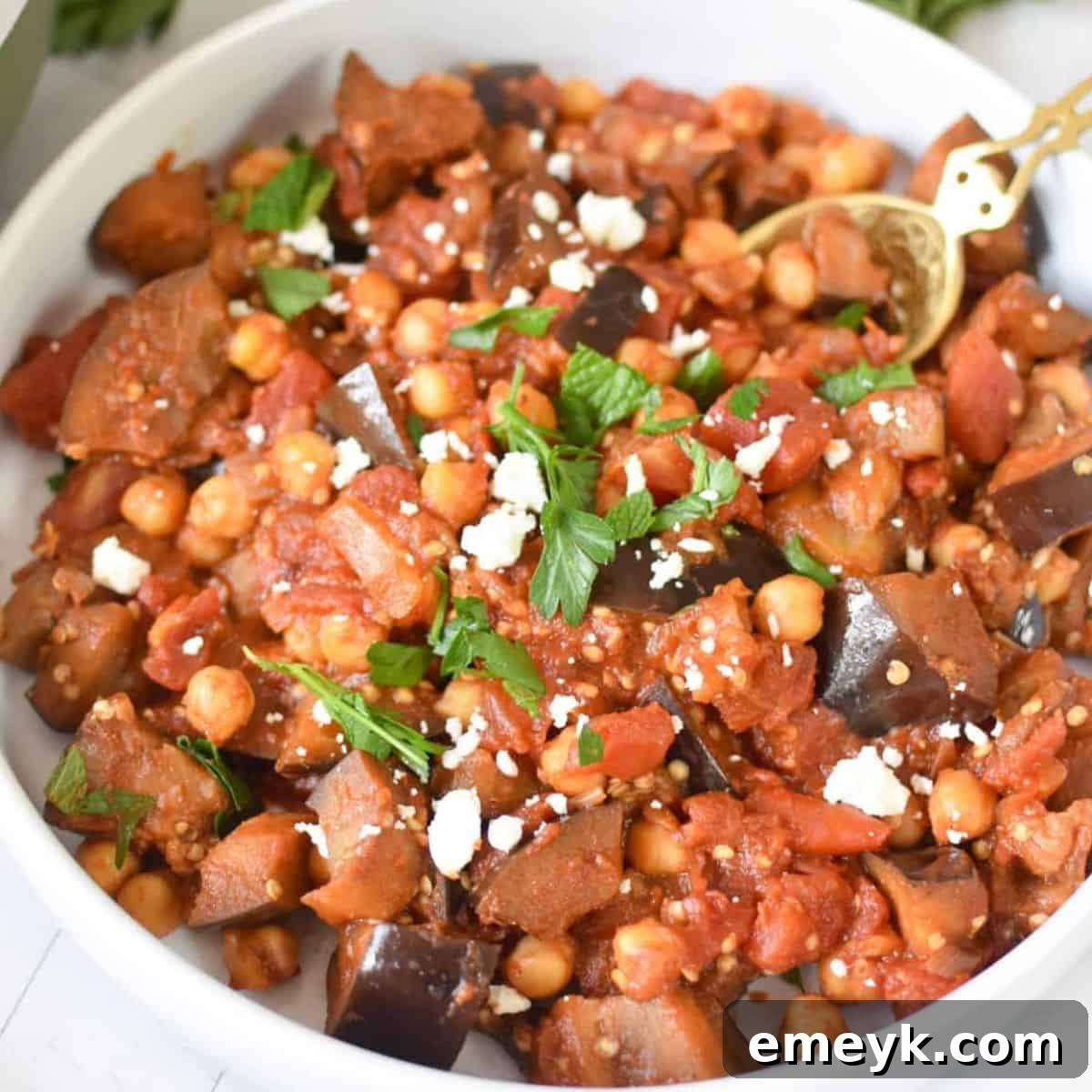
Authentic Lebanese Moussaka (Maghmour): A Flavorful Vegan Delight
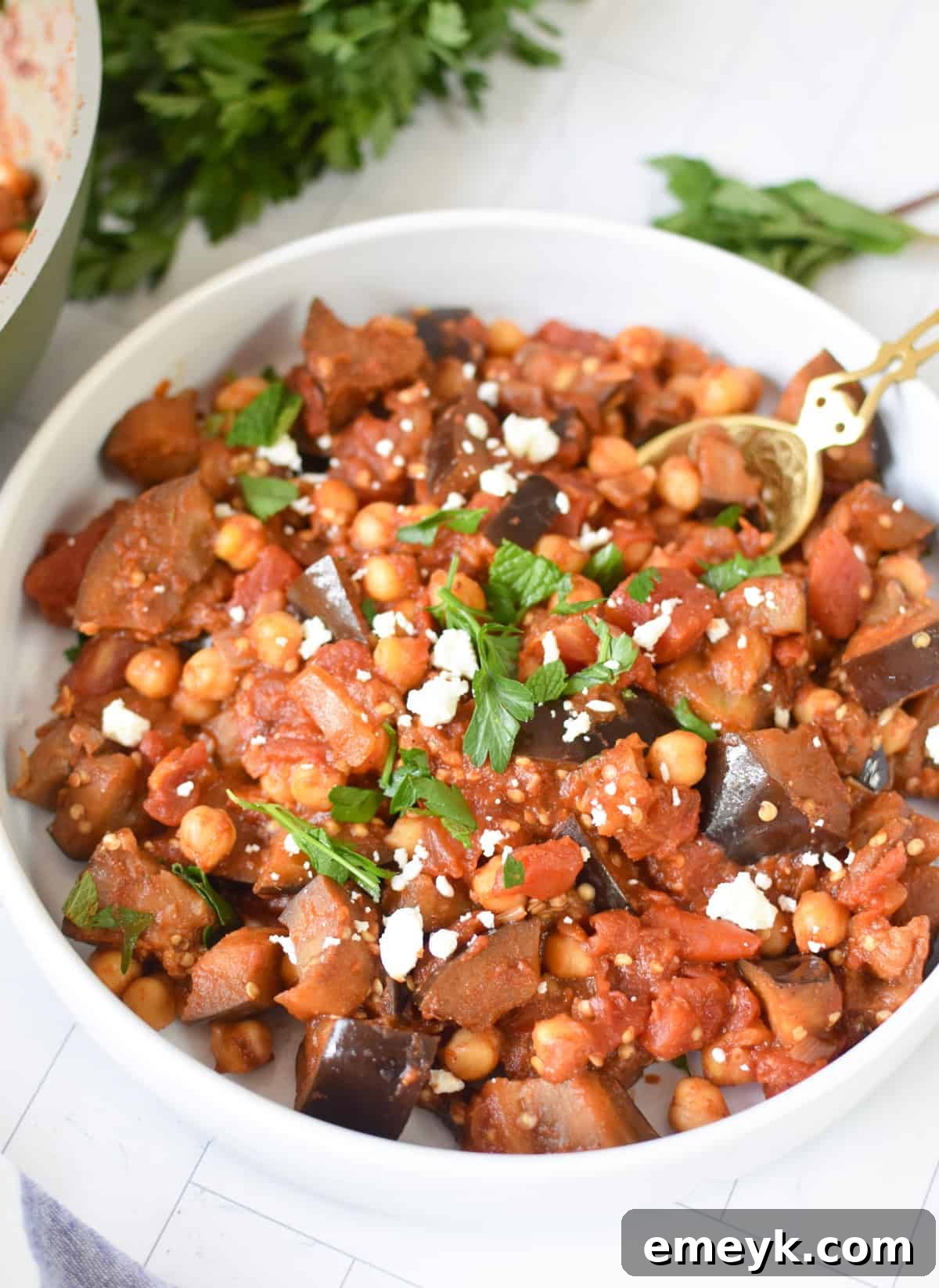
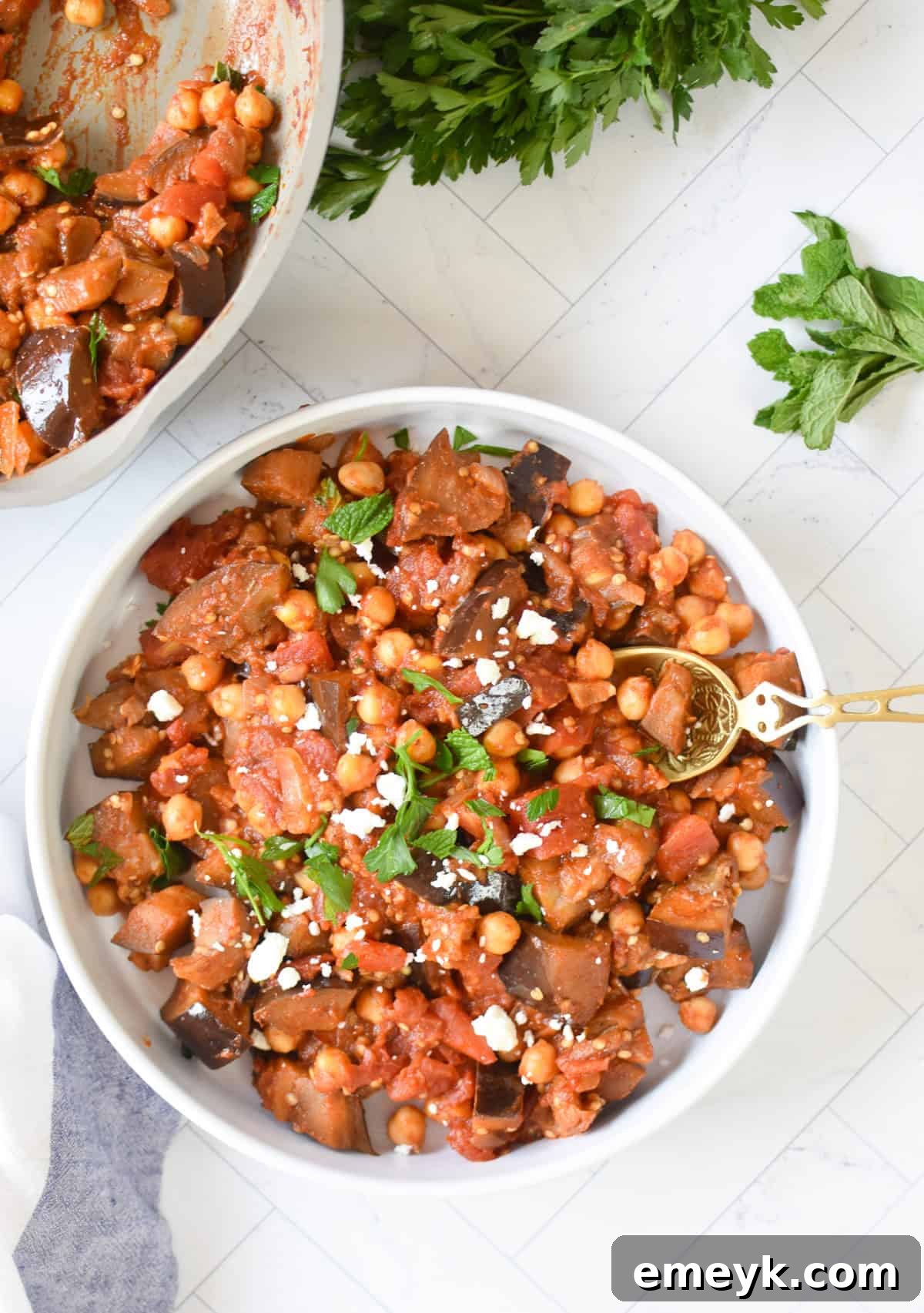
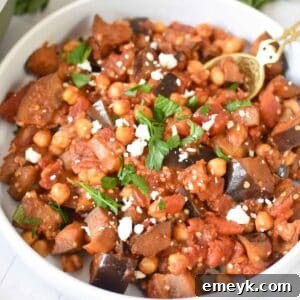
Lebanese Moussaka, affectionately known as Maghmour, is a culinary gem that transcends expectations. This warm and deeply satisfying vegan dish artfully combines tender eggplant, hearty chickpeas, and succulent diced tomatoes, all simmered together with a harmonious blend of aromatic Middle Eastern spices. The result is a richly flavored stew that’s both comforting and incredibly healthy. Garnish with a sprinkle of fresh parsley and crumbled feta cheese (optional for strict vegan), then serve alongside warm pita bread or your favorite grain for a truly authentic experience. Beyond its delightful taste, Maghmour stands out as a budget-friendly meal, making it an excellent choice for weekly meal preparation and a staple for any discerning home cook.
From Greek Inspiration to Lebanese Innovation
My journey with Moussaka began during a memorable trip to Greece. There, I first encountered the classic Greek Moussaka – a decadent, layered casserole featuring eggplant, potatoes, a savory meat sauce, and a luscious béchamel topping. The rich textures and profound flavors left an indelible impression, and I instantly fell in love with this iconic dish.
Upon returning home, I was eager to explore its variations and was thrilled to discover Lebanese Moussaka, also known as Maghmour. This revelation sparked a new culinary adventure. While both dishes share the name “Moussaka,” they represent distinct culinary traditions. The key difference lies in the Lebanese rendition’s vibrant vegan character. Unlike its Greek counterpart, Maghmour focuses on the natural goodness of eggplant, chickpeas, and tomatoes, elevated by a unique blend of spices, entirely omitting potatoes, meat, and béchamel. It’s a testament to how different cultures adapt a shared concept into something truly unique and equally delicious.
If you appreciate the versatility of eggplant, you’ll also enjoy exploring other delightful recipes like this Easy Eggplant Curry, a refreshing Mediterranean Eggplant Salad, a hearty Skillet Tomato and Eggplant, or the quick and easy Air Fryer Eggplant.
Why Lebanese Moussaka Will Become Your New Favorite

I adore simple Middle Eastern meals brimming with fresh vegetables and wholesome beans, requiring only a handful of ingredients. This vegan Lebanese Moussaka perfectly embodies that philosophy, with the added bonus that its leftovers taste even better than on the first day! Here are just a few reasons why this recipe is a cherished favorite in my kitchen:
- Simplicity with Flavor: Despite its rich taste, this eggplant moussaka relies on readily available, simple ingredients. Beyond the exquisite spice blend, it primarily features humble eggplant, nutrient-dense chickpeas, and vibrant diced tomatoes. This accessible ingredient list makes it an ideal weeknight meal.
- Remarkably Budget-Friendly: Crafting this flavorful dish won’t break the bank. By utilizing pantry staples and affordable fresh produce, you can create a satisfying meal on a modest budget. I often prepare a double batch, freezing portions for convenient, healthy meals later in the month, further maximizing its value.
- A Meal Prep Dream: For those who embrace meal prepping, Maghmour is a fantastic addition to your rotation. It comes together in under 35 minutes of active cooking, and its flavors deepen beautifully as it rests. The leftovers truly shine after a few days, making it perfect for packing lunches or enjoying a quick dinner. It pairs wonderfully with a refreshing Easy Arabic Salad or a creamy Baba Ghanoush.
- Healthy and Wholesome: Loaded with vegetables and plant-based protein, Lebanese Moussaka is a powerhouse of nutrition. It’s naturally vegan and gluten-free, fitting perfectly into various dietary preferences while offering a wealth of fiber, vitamins, and minerals.
- Deeply Aromatic: The carefully selected blend of warm spices is what truly elevates this dish, transforming simple ingredients into a complex and comforting culinary experience.

Essential Ingredients for Lebanese Moussaka
Crafting the perfect Maghmour begins with selecting fresh, quality ingredients. Below is a detailed look at the core components that bring this dish to life. You’ll find the full list of ingredients with exact measurements in the recipe card at the bottom of this article.
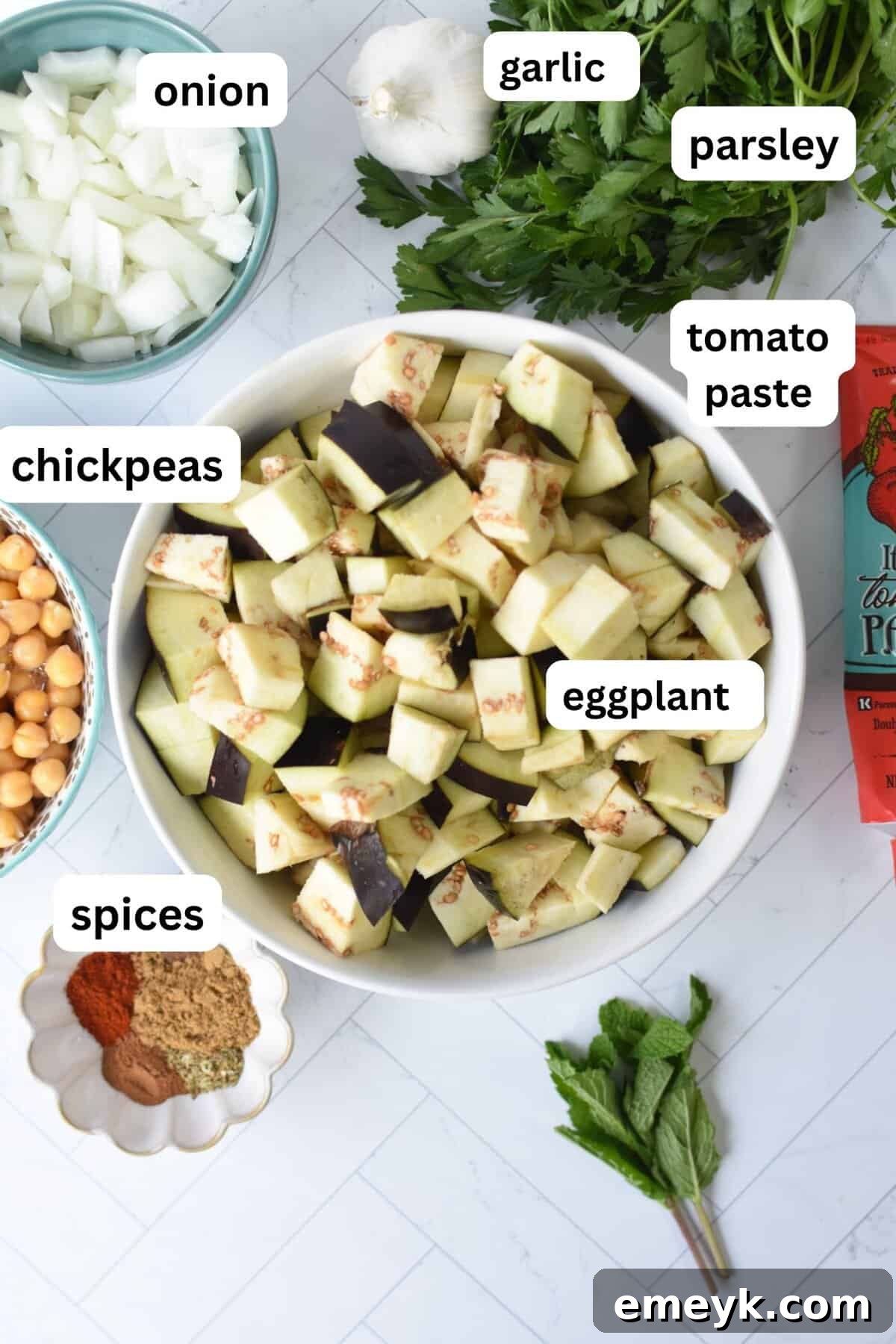
- Eggplant: The star of the show! One large or two small eggplants will suffice. You can choose from globe eggplant, Japanese eggplant, or Italian eggplant. When selecting, aim for firm, glossy eggplants that feel heavy for their size. Avoid extra-large or overripe ones, as they can sometimes be bitter and result in a soggy texture. A common technique for globe eggplants is to salt them first to draw out excess moisture and bitterness, leading to a creamier final texture.
- Warm Spices: The heart of Maghmour’s distinctive flavor profile is its rich spice mixture. This typically includes cumin, paprika, cinnamon, allspice, cloves, a touch of cayenne red pepper for a subtle kick, and dried mint. Each spice plays a crucial role: cumin adds an earthy depth, paprika offers warmth and color, cinnamon and allspice contribute a sweet, aromatic complexity, cloves provide a deep, pungent note, and dried mint adds a refreshing, herbaceous finish that brightens the entire dish. Feel free to adjust the cayenne to your preference for more or less heat.
- Chickpeas: These versatile legumes add bulk, protein, and a delightful texture to the moussaka. For a quick and convenient option, use canned chickpeas that have been thoroughly drained and rinsed. Alternatively, if you prefer, you can prepare dried chickpeas from scratch, soaking and boiling them until tender.
- Tomatoes: The base of the rich, stew-like sauce is created with diced tomatoes and tomato paste. The diced tomatoes contribute moisture and a fresh tang, while the tomato paste intensifies the tomato flavor and adds depth, helping to create a luxurious, warm sauce that coats the eggplant and chickpeas beautifully. For an added layer of smoky flavor, consider using fire-roasted diced tomatoes.
- Aromatics: Fresh garlic and onion form the aromatic foundation, sautéed in olive oil to build a fragrant base for the entire dish.
Creative Substitutions & Flavorful Variations
One of the beauties of Lebanese Moussaka is its adaptability. While delicious as is, you can easily customize it to suit your taste, dietary needs, or what you have on hand. Here are some ideas to inspire your culinary creativity:
- Enhance with Protein: While traditionally vegan, you can easily add animal protein if desired. Ground beef, ground turkey, or ground chicken can be browned and stirred in with the onions. For a unique flavor, incorporate leftover Beef Shawarma, or top the moussaka with delightful Mediterranean Baked Turkey Meatballs or savory Beef Kafta Meatballs.
- Amp up the Spice: If you crave more heat, mix in extra crushed red pepper flakes, a dash of your favorite hot sauce, or freshly chopped jalapeños or serrano peppers during the simmering process.
- Swap the Legumes: Not a fan of chickpeas? White beans, such as cannellini or great northern beans, make an excellent substitute, offering a similar texture and nutritional profile. Lentils could also be used for a different twist.
- Boost with Extra Veggies: This dish is very forgiving when it comes to adding more vegetables. Cubed zucchini, diced red or green bell pepper, spinach, or even cauliflower florets would integrate beautifully, adding more nutrients and texture. Add them during the eggplant sautéing phase or with the tomatoes, depending on their cooking time.
- Creative Garnishes: Beyond fresh parsley and feta, experiment with other garnishes to elevate the dish. Tangy Quick Pickled Red Onions add a delightful acidity, chopped green onions provide a mild oniony bite, or crunchy Roasted Chickpeas offer an extra textural dimension. A drizzle of good quality olive oil or a squeeze of fresh lemon juice before serving also works wonders.
- Herb Alternatives: If fresh mint isn’t available, or you prefer a different herb, fresh cilantro or even a sprinkle of oregano can offer a lovely, albeit different, flavor profile.
Step-by-Step Guide: Crafting Your Lebanese Moussaka
Creating this aromatic and hearty Lebanese Moussaka is a straightforward process that yields incredibly rewarding flavors. Follow these simple steps to prepare your own delicious Maghmour at home.
Optional Pre-step for Eggplant: To reduce bitterness and prevent soggy eggplant, chop your eggplant into 2-inch cubes and lightly salt them. Let them sit in a colander for about 15-30 minutes; this draws out excess moisture. Pat them thoroughly dry with paper towels before adding them to the skillet for optimal texture and flavor.
- Step 1: Sauté Aromatics: In a large, heavy-bottomed skillet or Dutch oven, heat the olive oil over medium heat. Add the diced onions and minced garlic, then sauté for approximately 5 minutes until the onions are softened and translucent, and the garlic is fragrant. Be careful not to burn the garlic.
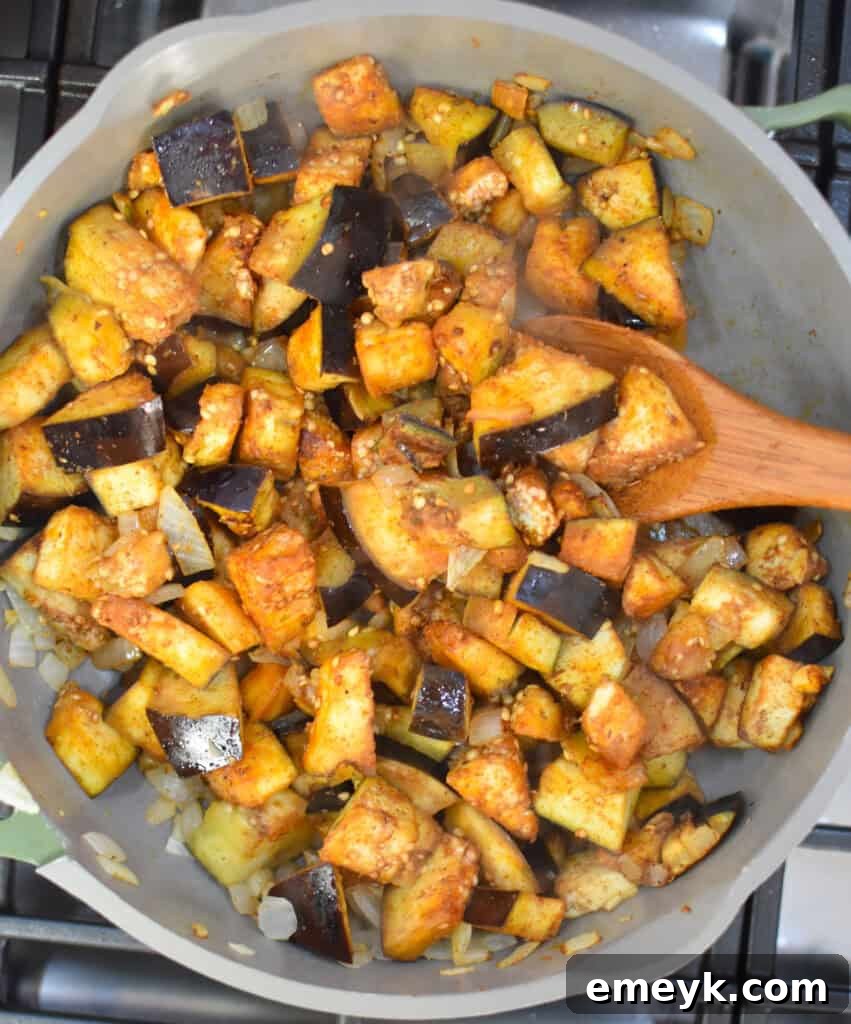
- Step 2: Cook the Eggplant: Add the cubed eggplant to the skillet, along with a sprinkle of salt and freshly ground black pepper. Sauté the eggplant for 15-20 minutes, stirring occasionally, until it becomes wonderfully soft and slightly golden. It’s important to stir gently and not too frequently, as over-stirring can break down the eggplant into a purée. The goal is tender, intact cubes.
- Step 3: Infuse with Spices: Once the eggplant is tender, stir in the warm spices: cumin, paprika, cinnamon, allspice, cloves, cayenne pepper (if using), and dried mint. Cook for another minute, stirring constantly, to toast the spices and release their incredible aromas. This step deepens the overall flavor profile of the dish significantly.
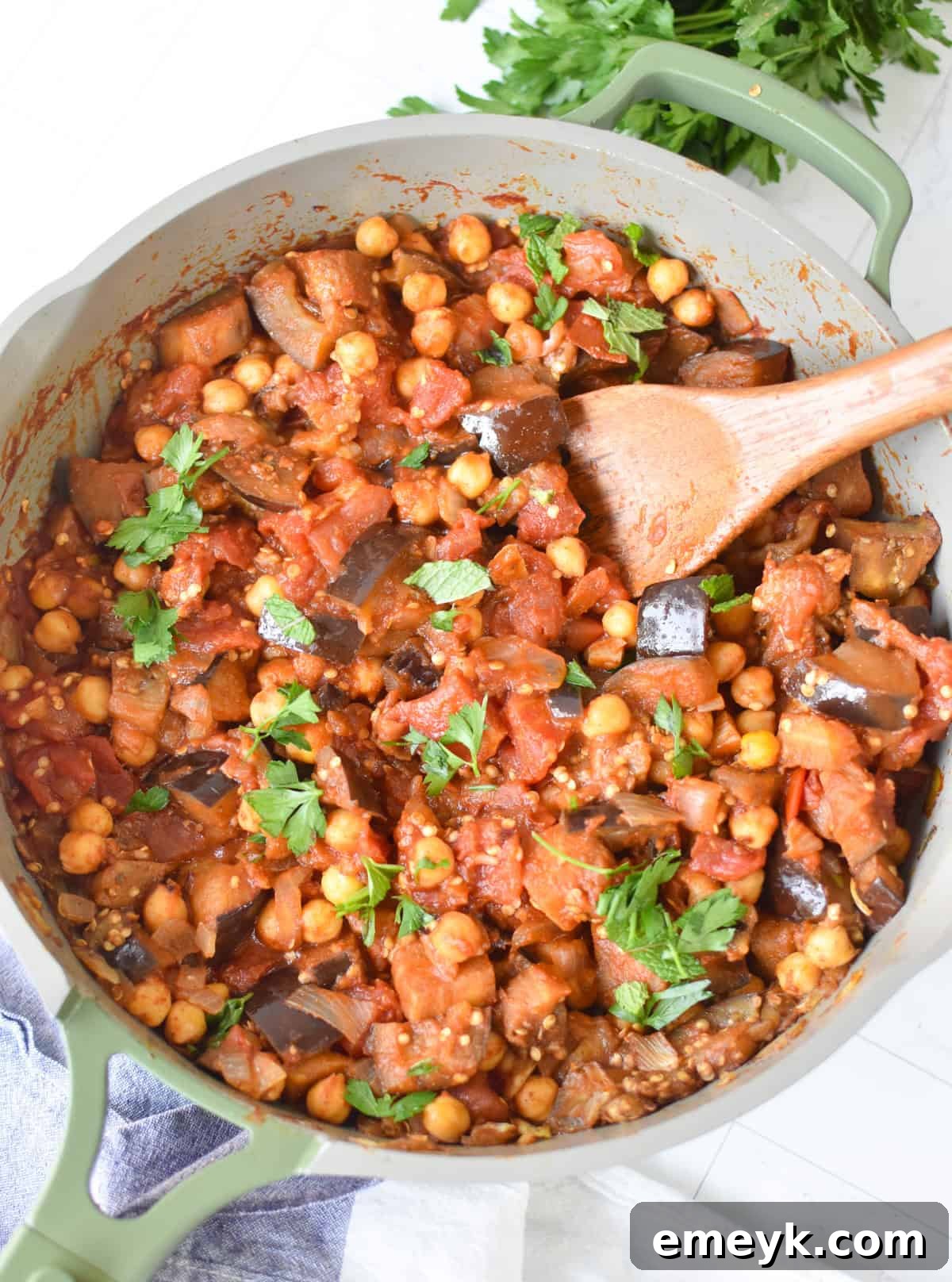
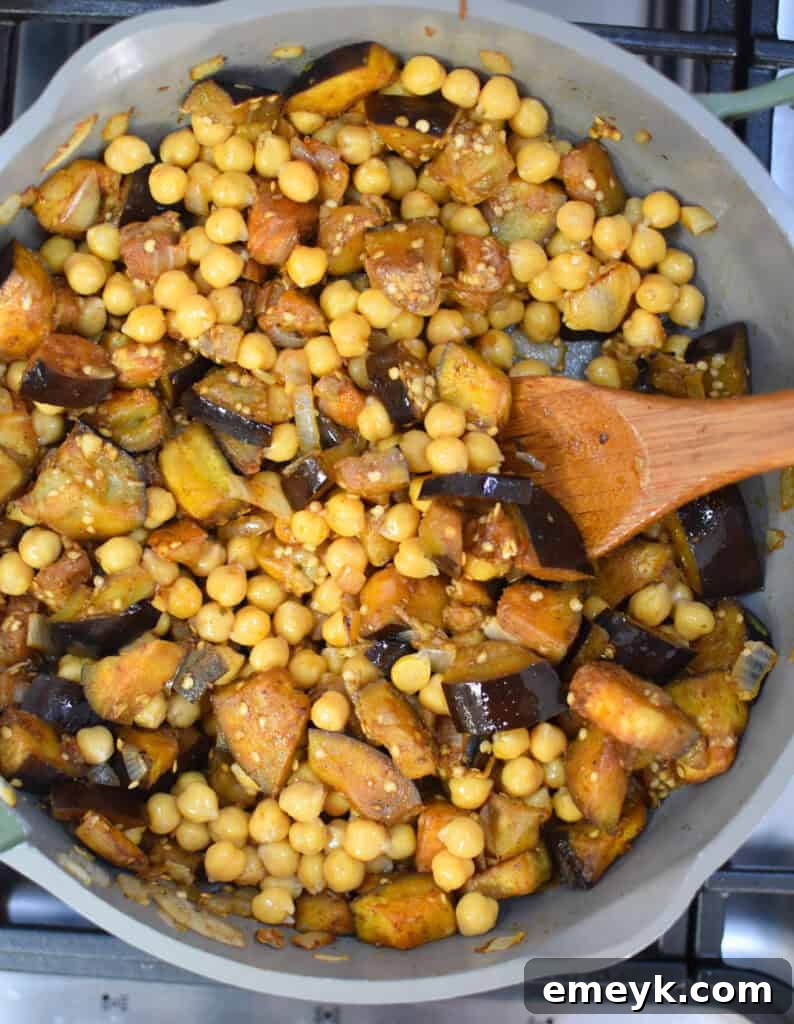
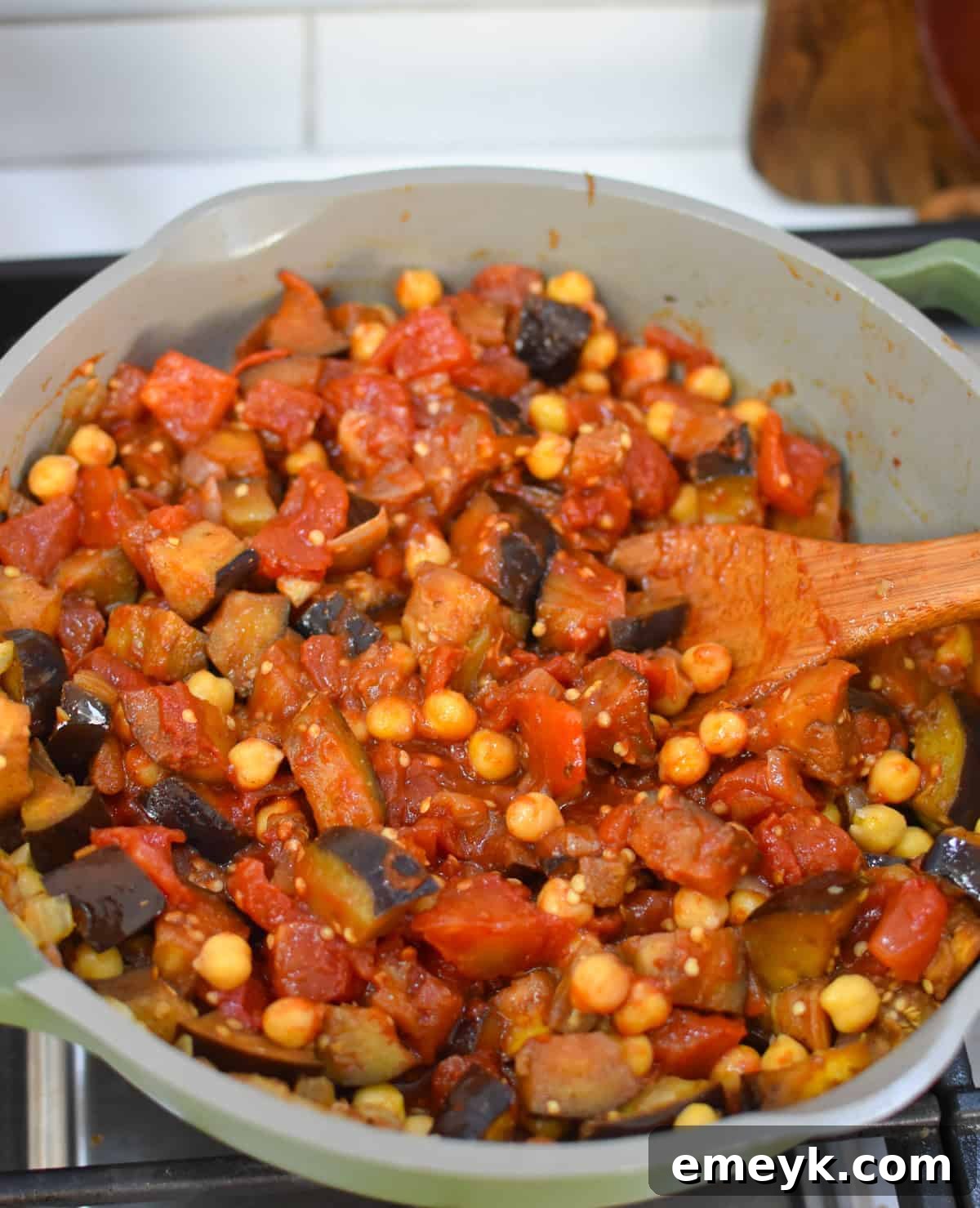
- Step 4: Combine and Simmer: Add the chickpeas (drained and rinsed), diced tomatoes (undrained), and tomato paste to the skillet. Stir all the ingredients together thoroughly until well combined. Bring the mixture to a gentle simmer, then reduce the heat to low, cover, and let it cook for about 15-20 minutes. This simmering time is crucial for the flavors to meld and deepen beautifully, creating a rich and complex stew.
- Step 5: Serve Warm: Taste and adjust seasonings as needed. Serve your Lebanese Moussaka warm, generously garnished with fresh parsley and crumbled feta cheese (if not strictly vegan). It’s wonderful on its own or as part of a larger Mediterranean spread.
Recipe Tip for Eggplant Texture: If you desire a softer, more melt-in-your-mouth eggplant texture, you can partially peel the eggplant in stripes before cubing, or even fully peel it, depending on your preference. The skin provides some structure, so peeling completely will result in a much softer eggplant once cooked.
Delicious Ways to Serve Your Eggplant Moussaka
This versatile Lebanese Moussaka pairs beautifully with a wide array of Mediterranean sides, salads, and sauces. Its rich flavors complement many accompaniments, making it a perfect center-of-the-plate dish or part of a larger mezze spread. Here are some of my favorite ways to serve it:
- Fresh Salads: The vibrant, fresh flavors of a crisp salad are an ideal counterpoint to the warm spices of Maghmour. Try pairing it with one of these light and refreshing options: a zesty Easy Tabbouleh Recipe, a classic Fattoush Salad with its crisp pita chips, a unique Malfouf Salad (Lebanese Cabbage Salad), or a simple yet delicious Easy Lebanese Salad.
- Grains and Pasta: For a more substantial meal, serve your Moussaka over a bed of fluffy grains or delicate pasta. It’s particularly delicious spooned over a light and lemony Lemon Pearl Couscous or a bright Lemon Orzo. Simple white or brown rice also works beautifully to soak up the flavorful sauce.
- Creamy Sauces: A drizzle of a complementary sauce can add another layer of flavor and moisture to your dish. Consider a nutty Tahini Sauce for a classic Middle Eastern touch, a refreshing Creamy Dill Sauce for a hint of herb, or a tangy Tahini Yogurt Dressing (ensure vegan yogurt if keeping it plant-based).
- Mezze Platter Perfect: Eggplant Moussaka is a fantastic addition to any mezze platter, offering a hearty and flavorful component. Arrange it alongside other delicious small plates such as savory Lebanese Meat Pies (or spinach pies for vegan option), delicate Easy Stuffed Grape Leaves (rice-filled for vegan, or Meat Stuffed Grape Leaves), creamy Lebanese Hummus, and crunchy Air Fryer Pita Chips.
- Simple Bread: Don’t underestimate the power of freshly baked bread. Warm pita bread, crusty French bread, or even a simple flatbread is perfect for scooping up every last bit of this delicious stew.
Storage & Freezing Tips for Maghmour
One of the many benefits of Lebanese Moussaka is how well it stores and reheats, making it an ideal candidate for meal prepping. Here’s how to ensure your leftovers remain delicious:
- Refrigeration: Store any leftover moussaka in an airtight container in the refrigerator for up to 5 days. The flavors often deepen and improve overnight, making it even more enjoyable the next day.
- Reheating: To reheat, gently warm the moussaka in a skillet over medium-low heat, in the oven (covered with foil at 300°F/150°C), or quickly in the microwave. If the sauce has thickened too much during storage, add a splash of water or vegetable broth to loosen it to your desired consistency.
- Freezing: Lebanese Moussaka freezes exceptionally well. Allow the dish to cool completely to room temperature before transferring it to a freezer-safe container or heavy-duty freezer bags. It can be stored in the freezer for up to 3 months. This is perfect for having a healthy, homemade meal ready on busy days.
- Thawing and Reheating from Frozen: When you’re ready to enjoy frozen moussaka, transfer it to the refrigerator to thaw overnight. Once thawed, reheat it using any of the methods described above, ensuring it is heated through thoroughly before serving.
Frequently Asked Questions About Lebanese Moussaka
You have the option to either roast the eggplant or sauté it directly in the skillet, as described in the recipe. Roasting the eggplant beforehand can sometimes impart a deeper, more robust flavor and a slightly firmer texture, as it allows for better caramelization. However, sautéing directly in the skillet is quicker and still yields delicious results. Both methods work wonderfully, so choose based on your preference and available time.
Lebanese Moussaka (Maghmour) is typically served warm, allowing the rich, comforting flavors of the spices and tender vegetables to truly shine. However, it can also be enjoyed at room temperature, especially as part of a cold mezze platter. The choice depends on your personal preference and how you’re serving it.
Absolutely, making Lebanese Moussaka ahead of time is highly recommended! In fact, many people find that the flavors of Maghmour meld and intensify beautifully after a day or two in the refrigerator, making it taste even better. This makes it an excellent candidate for meal prep, allowing you to enjoy delicious, ready-made meals throughout the week.
Yes, Lebanese Moussaka, or Maghmour, is inherently a plant-based dish, making it naturally vegan. It contains no meat, dairy, or eggs. Additionally, all its core ingredients – eggplant, chickpeas, tomatoes, and spices – are naturally gluten-free, making it a fantastic option for those following a gluten-free diet.
While common globe eggplants work well, smaller varieties like Italian or Japanese eggplants tend to have fewer seeds and a milder flavor, requiring less or no salting. Regardless of the type, choose eggplants that are firm, heavy for their size, and have smooth, shiny skin to ensure the best texture and taste.
Explore More Delicious Eggplant Recipes
Mediterranean
Air Fryer Eggplant Fries Recipe
Mediterranean
Classic Ratatouille Recipe
Mediterranean
Mediterranean Eggplant Chickpea Salad
Vegetarian
Ratatouille Pappardelle
Tried this recipe? Leave a star rating and comment below! Subscribe to my newsletter or follow me on
Facebook,
Instagram, or
Pinterest for the latest.
Lebanese Moussaka Recipe
By Julia Jolliff
Lebanese Moussaka, also known as Maghmour, is a warm, delicious vegan dish. Eggplant, warm spices, chickpeas along with diced tomatoes are simmered to create a flavorful dish. Finish off the dish with fresh parsley, and feta cheese and serve with pita bread. This is a budget-friendly meal that makes great meal-prep for the week ahead!
Prep: 15 mins | Cook: 20 mins | Total: 35 mins
Servings: 6
Ingredients
- 3 tablespoons olive oil
- 1 small onion, diced
- 5 cloves garlic, minced
- 1 large eggplant, cut into 2-inch cubes
- 1 teaspoon cumin
- 1 teaspoon paprika
- 1/2 teaspoon cinnamon
- 1/2 teaspoon allspice
- 1/4 teaspoon cloves
- 1/4 teaspoon cayenne red pepper, optional
- 1 tablespoon dried mint, or 3 tablespoons fresh mint, chopped
- 1 – 15.5 oz can of chickpeas, drained and rinsed (or about 1 cup dried, cooked chickpeas)
- 1 – 15 ounce can of diced tomatoes
- 3 tablespoons tomato paste
- Fresh parsley, for garnish
- Feta cheese, for garnish (optional)
Instructions
- Optional Step: Salt the chopped eggplant and let it sit for 15 minutes to draw out bitterness and moisture. Pat dry thoroughly before adding it to the skillet.
- In a large skillet, heat the olive oil over medium heat. Add the diced onions and minced garlic, then sauté for 5 minutes until softened and fragrant.
- Add the cubed eggplant and a sprinkle of salt and pepper. Sauté the eggplant for 15-20 minutes, stirring gently and occasionally, until it is soft and slightly browned. Avoid over-stirring to maintain the eggplant’s shape.
- Stir in the cumin, paprika, cinnamon, allspice, cloves, cayenne pepper (if using), and dried mint. Cook for another minute, stirring continuously, to toast the spices and release their aroma.
- Add the drained and rinsed chickpeas, diced tomatoes (undrained), and tomato paste. Stir well to combine all ingredients. Bring to a gentle simmer, then reduce the heat to low, cover, and let it cook for about 15-20 minutes for the flavors to develop.
- Serve warm, garnished generously with fresh parsley and crumbled feta cheese (if using). Enjoy!
Notes
- You can also roast the eggplant first instead of cooking it entirely in the skillet. To do this, preheat your oven to 400°F (200°C). Toss the cubed eggplant with half of the olive oil and roast in the oven until tender and lightly browned (about 25-30 minutes). Then proceed with Step 1 by sautéing the aromatics and adding the roasted eggplant in Step 3 with the spices.
- Storage: Store leftover moussaka in an airtight container in the refrigerator for up to 5 days. Reheat in a skillet, oven, or microwave. If too thick, add a bit of water or broth to thin.
- Freezing: To freeze, let the moussaka cool completely, then transfer to a freezer-safe container for up to 3 months. Thaw overnight in the fridge and reheat until piping hot.
Nutrition
Serving: 6g, Calories: 111kcal, Carbohydrates: 11g, Protein: 2g, Fat: 8g, Saturated Fat: 1g, Polyunsaturated Fat: 1g, Monounsaturated Fat: 5g, Sodium: 75mg, Potassium: 339mg, Fiber: 4g, Sugar: 5g, Vitamin A: 380IU, Vitamin C: 6mg, Calcium: 33mg, Iron: 1mg
Nutrition information is automatically calculated, so should only be used as an approximation.
Tried this recipe?
Mention @acedarspoon or tag #acedarspoon!