
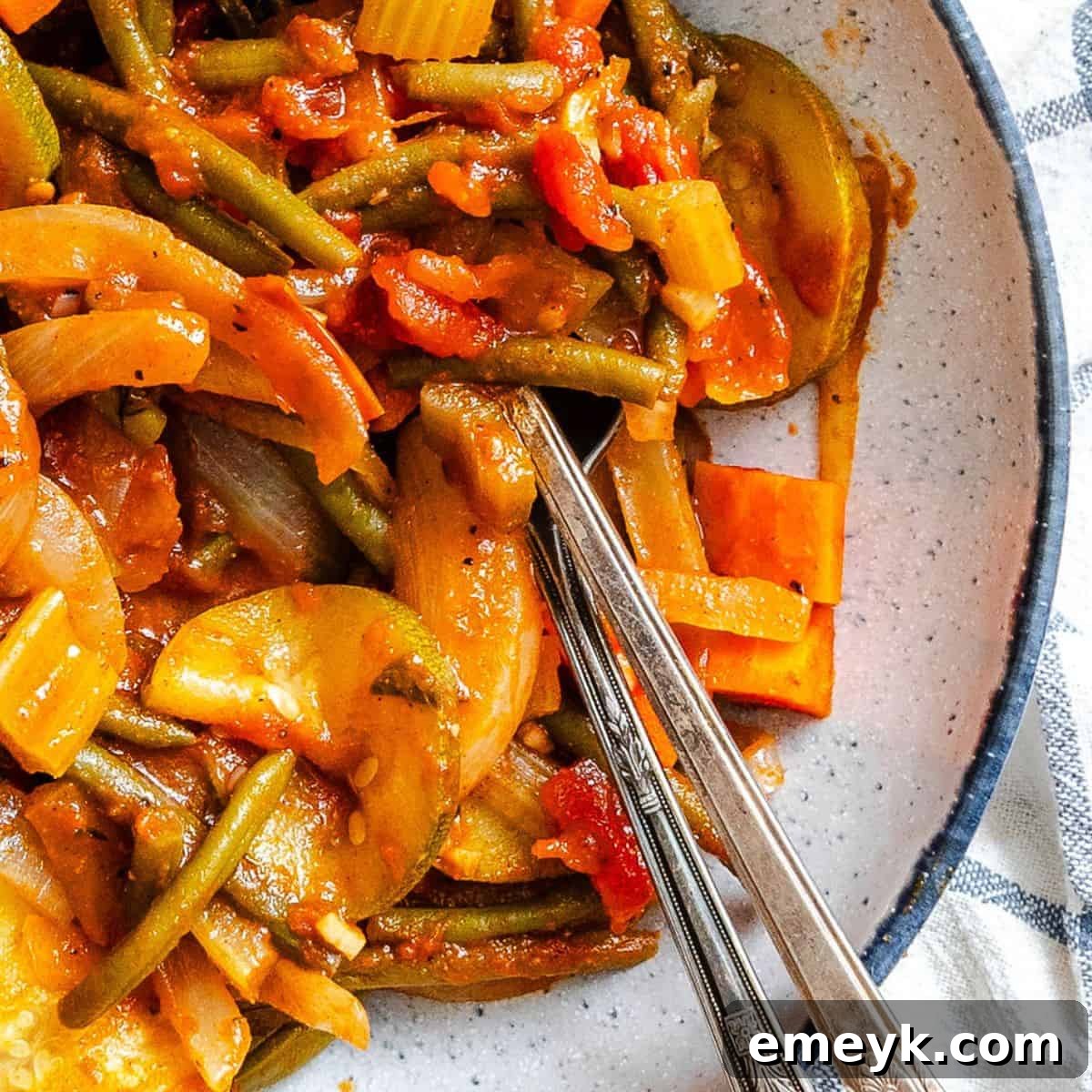
These Authentic Lebanese Vegetables, traditionally known as Loubieh bi Zeit, offer a delightful journey into the heart of Middle Eastern flavors. Slow-simmered to perfection with aromatic cinnamon and earthy cumin, this vibrant dish transforms simple garden vegetables into a truly memorable culinary experience that the entire family will adore. It’s a wonderful recipe that effortlessly simmers on your stovetop, allowing you to focus on other aspects of your meal preparation, and tastes even better as leftovers.
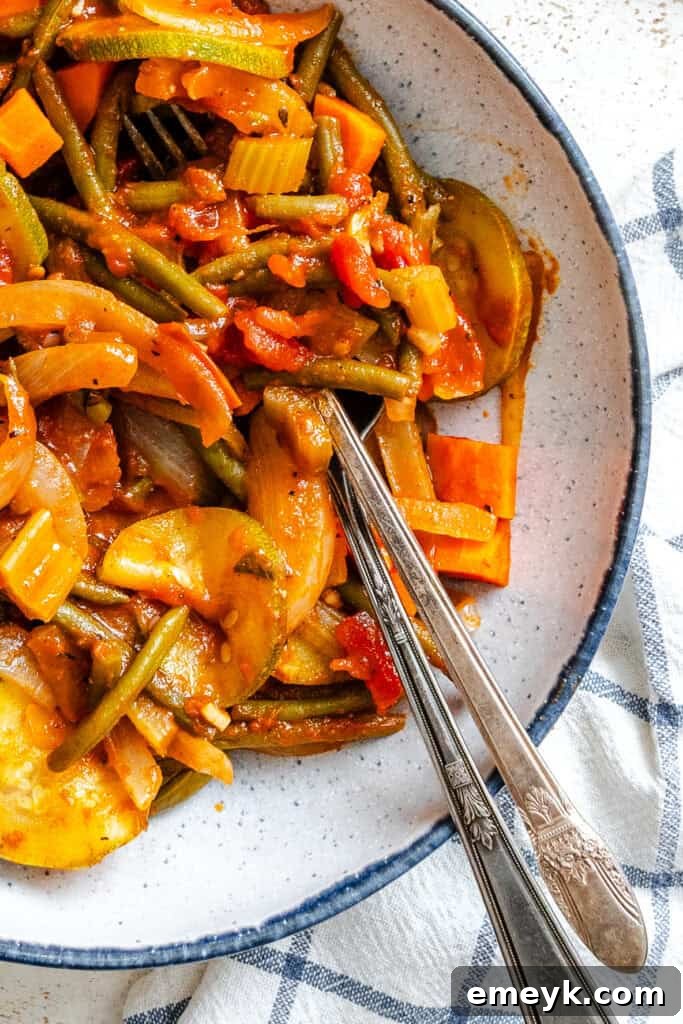
Growing up, my kitchen was often filled with the comforting aromas of Lebanese cuisine. The combination of warm, fragrant spices and an abundance of fresh, wholesome vegetables always created an inviting atmosphere. Today’s recipe for Lebanese Vegetables, or Loubieh bi Zeit, is a classic example of this culinary tradition. It’s a naturally vegan Lebanese stew featuring tender green beans and a colorful medley of other vegetables, all slowly cooked in a rich, savory base of sautéed onions, minced garlic, and ripe tomatoes, infused with those quintessential warm spices.
Loubieh bi Zeit is typically enjoyed cold or at room temperature, making it an excellent addition to a traditional mezze spread or as a refreshing side dish. I have fond memories of savoring Lebanese Green Beans at my Grandma’s house. The sweet, savory smell wafting from her kitchen as they simmered was truly unforgettable. This Lebanese Vegetable recipe draws inspiration from those cherished flavors, using a similar blend of spices to evoke that authentic taste of home.
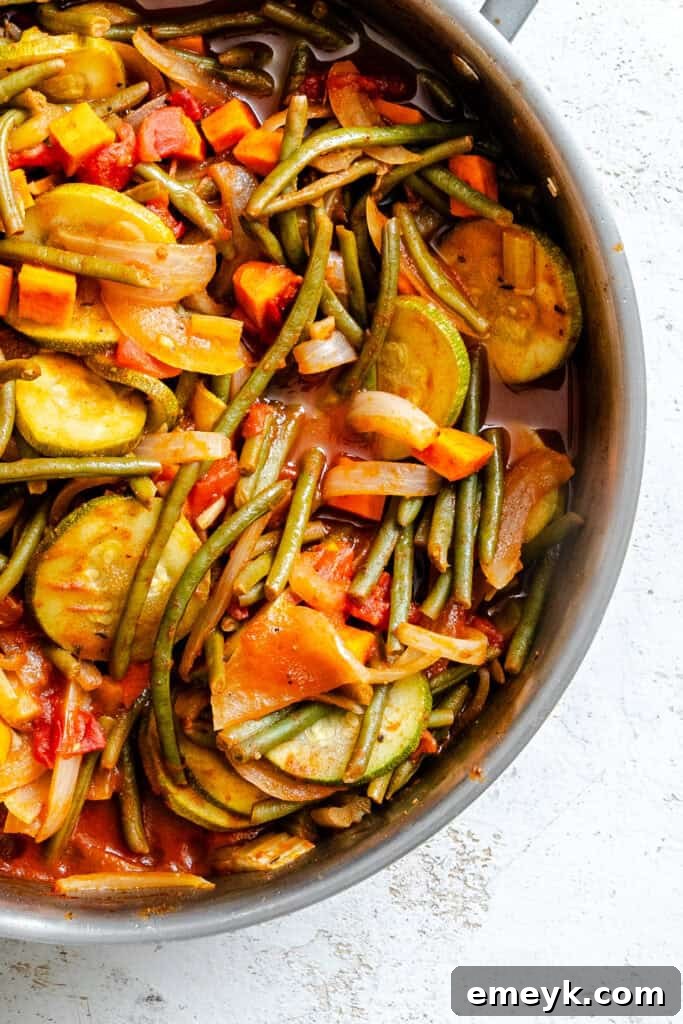
This incredibly versatile and delicious side dish masterfully blends zucchini, crisp green beans, vibrant diced tomatoes, sweet onion, crunchy carrots, and aromatic celery. These fresh ingredients are then elevated by the subtle warmth of cumin and the inviting sweetness of cinnamon. The magic truly happens during the slow simmering process, which allows all the flavors to meld and deepen into a harmonious symphony. The beauty of this dish lies in its adaptability: feel free to customize it to your palate! If zucchini isn’t your preference, simply swap it out for florets of cauliflower or perhaps a tender yellow squash. For those exploring more Mediterranean-style vegetable dishes, I highly recommend trying my Mediterranean Roasted Vegetables. These Lebanese Vegetables also pair exquisitely with main courses like Shish Tawook Chicken Thighs or served alongside creamy Hummus with Spiced Beef and Toasted Pine Nuts, creating a balanced and satisfying meal.
Why You’ll Fall in Love with Loubieh bi Zeit
- Rich, Authentic Flavor: Experience the comforting, aromatic blend of cinnamon, cumin, and fresh vegetables stewed in a tomato base – a true taste of Lebanon.
- Naturally Vegan & Healthy: Packed with nutrient-dense vegetables, this dish is a fantastic plant-based option that’s wholesome and satisfying.
- Incredibly Versatile: Enjoy it as a standalone side, a hearty addition to a mezze platter, or even a light main course with a side of rice or pita bread.
- Simple to Prepare: With straightforward steps and common ingredients, even beginner cooks can achieve impressive results.
- Perfect for Meal Prep: Loubieh bi Zeit holds up beautifully in the refrigerator, making it an ideal make-ahead dish for healthy lunches or dinners throughout the week. Its flavors often deepen and improve with time!
Essential Recipe Ingredients
Crafting these delectable Lebanese Vegetables begins with a selection of simple, fresh ingredients that come together to create a truly rich and aromatic dish. Here’s a detailed look at what you’ll need to gather:
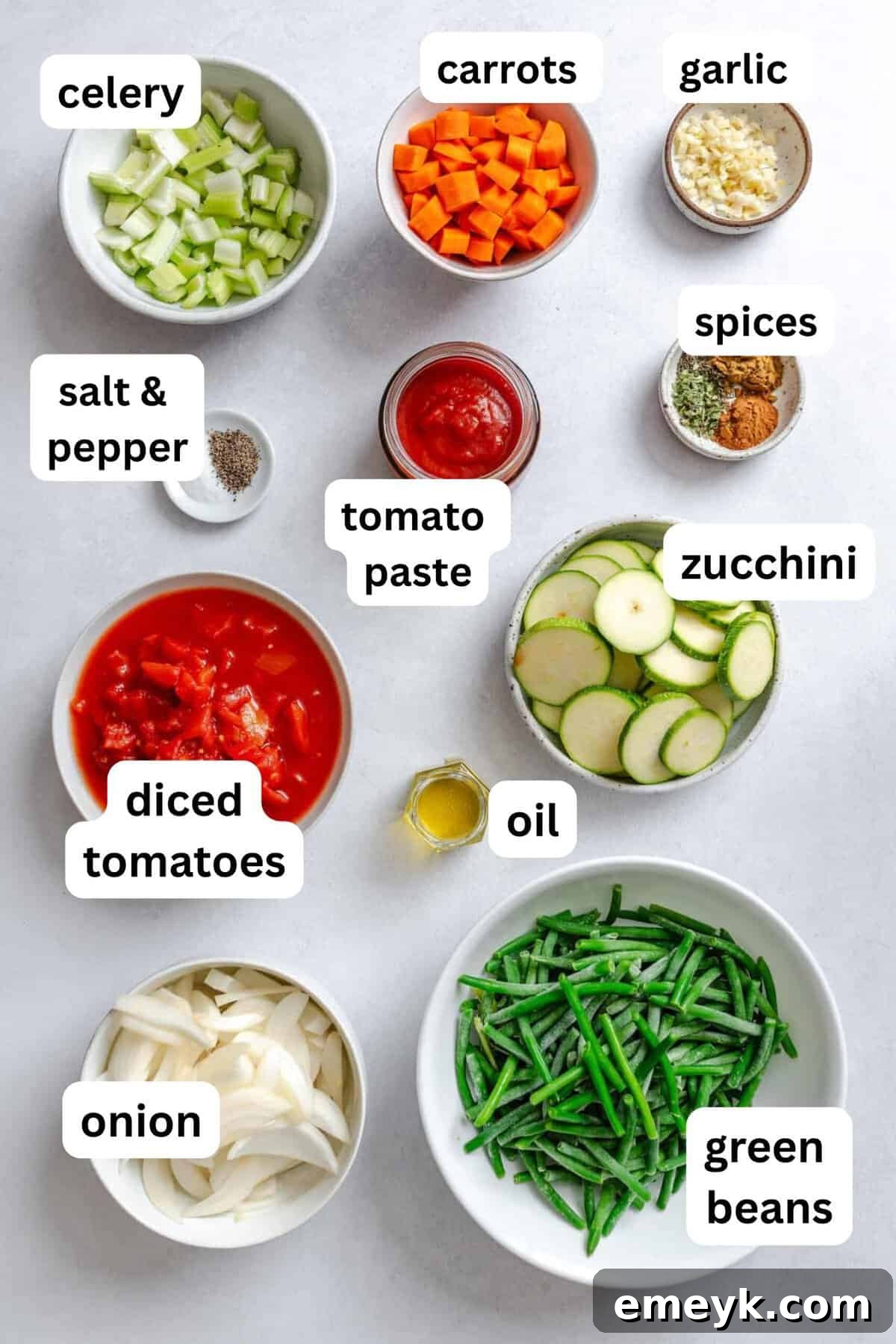
This overview highlights the core components; for precise quantities and printable instructions, please refer to the complete recipe card below.
- Garden Vegetables: The heart of this side dish is a colorful and nutritious mix. We combine crisp celery, sweet carrots, mild onion, tender zucchini, and convenient frozen green beans. This combination creates a delightful texture and flavor profile that harmonizes beautifully with the warm spices. While fresh green beans can certainly be used, frozen ones offer an excellent shortcut without compromising quality.
- Fresh Garlic: Minced fresh garlic is highly recommended for its pungent aroma and depth of flavor, which is crucial in Lebanese cuisine. If fresh isn’t available, a good quality garlic powder can be used in a pinch, or you can omit it if preferred, though it will alter the classic taste.
- Tomato Base: The rich, slightly acidic foundation of this stew comes from a combination of diced tomatoes and smooth tomato sauce. For an added layer of complexity and a subtle smoky undertone, consider using fire-roasted diced tomatoes.
- Warm Spices: These are the soul of the dish, infusing every bite with comforting Lebanese warmth. Our blend includes fragrant cumin for its earthy notes, sweet cinnamon for its distinctive warmth, savory thyme, and aromatic oregano. This quartet of spices creates the signature flavor profile of Loubieh bi Zeit.
- Olive Oil: Essential for sautéing and providing a healthy, rich base for the vegetables.
- Salt and Pepper: To season to taste and enhance all the natural flavors.

Recipe Customizations & Additions
One of the many joys of cooking Loubieh bi Zeit is its incredible flexibility. This dish is forgiving and welcomes a variety of modifications to suit your taste, what you have on hand, or to create a new flavor experience:
- Vegetable Swaps: Feel free to experiment with other garden delights. Chopped eggplant, vibrant bell peppers (red or yellow work wonderfully), sweet peas, or different types of squash (like butternut or acorn squash) would all make excellent additions. Cauliflower florets and turnips also cook down beautifully and absorb the flavors.
- Spice Variations: While the core spices are traditional, you can certainly introduce others to customize the warmth. A pinch of paprika or smoked paprika can add a lovely color and depth, chili powder can introduce a gentle heat, or a dash of Italian seasoning can provide an interesting aromatic twist.
- Boost of Protein (or Fiber!): To transform this side dish into a more substantial meal, consider adding legumes. White beans (such as cannellini or great northern), chickpeas, or even black beans would provide a wonderful source of plant-based protein and fiber, making it even more filling.
- Other Delightful Ingredients: Mushrooms can add an umami depth. Stir in fresh spinach, Swiss chard, or kale during the last 10 minutes of simmering for extra greens. A sprinkle of pickled red onions on top after serving offers a bright, tangy contrast that cuts through the richness beautifully.
- Herbs: Fresh parsley or cilantro, stirred in at the end or used as a garnish, adds a burst of freshness.

Simple Steps to Make Lebanese Vegetables (Loubieh bi Zeit)
Creating this flavorful Lebanese vegetable stew is a straightforward process that yields incredibly delicious results. Follow these easy steps to bring the authentic taste of Loubieh bi Zeit to your table:
Step 1: Soften the Aromatics. Begin by heating the olive oil in a large, heavy-bottomed pot or Dutch oven over medium heat. Once shimmering, add the chopped onion, carrots, and celery. Sauté these vegetables gently, stirring occasionally, until they become tender and translucent, which typically takes about 8-10 minutes. This step is crucial for building the foundational flavor of the dish. Next, stir in the minced garlic and continue to sauté for another two minutes, allowing its fragrant aroma to develop without browning.
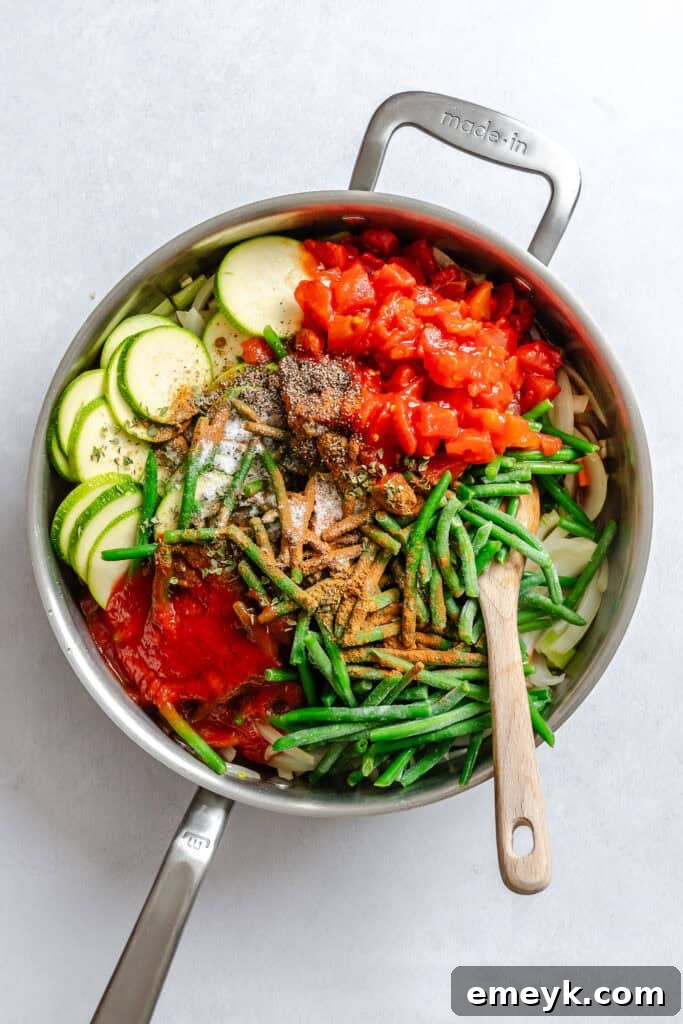
Step 2: Simmer and Infuse. Once your aromatics are softened, add the remaining ingredients to the pot: the sliced zucchini, frozen green beans, canned diced tomatoes (undrained), tomato sauce, cumin, cinnamon, thyme, and oregano. Stir everything thoroughly to ensure all the vegetables are well coated with the tomato base and spices. Reduce the heat to low, cover the pot with its lid, but tilt it slightly to allow a small amount of steam to escape. Let the mixture gently simmer for approximately 40 minutes, stirring occasionally to prevent sticking and ensure even cooking. During this slow simmer, the vegetables will become wonderfully tender, and the flavors will deepen and meld beautifully. Once cooked, taste and adjust seasoning with salt and freshly ground black pepper as needed. Serve your exquisite Lebanese Vegetables warm, either as a standalone side dish or spooned generously over a bed of fluffy rice.
Storage & Make-Ahead Tips
Lebanese Vegetables (Loubieh bi Zeit) are a fantastic dish for meal prepping, as they taste even better the next day when the flavors have had more time to marry and deepen. Here’s how to properly store your leftovers or make them ahead:
- Cool Completely: Before transferring to storage containers, always allow the cooked vegetables to cool down to room temperature. This is crucial to prevent condensation from forming inside the container, which can lead to sogginess and a shorter shelf life. Ensure they don’t sit out at room temperature for longer than 2 hours.
- Refrigeration: Once cooled, transfer the Lebanese vegetables to an airtight container. They will keep beautifully in the refrigerator for up to 4-5 days.
- Freezing: This dish freezes remarkably well! For longer storage, allow the vegetables to cool completely. Transfer them to freezer-safe airtight containers or heavy-duty freezer bags. They can be frozen for up to 3 months. Thaw overnight in the refrigerator before reheating.
- Reheating: Gently reheat on the stovetop over medium-low heat, stirring occasionally, until warmed through. You might need to add a splash of water or vegetable broth to loosen the sauce if it has thickened too much. Alternatively, you can microwave individual portions.
Frequently Asked Questions (FAQ)
Absolutely! Fresh tomatoes would be a wonderful addition, especially if you have an abundance from your garden or a local farmers market. Simply chop them roughly and add them to the pot as you would the canned diced tomatoes. You may need to adjust the simmering time slightly as fresh tomatoes might release more liquid. Roma or plum tomatoes are great choices.
Traditionally, Loubieh bi Zeit is often served at room temperature or chilled as an integral part of a mezze (small dishes) spread. However, it is equally delicious served warm as a comforting side dish, especially during cooler months. I personally enjoy it all three ways, depending on what I’m pairing it with and the occasion!
While the classic Loubieh bi Zeit is a vegan dish, it’s certainly possible to add meat for a heartier, protein-packed version. Ground beef or ground lamb are popular choices. Simply brown the meat in the pot after sautéing the onions and before adding the other vegetables and tomatoes. Drain any excess fat, then proceed with the recipe as directed.
This versatile dish shines alongside a variety of meals. It’s excellent with grilled chicken or fish, roasted lamb, or as part of a larger vegetarian platter. It pairs perfectly with fluffy rice, couscous, quinoa, or simply with warm pita bread for dipping into the flavorful sauce. Don’t forget a fresh squeeze of lemon juice and a sprinkle of fresh parsley before serving!
Yes, if you enjoy a little heat, you can easily adapt this recipe. Add a pinch of red pepper flakes along with the other spices, or include a finely chopped jalapeño or serrano pepper when sautéing the onions. A drizzle of your favorite hot sauce or a sprinkle of Aleppo pepper at the end can also provide a pleasant kick.
Explore More Lebanese & Mediterranean Delights
If you’ve enjoyed the rich flavors of these Lebanese Vegetables, you’ll surely love exploring other traditional and modern Lebanese and Mediterranean recipes. Here are some of our favorites that perfectly complement this dish or offer new culinary adventures:
Beef
Lebanese Beef and Green Beans
Vegetarian
Instant Pot Lebanese Green Beans
Mediterranean
Lebanese Lentil Soup
Mediterranean
Easy Lebanese Salad
Tried this recipe? Share your thoughts and photos! Subscribe to my newsletter or follow me on Facebook, Instagram, or Pinterest for the latest recipes and culinary inspiration.
Lebanese Vegetables (Loubieh bi Zeit)
Julia Jolliff
Print Recipe
10 mins
40 mins
50 mins
6
Ingredients
- 2 tablespoons olive oil
- 4 garlic cloves, minced
- 2 large celery stalks, chopped
- 2 large carrots, peeled and chopped
- 1 sweet onion, chopped into medium slices
- 1 large zucchini, cut in slices
- 1 10.8 ounce bag of frozen green beans, (fresh can also be used)
- 1 14.5 ounce can of diced tomatoes
- 1 8 ounce can of tomato sauce
- 1 tablespoon cumin
- 1 teaspoon cinnamon
- 1/2 teaspoon thyme
- 1 teaspoon oregano
- Salt and pepper to taste
Instructions
- Heat the olive oil in a large pot over medium heat. Add the chopped onion, carrots, and celery. Sauté until they are soft and translucent, about 8-10 minutes. Stir in the minced garlic and continue to sauté for another two minutes until fragrant.
- Add the sliced zucchini, frozen green beans, diced tomatoes (with their juice), tomato sauce, cumin, cinnamon, thyme, and oregano to the pot. Stir well to combine all ingredients.
- Reduce the heat to low. Cover the pot with a lid, leaving it slightly ajar to allow steam to escape. Simmer for 40 minutes, stirring occasionally, until the vegetables are tender and the flavors have fully developed.
- Taste the stew and season with salt and freshly ground black pepper as desired.
- Serve warm as a flavorful side dish or spooned over a bed of rice for a complete meal. Enjoy!
Notes
- Feel free to customize this dish with your favorite vegetables. Other great additions include yellow squash, cauliflower, bell peppers, or even leafy greens like spinach or kale added in the last 10 minutes.
- This vegetable dish is incredibly versatile. It pairs wonderfully over rice, serves as a delicious side dish with various proteins like grilled chicken or fish, or even alongside roasted turkey.
- For a brighter finish, a squeeze of fresh lemon juice just before serving truly elevates the flavors.
Nutrition Information (Approximate)
Serving: 6g,
Calories: 79kcal,
Carbohydrates: 8g,
Protein: 2g,
Fat: 5g,
Saturated Fat: 1g,
Polyunsaturated Fat: 1g,
Monounsaturated Fat: 4g,
Sodium: 42mg,
Potassium: 333mg,
Fiber: 2g,
Sugar: 4g,
Vitamin A: 4243IU,
Vitamin C: 14mg,
Calcium: 52mg,
Iron: 1mg
Nutrition information is automatically calculated, so should only be used as an approximation.
Tried this recipe?
Mention @acedarspoon or tag #acedarspoon!