
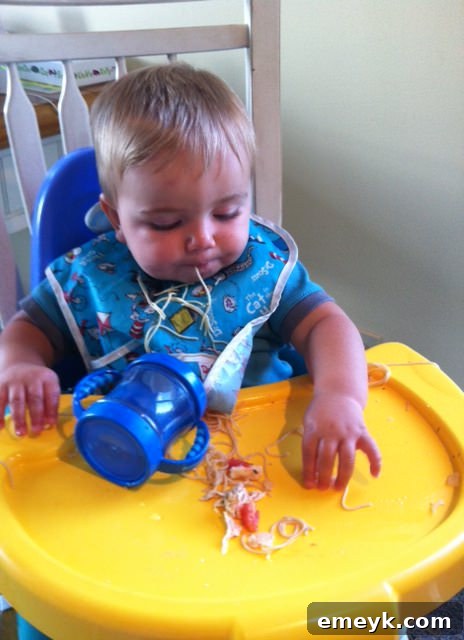
Nourishing Your Little Explorer: Healthy & Easy Toddler Meals On-the-Go and At Home
The weekend is finally here, and what a week it has been! We’ve just returned from a refreshing family vacation, and while getting back into the swing of things at home, my mind keeps drifting back to the breathtaking scenery of Traverse City, Michigan. It was an unforgettable trip filled with serene landscapes, beautiful sunsets, and cherished family moments. I can’t wait to share all the details and our adventures with you in the coming days!
To give you a glimpse of the magic we experienced, here are a couple of pictures that truly capture the essence of our Michigan getaway. The tranquility of the sunset over Lake Michigan and the majestic beauty of the Sleeping Bear Dunes were truly awe-inspiring.


As much as I adore traveling and exploring new places, there’s always a special comfort in returning home. There’s nothing quite like sleeping in your own bed after a long journey, and settling back into familiar routines. This sense of routine, especially when it comes to family life, often brings us to the topic of daily challenges – and for many parents, feeding a one-year-old can be a significant one!
Navigating the Toddler Food Dilemma: Healthy Choices for Your Little One
Today, I wanted to dive into a topic that frequently comes up in conversations with other parents, particularly in the mom’s group I’m part of on Facebook: what to feed a one-year-old, especially when you’re on the go. It’s a common struggle, and one that I’ve certainly faced myself. As parents, we want the best for our children, and that includes providing nutritious, wholesome food that fuels their growth and development.
For my family, delicious and healthy food is a cornerstone of our lifestyle. I strongly believe in instilling these values in my children from a young age. In a world saturated with highly processed foods, I’ve made a conscious effort to keep my baby’s diet as natural as possible, minimizing additives and focusing on whole ingredients. Fruits and vegetables are my personal favorites, and it’s incredibly important to me that my little one learns to love them too. I know this can be a lofty goal – some kids are just pickier than others – but with persistence and creativity, it’s definitely achievable!
The challenge intensifies when you’re out and about, needing quick, easy, and healthy food options that a toddler will actually eat. This list is designed to be a helpful resource, offering practical suggestions for nutritious finger foods and meals that are suitable for a one-year-old who has already been introduced to solids and is comfortable with various textures.
 Important Disclaimer: Please Read Carefully
 Important Disclaimer: Please Read Carefully
I am not a medical professional, registered dietitian, or expert on infant and toddler nutrition. The suggestions provided in this article are based solely on my personal experience as a parent and should not be considered professional medical or dietary advice. These food ideas are generally geared towards babies who have already started eating finger foods and are showing signs of readiness for a wider variety of textures and tastes.
Always consult with your pediatrician before introducing new foods to your baby, especially concerning the timing of solid food introduction, appropriate portion sizes, and methods for preparing food safely. Every baby is unique, and sensitivities or allergies can vary greatly. When introducing a new food, follow the “four-day wait rule” – introduce one new food at a time and wait four days before introducing another to monitor for any allergic reactions.
Safety is paramount: To prevent choking hazards, ensure all food is cut into small, bite-sized pieces, appropriate for your baby’s age and chewing ability. Avoid hard, round, or sticky foods that pose a high choking risk. Always supervise your child while they are eating.
Easy and Nutritious Finger Foods for Toddlers
Crafting balanced and appealing meals for a one-year-old doesn’t have to be complicated. The key is offering a variety of textures, colors, and nutrients. Here are some of our family’s go-to options, categorized for your convenience:
Fruit Favorites: Sweet, Nutritious & Portable
Fruits are natural powerhouses of vitamins, minerals, and fiber. They’re naturally sweet and often very appealing to little ones. Always ensure fruits are ripe and soft enough for easy chewing and swallowing, and remember to cut them into small, safe pieces.
- Banana Chunks: A classic for a reason! Soft, easy to mash, and packed with potassium. Cut into small, manageable rounds or strips.
- Small Cut-Up Berries: Blueberries, raspberries, and blackberries are rich in antioxidants. Always quarter blueberries lengthwise to prevent choking. Other berries should be checked for size and cut appropriately.
- Soft Stone Fruits: Ripe peach, nectarine, and plum pieces. Peel if the skin is tough, and dice them into tiny cubes.
- Tropical Treats: Kiwi (peeled and diced), mango chunks (soft and ripe).
- Cherry Pieces: Ensure they are pitted and cut into quarters.
- Melon Cubes: Cantaloupe, honeydew, and watermelon (seedless) cut into small cubes are refreshing and hydrating.
- Applesauce: Unsweetened applesauce is a great source of fiber. Can be served as a side or mixed into oatmeal.
- Frozen Blueberries: A fantastic option for teething babies or as a cooling snack. Ensure they are still cut into quarters after thawing slightly if they are large, or mash them slightly.
- Small Mandarin Pieces: Peel and separate segments, removing any strings or seeds.
- Steamed Pear Chunks: Steaming softens the pear, making it easier for babies to chew and digest.
Vegetable Powerhouses: Essential Nutrients for Growth
Vegetables provide a wealth of vitamins, minerals, and fiber crucial for healthy development. Steaming or roasting until soft makes them ideal for tiny hands and mouths.
- Edamame: I love buying shelled edamame (like the ones from Trader Joe’s) as they are easy to prepare and fun for babies to pick up. They offer a good source of protein and fiber.
- Steamed Mixed Veggies: Offer a colorful array of soft-steamed carrots, green beans, or sweet potato cubes.
- Cooked Zucchini or Carrot Sticks: Steam or roast until tender enough to be easily squished between your fingers.
- Squash and Pumpkin: Cooked and cubed butternut squash, acorn squash, or pumpkin are naturally sweet and nutrient-dense.
- Cubed Yams, Sweet Potato, or Potato: Roast or boil until very soft, then cut into small cubes. These are excellent sources of complex carbohydrates.
- Frozen Peas: A tiny, soft, and convenient source of vitamins. No need to cut!
- Cooked Broccoli and Cauliflower Florets: Steam until very soft, then cut into small, manageable pieces.
- Avocado Chunks: A fantastic source of healthy fats and incredibly soft. Cut into small cubes or mash slightly.
Breakfast Delights: Starting the Day Right
A good breakfast sets the tone for the day. Aim for a mix of carbohydrates, protein, and healthy fats.
- Yogurt with Fruit: I opt for plain, unsweetened whole milk yogurt and mix in fresh fruit (like berries or banana) or a little unsweetened applesauce. This avoids added sugars while providing calcium and probiotics.
- Oatmeal with Fruit: Cooked with water or whole milk, then stirred with fruit puree or small pieces of soft fruit. A fiber-rich start to the day.
- Whole Grain Toast, Muffin, Bagel, or English Muffin Pieces: Cut into small, manageable squares. You can spread a thin layer of cream cheese, mashed avocado, or a nut butter (ensure it’s thinly spread to prevent choking and check for allergies).
Lunch, Dinner, and Snack Ideas: Versatile Meals for Any Time
These options are great for main meals or substantial snacks, offering a good balance of protein, grains, and healthy fats.
- Pasta: Small pasta shapes (like orzo, ditalini, or small shells) cooked until very soft. Can be tossed with a little olive oil, butter, or a mild vegetable sauce.
- Spaghetti: Cut into short strands. Be mindful that tomato-based sauces can be quite acidic, which might irritate sensitive tummies or cause a mild rash around the mouth. Offer in moderation initially.
- Cut-Up Ravioli: Small cheese ravioli, cooked until very soft and then cut into small squares.
- Meatballs: Small, soft turkey or beef meatballs (homemade are best to control sodium), cut into small pieces. Ensure they are fully cooked.
- Tofu: Firm tofu, cut into small cubes and lightly pan-fried or baked. A great plant-based protein.
- Chopped Chicken or Turkey: Cooked and finely shredded or diced poultry.
- Ground Beef or Pieces of Hamburger: Fully cooked and crumbled ground beef, or small pieces of a well-cooked, lean burger patty.
- Pieces of Fish: Flaky white fish (like cod or tilapia) or salmon, cooked and carefully flaked, ensuring no bones. Fish is an excellent source of healthy fats.
- Cheese Cubes or Shredded Cheese: Mild cheeses cut into small cubes or shredded. A good source of calcium.
- Cheerios or Puffs: Excellent for developing fine motor skills and easy to carry. Choose low-sugar varieties.
- Crackers: Whole-grain, low-sodium crackers, broken into small pieces.
- Whole Wheat Tortilla: Can be cut into strips or small triangles. You can melt a little cheese on it, or spread mashed avocado.
- Wheat Bread with Hummus: Small pieces of whole wheat bread with a thin layer of hummus.
- Mini Grilled Cheese: Made with whole wheat bread and mild cheese, cut into small squares or strips.
- Homemade Guacamole: Mashed avocado with a tiny squeeze of lime juice. Great on toast or with tortilla pieces.
- Quinoa: A complete protein, cooked until soft. Can be mixed with vegetables or a mild sauce.
- Rice: Cooked white or brown rice, mixed with soft vegetables or a little butter.
- Teething Biscuit: A classic for a reason, designed for babies to gnaw on safely.
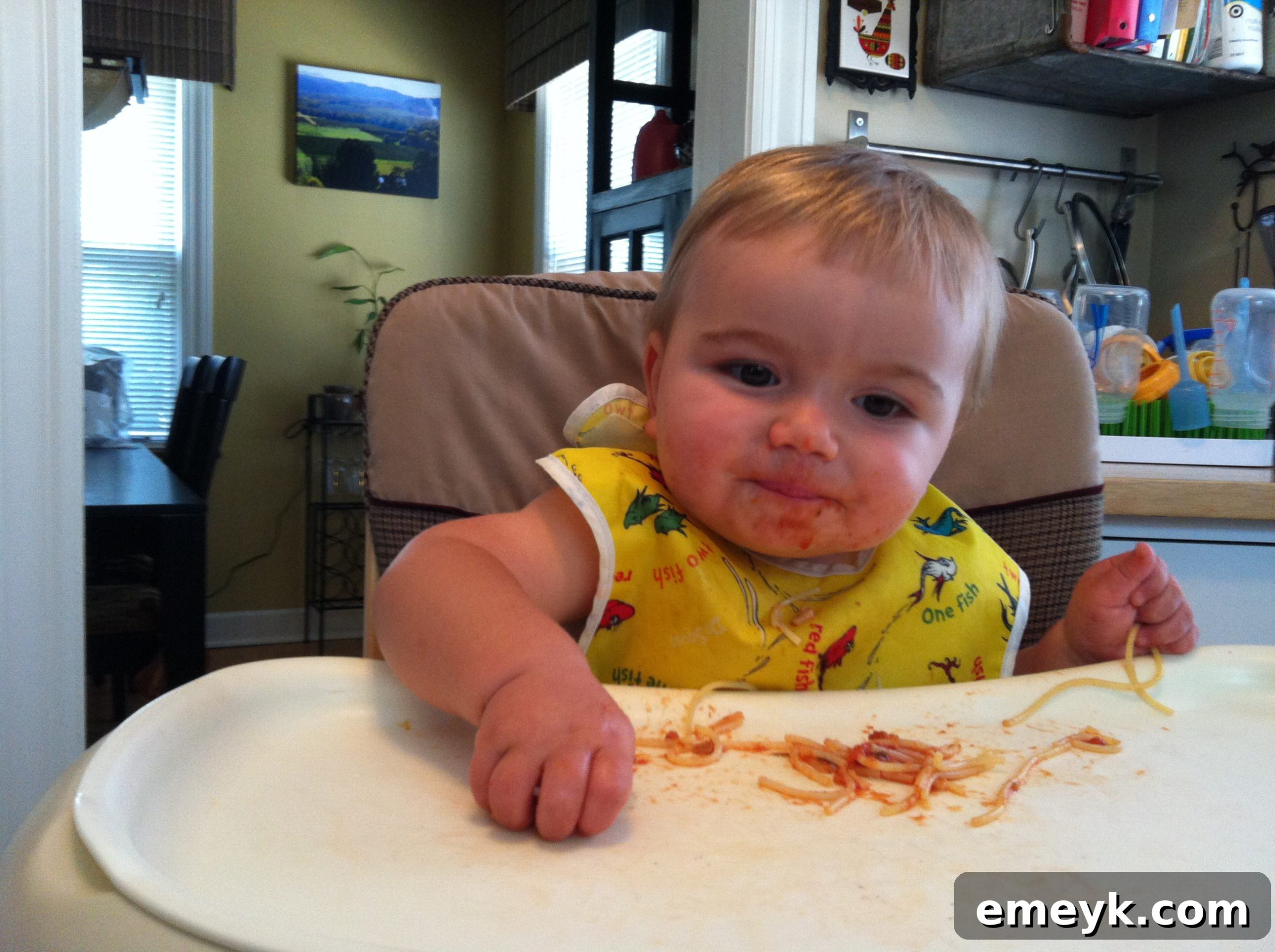
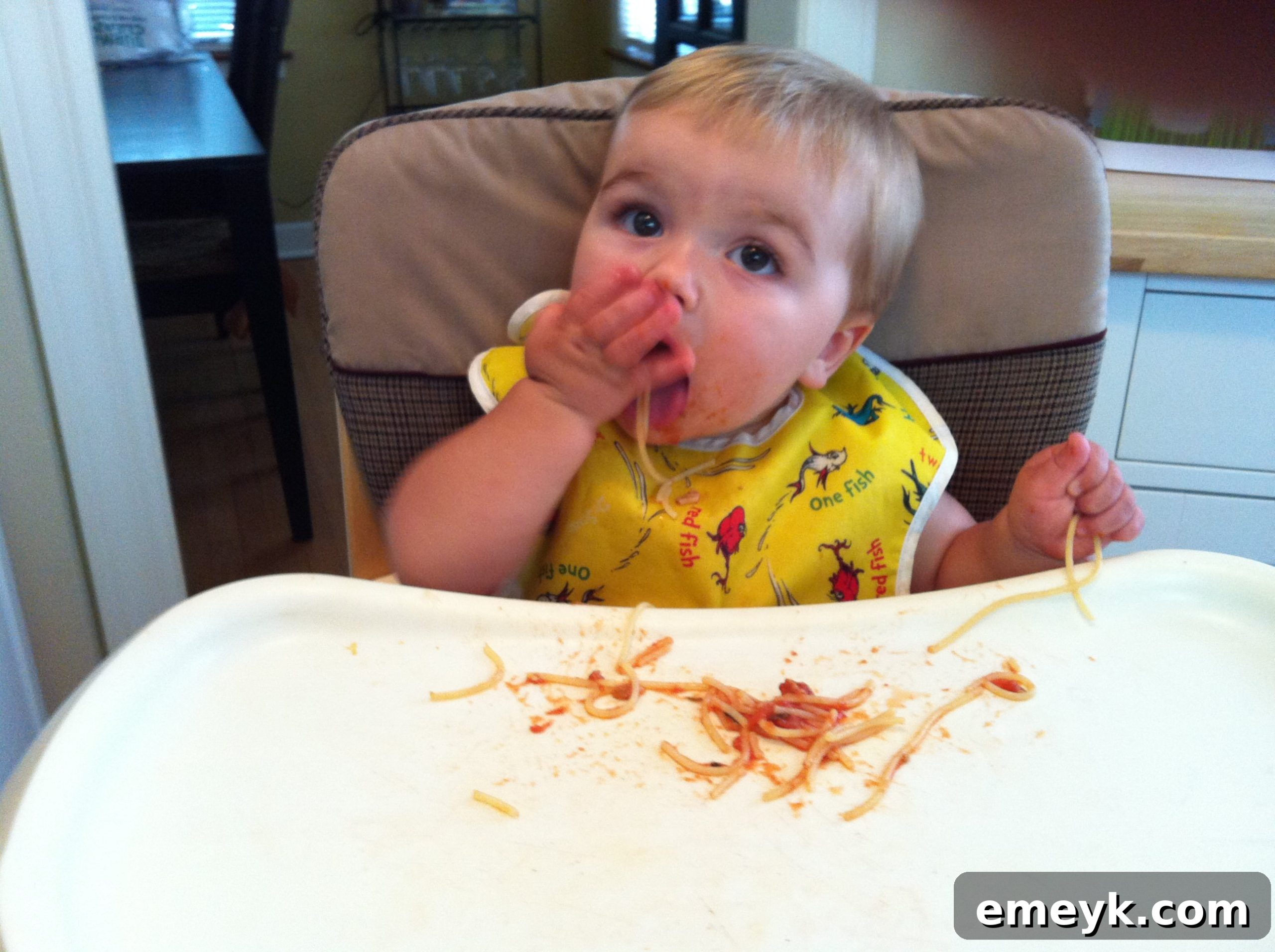
I simply had to include these adorable pictures of Will eating spaghetti for the very first time! He absolutely LOVED it, and the messy joy was truly priceless.
Beyond the Plate: General Tips for Feeding Your Toddler
Feeding a toddler is as much about the food itself as it is about the experience. Here are a few additional tips to make mealtime more successful and enjoyable:
- Patience and Persistence: It’s common for toddlers to refuse foods, sometimes repeatedly. Don’t give up! Offer new foods multiple times, sometimes in different preparations, before deciding your child dislikes it.
- Lead by Example: Toddlers are great imitators. Eat healthy foods yourself, and they’ll be more likely to try them.
- Involve Them: Let your toddler “help” with meal prep when safe, like washing soft fruits or stirring ingredients. This fosters curiosity and a positive relationship with food.
- Establish a Routine: Regular meal and snack times help toddlers know what to expect and can prevent excessive grazing or hunger meltdowns.
- Limit Distractions: Try to make mealtime a calm, focused activity. Turn off screens and encourage family conversation.
- Don’t Pressure: Forcing a child to eat can create negative associations with food. Offer healthy options and let them decide how much to eat.
- Hydration is Key: Offer water frequently throughout the day, especially with meals.
- Embrace the Mess: Eating is a sensory experience for toddlers. They learn by touching and exploring food. A little mess is normal and a sign of active engagement!
Empowering Parents with Healthy Toddler Food Ideas
Returning from a lovely vacation, refreshed and re-energized, reminds me of the simple joys and challenges of parenthood. Providing wholesome, natural food for our little ones is a journey, not a destination. It’s about making mindful choices, being prepared, and sometimes, simply embracing the mess and the learning process.
I hope this comprehensive list of toddler-friendly foods and practical tips serves as a valuable resource for you and your family. Remember, every baby’s development and preferences are unique, so trust your instincts, consult your pediatrician, and enjoy the adventure of introducing your little explorer to the wonderful world of flavors and textures. Happy feeding!