

Effortless Tempeh & Vegetable Chow Mein: A Quick & Healthy Weeknight Delight
Transform your dinner routine with this incredibly simple yet intensely flavorful Easy Vegetable Chow Mein. This recipe marries tender, savory tempeh with a vibrant blend of crisp coleslaw mix, crunchy bean sprouts, and fresh green onions, all tossed with perfectly chewy chow mein noodles in a rich, homemade stir-fry sauce. It’s a fantastic solution for a delicious and nutritious meal that comes together in under 30 minutes, making it an ideal choice for even the busiest weeknights.
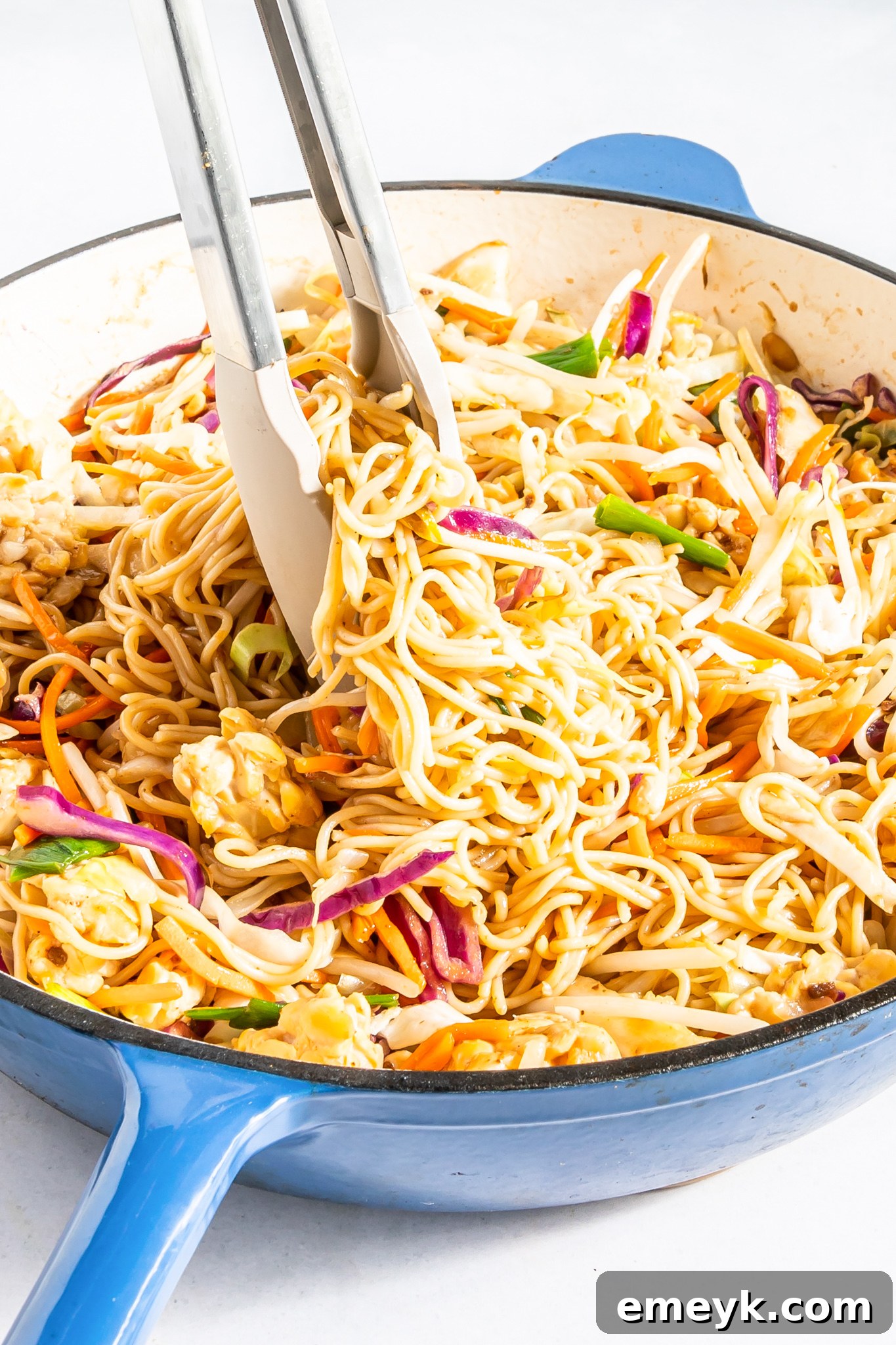
My passion for stir-fry recipes runs deep, and today’s Easy Vegetable Chow Mein perfectly embodies everything I adore about them: speed, flavor, and incredible versatility. While traditional chow mein often features meat, this particular vegetarian rendition spotlights the hearty texture and rich nutritional benefits of tempeh. However, the beauty of this dish lies in its adaptability; if tempeh isn’t your preference, you can effortlessly swap it for firm tofu, or even add your favorite meat option like chicken or shrimp. One of the greatest advantages of recipes like this is their flexibility – they serve as an excellent canvas for using up any leftover vegetables you might have in your refrigerator, minimizing food waste and maximizing freshness and nutritional value.
Finding a wholesome, flavorful meal that can be prepared and served quickly is a common challenge for many busy individuals and families. This chow mein recipe rises to that challenge, offering an effortlessly quick and satisfying solution for weeknight dinners. Many of the essential ingredients, such as Hoisin sauce, bean sprouts, and various fresh vegetables, are readily available at your local grocery store or a well-stocked Asian market, ensuring convenience and accessibility. Imagine the satisfaction of bringing a restaurant-quality meal to your table in less than half an hour – that’s the enticing promise of this delightful dish! Its straightforward preparation means you can spend less time cooking and more time enjoying a delicious, home-cooked meal with loved ones.
For those who frequently seek out quick and flavorful noodle or stir-fry dishes, this recipe will undoubtedly become a cherished favorite in your culinary repertoire. It seamlessly joins a roster of other beloved speedy meals that I often rotate through to keep dinner exciting and diverse. These include family favorites like the Easy Chicken Ramen Noodle Stir Fry, the robust Easy Thai Pork Stir-Fry, the vibrant Asian Shrimp Edamame Stir-fry, the delightful Easy Korean Noodles, the deconstructed Egg Roll in a Bowl, or the aromatic Spicy Thai Basil Chicken Stir-Fry. Each offers a unique flavor profile and culinary journey but shares the same commitment to ease of preparation, deliciousness, and satisfying nourishment.
Why You’ll Adore This Easy Vegetable Chow Mein
Beyond its simple preparation, this Easy Vegetable Chow Mein stands out for several compelling reasons:
- Lightning Fast: A true weeknight warrior, this dish goes from raw ingredients to a steaming plate of deliciousness in under 30 minutes, freeing up your evenings.
- Incredibly Versatile: This recipe is a culinary chameleon. Easily customize it with your favorite seasonal vegetables, explore different protein options, or adjust the spice level to perfectly suit your family’s palate.
- Healthy & Wholesome: Packed with an abundance of fresh vegetables and the complete protein powerhouse that is tempeh, it offers a balanced, nutritious, and incredibly satisfying meal.
- Budget-Friendly: Utilizing readily available and affordable ingredients, this chow mein is kind to your wallet without compromising on flavor or quality. It’s smart eating that doesn’t break the bank.
- Flavor-Packed: The savory homemade stir-fry sauce is the secret weapon, expertly blending sweet, salty, and umami notes that bring all the ingredients together with an irresistible, comforting kick.
- Vegetarian & Easily Vegan: A fantastic plant-based option that even devoted meat-eaters will thoroughly enjoy. It can be made fully vegan by ensuring your Hoisin sauce and noodles are plant-based.
- Excellent Leftovers: This dish tastes just as good, if not better, the next day, making it perfect for meal prepping and quick lunches.
Key Ingredients for Crafting Your Perfect Chow Mein
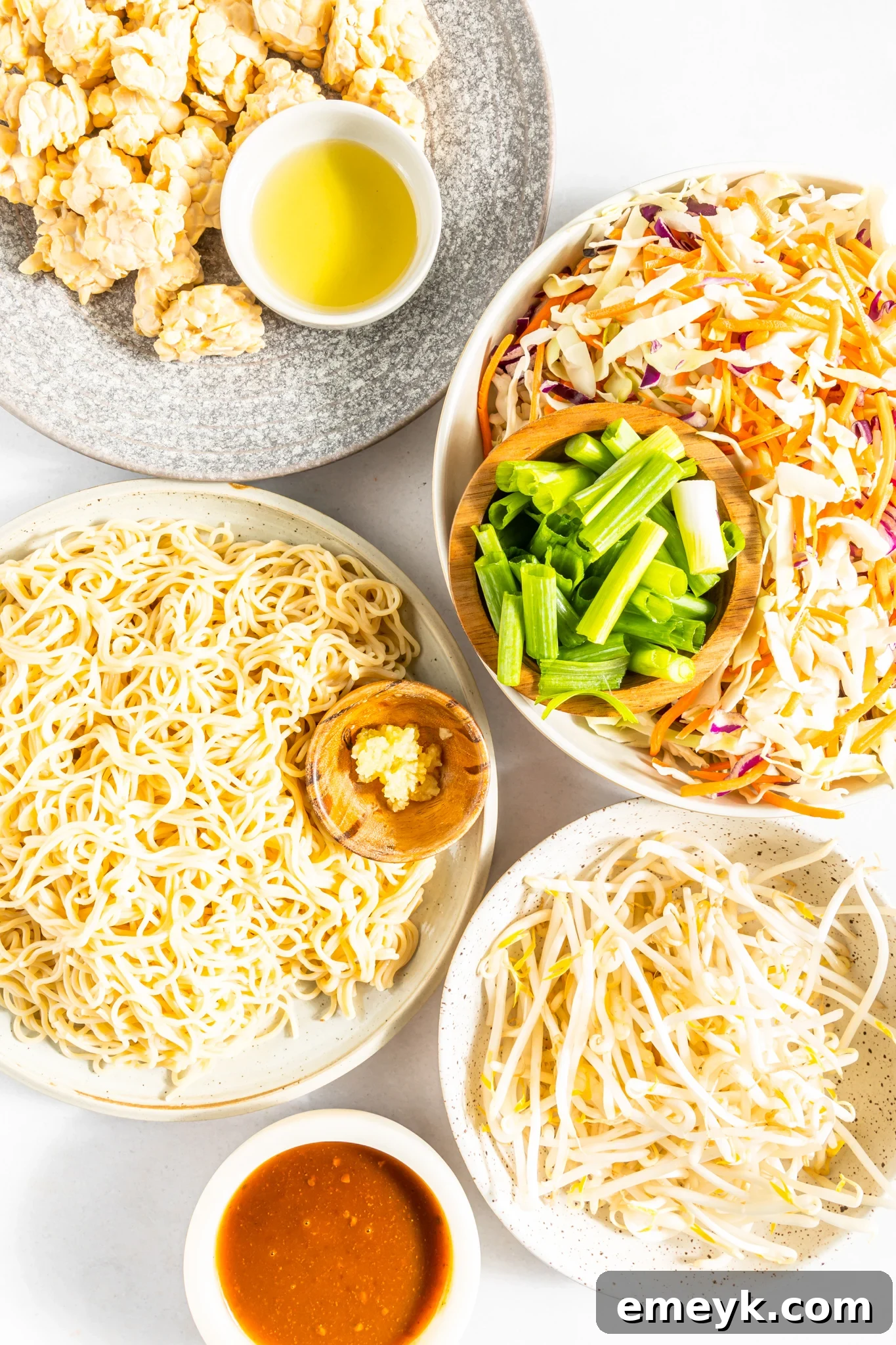
Crafting this delightful chow mein requires a handful of simple, fresh ingredients that are both nutritious and bursting with authentic Asian flavors. Here’s a closer look at what you’ll need, along with some insights into why each component is essential for this dish:
- Tempeh: We utilize an 8-ounce package of tempeh, crumbled into easily manageable bite-sized pieces. Tempeh, a traditional Indonesian food made from fermented whole soybeans, is a powerhouse of plant-based protein. It offers a firm, chewy texture and a subtle, earthy, nutty flavor that readily absorbs the savory stir-fry sauce, making it an excellent and satisfying meat alternative.
- Coleslaw Mix: A convenient bag of pre-shredded coleslaw mix, typically composed of cabbage and carrots, is a brilliant shortcut that drastically reduces your prep time. Of course, you can always shred fresh green or red cabbage yourself if you prefer, adding a custom touch. This mix provides a wonderful textural crunch and a vital boost of vitamins, wilting perfectly into the dish without becoming overly soggy.
- Bean Sprouts: Fresh bean sprouts are indispensable for adding an essential crispness and delicate, slightly sweet freshness that is characteristic of authentic chow mein. Always remember to rinse them thoroughly under cold water before incorporating them into your stir-fry to ensure cleanliness and peak freshness.
- Green Onions (Scallions): These slender, vibrant green onions contribute a mild, zesty onion flavor and a delightful pop of color, enhancing both the taste and visual appeal of the finished dish. They are often used both within the stir-fry and as a fresh garnish.
- Chow Mein Noodles: The very heart of any chow mein dish! This recipe calls for 8 ounces of chow mein noodles, which should be prepared according to their package instructions until al dente. For individuals adhering to a gluten-free diet, brown rice chow mein noodles are an excellent substitute, offering a similar satisfying texture and flavor without compromising dietary needs.
- Stir-Fry Sauce (Homemade is Highly Recommended!): While your favorite store-bought stir-fry sauce can certainly be used for ultimate convenience, crafting your own homemade sauce truly elevates the flavor profile of this dish to new heights. Our signature homemade stir-fry sauce is a harmonious and perfectly balanced blend of:
- Water: To help thin and distribute the sauce.
- Soy Sauce: The cornerstone of umami (use Tamari for a gluten-free alternative).
- Hoisin Sauce: Adds a sweet, savory, and tangy depth (look for gluten-free varieties if required).
- Rice Wine Vinegar: Provides a bright, subtle tang that cuts through the richness.
- Light Agave Nectar: Offers a touch of natural sweetness (honey or maple syrup are also suitable).
- Black Pepper: For a gentle warmth and subtle spice.
- Sesame Oil: Infuses the dish with an unmistakable nutty, aromatic essence.
This carefully crafted combination creates a perfectly balanced sweet, savory, and tangy sauce that generously coats every strand of noodle and every piece of vegetable, ensuring a burst of flavor in every bite.
- Avocado Oil: An ideal cooking fat for stir-frying due to its high smoke point and neutral flavor. Other suitable high-heat oils include grapeseed oil or canola oil.
- Fresh Garlic: The aromatic foundation that provides a pungent, irresistible base flavor, building complexity right from the start of the cooking process.
Step-by-Step: Crafting Your Easy Tempeh & Vegetable Chow Mein
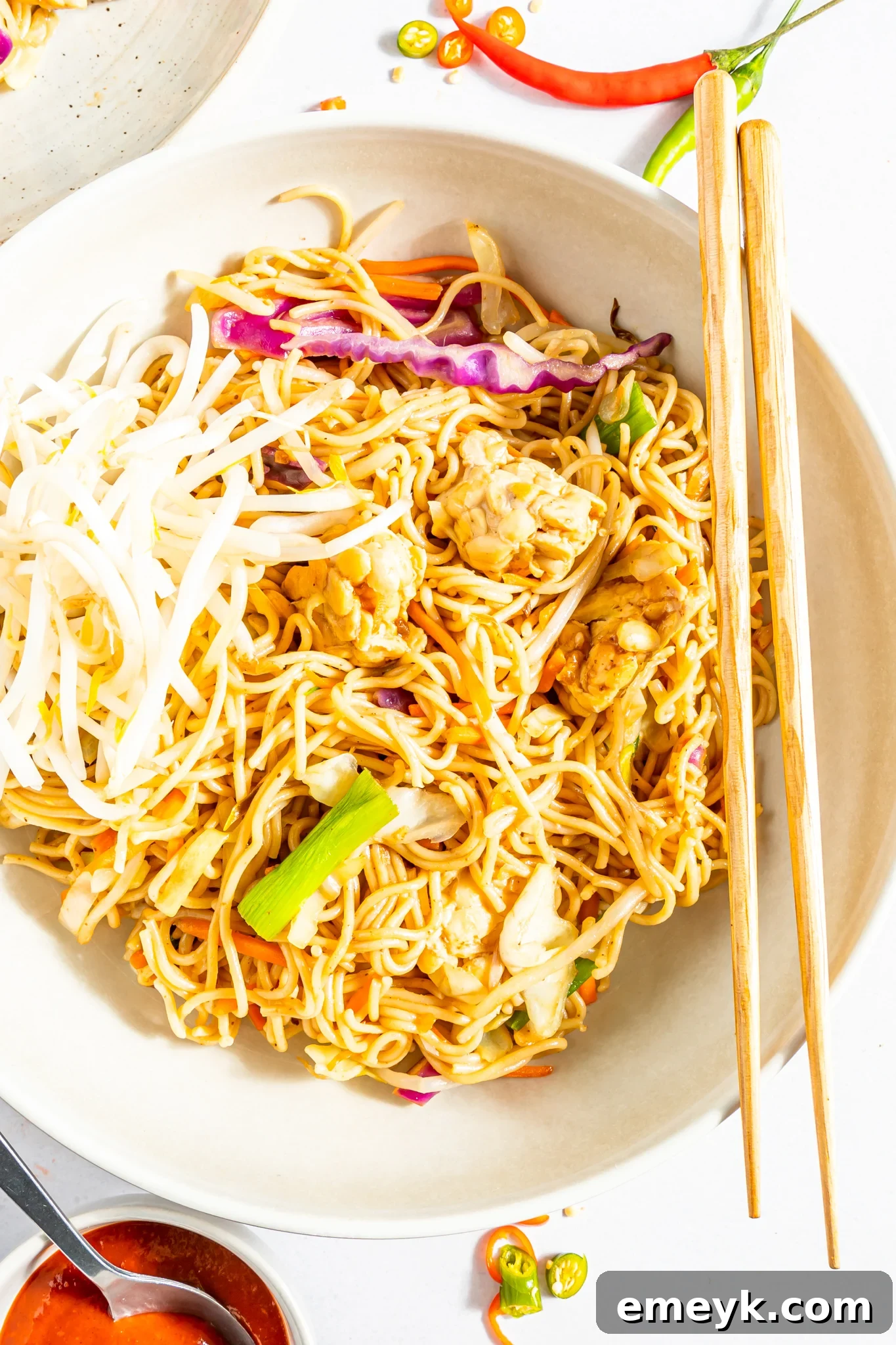
This recipe is meticulously designed for maximum flavor and culinary satisfaction with minimal effort. By following these straightforward steps, you’ll effortlessly bring a delicious, healthy, and satisfying meal to your table in no time:
- Pre-Preparation is Key (Mise en Place): Before you even think about turning on the stove, ensure all your ingredients are meticulously prepped and ready to go. This essential “mise en place” is paramount for successful stir-fries, as the actual cooking process is incredibly fast-paced. Start by crumbling your tempeh into uniform bite-sized pieces, thinly slicing your green onions, thoroughly rinsing your bean sprouts, and preparing your chosen chow mein noodles according to their specific package directions. In a separate small bowl, whisk together all the components for your homemade stir-fry sauce until well combined. Set everything aside, ready for action.
- Sauté Aromatics and Brown the Tempeh: Heat 1 tablespoon of avocado oil in a large skillet or a traditional wok over a robust medium-high heat until it shimmers invitingly. Add the pressed or finely minced garlic to the hot oil and cook for a brief 15-20 seconds until its intoxicating aroma fills your kitchen – be very careful not to burn the garlic, as it can quickly turn bitter. Immediately add the crumbled tempeh to the pan. Cook the tempeh for approximately 2-3 minutes per side, stirring and flipping occasionally, until it develops a beautiful golden-brown hue and becomes slightly crispy. This crucial step not only adds texture but also builds a deep, savory, umami-rich flavor in the tempeh.

Tempeh being sautéed to a perfect golden crisp in a hot skillet, laying the foundation for this flavorful dish. - Introduce and Wilt the Slaw Mix: Add the entire bag of convenient coleslaw mix directly to the skillet, joining the sautéed tempeh and garlic. Stir continuously and vigorously for approximately 1-2 minutes until the cabbage begins to slightly wilt and soften, yet still retains a delightful, satisfying crunch. The heat will gently tenderize the vegetables, making them easier to integrate with the other components without losing their vibrant texture.
- Combine Remaining Ingredients for the Grand Finale: At this stage, add the fresh, thoroughly rinsed bean sprouts, most of the thinly sliced green onions (reserving a small portion for a fresh garnish), your pre-cooked and drained chow mein noodles, and the meticulously prepared stir-fry sauce to the skillet.
- Toss Vigorously and Thicken the Sauce: Using a pair of sturdy tongs or a large spatula, toss all the ingredients together with enthusiasm. Ensure that the noodles, all the various vegetables, and the savory tempeh are evenly and thoroughly coated with the rich, aromatic stir-fry sauce. Continue to cook for an additional 3-4 minutes, stirring constantly, until the cabbage reaches your desired tender-crisp texture and the sauce has visibly thickened, clinging beautifully and enticingly to all the components of the dish.
- Garnish and Serve Immediately: Once cooked to perfection, remove the chow mein from the heat. Generously garnish the dish with the reserved thinly sliced green onions, a scattering of fresh cilantro leaves, and a sprinkle of toasted sesame seeds for added flavor and visual appeal. For an extra burst of flavor and a customizable experience, you can also offer a small bowl of additional stir-fry sauce on the side for dipping. Serve your Easy Vegetable Chow Mein immediately while it’s piping hot and at its freshest!

Understanding the Stars of the Dish: Chow Mein and Tempeh
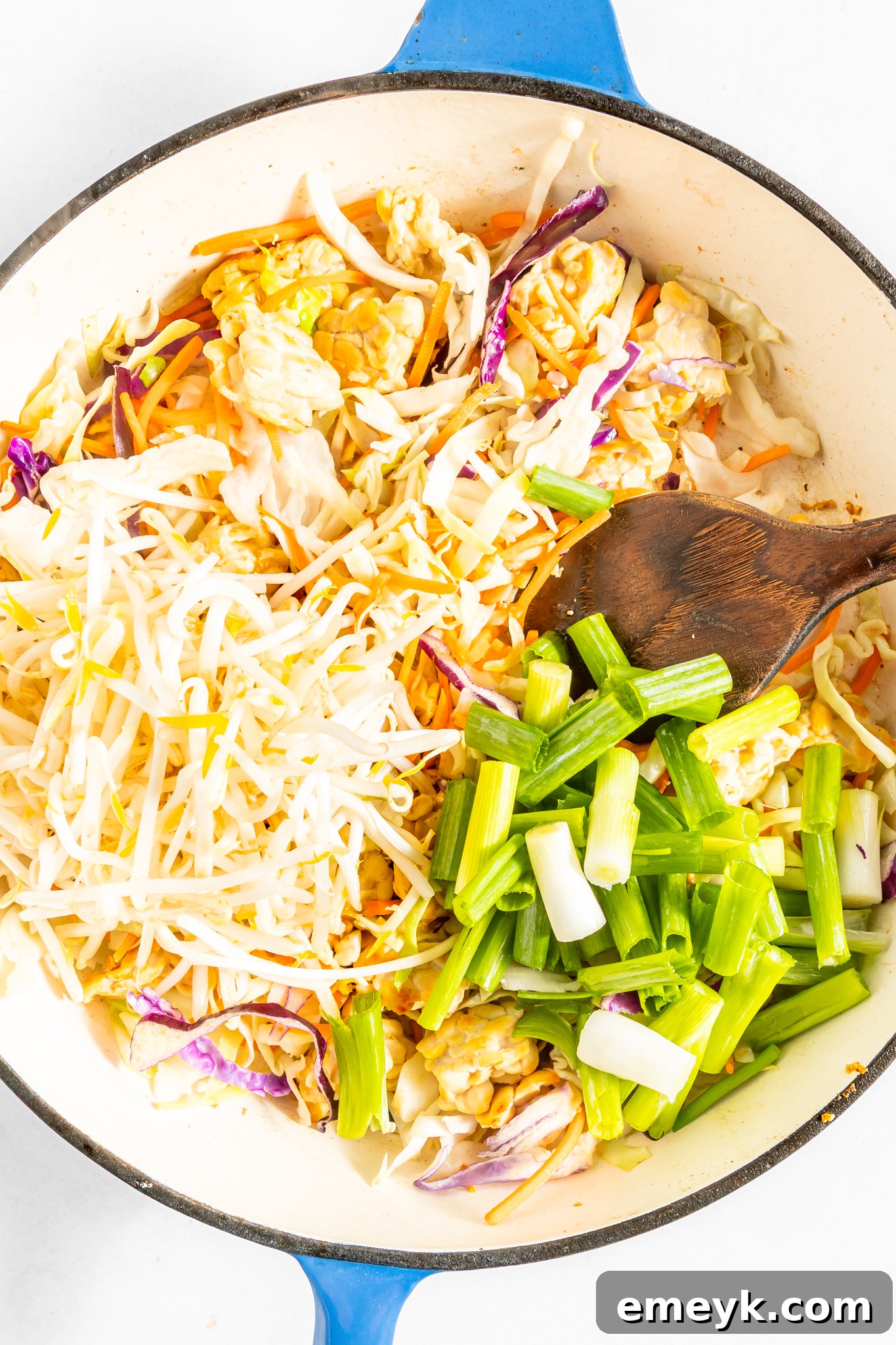
What Exactly is Chow Mein?
Chow Mein is a quintessential traditional Chinese dish whose name literally translates to “fried noodles.” It is a beloved staple, consisting primarily of stir-fried noodles combined with an assortment of crisp, fresh vegetables and, quite often, a protein source. Common protein additions include succulent chicken, tender beef, fresh shrimp, versatile tofu, or, as featured in our nutritious recipe, hearty tempeh. The dish is widely celebrated for its characteristic savory sauce and the delightful textural contrast it offers – the perfect interplay between tender, satisfying noodles and crisp, vibrant vegetables. Enjoyed globally, Chow Mein has countless regional variations, each boasting unique ingredients and preparation techniques, but the fundamental concept of flavorful stir-fried noodles remains at its delicious core.
Unveiling Tempeh: A Fermented Powerhouse
Tempeh is a fascinating and exceptionally nutritious traditional Indonesian food, with its origins deeply rooted in the island of Java. Distinct from tofu, which is produced from condensed soy milk, tempeh is created through a unique fermentation process involving whole soybeans. During this process, a beneficial mold (Rhizopus oligosporus) binds the cooked soybeans together into a firm, dense, and cohesive cake-like form. It boasts a distinctive dry yet delightfully firm and chewy texture, accompanied by an earthy, slightly nutty flavor that is more pronounced than tofu. Tempeh is highly revered for its impressive nutritional profile, standing as an excellent source of complete plant-based protein, dietary fiber, and various essential vitamins and minerals. Furthermore, thanks to its fermentation, it is a rich source of beneficial probiotics, supporting gut health. Tempeh is incredibly versatile in the kitchen and can be steamed, baked, fried, or sautéed. For optimal flavor absorption and to enhance its natural taste, it is highly recommended to marinate tempeh, allowing it to soak up sauces and seasonings, making it an ideal, flavor-absorbing choice for dynamic stir-fries like our chow mein.
Elevate Your Chow Mein: Creative & Customizable Variations
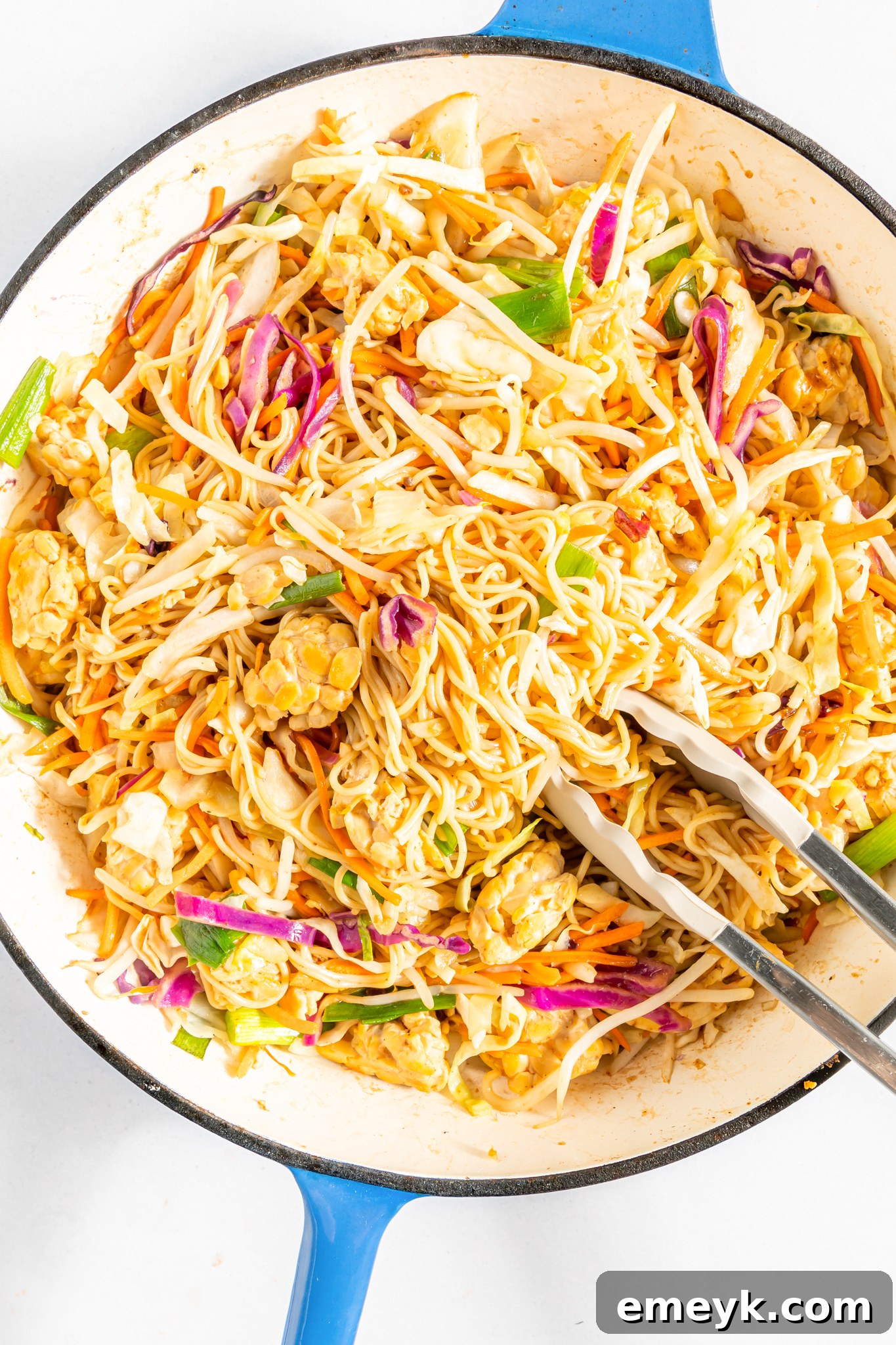
One of the most appealing aspects of stir-fries is their inherent adaptability. Feel empowered to get wonderfully creative with your ingredients to perfectly suit your personal taste preferences or to utilize whatever fresh produce you happen to have on hand:
- Abundant Vegetables: This stir-fry enthusiastically welcomes a wide and colorful array of vegetables. Elevate your dish by incorporating thinly sliced bell peppers (red, yellow, or orange for visual appeal), crisp snow peas, crunchy water chestnuts, tender broccoli florets, snappy green beans, earthy sliced mushrooms, delicate zucchini ribbons, hearty chopped bok choy, or even unique additions like thinly sliced eggplant or asparagus. The more color and variety, the richer the flavor and nutrient profile!
- Diverse Protein Power-Ups: While tempeh provides a fantastic plant-based protein, you have a plethora of other excellent protein options to explore. Consider adding cubed extra-firm tofu (pressed and pan-fried until beautifully crispy), thinly sliced chicken breast or succulent thighs, lean strips of pork, plump shrimp, or even finely sliced beef sirloin. For an even more robust vegan option, additional edamame or chickpeas could be stirred in.
- Seeds & Nuts for Enhanced Crunch: Toasted seeds and crunchy nuts can introduce an exciting extra layer of texture and a delightful nutty flavor. Sprinkle in a handful of toasted sesame seeds, hearty sunflower seeds, crunchy cashews, roasted peanuts, or elegant slivered almonds just before serving for a truly satisfying textural contrast.
- Spice It Up to Your Liking: If you enjoy a fiery kick, consider infusing your chow mein with a pinch of red pepper flakes, a generous dash of Sriracha added directly to the sauce, or a finely chopped fresh jalapeño or serrano pepper sautéed along with the garlic. A touch of freshly grated ginger can also add a delightful warmth and aromatic depth to the dish.
- Sauce Personalization: While our homemade stir-fry sauce is a proven winner, do not hesitate to use your absolute favorite store-bought sauce if time is particularly tight. You can also experiment with different Asian sauce bases like black bean sauce for a deeper umami, or a touch of oyster sauce (if you’re including meat or fish and are not strictly vegetarian) to vary the flavor profile significantly.
- Fresh Herbs for Brightness: Elevate the overall freshness and aromatic complexity of the dish with an expanded selection of fresh herbs. Beyond the classic cilantro, try incorporating fresh parsley, aromatic Thai basil, or even a hint of invigorating mint for an unexpectedly refreshing twist.
- Aromatic Spices: Infuse even more aromatic depth and character with ground spices such as Chinese 5-spice powder, an additional touch of ground ginger, or a hint of cumin for a warmer, earthier note. Always adjust these additions to perfectly match your personal preference and adventurous spirit.
Expert Storage and Reheating Advice
This Easy Vegetable Chow Mein isn’t just a delicious meal; it also makes for fantastic leftovers, perfect for streamlined meal prepping throughout the week or a quick, satisfying lunch the next day. To ensure maximum freshness and flavor, store any leftover chow mein in an airtight container within the refrigerator for up to 4 days. When you’re ready to enjoy it again, reheating is simple and quick. You can easily warm it on the stovetop in a skillet over medium heat, stirring occasionally, until it is thoroughly heated through. Alternatively, for a faster option, microwave it in short 1-minute intervals, stirring gently between each, until it reaches your desired temperature. If the noodles or vegetables appear a bit dry after reheating, simply add a small splash of water or a touch of extra stir-fry sauce to revive its moisture and flavor.
Explore More Delectable Noodle Creations
If you’ve thoroughly enjoyed crafting and savoring this delightful tempeh and vegetable chow mein, you’ll undoubtedly love exploring other noodle-centric recipes from our curated collection. Each offers a unique blend of flavors and textures, perfect for expanding your culinary horizons:
Salads
Asian Ramen Noodle Salad
Vegetarian
Spicy Ramen Noodle Recipe
Soups
Easy Ramen Noodle Soup
Chicken
Lemongrass Chicken Noodle Bowls
Easy Vegetable Chow Mein Recipe

Prep Time: 15 minutes | Cook Time: 15 minutes | Total Time: 30 minutes | Yields: 4 Servings
Ingredients
For the Easy Vegetable Chow Mein:
- 1 tablespoon avocado oil (or other high-smoke point oil like grapeseed or canola)
- 2 cloves garlic, finely pressed or minced
- 1 (8-ounce) package tempeh, crumbled into small, bite-size pieces
- 1 (8-ounce) bag of pre-shredded coleslaw mix (or 3-4 cups of freshly shredded cabbage and carrots)
- 1 1/2 cups fresh mung bean sprouts, thoroughly rinsed
- 5 green onions, thinly sliced (reserve some dark green parts for garnish)
- 8 ounces chow mein noodles, prepared according to package instructions (opt for brown rice chow mein noodles for a gluten-free version)
- 1/2 cup prepared stir-fry sauce (use the homemade recipe below or your favorite quality store-bought brand)
For the Homemade Stir-Fry Sauce:
Whisk these ingredients together until well combined:
- 2 tablespoons water
- 3 tablespoons soy sauce (use tamari for a gluten-free alternative)
- 1 tablespoon Hoisin sauce (ensure it’s gluten-free if needed)
- 1 tablespoon rice wine vinegar
- 2 teaspoons light agave nectar (honey or maple syrup can also be used)
- 1/2 teaspoon freshly ground white or black pepper
- 1 teaspoon sesame oil
Instructions
- Prepare Sauce & Noodles: In a small bowl, whisk together all the ingredients listed for the homemade stir-fry sauce until thoroughly combined. Set this mixture aside. Next, prepare your chow mein noodles according to the specific directions on their package. Once cooked, drain them well and set them aside. This “mise en place” ensures a smooth and quick cooking process.
- Sauté Aromatics & Tempeh: Heat the avocado oil in a large skillet or a wok over medium-high heat until it begins to shimmer. Add the pressed or minced garlic and cook for just 15-20 seconds until it becomes wonderfully fragrant, taking care not to burn it. Immediately add the crumbled tempeh to the hot pan. Cook the tempeh, stirring and flipping occasionally, for 2-3 minutes per side until it achieves a desirable golden-brown color and becomes lightly crispy. This browning step adds depth of flavor.
- Add Coleslaw Mix: Introduce the entire bag of coleslaw mix to the skillet with the tempeh and garlic. Cook, stirring frequently, for 1-2 minutes until the cabbage visibly begins to wilt slightly. You want it tender-crisp, not overly soft.
- Combine Remaining Ingredients: Now, add the thoroughly rinsed bean sprouts, the majority of the thinly sliced green onions (remember to reserve a small portion of the dark green parts for a fresh garnish at the end), the pre-cooked and drained chow mein noodles, and the whisked stir-fry sauce to the skillet.
- Toss & Thicken the Sauce: Using sturdy tongs or a large spatula, vigorously toss all the ingredients together. Ensure every noodle strand, vegetable, and piece of tempeh is beautifully coated with the rich stir-fry sauce. Continue cooking for another 3-4 minutes, stirring constantly, until the cabbage is cooked to your preferred tenderness and the sauce has thickened nicely, clinging perfectly to all components of the dish.
- Garnish and Serve: Remove the chow mein from the heat. Garnish generously with the reserved green onions, a sprinkle of fresh cilantro, and a dash of toasted sesame seeds for an appealing finish. Serve your Easy Vegetable Chow Mein immediately while it’s hot and fresh. For an extra kick, you can offer additional stir-fry sauce on the side. Enjoy this quick and satisfying meal!
Chef’s Notes & Tips
- Vegetable Customization: Feel completely free to customize this stir-fry with any vegetables you love or have available. Fantastic additions include thinly sliced mushrooms, vibrant bell peppers, crisp snow peas, matchstick carrots, crunchy celery, or even thinly sliced jalapeños for a touch of heat.
- Protein Alternatives: If tempeh isn’t for you, easily substitute with cubed firm tofu, cooked chicken strips, or shrimp for a different flavor profile.
- Wok vs. Skillet: While a large skillet works perfectly, a wok provides superior heat distribution and makes tossing ingredients even easier for a truly authentic stir-fry experience.
- Don’t Overcrowd the Pan: To ensure proper browning and even cooking, avoid overcrowding your skillet or wok. If preparing a larger batch, consider cooking in two smaller batches.
Nutrition Information (Approximate Per Serving)
Calories: 325kcal, Carbohydrates: 54g, Protein: 13g, Fat: 7g, Saturated Fat: 1g, Polyunsaturated Fat: 1g, Monounsaturated Fat: 3g, Cholesterol: 0.1mg, Sodium: 1973mg, Potassium: 199mg, Fiber: 5g, Sugar: 8g, Vitamin A: 166IU, Vitamin C: 12mg, Calcium: 44mg, Iron: 3mg.
Please note: Nutrition information is automatically calculated and should be used as an approximation. Actual values may vary based on specific ingredients and preparation methods.
We sincerely hope you love this Easy Vegetable Chow Mein as much as we do! If you try this fantastic recipe, we would be absolutely thrilled to hear your feedback and see your culinary creations. Don’t hesitate to share your delicious results on Instagram and remember to tag @acedarspoon or use the hashtag #acedarspoon!