
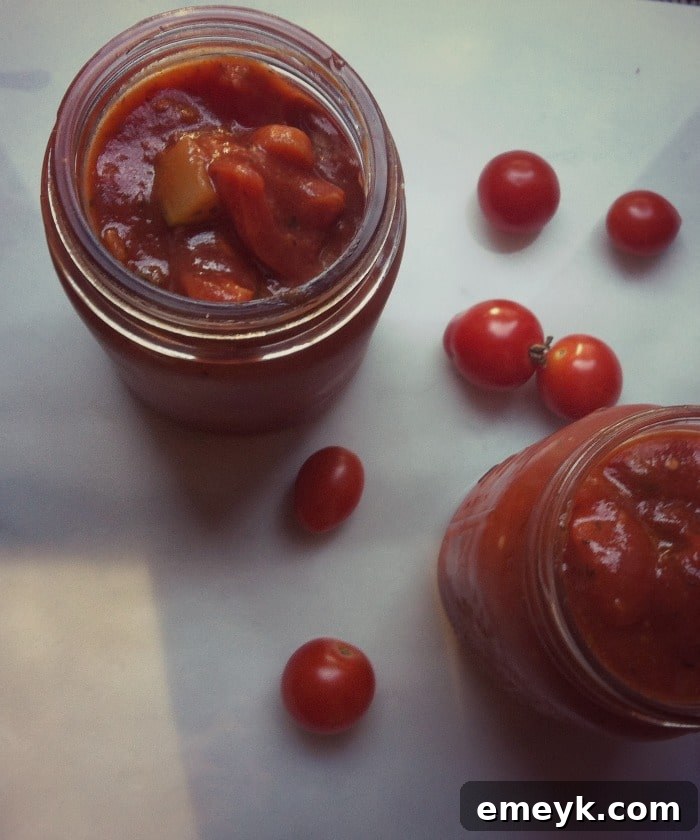
Transforming your summer bounty into an irresistible staple! This delightful, homemade Slow Roasted Tomato Sauce recipe elevates simple ingredients into a deeply flavorful, versatile base for countless meals. Discover how to create this sweet, rich, and utterly delicious sauce that will become a go-to in your kitchen.
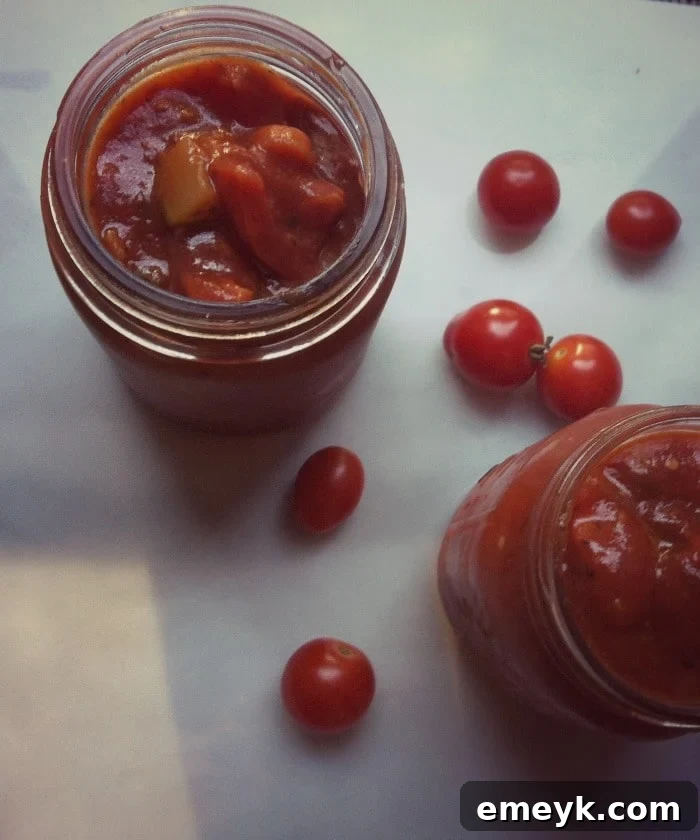
Unlocking Deep Flavor with Slow Roasted Tomato Sauce
As the vibrant days of summer gently fade, our gardens and local markets often overflow with an abundance of ripe, juicy tomatoes. There’s a particular joy in cooking with fresh, seasonal produce, and tomatoes are undeniably a star performer. Just a few weeks ago, I shared a delightful recipe for Roasted Tomato and Whipped Goat Cheese Spread, believing I was savoring the very last of the season’s gems. Yet, to my absolute delight, the tomatoes kept coming! Far from complaining, I embraced this delicious continuation, as tomatoes remain one of my favorite ingredients – perfect for cooking, adding to salads, or simply enjoying fresh off the vine.
Today, I’m thrilled to share another fantastic way to utilize this late-summer bounty: a recipe for homemade Slow Roasted Tomato Sauce. This isn’t just any tomato sauce; it’s a labor of love that rewards you with an incredibly rich, sweet, and complex flavor profile that simply can’t be replicated with quick-cooking methods or store-bought alternatives. Prepare to fall in love with a sauce that tastes like pure sunshine and culinary comfort.
Why Slow Roasting Makes All the Difference
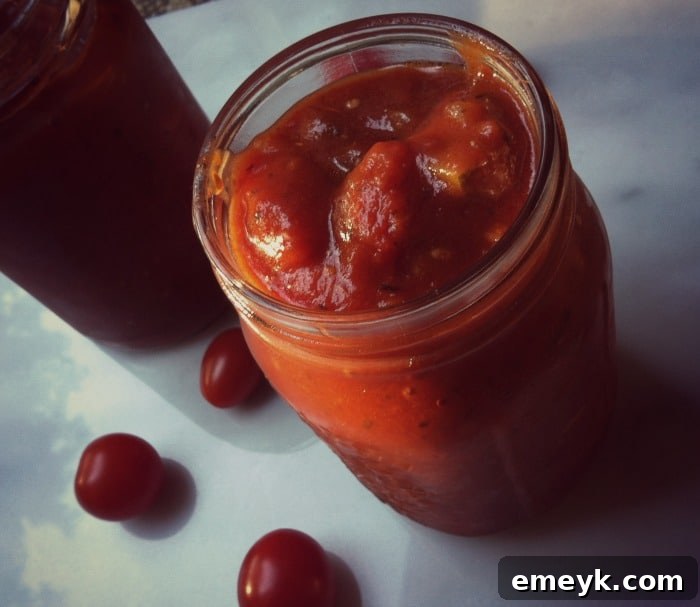
You might be wondering what makes “slow roasted” so special compared to simply cooking down fresh tomatoes on the stovetop. The magic lies in the gentle, prolonged heat of the oven. As tomatoes roast slowly, their natural sugars caramelize, intensifying their sweetness and developing a depth of flavor that is simply unparalleled. The water content slowly evaporates, concentrating the essence of the tomato into a rich, almost jam-like consistency. This process breaks down the cell walls, releasing all the vibrant aromas and creating a much more profound, savory-sweet umami taste that will elevate any dish it touches.
Forget bland, acidic canned tomatoes. While convenient, they often lack the brightness and nuanced sweetness of fresh, slow-roasted ones. This homemade sauce offers a superior alternative, providing a foundation of flavor that is genuinely restaurant-quality. It’s an investment of time, but one that pays dividends in taste and versatility.
The Essential Ingredients for Your Signature Sauce
Creating an exceptional Slow Roasted Tomato Sauce begins with a selection of fresh, high-quality ingredients. While the core is undoubtedly tomatoes, the supporting cast plays an equally crucial role in building layers of flavor. Here’s what you’ll need:
- Fresh Tomatoes: This is where quality truly matters. Ripe, in-season tomatoes are key. Varieties like Roma (plum), San Marzano, cherry, or grape tomatoes work wonderfully due to their lower water content and intense flavor. Feel free to mix and match for a more complex profile. If you have them from your garden, fantastic! Otherwise, visit your local farmers market or grocery store for the best available.
- Olive Oil: A good quality extra virgin olive oil is essential. It helps in the roasting process, carries the fat-soluble flavors, and adds a silky richness to the sauce.
- Aromatics:
- Onion: Yellow or white onions provide a sweet, pungent base.
- Garlic: Fresh garlic cloves are non-negotiable for that essential aromatic kick.
- Optional Vegetables: The original recipe suggests carrots and zucchini, which add a lovely sweetness, body, and nutritional boost without overpowering the tomato flavor. You can certainly expand on this with other mild vegetables like bell peppers or even a bit of finely diced celery.
- Herbs & Seasoning:
- Fresh Basil: Added at the end, its bright, peppery notes complement the rich tomato flavor perfectly.
- Salt & Black Pepper: To enhance all the natural flavors.
- Dried Oregano or Thyme (Optional): Can be added during roasting for a deeper, more rustic flavor.
- A Pinch of Sugar (Optional): If your tomatoes are a bit tart, a tiny pinch of sugar can balance the acidity without making the sauce overly sweet.
The beauty of this recipe lies in its adaptability. Don’t hesitate to use whatever fresh vegetables you have on hand or adjust the herbs to your preference. This flexibility makes it a truly practical and enjoyable recipe to prepare.
Step-by-Step Guide to Crafting Your Perfect Sauce
While the process is slow, it’s incredibly simple and largely hands-off. Here’s how to create your delicious Slow Roasted Tomato Sauce:
1. Prepare the Tomatoes
- Wash and Halve: Thoroughly wash your tomatoes. For larger varieties, halve or quarter them. Cherry or grape tomatoes can be left whole. Remove any tough cores.
- Season and Oil: Place the prepared tomatoes on a large baking sheet (or two, if necessary, to avoid overcrowding). Drizzle generously with olive oil. Season with a good pinch of salt and freshly ground black pepper. You can also add a few crushed garlic cloves, sprigs of fresh herbs like thyme or oregano, or a sprinkle of dried herbs directly onto the tomatoes before roasting.
- Roast: Roast in a preheated oven (around 250-300°F / 120-150°C) for 1.5 to 3 hours, or even longer, depending on the water content of your tomatoes and how deeply caramelized you want them. The goal is for them to soften, shrivel slightly, and develop dark, sweet spots without burning. Stir gently halfway through to ensure even roasting.
2. Sauté the Aromatics
- Chop Vegetables: While the tomatoes are roasting, finely dice your onion, carrots, and zucchini (if using). Mince your garlic.
- Sauté: In a large, heavy-bottomed pot or Dutch oven, heat a generous glug of olive oil over medium heat. Add the diced onion and carrots, sautéing until softened and translucent, about 5-7 minutes. Add the zucchini and continue to cook for another 5 minutes. Finally, stir in the minced garlic and cook for just 1 minute more, until fragrant, being careful not to burn it.
3. Combine and Simmer
- Add Roasted Tomatoes: Once the roasted tomatoes are fragrant and beautifully caramelized, carefully transfer them from the baking sheet into the pot with the sautéed vegetables. Scrape all the delicious juices and browned bits from the baking sheet into the pot as well – that’s pure flavor!
- Simmer: Stir everything together. If the sauce seems too thick, you can add a splash of water, vegetable broth, or even a little red wine to achieve your desired consistency. Bring the mixture to a gentle simmer. Reduce the heat to low, cover partially, and let it simmer for at least 30 minutes, or up to an hour, allowing all the flavors to meld beautifully.
4. Finish and Serve
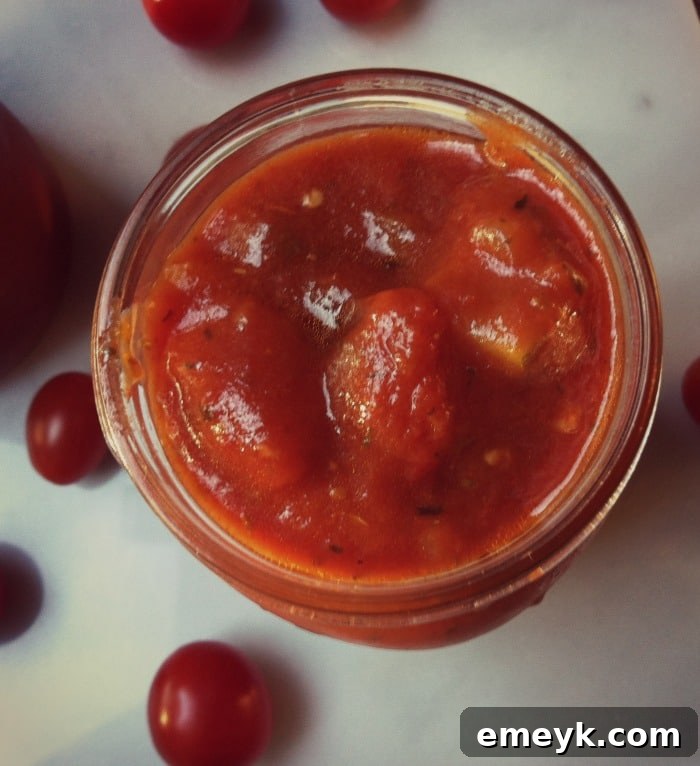
- Blend (Optional): For a smoother sauce, carefully transfer the mixture to a blender or use an immersion blender directly in the pot. Blend until you reach your desired consistency – smooth or slightly chunky. Be cautious when blending hot liquids; ensure the lid is properly secured, and start on a low speed.
- Season and Garnish: Taste the sauce and adjust seasoning as needed. You might want to add a final pinch of salt, pepper, or that optional touch of sugar. Stir in a handful of fresh chopped basil just before serving to preserve its vibrant flavor and color.
Expert Tips for the Best Slow Roasted Tomato Sauce
- Don’t Rush the Roasting: The “slow” in slow roasted is key. Low and slow heat brings out the best in the tomatoes. Be patient!
- Use Ripe Tomatoes: Overripe is better than underripe. The sweeter and juicier the fresh tomatoes, the more flavorful your sauce will be.
- Don’t Overcrowd the Pan: Give your tomatoes space on the baking sheet. If they’re too close together, they’ll steam instead of roast and caramelize. Use multiple trays if necessary.
- Scrape the Pan: The browned bits stuck to the baking sheet after roasting are packed with flavor. Deglaze the pan with a splash of water or broth if needed and add it all to the pot.
- Balance Acidity: If your sauce tastes a little too acidic, a tiny pinch of baking soda can neutralize it, or a small amount of sugar can balance it out.
- Embrace Fresh Herbs: While dried herbs can be used during roasting, fresh basil or parsley stirred in at the end adds a wonderful brightness.
Serving Suggestions: The Versatility of This Sauce
This Slow Roasted Tomato Sauce is incredibly versatile and can be the star of countless dishes. Here are just a few ideas:
- Classic Pasta Sauce: Toss with your favorite pasta, a sprinkle of Parmesan, and fresh basil for a simple yet elegant meal.
- Pizza Base: Use it as a vibrant, flavor-packed base for homemade pizzas or flatbreads.
- Polenta Topping: Spoon generously over creamy polenta for a comforting and hearty dish.
- Bruschetta: A dollop on toasted bread with fresh mozzarella or goat cheese makes for a delightful appetizer.
- Meatball or Chicken Parmesan: The perfect sauce for Italian-American classics.
- Shakshuka Base: Use it as the foundation for a rich and flavorful shakshuka.
- Soup & Stew Base: A fantastic starter for minestrone, tomato soup, or other vegetable stews.
- Dipping Sauce: Serve warm with crusty bread or focaccia.
- Eggplant Parmesan: Layers beautifully in this vegetarian delight.
Storage and Freezing Instructions
One of the best things about making a large batch of this Slow Roasted Tomato Sauce is its excellent storage capabilities. It’s perfect for meal prepping and ensures you always have a delicious, homemade base ready to go.
- Refrigeration: Once cooled completely, transfer the sauce to airtight containers. It will keep beautifully in the refrigerator for up to 5-7 days.
- Freezing: This sauce freezes exceptionally well. Pour cooled sauce into freezer-safe containers, heavy-duty freezer bags (lay flat to save space), or even ice cube trays for smaller portions. It can be stored in the freezer for up to 3-4 months without losing quality. Thaw overnight in the refrigerator or gently reheat on the stovetop from frozen.
I genuinely love making a big pot of this sauce, enjoying some for dinner, and then freezing several batches for “rainy days” – those busy evenings when a quick, wholesome meal is a lifesaver. It’s truly a gift to your future self!
Frequently Asked Questions (FAQs)
- What kind of tomatoes are best for slow roasting?
Roma (plum) tomatoes are excellent due to their meaty flesh and low water content. San Marzano, cherry, or grape tomatoes also work wonderfully. Feel free to mix different varieties for a more complex flavor. - Can I use canned tomatoes if I don’t have fresh?
While fresh tomatoes are highly recommended for the distinct flavor of slow roasting, you can make a version with high-quality canned whole peeled tomatoes. Roast them as directed (they may require less time) or simply simmer them on the stovetop with the aromatics for a quicker, albeit different, sauce. - Do I need to peel the tomatoes before roasting?
No, it’s not necessary. The skins will soften significantly during roasting and simmering. If you prefer an ultra-smooth sauce, you can strain it through a sieve after blending, which will remove any remaining skin fragments and seeds. - How do I make the sauce spicier?
Add a pinch of red pepper flakes during the sautéing of the aromatics or directly to the tomatoes before roasting. - Can I add meat to this sauce?
Absolutely! After sautéing the vegetables, you can brown ground beef, Italian sausage, or even shredded chicken. Drain any excess fat, then proceed with adding the roasted tomatoes and simmering. - Is blending the sauce necessary?
No, it’s a matter of preference. If you enjoy a chunky, rustic sauce, you can skip blending entirely. If you prefer a smooth consistency for pasta or pizza, then blend away!
Final Thoughts: A Culinary Investment
This Slow Roasted Tomato Sauce recipe is more than just a method for preserving summer’s bounty; it’s an investment in flavor that pays dividends in every meal. The unparalleled depth, sweetness, and richness achieved through slow roasting will transform your perception of homemade tomato sauce. It’s comforting, versatile, and brimming with the natural goodness of fresh produce.
Whether you’re swimming in garden tomatoes or simply seeking a superior alternative to store-bought options, I encourage you to try this recipe. It’s a simple pleasure that brings a taste of summer’s best into your kitchen, ready to elevate countless dishes throughout the year. Enjoy the process, savor the aroma, and most importantly, delight in the incredible taste of your own homemade creation!
Julia