
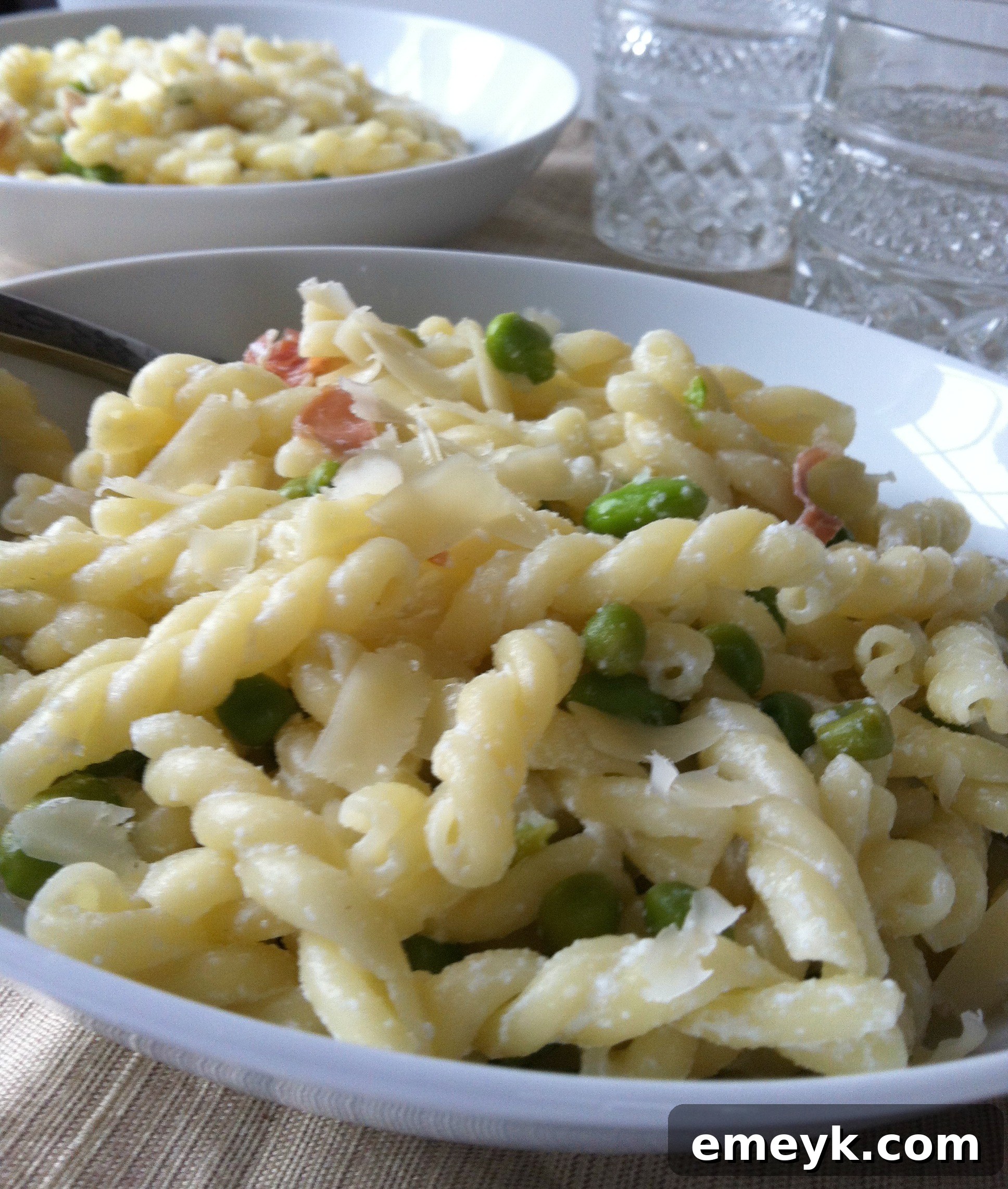
As the days lengthen and the world awakens, spring is undoubtedly on everyone’s mind! The promise of warmer weather, lush green grass, and the bounty of fresh, local foods inspires a shift towards lighter, more vibrant meals. There’s an undeniable joy in transitioning from hearty winter dishes to refreshing, nutrient-packed plates that celebrate the season’s crisp flavors. This spirit of renewal sets the stage for our delightful Pasta with Peas, Favas, and Prosciutto – a dish that embodies everything wonderful about springtime dining.
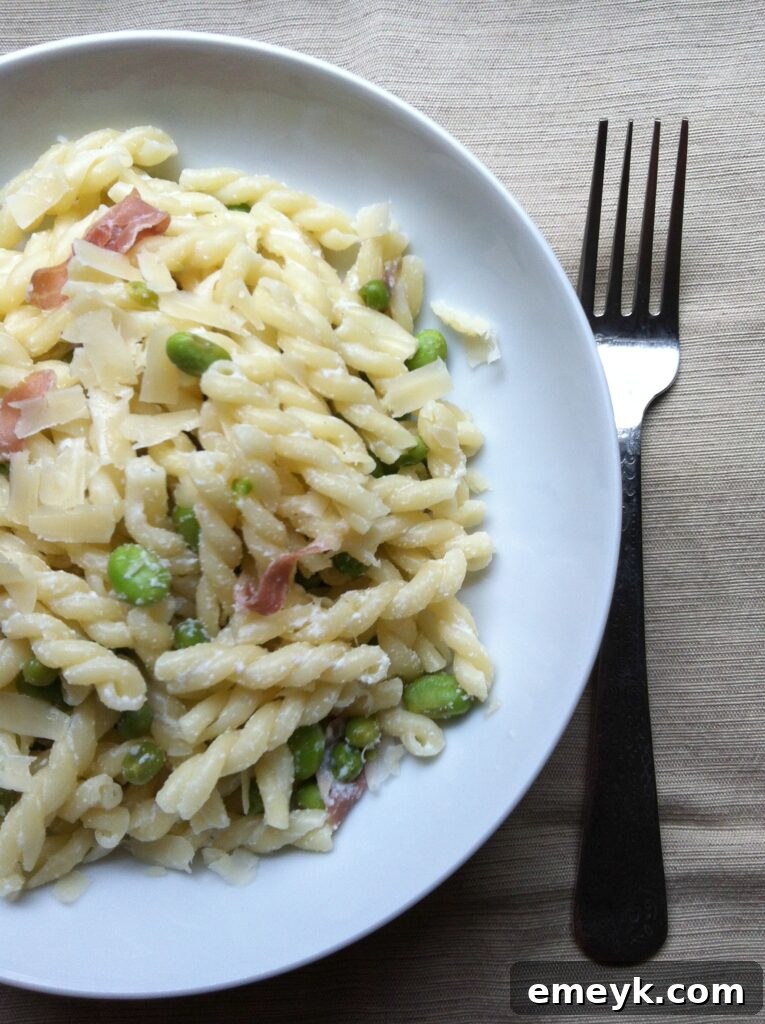
Delightful Spring Pasta with Peas, Favas, and Prosciutto: A Fresh Weeknight Meal
Spring also ushers in the annual tradition of springing forward with daylight saving time. While the initial adjustment might steal an hour of precious sleep – a particular challenge for families with early risers who don’t understand the clock change – it gifts us something invaluable: more daylight in the evenings. This extended sunlight transforms weeknights, making them feel less rushed and more relaxed. It’s the perfect opportunity to enjoy a delicious, wholesome dinner that comes together quickly, allowing you to savor those extra hours of twilight rather than spending them slaving over a hot stove.
In this spirit, finding recipes that are both quick to prepare and burst with fresh, seasonal ingredients becomes a priority. This is where our featured pasta dish truly shines. It’s designed to be a lifesaver on busy weeknights, offering a gourmet experience without the fuss. The light and airy feel of this pasta aligns perfectly with the desire for fresh, energizing meals that fuel your spring adventures.
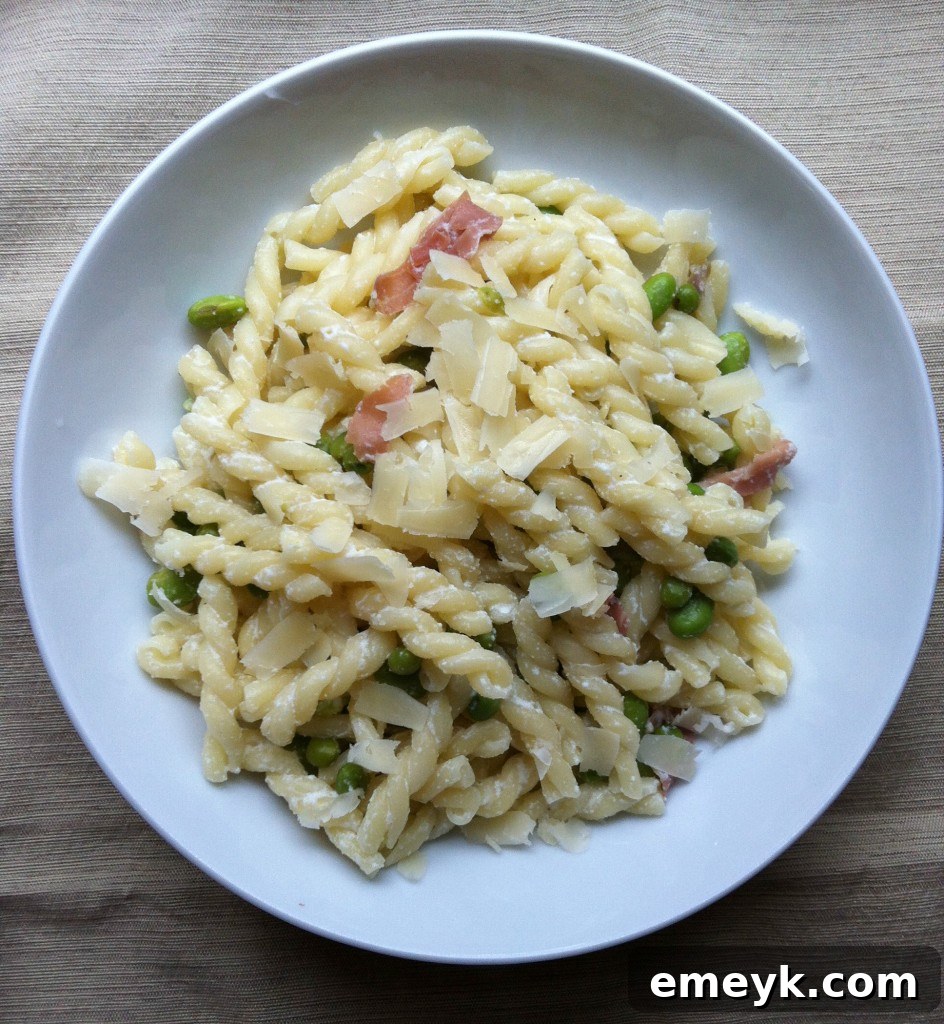
Why This Spring Pasta Shines
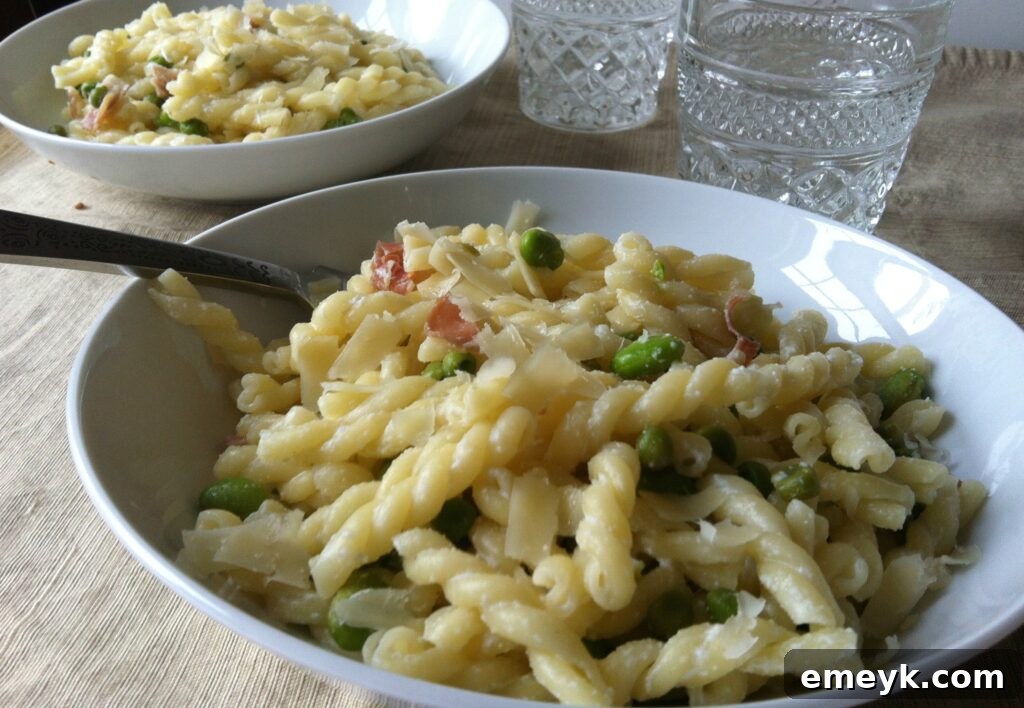
When I first discovered this Strozzapreti with Peas, Favas, and Prosciutto Pasta dish in my trusted Cooking Light Magazine, I instantly recognized its “springy” charm. It perfectly captures the essence of the season with its vibrant colors and delicate yet satisfying flavors. What makes this dish truly special is its unique balance: it’s light enough to enjoy without feeling heavy, yet incredibly flavorful and satisfying. It quickly became a go-to option for an easy weeknight dinner, proving that healthy and delicious can coexist beautifully.
The versatility of this dish also makes it a family favorite. My son, for instance, absolutely adored picking out the little twisty pastas and the sweet peas, making mealtime an engaging and enjoyable experience for him. My husband, on the other hand, isn’t a fan of peas – proving that even within the same household, tastes can vary! The beauty is that he could easily enjoy everything else, demonstrating how adaptable this recipe is to individual preferences. This dish isn’t just about feeding bellies; it’s about creating a pleasant and memorable dining experience for everyone at the table.
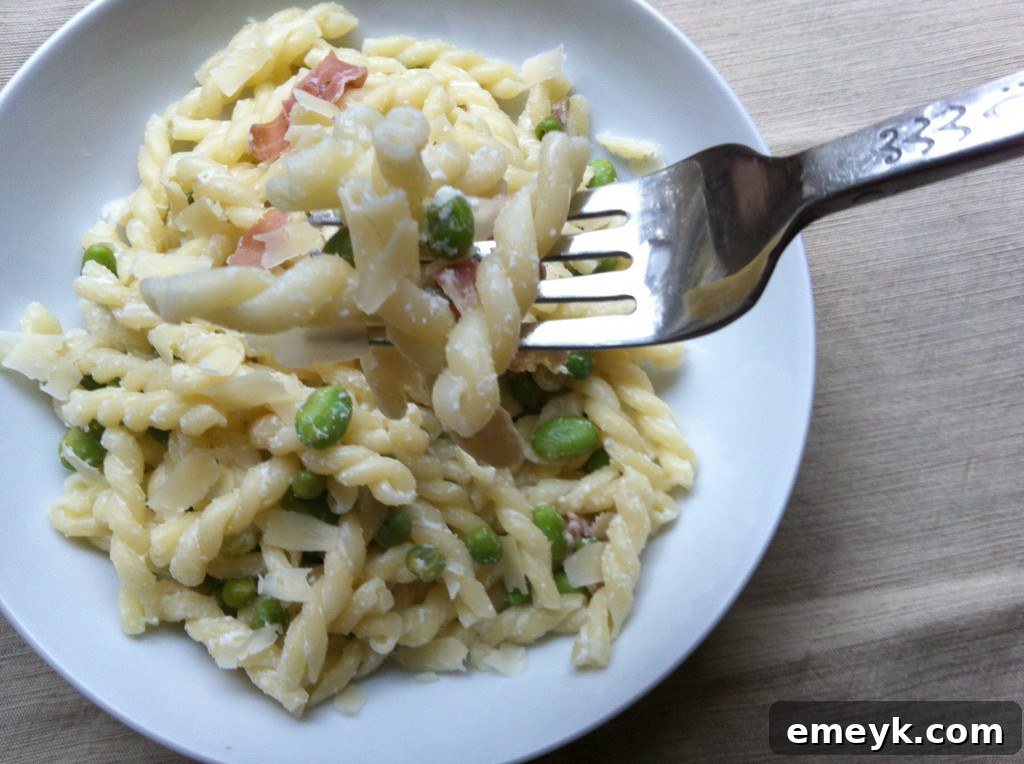
Customizing Your Spring Pasta: Variations for Every Palate
One of the best aspects of this Pasta with Peas, Favas, and Prosciutto is its incredible flexibility. Whether you have dietary restrictions, strong preferences, or just want to experiment with different flavors, this recipe provides an excellent base for customization. If you’re not a fan of prosciutto, or if you prefer a vegetarian or even vegan meal, modifying this recipe to suit your tastes is incredibly easy.
Vegetarian and Vegan Options
For those avoiding meat, simply omit the prosciutto. The dish retains its delightful freshness and flavor from the peas, favas, shallots, and wine. To add a savory depth that mimics the prosciutto, consider incorporating sun-dried tomatoes, toasted pine nuts, or a sprinkle of smoked paprika. For a vegan version, swap the butter for a plant-based alternative, use vegetable broth instead of chicken broth, and replace ricotta and Parmesan with your favorite dairy-free cheeses. Nutritional yeast can also provide a wonderful cheesy, umami flavor.
Other Delicious Additions
Feel free to experiment with other spring vegetables. Asparagus spears, gently blanched and tossed in at the end, would be a fantastic addition. Fresh spinach or arugula wilting into the warm pasta can add extra greens and a peppery bite. Cherry tomatoes, halved and added with the peas, would bring a burst of sweetness and acidity. A squeeze of fresh lemon juice or a sprinkle of lemon zest at the end can brighten all the flavors beautifully.
Protein Boosts
If you desire more protein, this pasta pairs wonderfully with grilled chicken, sautéed shrimp, or even white beans for a plant-based boost. Add these cooked proteins to the pan along with the pasta to gently warm them through and meld the flavors.
The Star Ingredients: A Closer Look
Each ingredient in this recipe plays a crucial role in creating a harmonious and memorable dish. Understanding their individual contributions highlights why this pasta is so special:
- Strozzapreti Pasta: This pasta shape, meaning “priest choker” in Italian, is known for its twisted, irregular form, which is excellent for catching and holding onto sauces. If strozzapreti isn’t available, any short, twisty pasta like casarecce, gemelli, or even fusilli would work perfectly, offering a similar texture and fun-to-eat appeal.
- Peas: The quintessential spring vegetable, peas bring a burst of natural sweetness and vibrant color. Whether you use freshly shelled English peas or convenient frozen peas (thawed), they offer a tender texture and a wealth of vitamins.
- Fava Beans: Also known as broad beans, favas add a delightful creaminess and earthy flavor. While preparing fresh favas requires shelling and peeling, their unique taste is well worth the effort. If fresh favas are out of season or you’re short on time, thawed frozen edamame makes an excellent substitute, providing a similar green hue and slightly nutty flavor.
- Prosciutto: Thinly sliced and cured, prosciutto lends a savory, salty, and slightly sweet note that elevates the entire dish. Its delicate texture and rich flavor complement the freshness of the vegetables beautifully. For a crispier texture, you can lightly fry the prosciutto before adding it.
- Shallots: Milder and more delicate than onions, shallots provide an aromatic foundation without overpowering the subtle flavors of the spring vegetables. They sauté to a tender, translucent perfection, releasing a fragrant sweetness.
- White Wine & Chicken Broth: These liquids deglaze the pan, picking up all the flavorful browned bits, and create the light, savory sauce that coats the pasta and vegetables. A dry white wine like Sauvignon Blanc or Pinot Grigio works best, while low-sodium chicken broth ensures control over the saltiness.
- Ricotta Cheese: Whole-milk ricotta adds a luscious, creamy texture to the sauce, binding the ingredients together and providing a subtle richness without making the dish heavy. Its mild flavor allows the spring vegetables to shine.
- Parmesan Cheese: A final flourish of shaved Parmesan provides a salty, umami-rich garnish that adds complexity and a beautiful presentation.
Tried this recipe? Leave a star rating and comment below! Subscribe to my newsletter or follow me on
Facebook,
Instagram, or
Pinterest for the latest.
Pasta with Peas, Favas, and Prosciutto
Julia Jolliff
Print Recipe
15 minutes
20 minutes
35 minutes
6
servings
Want to save this recipe?
Get this recipe sent to your inbox, plus receive new recipes from us every week!
Click here to subscribe to our newsletter!
Ingredients
- 3/4 lb. strozzapreti pasta, or other short, twisty pasta
- 1 Tbsp. olive oil
- 2 teaspoons butter
- 1 large shallot, thinly sliced
- 1/2 cup fava beans, shelled and peeled or frozen edamame (thawed)
- 1 cup English peas , shelled fresh, or frozen, thawed
- 3 Tbsp. white wine
- 1/3 cup chicken broth, low sodium
- 1 ounce prosciutto, chopped
- 1/4 cup ricotta cheese, whole-milk
- Parmesan cheese, shaved, for garnish.
- Salt and pepper to taste
Instructions
-
Cook pasta according to package directions until al dente. Drain in a colander, reserving 1/4 cup of the cooking liquid. Set aside.
-
While pasta cooks, heat a large saucepan or skillet over medium heat. Add olive oil and butter, swirling until the butter melts and combines. Add the thinly sliced shallot and cook for about 5 minutes, stirring occasionally, until it becomes tender and translucent.
-
Stir in the fava beans (or thawed edamame) and English peas. Increase the heat to medium-high and add the white wine, cooking for about 30 seconds, allowing the alcohol to evaporate.
-
Pour in the chicken broth and season with a pinch of black pepper. Bring to a gentle simmer and cook for approximately 5 minutes, or until the peas and beans are tender-crisp.
-
Remove the saucepan from the heat and stir in the chopped prosciutto.
-
Add the cooked pasta and the reserved 1/4 cup of cooking liquid to the saucepan. Toss everything together gently, ensuring the pasta is well coated with the sauce. Season with salt to taste.
-
Gently fold in the whole-milk ricotta cheese. Serve immediately, garnished generously with shaved Parmesan cheese.
-
For a complete meal, serve this delightful pasta alongside crusty baguette bread and a simple green salad.
Notes
Nutrition
Calories:
322
kcal
,
Carbohydrates:
50
g
,
Protein:
12
g
,
Fat:
8
g
,
Saturated Fat:
3
g
,
Polyunsaturated Fat:
1
g
,
Monounsaturated Fat:
3
g
,
Trans Fat:
0.1
g
,
Cholesterol:
12
mg
,
Sodium:
106
mg
,
Potassium:
263
mg
,
Fiber:
4
g
,
Sugar:
4
g
,
Vitamin A:
277
IU
,
Vitamin C:
10
mg
,
Calcium:
48
mg
,
Iron:
1
mg
Nutrition information is automatically calculated, so should only be used as an approximation.
Tried this recipe?
Mention @acedarspoon or tag #acedarspoon!
Tips for Pasta Perfection
Achieving the best results with this spring pasta is simple with a few key techniques:
- Al Dente is Key: Always cook your pasta to al dente – firm to the bite. Since it will finish cooking slightly in the sauce, this prevents it from becoming mushy.
- Reserve Pasta Water: That starchy pasta water is liquid gold! It helps to emulsify the sauce, creating a silky texture that clings beautifully to the pasta. Don’t skip reserving it.
- Fresh vs. Frozen: While fresh peas and favas are wonderful, high-quality frozen versions are perfectly acceptable and convenient, especially when fresh produce is not readily available. Thaw them before adding to the pan.
- Taste and Adjust: Always taste your dish before serving and adjust seasonings. You might need a little more salt, pepper, or even a splash of the reserved pasta water to reach your desired consistency.
Serving Suggestions and Wine Pairings
This Pasta with Peas, Favas, and Prosciutto is a complete meal on its own, but it truly shines when paired with simple accompaniments. A crisp green salad with a light vinaigrette provides a refreshing contrast. For bread, a warm, crusty baguette is ideal for soaking up any remaining sauce. To elevate the experience, consider a light-bodied white wine such as a Pinot Grigio, Sauvignon Blanc, or a dry Rosé, which complement the delicate spring flavors without overpowering them.
The Joy of Seasonal Eating
Embracing seasonal ingredients like peas and favas not only enhances the flavor of your meals but also connects you to the natural rhythm of the year. Foods eaten in season are typically fresher, more nutritious, and often more affordable. This pasta dish is a perfect example of how simple, fresh ingredients can come together to create something truly extraordinary. It’s a reminder to slow down, appreciate the bounty of spring, and enjoy delicious, wholesome food with loved ones.
Final Thoughts on Your Spring Culinary Journey
This Pasta with Peas, Favas, and Prosciutto offers more than just a meal; it’s an invitation to celebrate the vibrant flavors and extended daylight of spring. Its ease of preparation makes it ideal for any night, while its delightful taste ensures it will become a cherished recipe in your culinary repertoire. Whether you stick to the classic version or experiment with the various customizations, you’re sure to create a dish that brings smiles to the table. So, gather your fresh ingredients, embrace the spring spirit, and prepare to enjoy a truly delightful pasta experience.
Don’t forget to share your creation!
We love seeing your culinary masterpieces. Mention @acedarspoon or tag #acedarspoon on Instagram!