

Embark on a culinary journey to the heart of Lebanese cuisine with these exquisite Spinach Fatayer. These golden, triangle-shaped pastries, generously filled with a vibrant blend of tangy spinach and rich, creamy feta, are more than just a snack – they are a celebration of flavor and tradition. Perfectly portioned, these savory hand pies serve as an ideal appetizer, a light vegetarian meal, or a delightful addition to any mezze spread. Our easy-to-follow recipe brings the authentic tastes of Lebanese kitchens directly to your home, ensuring successful baking and delicious results every time.
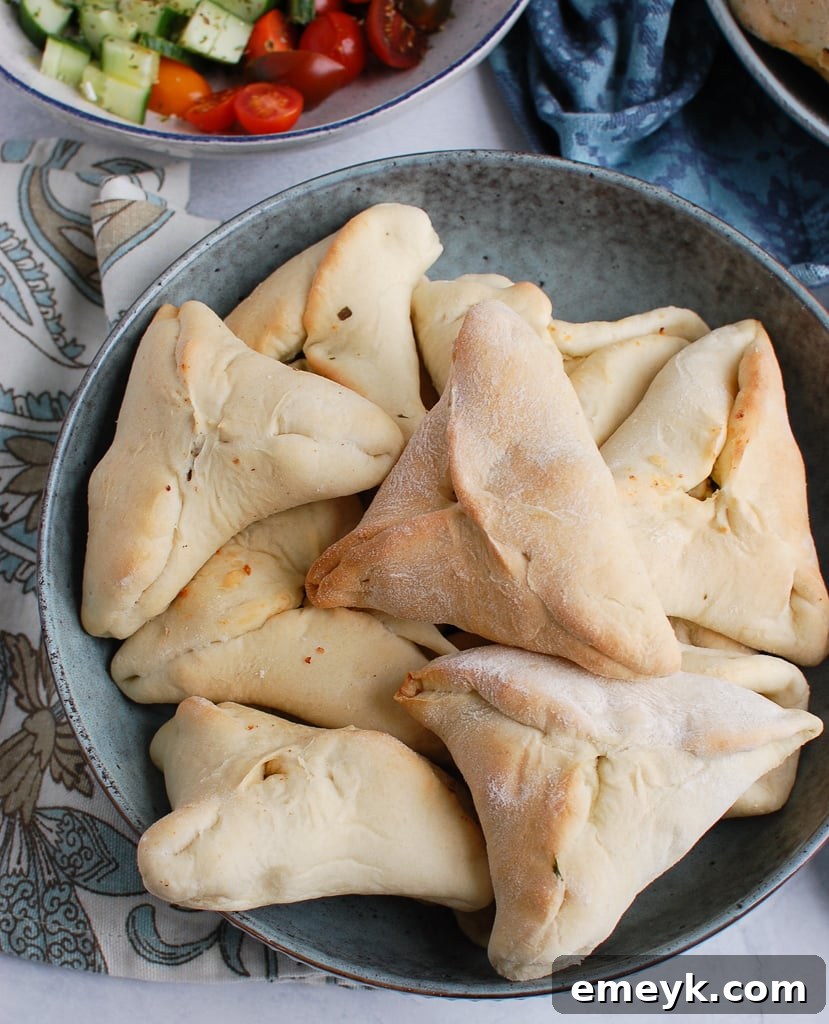
What is Fatayer? Understanding Lebanese Savory Pies
Fatayer (Arabic: فطاير), sometimes spelled Petaeer, is a beloved category of Middle Eastern meat pies. However, its versatility extends far beyond, often featuring delectable vegetarian fillings such as vibrant spinach (Arabic: سبانخ) or an assortment of cheeses, including the salty and firm Feta or the mild and creamy Akkawi. These small, enclosed pastries are a staple in Lebanese and other Levantine cuisines, renowned for their tender dough and flavorful fillings. They typically take on distinctive shapes, with the triangle being the most iconic for spinach fatayer, while other fillings might be enclosed in boat or half-moon shapes.
Originating centuries ago, Fatayer has evolved into a cornerstone of Middle Eastern hospitality. Historically, baking these savory pastries was a communal event, bringing families and communities together to prepare large batches for celebrations, gatherings, or simply for daily enjoyment. The art of making fatayer lies in achieving a perfect balance between a soft, pliable dough and a richly seasoned, moist filling, making each bite a harmonious blend of textures and tastes. While our focus here is on the classic spinach and feta version, understanding the broader context of fatayer highlights its cultural significance as a versatile and cherished culinary tradition.
Why You’ll Adore This Authentic Spinach Fatayer Recipe
This Spinach Fatayer recipe holds a special place in my heart, rooted in cherished family memories. Growing up, the process of making fatayer was always more than just cooking; it was a treasured family event. I vividly recall the warmth of our kitchen, filled with laughter and conversation as we gathered to roll out the dough and lovingly spoon in the fragrant spinach filling. Each golden triangle was meticulously pinched and sealed, a small masterpiece crafted with care, and the irresistible aroma of freshly baked savory pies would soon envelop our entire home, signaling a feast to come.
Beyond the nostalgia, this recipe offers numerous reasons to fall in love with Spinach Fatayer:
- Authentic Flavor: It captures the true essence of Lebanese home cooking, delivering a taste that is both comforting and exotic.
- Versatile Serving: These savory hand pies are incredibly versatile. In my family, Spinach Fatayer often forms part of a traditional Lebanese mezze spread, perfectly paired with creamy hummus, a refreshing fattoush salad, and cool yogurt. They create a diverse and satisfying spread that everyone adores, whether for a casual lunch or a festive dinner.
- Perfect for Any Occasion: Serve them as an elegant appetizer at parties, a wholesome snack for lunchboxes, or a delicious vegetarian main course.
- Kid-Friendly & Crowd-Pleasing: My children absolutely adore these pies, and I find myself constantly making extra batches to keep everyone happy. They are a guaranteed hit with guests of all ages.
- Freezer-Friendly Convenience: One of the greatest advantages is how beautifully they freeze. Making a large batch means you can enjoy homemade Lebanese goodness anytime. Simply store them in an airtight container in the freezer, and you’ll always have a quick, satisfying meal or snack ready to go. This makes meal prep a breeze and minimizes food waste.
- Wholesome Goodness: Packed with fresh spinach, these pies offer a nutritious boost, making them a healthy choice for the entire family.
If you’re a connoisseur of delightful Middle Eastern recipes, you’ll also enjoy exploring other culinary gems such as these flavorful Lebanese Green Beans (Lubee) and the crisp, refreshing Chopped Middle Eastern Salad.
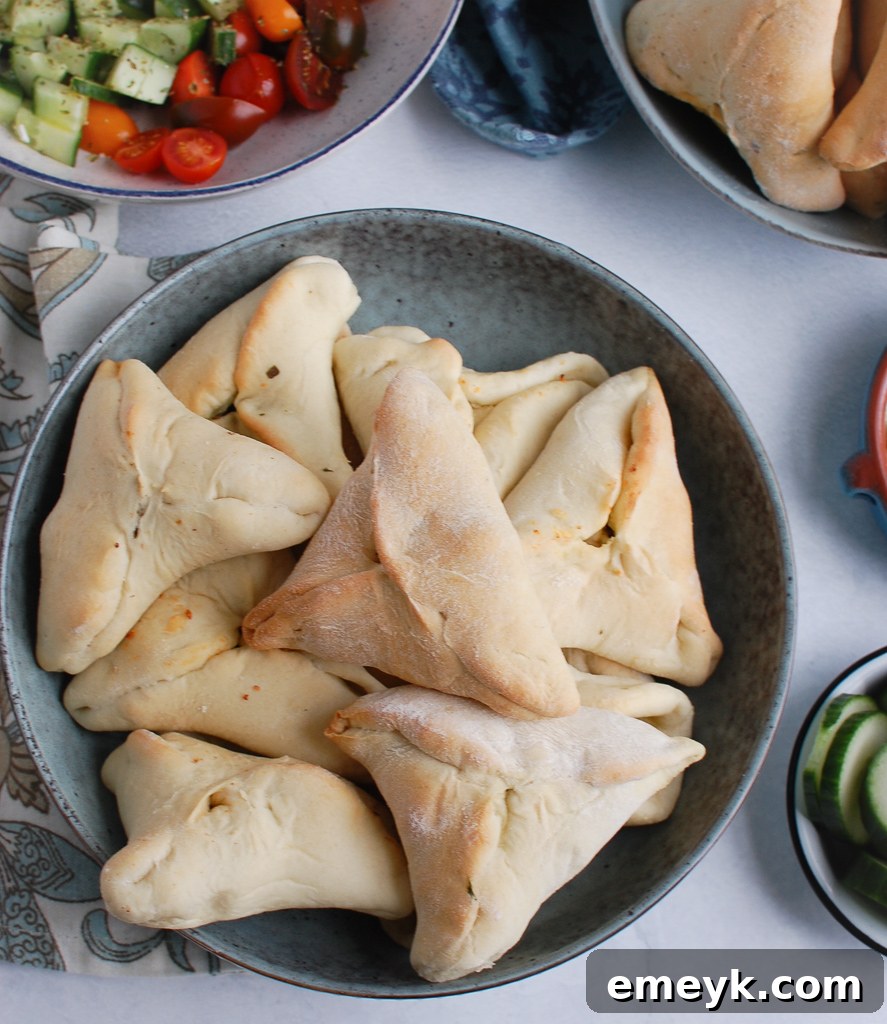
Key Ingredients for Perfect Spinach Fatayer
Crafting the perfect Spinach Fatayer starts with selecting quality ingredients. Here’s a detailed look at what you’ll need and why each component is essential for achieving that authentic Lebanese flavor and texture:
- Dough: The foundation of any great fatayer is its dough. You have two excellent options:
- Homemade Fatayer Dough: For the most authentic experience, a homemade yeast dough offers superior flavor and elasticity. It allows for a tender, slightly chewy crust that complements the filling perfectly.
- Store-Bought Frozen Dough Balls: For convenience, pre-made frozen dough balls are a fantastic shortcut. I particularly recommend Rhodes frozen dinner rolls; they thaw and rise beautifully, saving you significant time without compromising too much on quality.
- Spinach: The star of our filling, spinach, can be used fresh or frozen.
- Fresh Spinach: If using fresh, ensure it’s finely chopped. A crucial step is to macerate it with salt, which helps draw out excess liquid. This prevents the filling from becoming soggy and ensures a firm, flavorful interior.
- Frozen Spinach: If opting for frozen, thaw it thoroughly and, most importantly, squeeze out as much moisture as possible. Excess water from spinach is the primary culprit behind watery fillings and potentially soggy dough.
- Onion and Garlic: These aromatic vegetables form the savory base of the filling, adding essential depth, a hint of sweetness, and complexity that elevates the overall flavor profile. Diced finely, they meld seamlessly with the spinach.
- Sumac Spice: A cornerstone of Middle Eastern cuisine, sumac is a deep red spice derived from dried berries. It provides a distinctive tangy, lemony flavor without the sharp acidity of fresh lemon, brightening the entire spinach mixture and giving it an authentic zest.
- Fresh Lemon Juice: A squeeze of fresh lemon juice adds a burst of zesty brightness and acidity, perfectly balancing the richness of the feta and the earthiness of the spinach. Always opt for fresh over bottled for the best flavor.
- Feta Cheese: Crumbly, salty, and wonderfully creamy when baked, feta cheese is the traditional cheese of choice for spinach fatayer. It adds a delicious richness and a salty tang that pairs incredibly well with spinach and sumac. For variations, consider goat cheese for a different creamy texture or omit it entirely for a delicious vegan version.
- Pine Nuts or Walnuts (Optional): For an added layer of texture and a nutty richness, pine nuts or finely chopped walnuts are an excellent, albeit optional, addition. Lightly toasting them before adding enhances their flavor significantly.
- Spices: A simple yet effective spice blend includes:
- Kosher Salt: To enhance all the flavors and aid in macerating fresh spinach.
- Black Pepper: For a subtle warmth and classic seasoning.
- Crushed Red Pepper: Optional, but highly recommended for those who enjoy a hint of gentle heat, adding an extra dimension to the savory filling.
Exciting Variations & Creative Modifications for Your Fatayer
While the classic Spinach Fatayer is undeniably delicious, don’t hesitate to experiment with these creative variations and modifications to tailor the recipe to your taste preferences or dietary needs:
- Spice it Up: The spice profile can significantly alter the character of your fatayer.
- Custom Blends: Feel free to incorporate your favorite Middle Eastern spice blends. A touch of seven-spice, a pinch of allspice, or even a dash of nutmeg can add warmth and complexity.
- Shawarma or Za’atar: For a unique twist, try adding a spoonful of shawarma seasoning to the spinach mixture for an earthy, aromatic kick. Alternatively, a sprinkle of za’atar, a blend of thyme, sesame seeds, and sumac, can introduce a herbaceous and tangy note, especially if sprinkled on the dough before baking.
- Nutty Additions: Nuts provide a wonderful textural contrast and richness.
- Sliced Almonds: Instead of pine nuts or walnuts, consider adding toasted sliced almonds for a slightly different crunch and buttery flavor.
- Nut-Free: If you have allergies or prefer a nut-free version, simply omit them. The fatayer will still be incredibly flavorful.
- Cheese Choices: While feta is traditional, other cheeses can offer exciting possibilities.
- Goat Cheese: Tangy and creamy goat cheese makes an excellent substitute for feta, providing a smoother texture and distinct flavor.
- Akkawi or Halloumi: Explore other Middle Eastern cheeses like Akkawi (a mild, brined cheese) or finely grated halloumi (for a saltier, squeakier texture when baked).
- Cheese-Only Fatayer: For cheese lovers, you can skip the spinach entirely and create a delicious cheese-only version, perhaps with a blend of feta, mozzarella, and a touch of parsley.
- Add Tomatoes: For an extra layer of savory flavor and slight acidity, incorporate some well-drained, finely diced fresh tomatoes or a tablespoon of rich tomato paste into the spinach mixture. Ensure tomatoes are thoroughly drained to prevent excess moisture.
- Amp Up the Heat: If you enjoy a fiery kick, these fatayer can be easily spiced up.
- Cayenne & Red Pepper: Increase the amount of crushed red pepper, or add a pinch of cayenne pepper to the spinach mixture.
- Fresh Chilies: For a fresher heat, sauté finely chopped jalapeños or serrano peppers along with the onions and garlic.
- Pomegranate Molasses: I personally love the depth and subtle sweetness that pomegranate molasses brings to Mediterranean dishes. A small drizzle (1-2 teaspoons) added to the spinach mixture, similar to how I use it in this Easy Arabic Salad, can introduce a lovely tangy-sweet complexity.
- Meat Filling: For a heartier, non-vegetarian option, you can easily transform these into meat fatayer. Add cooked and seasoned ground beef or lamb to the spinach and cheese mixture. For a dedicated meat pie recipe, check out my Lebanese Meat Pies, which offers a different but equally delicious experience.

Step-by-Step Guide: Crafting Delicious Spinach Fatayer
Step 1: Prepare the Dough for Shaping
If using frozen dough balls (like Rhodes dinner rolls), transfer them from the freezer to the refrigerator 6 to 12 hours before you plan to bake. This allows them to thaw gently without fully rising, making them easier to handle. If you’re using homemade dough, ensure it has completed its first rise, doubling in size. Once thawed or risen, divide the dough into uniform balls, approximately 2 inches in diameter. Arrange these dough balls on a baking sheet lined with parchment paper, allowing them sufficient space. Cover them lightly with a kitchen towel and let them rest again for about 30 minutes, or until they look slightly puffy, which signals they are relaxed and ready for rolling.
Step 2: Preheat Your Oven
While the dough is resting, preheat your oven to 400°F (200°C). This ensures the oven is at the correct temperature when the fatayer are ready to bake, leading to a perfectly golden and crisp crust.
Step 3: Create the Flavorful Spinach Filling
Begin by heating two tablespoons of olive oil in a medium skillet over medium heat. Add the minced garlic and finely diced sweet onion, sautéing for 2 to 3 minutes until they soften and become fragrant. Next, prepare your spinach:
- For Fresh Spinach: Place the chopped fresh spinach in a large bowl, sprinkle with ½ teaspoon of salt, and let it sit for about 15 minutes. This maceration process helps draw out excess liquid. Vigorously squeeze the spinach with your hands to remove as much moisture as possible – this is crucial for preventing soggy pies.
- For Thawed Frozen Spinach: Ensure the thawed spinach is thoroughly drained and squeezed to remove all excess moisture.
Combine the sautéed onion and garlic mixture with the squeezed spinach in a large bowl. Stir in the sumac, the remaining kosher salt, black pepper, and fresh lemon juice. If you enjoy a touch of sweetness and depth, now is the time to add an optional drizzle (1-2 teaspoons) of pomegranate molasses. Mix all ingredients thoroughly until well combined. Taste and adjust seasoning as needed.
Step 4: Roll and Shape the Dough Rounds
Lightly flour a clean work surface, such as a large cutting board or countertop. Take each rested dough ball and, using a rolling pin, flatten it into a round disc, approximately 4 inches (10 cm) in diameter and about ⅛ inch (3 mm) thick. Aim for an even thickness to ensure consistent baking. The dough should be pliable and easy to work with.
Step 5: Fill and Securely Seal the Fatayer
Place a generous spoonful of the prepared spinach filling into the center of each dough round, leaving a clear border around the edges for sealing. On top of the spinach, sprinkle a portion of the crumbled feta cheese and, if using, a pinch of pine nuts or chopped walnuts. To form the iconic triangle shape, bring three edges of the dough together to meet at the center, creating a triangular pouch. Carefully pinch the seams tightly to seal the fatayer. It’s important to create a secure seal to prevent the filling from escaping during baking. If the dough edges are not adhering well, lightly dab them with a little water before pinching again; this extra moisture acts as a natural glue. Arrange the shaped fatayer in a single layer on a parchment paper-lined baking sheet.
Step 6: Bake to Golden Perfection
Before baking, lightly brush or spray the top of each fatayer triangle with a thin layer of olive oil. This helps achieve that beautiful golden-brown crust and adds a subtle richness. Bake in the preheated 400°F (200°C) oven for approximately 20 minutes, or until the pastries are puffed and beautifully golden brown. For an extra crispy crust and deeper golden edges, increase the oven heat to 450°F (230°C) for the final 2 minutes of baking, keeping a close eye to prevent burning.
Step 7: Serve and Store Your Delicious Fatayer
Once baked, remove the Spinach Fatayer from the oven and allow them to cool slightly on the baking sheet for a few minutes before serving. They are delightful warm or at room temperature. For storing leftovers, place them in an airtight container in the refrigerator, where they will stay fresh for up to five days. These savory hand pies also freeze beautifully for longer preservation, making them excellent for meal prepping.
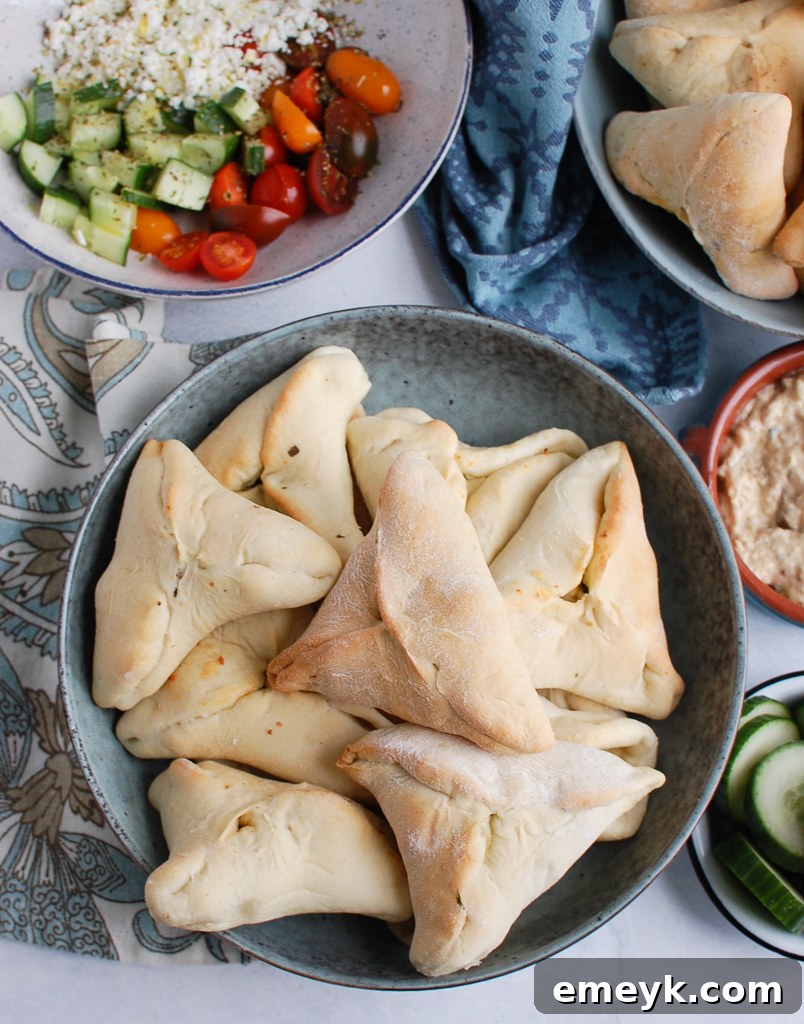
Expert Tips for Flawless Spinach Fatayer
Achieving bakery-quality Spinach Fatayer at home is easier than you think with these expert tips:
- Proper Dough Kneading: If using homemade dough, ensure you knead it sufficiently until it’s smooth, elastic, and bounces back when gently poked. This develops the gluten, resulting in a tender, pliable dough that’s easy to roll and shape, and yields a soft, airy crust.
- Crucial Moisture Removal: This is arguably the most important tip. Spinach naturally holds a lot of water. After macerating fresh spinach or thawing frozen spinach, squeeze out every possible drop of liquid. Wrap it in a clean kitchen towel or use a potato ricer for maximum dryness. Excess moisture will lead to a soggy filling and a damp dough, preventing those perfect golden, crispy edges.
- Secure Sealing is Key: When forming the triangles, pinch the edges of the dough together very firmly. You want to create a tight seal to encapsulate the filling. If the dough feels dry and isn’t sticking, moisten your fingertips with a little water before pinching. This creates a better bond and prevents the fatayer from opening up during baking, keeping your delicious filling intact.
- Uniform Triangle Shape: Take a moment to ensure your fatayer are evenly shaped. Not only does this contribute to an appealing presentation, but it also helps them bake more consistently. Uneven shapes can lead to some areas being undercooked or over-browned.
- Don’t Overfill: While it’s tempting to load up on the delicious filling, resist the urge to overfill each dough round. Leaving about a half-inch border around the edges ensures you have enough dough to create a strong, secure seal.
- Brush with Olive Oil: The olive oil brush before baking isn’t just for shine; it contributes to the beautiful golden color and a slightly crispy exterior, enhancing the overall texture and flavor.
Delightful Serving Suggestions for Your Spinach Fatayer
Spinach Fatayer are incredibly versatile and can be enjoyed in many ways. While they are a complete delight on their own, pairing them with other fresh and vibrant dishes can transform them into a satisfying and complete meal, reminiscent of a traditional Lebanese mezze. Here are some delicious recipes and ideas to serve alongside your savory hand pies:
- Fattoush Salad: A quintessential Lebanese salad, Fattoush is an ideal accompaniment. This healthy Middle Eastern salad features crisp romaine lettuce, an assortment of fresh seasonal vegetables, crunchy pita chips, and is dressed with a light, zesty lemony sumac vinaigrette. Its refreshing qualities perfectly balance the richness of the fatayer.
- Tabbouleh Salad: Another classic, Tabbouleh is a vibrant, fresh salad bursting with flavor. It combines finely chopped tomatoes, an abundance of fresh parsley and mint, green onions, and bulgur wheat, all tossed in a simple yet potent lemon and olive oil dressing. Its herbaceous notes and light texture complement the fatayer beautifully.
- Persian Tomato Cucumber Salad: For a refreshing and easy option, this Persian Tomato Cucumber Salad is perfect. It’s a light and crisp mix of diced tomatoes, cucumbers, red onion, a hint of jalapeño for subtle heat, and fresh mint and parsley, all finished with a simple olive oil lemon dressing.
- Spicy Lebanese Potatoes (Batata Harra): If you’re looking for a warm side dish with a kick, Batata Harra is an excellent choice. These spicy Lebanese potatoes are wonderfully crisp on the outside, tender on the inside, and seasoned with garlic, cilantro, and chili, adding a fiery and flavorful element to any meal.
- Creamy Yogurt Dip: A simple bowl of plain Greek yogurt or labneh (strained yogurt) makes for a fantastic dipping sauce. Its cool, tangy creaminess provides a refreshing contrast to the savory pies.
- Olives and Pickles: A small bowl of assorted olives and Lebanese pickled vegetables (like turnips or cucumbers) adds another authentic touch, offering briny and tangy flavors that cleanse the palate.
- Fresh Herbs: A platter of fresh mint, parsley, and basil alongside can be used for garnish or to add a burst of freshness with each bite.
Optimal Storage & Freezing Tips for Spinach Fatayer
One of the many beauties of Spinach Fatayer is their excellent shelf life and freezer-friendliness, making them perfect for meal prep or having delicious snacks on hand. They are equally delightful served warm directly from the oven or enjoyed at room temperature.
Storing Leftovers (Baked):
Allow any leftover baked Spinach Fatayer to cool completely to room temperature before storing. Place them in an airtight container or a resealable plastic bag. Store them in the refrigerator for up to 5 days. Reheat gently in an oven or air fryer for best results.
Freezing Baked Fatayer:
If you’ve baked a large batch and want to save some for later, follow these steps:
- Cool Completely: Ensure the fatayer are entirely cool before freezing. Freezing warm food can create condensation, leading to ice crystals and freezer burn.
- Individual Wrapping (Optional but Recommended): For best results and to prevent sticking and freezer burn, individually wrap each cooled fatayer tightly in plastic wrap, then a layer of aluminum foil. This double layer provides superior protection.
- Freezer-Safe Container: Place the wrapped fatayer in a freezer-safe bag or an airtight freezer container. Label with the date.
- Freezer Life: Properly stored, baked Spinach Fatayer can last in the freezer for up to 3 months.
Freezing Unbaked Fatayer:
You can also prepare the fatayer up to the shaping stage and freeze them raw:
- Flash Freeze: Place the shaped, unbaked fatayer on a parchment-lined baking sheet, ensuring they don’t touch. Flash freeze for 1-2 hours until solid.
- Store: Once firm, transfer the frozen fatayer to a freezer-safe bag or container, separating layers with parchment paper if necessary. Store for up to 2 months.
Thawing and Reheating:
- Thawing: When you’re ready to enjoy, transfer the frozen fatayer (baked or unbaked) to the refrigerator and let them thaw overnight.
- Reheating Baked Fatayer: For already baked fatayer, preheat your oven to 200°F (95°C) and reheat until warmed through (about 10-15 minutes). For crispier edges, you can air fry them for a few minutes at a slightly higher temperature (around 350°F/175°C) until golden and heated. Microwaving is an option for speed but may result in a softer texture.
- Baking Unbaked Frozen Fatayer: Place thawed unbaked fatayer on a parchment-lined baking sheet. Bake in a preheated oven at 350°F (175°C) for approximately 20-25 minutes, or until golden brown and cooked through. If baking directly from frozen (without thawing), increase the baking time to about 30-40 minutes, checking for doneness.
Recipe FAQs: Your Spinach Fatayer Questions Answered
The most crucial step is to squeeze out as much liquid as possible from the spinach filling. Excess moisture creates steam that can force the dough seams open. Additionally, ensure you pinch the seams of the dough very firmly when forming the triangles. If the dough seems dry and isn’t sticking well, dab your fingers with a tiny bit of water before pinching; this helps create a stronger seal. Properly prepared dough (well-kneaded and rested) also seals better.
Absolutely! Spinach Fatayer are an excellent make-ahead dish. You can prepare them in several ways:
- Uncooked and Frozen: Shape the fatayer, flash freeze them on a baking sheet, then transfer to a freezer bag. Bake from frozen or thaw and then bake as instructed.
- Baked and Refrigerated: Bake them completely, let them cool, and store in an airtight container in the fridge for up to 5 days.
- Baked and Frozen: Bake them fully, cool, and then freeze as described in the “Storage & Freezing Tips” section for up to 3 months.
This flexibility makes them perfect for entertaining or quick weeknight meals.
Yes, you can! This is a great time-saver. Place the frozen, unbaked fatayer directly on a parchment paper-lined baking sheet. Preheat your oven to 350°F (175°C). Bake for approximately 30-40 minutes, or until they are heated through, beautifully golden brown, and the dough is cooked all the way through. Keep an eye on them towards the end of the baking time as ovens can vary.
Once baked, Spinach Fatayer will remain fresh for up to five days when stored properly in an airtight container in the refrigerator. For longer storage, freezing is highly recommended.
Yes, easily! Simply omit the feta cheese from the filling. The combination of spinach, onion, garlic, sumac, and lemon juice is already incredibly flavorful on its own. Ensure your dough recipe is also vegan (most standard yeast doughs made with oil and water are, but check ingredients if using store-bought).
A soft, slightly enriched yeast dough is ideal for fatayer. It should be pliable enough to roll thinly without tearing and have enough structure to hold its shape. While homemade dough offers the best texture and flavor, high-quality frozen dinner roll dough (like Rhodes) is an excellent convenient alternative that yields very satisfying results.
I genuinely hope you find as much joy in making these traditional Lebanese Spinach Fatayer as my family and I do. They are truly a perfect snack, a crowd-pleasing appetizer, or a savory and wholesome addition to any meal. Your culinary adventure into Lebanese flavors starts here! If you try this recipe, please consider leaving a comment and a star rating below to share your experience. You can also follow along on Instagram for more delightful Lebanese recipes, including my popular Easy Shakshuka.
Explore More Authentic Lebanese Recipes
If you’ve enjoyed the flavors of these Spinach Fatayer, you’ll love diving deeper into the rich and diverse world of Lebanese cuisine. Here are more delicious recipes to add to your repertoire:
- Easy Lebanese Salad: A fresh and vibrant staple, perfect for any meal.
- Lebanese Chicken Kebobs: Tender, marinated chicken, grilled to perfection.
- Lebanese Spicy Potatoes (Batata Harra): A flavorful and zesty potato side dish with a kick.
- Arayes (Lebanese Meat Stuffed Pitas): Delicious grilled pitas filled with seasoned ground meat.
Tried this recipe? Leave a star rating and comment below! Subscribe to my newsletter or follow me on
Facebook,
Instagram, or
Pinterest for the latest.
Easy Spinach Fatayer
Julia Jolliff

Pin
1 hour
25 minutes
1 hour
25 minutes
24
Ingredients
-
1 package of dough or 1 package of Rhodes 36 count frozen dinner rolls
-
2 Tablespoons olive oil
-
1 cup sweet onion, finely diced
-
2 garlic cloves, minced
-
8 cups fresh spinach {or you can use 2 pounds of frozen, chopped spinach, drained}
-
1/2 teaspoon kosher salt
-
1/8 teaspoon black pepper
-
1 tablespoon sumac
-
1/2 teaspoon crushed red pepper {optional}
-
1/4 cup chopped parsley
-
1 lemon, juiced
-
6 ounces of crumbled feta cheese
-
1/2 cup pine nuts or chopped walnuts, toasted {optional}
Instructions
-
1. Prepare the Dough: If using frozen dough (like Rhodes rolls), transfer the package to your refrigerator 6 to 12 hours before you plan to bake. This will allow the dough to thaw but not fully rise, making it pliable. If using homemade dough, ensure it has completed its first rise. Once thawed or risen, divide the dough into approximately 24 two-inch round balls. Cover them lightly with a kitchen towel and let them rest for another 30 minutes to become puffy and relaxed.
-
2. Preheat Oven: Preheat your oven to 400°F (200°C). Line two large baking sheets with parchment paper or spray lightly with non-stick spray.
-
3. Prepare the Filling Base: In a medium skillet, heat 2 tablespoons of olive oil over medium heat. Add the minced garlic and finely diced sweet onion. Sauté for 2 to 3 minutes, or until the onions are soft and translucent. Remove from heat and set aside to cool slightly.
-
4. Prepare the Spinach Mixture: If using fresh spinach, finely chop 8 cups of fresh spinach and place it in a large bowl. Sprinkle with ½ teaspoon of salt and let it sit for 15 minutes to macerate. This helps draw out excess liquid. Use your hands or a clean kitchen towel to vigorously squeeze out as much moisture as possible from the spinach. If using 2 pounds of frozen chopped spinach, ensure it’s fully thawed and squeeze out all excess liquid. Transfer the well-drained spinach to a large mixing bowl.
-
5. Combine Filling Ingredients: Add the sautéed garlic and onion mixture to the spinach. Stir in 1 tablespoon of sumac, the remaining ½ teaspoon of kosher salt, ⅛ teaspoon of black pepper, ¼ cup chopped parsley, and the juice of 1 lemon. Mix everything thoroughly until well combined. If desired, add ½ teaspoon of crushed red pepper for a touch of heat, or a drizzle of pomegranate molasses for a hint of sweetness.
-
6. Shape and Fill the Pies: Lightly flour your work surface. Take one dough ball and use a rolling pin to flatten it into a round disc, about 4 inches (10 cm) in diameter and approximately ⅛ inch (3 mm) thick. Spoon a generous amount of the spinach mixture into the center of each dough round, leaving a clear border around the edges. Sprinkle about 1/2 ounce of crumbled feta cheese on top of the spinach, and add a few pine nuts or chopped walnuts if using.
-
7. Form the Triangles: Bring three edges of the dough together to meet at a point in the middle, creating a triangle shape. Use your fingers to firmly pinch the dough seams together, ensuring they are completely sealed to prevent the filling from escaping during baking. If edges are not sticking, lightly moisten with water and pinch again. Place each shaped fatayer on your prepared baking sheets in a single layer.
-
8. Bake to Golden: Lightly brush or spray the top of each spinach pie with a bit of olive oil. Bake in the preheated oven for about 20 minutes, or until the fatayer are beautifully puffed and golden brown. For an extra crisp texture and deeper golden edges, increase the oven heat to 450°F (230°C) for the last 2 minutes of baking, watching carefully.
-
9. Serve & Enjoy: Remove the fatayer from the oven and let them cool on the baking sheets for a couple of minutes before serving. They are best enjoyed warm or at room temperature. Store any leftovers as described in the Storage & Freezing Tips section, or freeze for future enjoyment.
Notes
These savory hand pies are excellent for freezing, making them ideal for meal prep. I often double the batch so I always have some on hand for quick meals or snacks.
Make sure you completely cool the baked spinach fatayer to room temperature before freezing. Once cooled, individually wrap each fatayer tightly in plastic wrap or aluminum foil. This helps prevent freezer burn and preserves their freshness and texture.
Place the wrapped fatayer in a freezer-safe bag or an airtight freezer container. Label the container with the date.
Properly stored, these will last in the freezer for up to 3 months.
THAWING AND REHEATING FROZEN FATAYER:
When you are ready to enjoy your frozen spinach fatayer, you can thaw them in the refrigerator overnight. Once thawed, you can gently reheat them in a preheated oven at 200°F (95°C) until warmed through, or air fry them for a few minutes at a slightly higher temperature (around 350°F/175°C) to crisp them up again. Microwaving is an option for speed, but it may result in a softer crust.
Nutrition
Calories:
60
kcal
Carbohydrates:
3
g
Protein:
2
g
Fat:
5
g
Saturated Fat:
1
g
Polyunsaturated Fat:
1
g
Monounsaturated Fat:
2
g
Cholesterol:
6
mg
Sodium:
148
mg
Potassium:
100
mg
Fiber:
1
g
Sugar:
1
g
Vitamin A:
1035
IU
Vitamin C:
7
mg
Calcium:
53
mg
Iron:
1
mg
Nutrition information is automatically calculated, so should only be used as an approximation.
Tried this recipe?
Mention @acedarspoon or tag #acedarspoon!