
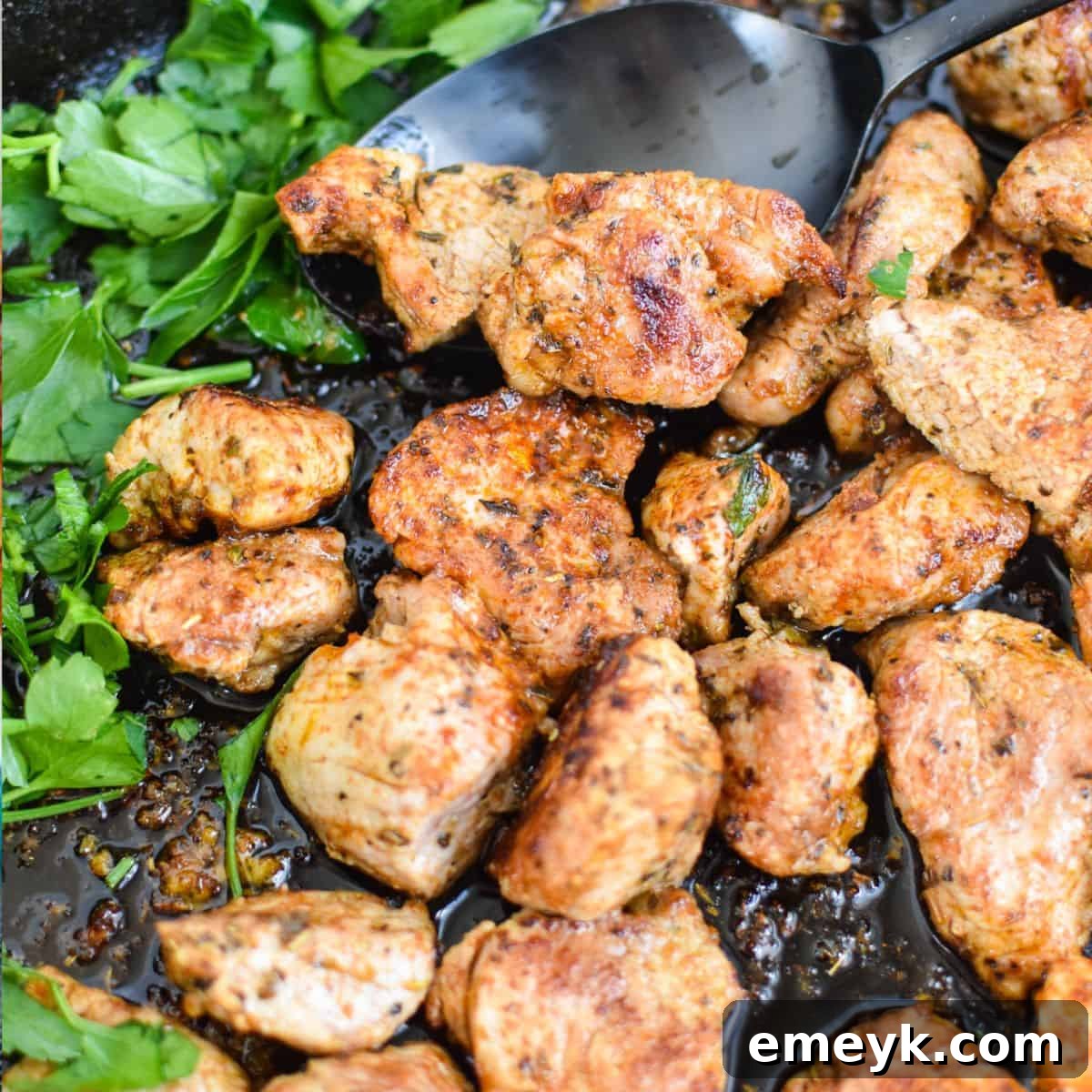
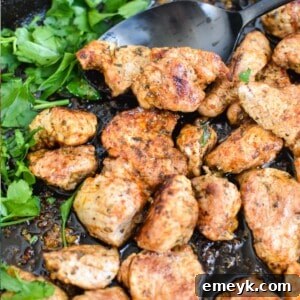
Cast Iron Pork Tenderloin is an absolute game-changer for those busy evenings when you crave a delicious, home-cooked meal without spending hours in the kitchen. This recipe transforms lean pork tenderloin into succulent, flavorful cubes, expertly seared in a hot cast iron skillet right on your stovetop. With a simple yet effective seasoning blend of Italian herbs and paprika, complemented by a hint of sweet honey, you’ll create a truly unforgettable sweet and savory pork dish. Serve it alongside a vibrant, fresh orzo salad for a light, spring-inspired meal that’s both satisfying and utterly delightful.
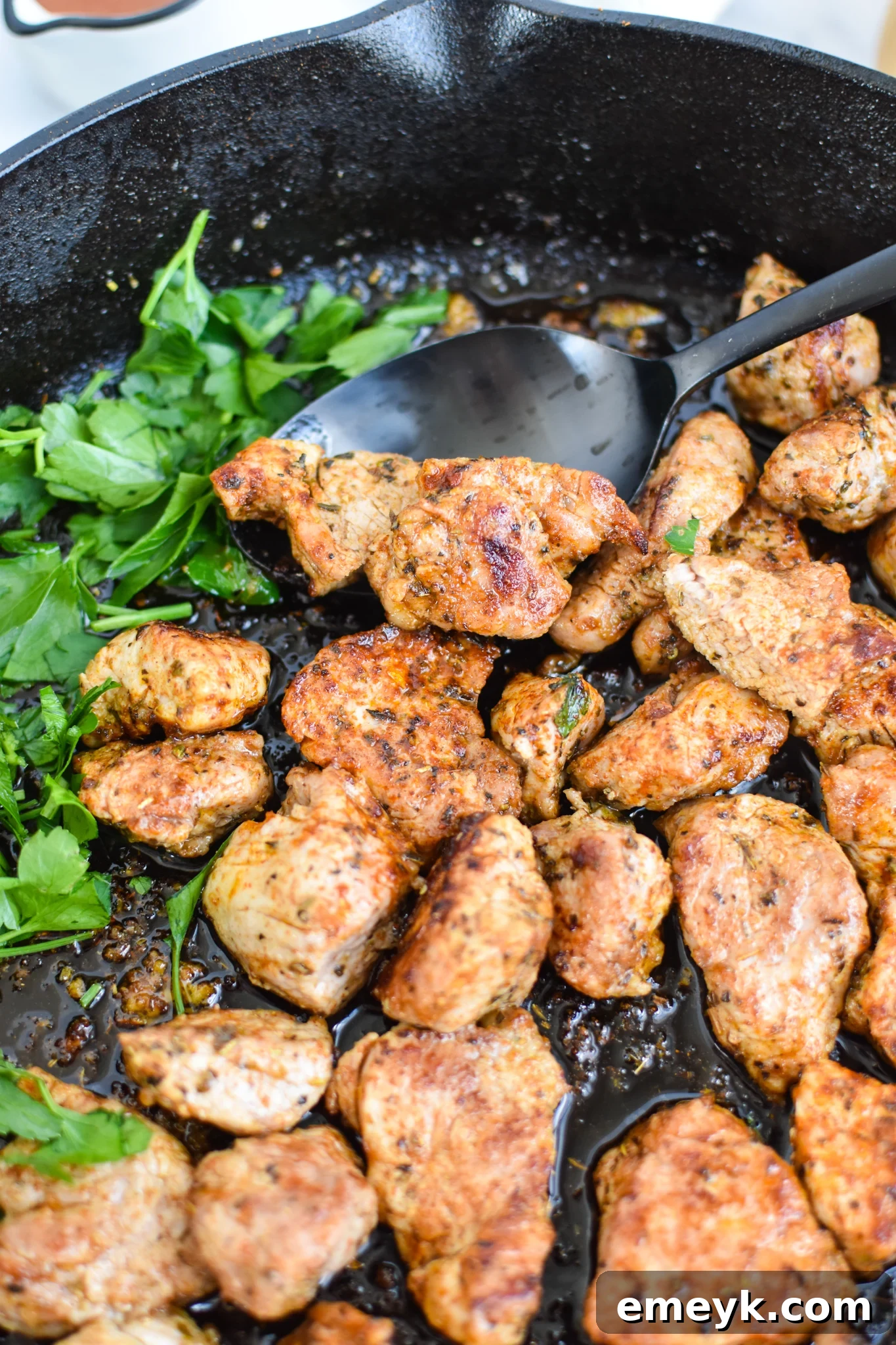
This Cast Iron Pork Tenderloin recipe isn’t just quick; it’s designed for success. In under 20 minutes, you can achieve a beautifully seared exterior and a perfectly juicy interior, a culinary feat often associated with much longer cooking times. The magic truly happens in the cast iron skillet, which distributes heat exceptionally well, creating that desirable, delicious crust on the outer part of the pork cubes. This method locks in the natural juices, ensuring every bite is tender and full of flavor. It truly is one of the best ways to prepare pork tenderloin for a quick weeknight dinner.
You’ll fall in love with the harmonious blend of sweet and savory notes in this dish. The earthy warmth of paprika combines exquisitely with the subtle sweetness of honey, creating a flavor profile that perfectly complements the lean pork. My absolute favorite aspect of this recipe is the incredible depth of flavor that develops when you cook pork in cast iron. Beyond the fantastic crust, the skillet’s unique properties enhance the overall taste, transforming simple ingredients into a gourmet experience. This recipe is a testament to how easy it is to make delicious and healthy meals at home, even on the busiest of schedules.
If you’re a fan of our other pork creations, such as the detailed guide on How to Make Pork Tenderloin in the Slow Cooker, the comforting Easy Pork Chili, or the hearty Slow Cooker Pork Shoulder Roast, then this stovetop Cast Iron Pork Tenderloin will surely become another cherished addition to your recipe repertoire. It’s a testament to the versatility and deliciousness of pork as a main ingredient.
Essential Ingredients for Your Cast Iron Pork Tenderloin
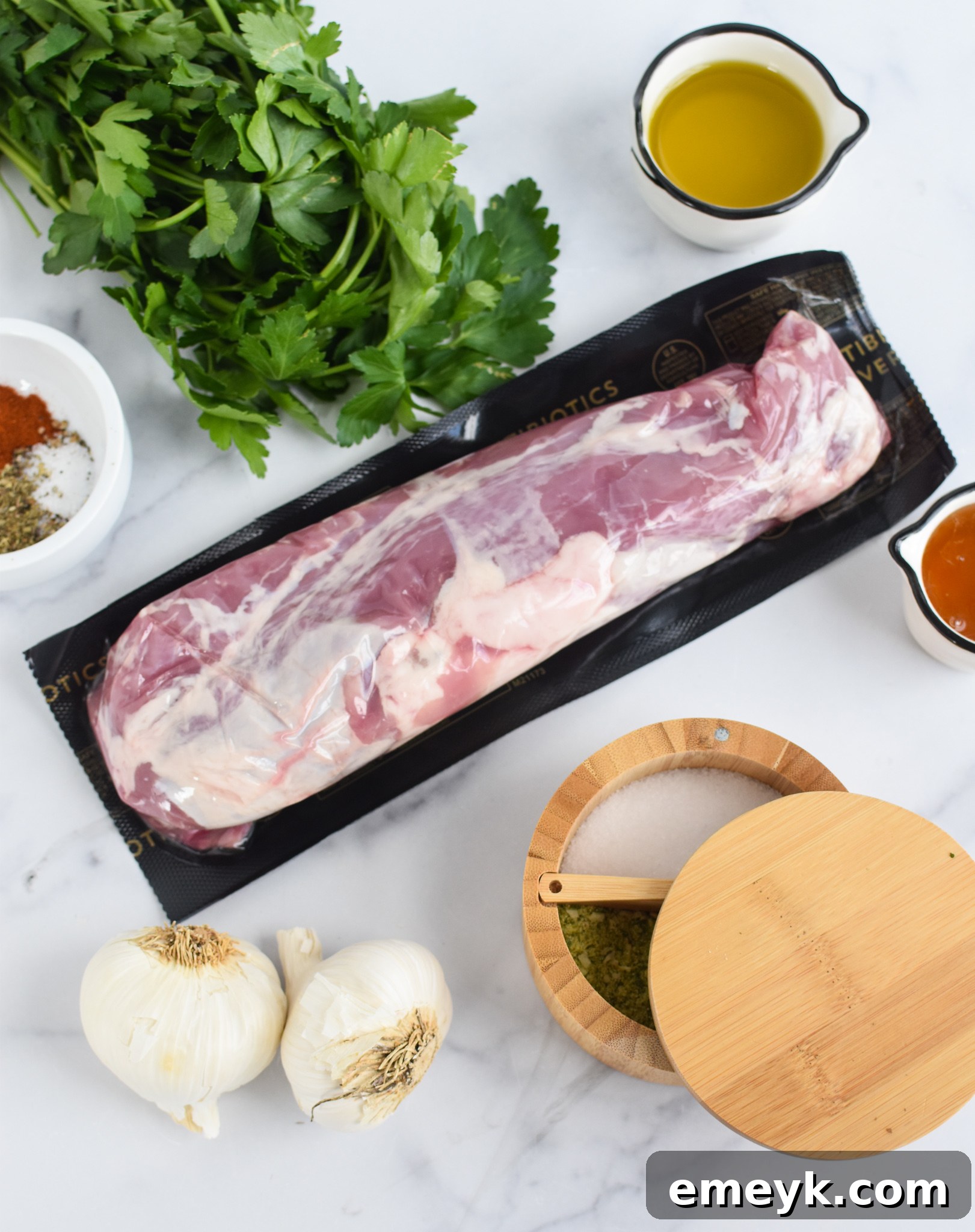
To craft this incredibly flavorful Cast Iron Pork Tenderloin, you’ll need a few key ingredients. For precise measurements and step-by-step instructions, be sure to consult the comprehensive recipe card located at the bottom of this page. Here’s a closer look at what makes this dish so special:
- Pork Tenderloin: The star of our dish. We recommend a 2 to 2 1/2 pound pork tenderloin, which will be cut into uniform 1-inch cubes. Before cutting, it’s crucial to properly trim the silver skin. This thin, silvery membrane doesn’t break down during cooking and can make the pork tough. Removing it ensures a tender, enjoyable texture in every bite.
- Aromatic Spices: A blend of classic Italian seasoning and vibrant paprika forms the foundation of our flavorful rub. Italian seasoning brings a medley of herbs like oregano, basil, thyme, and rosemary, while paprika adds a beautiful color and a mild, sweet, peppery warmth. Feel free to experiment with your favorite spice combinations; a smoky BBQ rub or a zesty lemon-herb blend would also work wonderfully, adding a personalized touch to your pork.
- Golden Honey: Drizzled over the pork before it hits the skillet, honey plays a dual role. It not only contributes a delightful sweetness that perfectly balances the savory spices but also aids in caramelization, helping to create that irresistible golden-brown crust we all love on seared meat.
- Fresh Garlic: Minced fresh garlic adds an essential pungent and aromatic depth to the pork, infusing it with robust flavor as it cooks in the hot skillet. Its presence elevates the overall taste, making the pork truly irresistible.
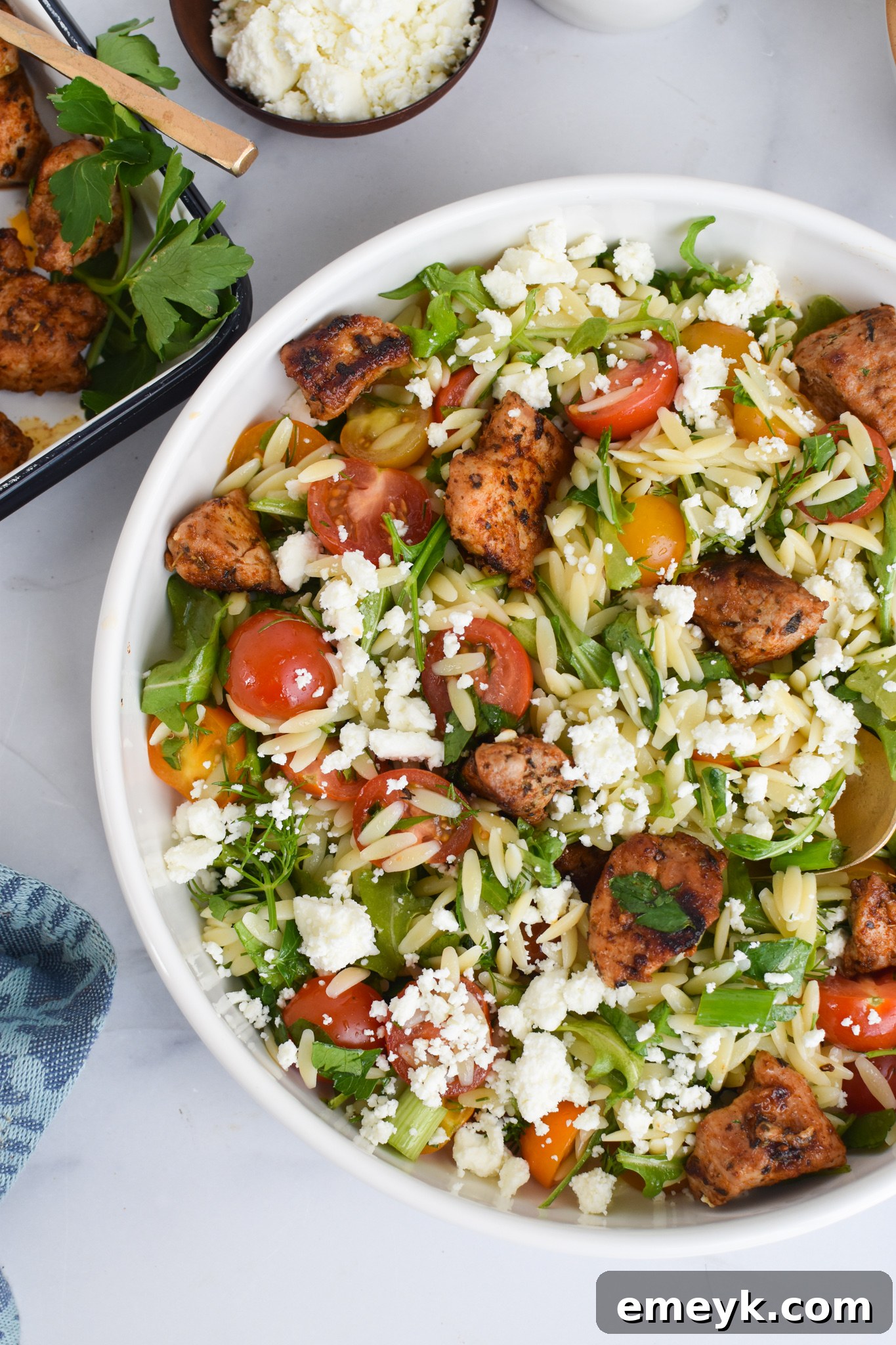
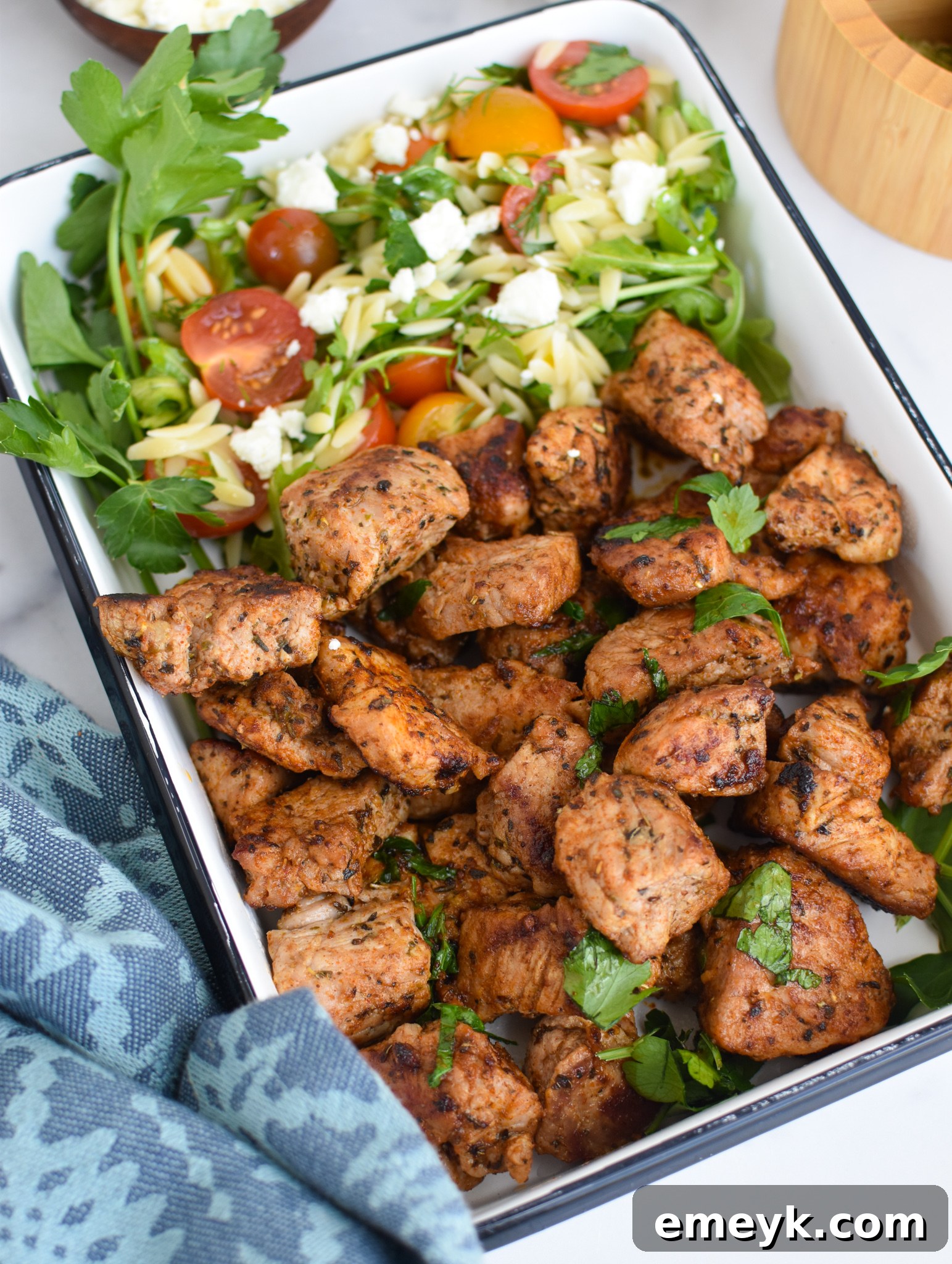
- Light Orzo Pasta: While optional, we highly recommend serving this flavorful pork with a light and refreshing orzo salad. Our suggested herbed orzo salad recipe, detailed below, provides a fantastic counterpoint to the richness of the pork. You can serve the pork alongside the salad, or for a complete meal, gently fold the cooked pork cubes directly into the pasta salad for a harmonious blend of flavors and textures.
Creative Recipe Variations to Elevate Your Pork Tenderloin
One of the beauties of pork tenderloin is its versatility. While our core recipe is fantastic, don’t hesitate to get creative with these delicious variations:
- Flavorful Marinades: Marinating your pork tenderloin, even for a short period, can significantly enhance its flavor and tenderness. For a simple yet effective marinade, combine olive oil, minced garlic, a pinch of salt and pepper, and your favorite dried herbs like rosemary or thyme. For an Asian-inspired twist, try a blend of soy sauce, a touch of honey, grated fresh ginger, and a splash of sesame oil. If you prefer a bit of heat, a spicy marinade with crushed red pepper flakes, cayenne pepper, and a dash of hot sauce will add an exciting kick. Aim for at least 30 minutes of marinating time, or up to a few hours for deeper flavor penetration.
- Sweet and Tangy Fruit Glazes: Fruit-based glazes beautifully complement pork, adding a delightful balance of sweetness and tang. Consider brushing your pork tenderloin with a vibrant mango chutney, a classic apple cider glaze infused with cinnamon, or a bright honey-orange sauce during the final minutes of cooking. These glazes not only add incredible flavor but also contribute to a beautiful, caramelized sheen on the pork.
- Robust Mustard Coating: Mustard and pork are a classic pairing for a reason. Before searing, generously spread a layer of Dijon mustard for a sharp, tangy flavor, or a whole grain mustard for a more rustic texture and milder tang, over the pork tenderloin. The mustard creates a barrier that helps keep the meat incredibly moist while infusing it with a wonderful savory depth.
- Crispy Herb Crust: For an extra layer of texture and flavor, create a savory herb crust. Mix together panko breadcrumbs, grated Parmesan cheese, and a generous amount of fresh chopped herbs like fragrant rosemary, earthy thyme, and bright parsley. Press this mixture firmly onto the pork tenderloin cubes before searing. The cast iron skillet will help create a golden, crispy crust that locks in moisture and adds an amazing aromatic dimension.
Effortless Steps to Make Delicious Cast Iron Pork Tenderloin
Creating this flavorful Cast Iron Pork Tenderloin is surprisingly simple and swift. Follow these easy steps to achieve a perfectly cooked meal that’s ready in minutes:
Step 1: Prepare the Pork Tenderloin
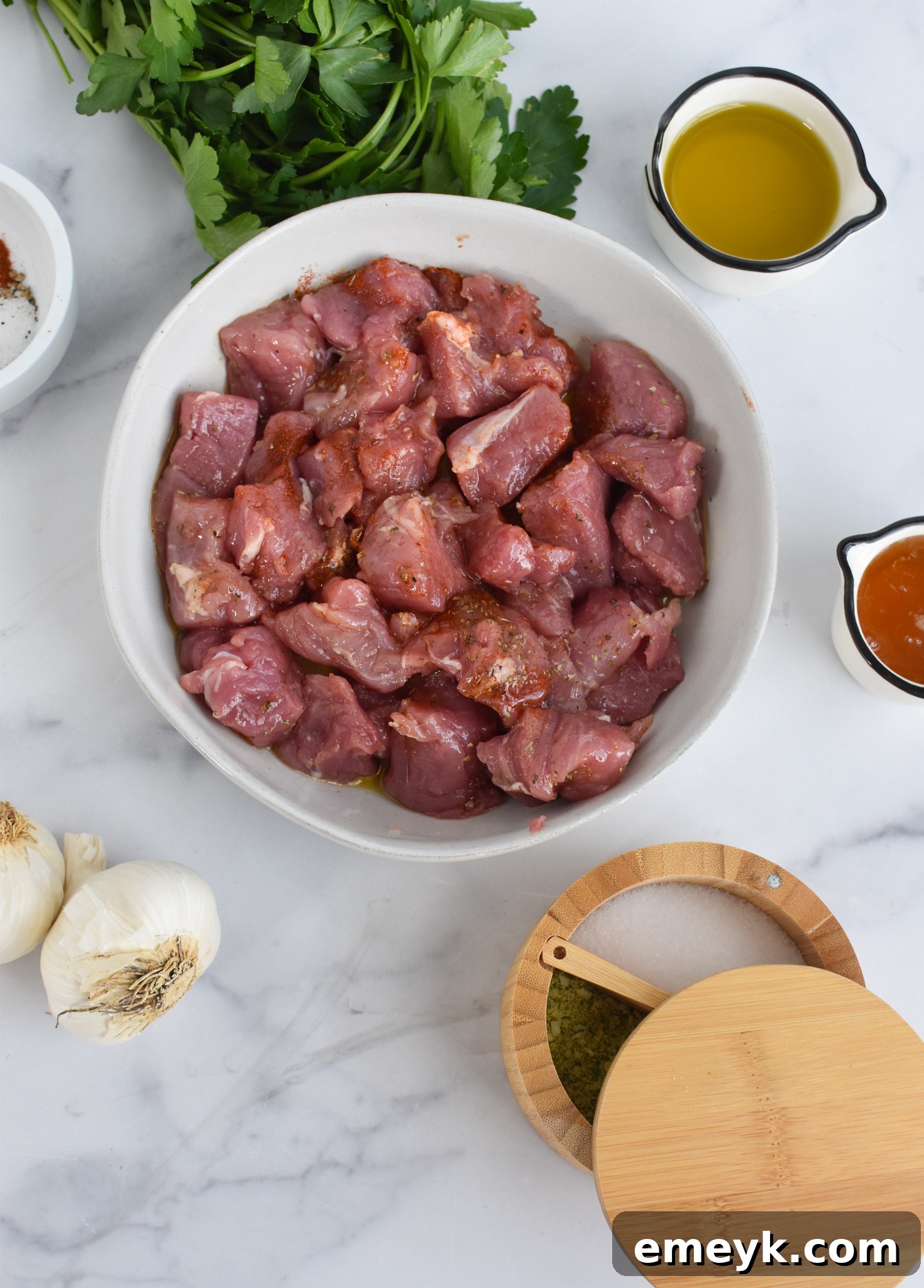
Begin by removing the silver skin from your pork tenderloin. This tough, thin membrane can be easily removed by sliding a sharp knife just under it and carefully pulling it away from the meat. Once trimmed, place the pork on a large, clean cutting board. For even cooking and optimal searing, cut the pork tenderloin into uniform 1-inch cubes. This ensures each piece cooks quickly and develops a fantastic crust.
Step 2: Season the Pork to Perfection
In a small bowl, combine the Italian seasoning, paprika, salt, and black pepper. This blend will create a robust and aromatic rub for your pork. Sprinkle this seasoning mixture generously over the pork cubes, ensuring each piece is evenly coated. Next, drizzle the honey over the seasoned pork, which will add a touch of sweetness and aid in caramelization. Finally, mix in the minced garlic, allowing its potent aroma to meld with the other flavors. Use your hands to thoroughly combine all the ingredients, ensuring every pork cube is well-coated with the delicious rub.
Step 3: Sear in the Cast Iron Skillet
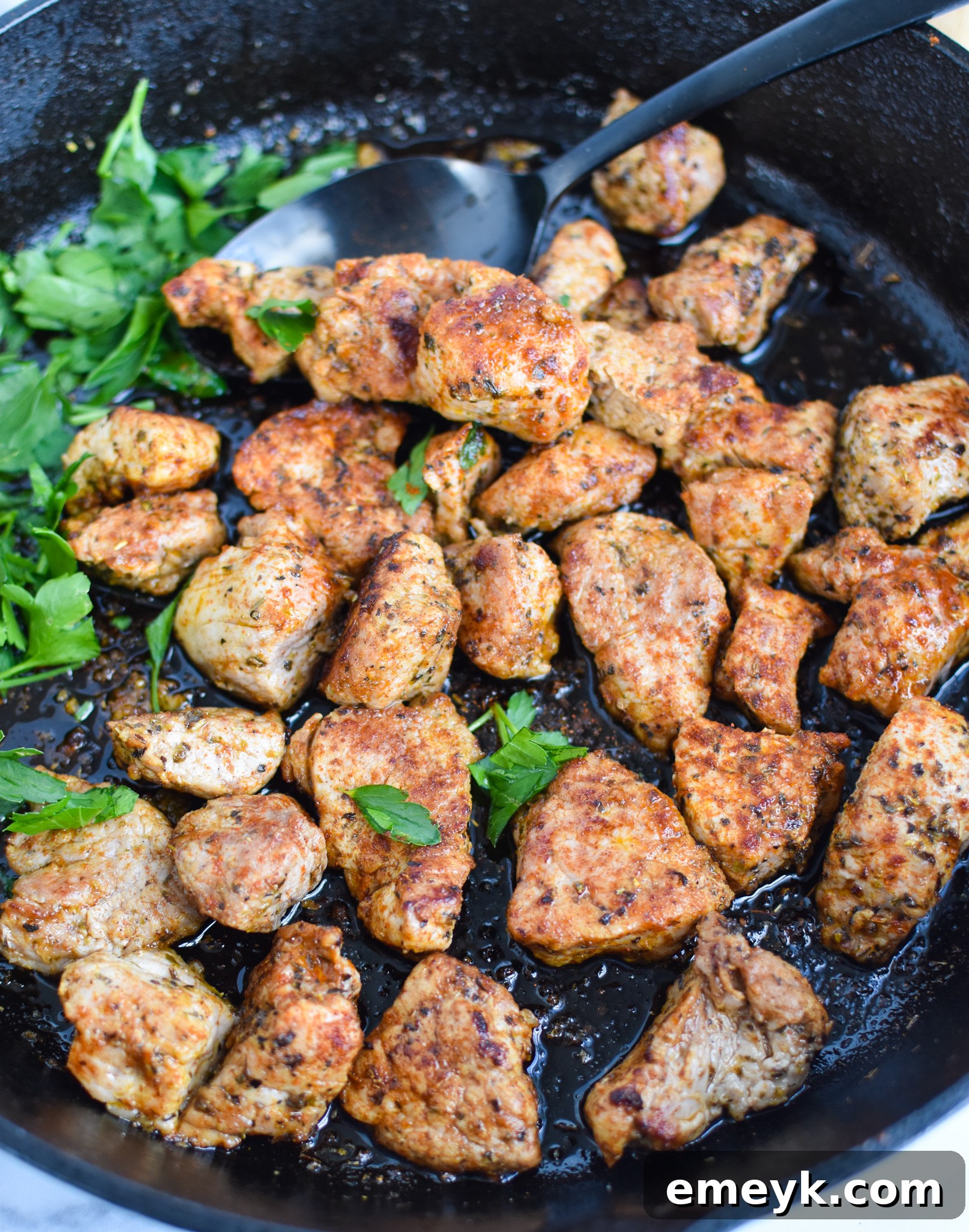
Heat the olive oil in a large cast-iron skillet (or a heavy-bottomed non-stick pan if you don’t have cast iron) over medium-high heat. It’s important to get the skillet nice and hot before adding the pork to ensure a proper sear. Once the oil shimmers, add the pork cubes in a single layer. Avoid overcrowding the pan, as this can steam the meat instead of searing it. If necessary, cook the pork in batches. Cook for 10-12 minutes, stirring occasionally and flipping the pork over, until it develops a beautiful golden-brown crust on all sides and reaches an internal temperature of 145 degrees F. An instant-read thermometer is your best friend here for accuracy.
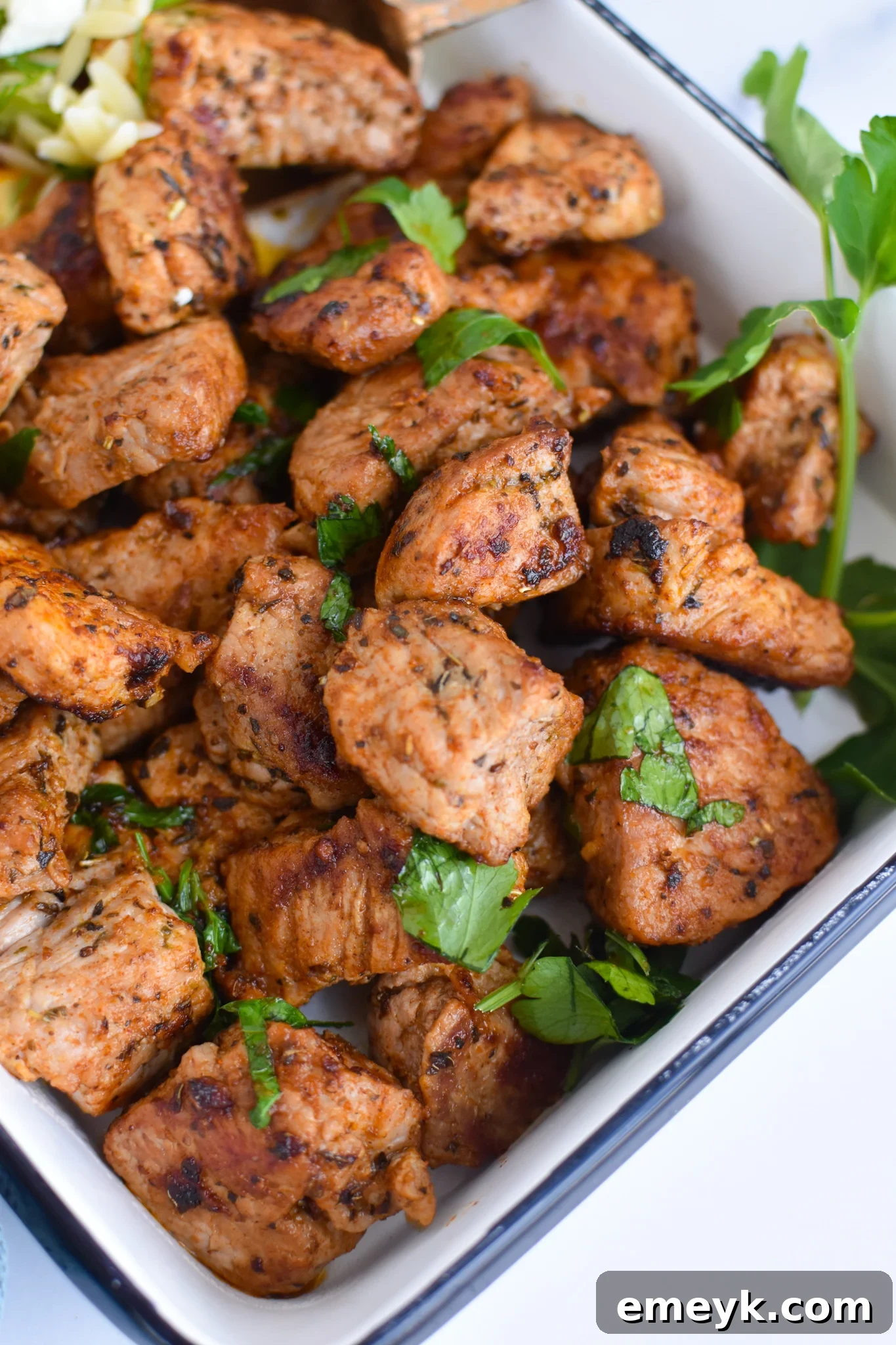
Once the pork is cooked to perfection, transfer it from the skillet to a plate or cutting board and let it rest for at least 5 minutes. This crucial resting period allows the juices to redistribute throughout the meat, resulting in incredibly tender and juicy pork tenderloin. Once slightly cooled, you can stir the pork into your prepared orzo pasta salad, or serve it alongside other delicious sides like roasted baby potatoes or sweet potatoes. Any leftovers can be stored in an airtight container in the refrigerator for up to 3-4 days, making for excellent meal prep.
Achieving Perfect Pork Doneness: The Ideal Temperature
Understanding the correct internal temperature for pork tenderloin is key to achieving a juicy, flavorful result. The USDA and FDA recommend cooking whole cuts of pork, including tenderloin, to an internal temperature of 145 degrees F (63 degrees C). It’s perfectly safe for pork to have a slight blush of pink in the center at this temperature. Many people still believe pork must be cooked until all pinkness is gone, but this often leads to dry, overcooked meat. Using an instant-read meat thermometer inserted into the thickest part of the largest piece of pork is the most accurate way to ensure it’s cooked safely and deliciously. Remember, the pork will continue to cook slightly after being removed from the heat (carryover cooking), so aiming for 145 degrees F (63 degrees C) ensures maximum juiciness.
Pork Loin vs. Pork Tenderloin: Knowing the Difference
While their names sound similar, pork loin and pork tenderloin are distinct cuts of meat that come from different parts of the pig and are best suited for different cooking methods. Understanding their differences is crucial for culinary success:
- Pork Tenderloin: This cut comes from the muscle that runs along the pig’s backbone. It is long, thin, and cylindrical, typically weighing between 1 to 2 pounds. Tenderloin is incredibly lean and very tender, making it ideal for quick-cooking methods like searing, grilling, roasting, or, as in this recipe, pan-frying in a cast iron skillet. Because it’s so lean, it can dry out quickly if overcooked.
- Pork Loin: Also known as pork loin roast, this cut is much larger and wider than the tenderloin, often weighing anywhere from 2 to 5 pounds. It typically includes a bone, but can also be boneless. Pork loin is a wider, thicker cut that is often sold with a fat cap on one side, which helps keep it moist during longer cooking times. It’s best suited for slow roasting, braising, or grilling whole, as its size allows for a more gradual cooking process.
For this recipe, we specifically use pork tenderloin due to its tenderness and its ability to cook quickly and evenly when cut into cubes, making it perfect for a fast stovetop meal. Always double-check the label when purchasing to ensure you have the correct cut for your dish!
Expand your pork culinary adventures with these other fantastic recipes: our vibrant Pork Souvlaki Marinade, the classic comfort of BBQ Baked Pork Chops, the tropical twist of Easy Pineapple Pork Chops, the rich flavors of French Onion Pork Chops, the tender Slow Cooker Pork Shoulder Roast, or the sweet and savory Slow Cooker Pineapple Pork Loin.
Storage and Reheating Tips for Leftovers
To ensure your delicious Cast Iron Pork Tenderloin leftovers stay fresh and flavorful, proper storage is key. Once the pork has cooled completely to room temperature, transfer it to an airtight container. It can be safely stored in the refrigerator for up to 3-4 days. For longer storage, you can freeze the cooked pork in a freezer-safe bag or container for up to 2-3 months. Thaw frozen pork overnight in the refrigerator before reheating.
When you’re ready to enjoy your leftovers, there are several convenient reheating methods:
- Microwave: For a quick reheat, place the pork in a microwave-safe dish and heat on medium power in 30-60 second intervals, stirring in between, until heated through. Be careful not to overheat, as this can dry out the pork.
- Skillet: To revive some of that wonderful seared texture, reheat the pork in a lightly oiled skillet over medium heat. Stir occasionally until warmed through, about 5-7 minutes.
- Oven: For larger quantities or if you prefer a gentler reheat, place the pork in an oven-safe dish, cover it with foil to retain moisture, and reheat in a preheated oven at 300°F (150°C) for about 10-15 minutes, or until warm.
Frequently Asked Questions About Cast Iron Pork Tenderloin
Cast iron skillets are a cook’s best friend, especially when it comes to searing meats like pork tenderloin. Their superior heat retention and even heat distribution create an unparalleled, crispy, golden-brown crust on the outside of the pork while ensuring the inside remains incredibly juicy and tender. Plus, many cast iron skillets are oven-safe, offering the versatility to start searing on the stovetop and finish cooking in the oven, all in one pan, though for this cubed tenderloin recipe, stovetop only is perfect!
While marinating is optional for this recipe, it’s definitely a step that can enhance your pork tenderloin. Marinating helps to infuse the meat with deeper flavors and can also contribute to tenderizing the pork, especially if your marinade includes acidic components like citrus juice or vinegar. Even a short 30-minute marinade can make a noticeable difference in taste and texture.
The key to preventing dry pork tenderloin is precise cooking and proper resting. First, ensure you don’t overcook the pork; aim for an internal temperature of 145 degrees F (63 degrees C), which will leave a slight blush of pink in the center, indicating perfect juiciness. Using a meat thermometer is crucial. Second, always allow the cooked pork to rest for at least 5 minutes after removing it from the heat. This allows the internal juices to redistribute, keeping the meat moist. Lastly, avoid piercing the meat with a fork during cooking, as this can cause precious juices to escape.
Absolutely! While cast iron is highly recommended for its excellent searing capabilities, you can still achieve delicious results using a heavy-bottomed stainless steel skillet or a good quality non-stick pan. The most important factor is to ensure your chosen skillet is large enough to accommodate the pork in a single layer without overcrowding, and that you preheat it properly to achieve a good sear. Adjust cooking times slightly as needed, as different pan materials conduct heat differently.
Discover More Delicious Pork Recipes
If you’ve enjoyed this Cast Iron Pork Tenderloin, you’ll love exploring these other incredible pork dishes that are perfect for any occasion:
Pork
Easy Thai Pork Stir-Fry
A quick and vibrant stir-fry packed with authentic Thai flavors and tender pork.
Mediterranean
Pork Souvlaki with Tzatziki
Taste the Mediterranean with these marinated pork skewers, perfectly complemented by a cooling tzatziki.
Pork
How to Cook Pork Loin in the Slow Cooker
Master the art of cooking a juicy, fall-apart pork loin with minimal effort using your slow cooker.
Pork
How to Bake Pork Chops in the Oven
Learn the simple secrets to baking tender, juicy pork chops in the oven every single time.
Tried this recipe? Leave a star rating and comment below! Subscribe to our newsletter or follow us on
Facebook,
Instagram, or
Pinterest for the latest recipes.
Cast Iron Pork Tenderloin
Ingredients
- 2 to 2 1/2 pounds pork tenderloin, silver skin trimmed, cut into 1-inch cubes
- 2 tablespoons olive oil
- 1 teaspoon Italian seasoning
- 1 teaspoon paprika
- 3/4 teaspoon salt
- 1/4 teaspoon black pepper
- 2 teaspoon honey
- 3 garlic cloves, minced
- 8 ounces orzo pasta {try whole wheat for a healthier version}, cooked according to package
- 2 cups cherry tomatoes, halved
- 1/2 english cucumber, diced
- 1/2 cup crumbled feta cheese
- 1 cup of arugula
- 1/2 cup fresh basil leaves, chopped
- 1/4 cup fresh mint leaves, chopped
- 1/4 cup fresh parsley, chopped
- 2 tablespoons dill, chopped
- 1/3 cup red wine vinegar
- 1 lemon, juiced
- 1 teaspoon honey
- 1/2 teaspoon salt
- 1/8 teaspoon freshly ground black pepper
- 2/3 cup extra-virgin olive oil
Instructions
For the pork:
-
Remove the silver skin from the pork tenderloin and place the pork tenderloin on a large cutting board. Carefully cut the pork into uniform 1-inch cubes for even cooking.
-
In a small bowl, thoroughly mix together the Italian seasoning, paprika, salt, and black pepper. Sprinkle this aromatic spice mixture generously over the pork cubes, ensuring all sides are coated.
-
Drizzle the honey over the seasoned pork, then add the minced garlic. Use your hands to mix everything together, ensuring the pork is fully coated with the honey and garlic.
-
Heat the olive oil in a large cast iron or heavy-bottomed non-stick skillet over medium-high heat. Allow the skillet to get sufficiently hot before adding the pork.
-
Add the pork cubes to the hot pan in a single layer. Cook for 10-12 minutes, stirring occasionally and flipping the pork over, until a beautiful crust forms on the outside and the pork reaches an internal temperature of 145 degrees F (63 degrees C). Use an instant-read meat thermometer for accuracy.
-
Once the pork is cooked, remove it from the skillet and let it rest on a plate for 5 minutes. This crucial step helps the juices redistribute, ensuring incredibly tender and juicy pork.
-
After resting, the pork is ready to be served. You can stir it directly into the cooled orzo pasta salad, or serve it as a delicious main course alongside your favorite side dishes.
For the orzo salad:
-
Cook the orzo pasta according to the package directions. Once cooked, drain it and either let it cool completely to room temperature or rinse it under cold water to expedite the cooling process.
-
In a large mixing bowl, combine the diced cucumber, crumbled feta cheese, halved cherry tomatoes, and fresh arugula. Gently stir these ingredients together.
-
Prepare the dressing: In a mason jar or a salad dressing container, whisk together the red wine vinegar, fresh lemon juice, honey, salt, black pepper, and extra-virgin olive oil until well combined and emulsified.
-
Add the cooled orzo pasta to the bowl with the vegetables and mix well. Pour about half of the prepared dressing over the salad and toss gently to coat. Sprinkle the chopped fresh basil, mint, dill, and parsley over the salad and toss again.
-
If serving the orzo salad immediately, taste and add more dressing if desired. If preparing ahead, refrigerate the remaining dressing separately from the salad. When ready to serve, add the remaining dressing and toss.
Nutrition
Carbohydrates: 38g,
Protein: 47g,
Fat: 39g,
Saturated Fat: 8g,
Polyunsaturated Fat: 4g,
Monounsaturated Fat: 24g,
Trans Fat: 0.1g,
Cholesterol: 134mg,
Sodium: 739mg,
Potassium: 1075mg,
Fiber: 3g,
Sugar: 6g,
Vitamin A: 985IU,
Vitamin C: 27mg,
Calcium: 123mg,
Iron: 4mg
Nutrition information is automatically calculated, so should only be used as an approximation.