
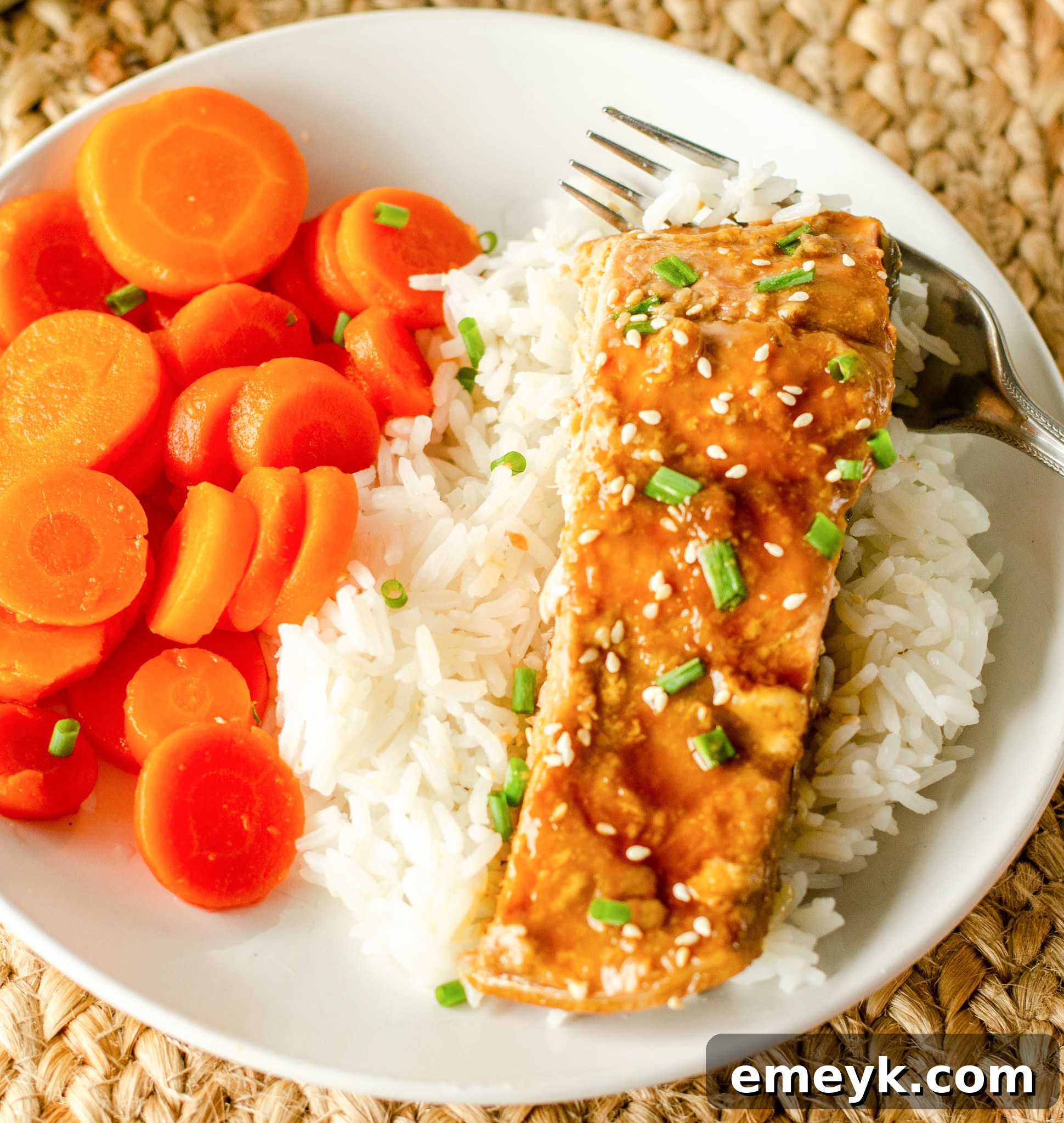
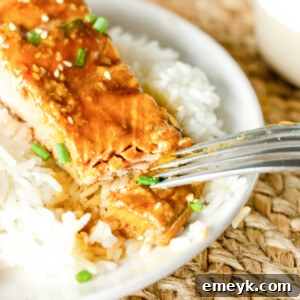
Craving a flavorful, quick, and healthy dinner? This Teriyaki Salmon Recipe is exactly what you’ve been searching for. It’s an incredibly easy weeknight solution, bursting with a sweet and tangy homemade teriyaki sauce that will delight your taste buds. Prepared with only 7 core ingredients and ready in under 30 minutes, this tender, flaky salmon is baked to absolute perfection. Get ready to add a new favorite to your dinner rotation!
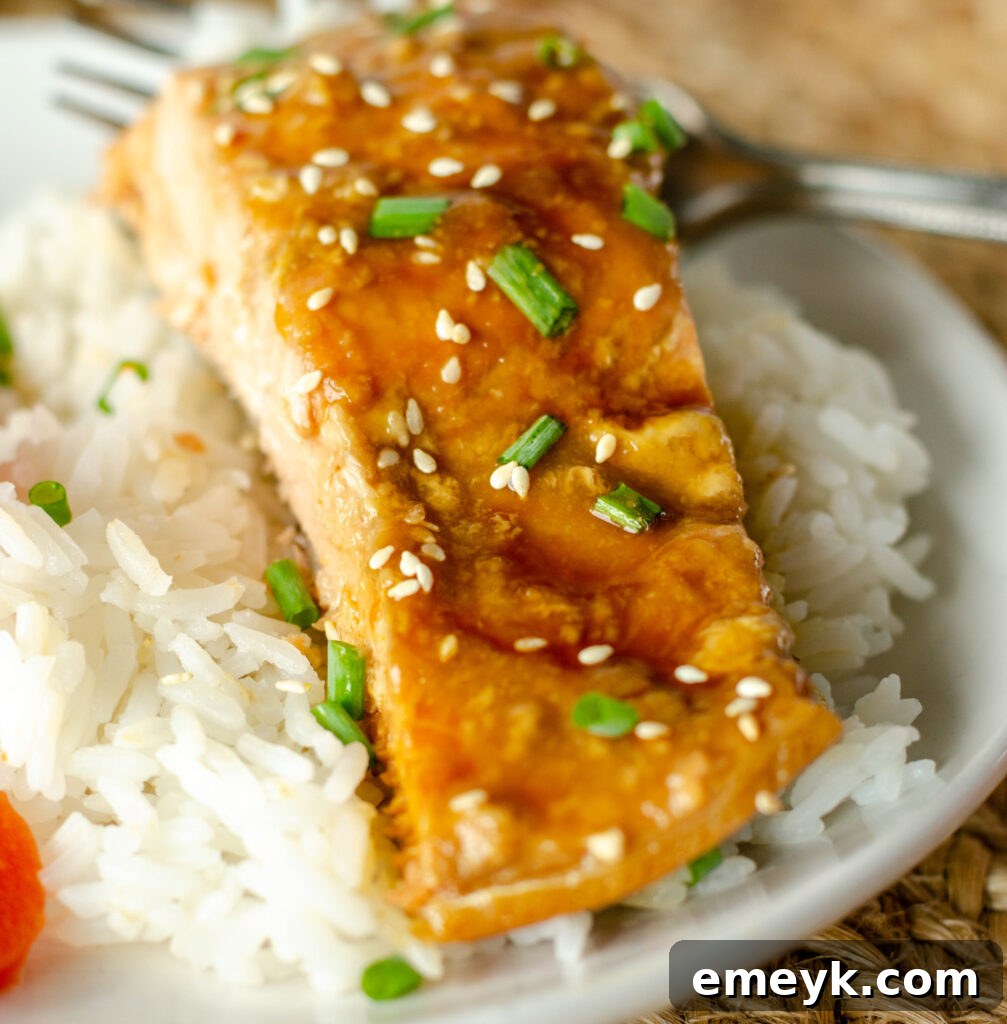
The Ultimate Easy Teriyaki Salmon Recipe
Finding a healthy, delicious, and quick dinner that the whole family will love can sometimes feel like a culinary quest. Look no further! This homemade teriyaki salmon recipe checks all the boxes. It’s a testament to how simple ingredients can come together to create an unforgettable meal that tastes far more complex than it actually is. With its rich flavor profile and minimal preparation, this dish is destined to become your go-to for busy evenings.
Our recipe highlights the natural richness of salmon, complemented by a vibrant homemade teriyaki sauce. Forget store-bought alternatives laden with artificial ingredients; our sauce is made from scratch in just about 5 minutes, allowing you to control the flavors and ensure the freshest taste. This baked teriyaki salmon cooks up tender and flaky every time, promising a melt-in-your-mouth experience that everyone will adore.
Why Teriyaki Salmon is a Weeknight Champion
This recipe isn’t just easy; it’s smart cooking. Here’s why it stands out as an ideal meal for any night of the week:
- Speed and Simplicity: From start to finish, you’re looking at under 30 minutes. The sauce comes together in a flash, and the baking process is largely hands-off, freeing you up for other tasks.
- Minimal Ingredients: With just 7 core ingredients for the sauce and the salmon itself, you likely have most of what you need in your pantry already, cutting down on grocery runs and meal planning stress.
- Bursting with Flavor: The homemade teriyaki sauce delivers a perfect balance of sweet, savory, and tangy notes, enhancing the salmon’s natural taste without overpowering it. It’s a true crowd-pleaser.
- Healthy & Wholesome: Salmon is a powerhouse of Omega-3 fatty acids, high-quality protein, and essential vitamins like B12 and D. Paired with our lighter homemade sauce, it’s a nutritious choice you can feel good about serving regularly.
- Versatile Serving Options: This dish pairs beautifully with a variety of sides, from simple steamed rice to roasted vegetables or crisp salads, making it easy to adapt to your preferences and available ingredients.
For those who embrace the Mediterranean diet, incorporating seafood into your weekly meal plan is a cornerstone. If you love fresh fish, you might also enjoy exploring other delightful seafood recipes like our Mediterranean Salmon, Baked Cod with Lemon, Black Sea Bass Recipe, and the incredibly convenient Air Fryer Cod. This teriyaki salmon offers another fantastic option to keep your meals exciting, varied, and nutritious.
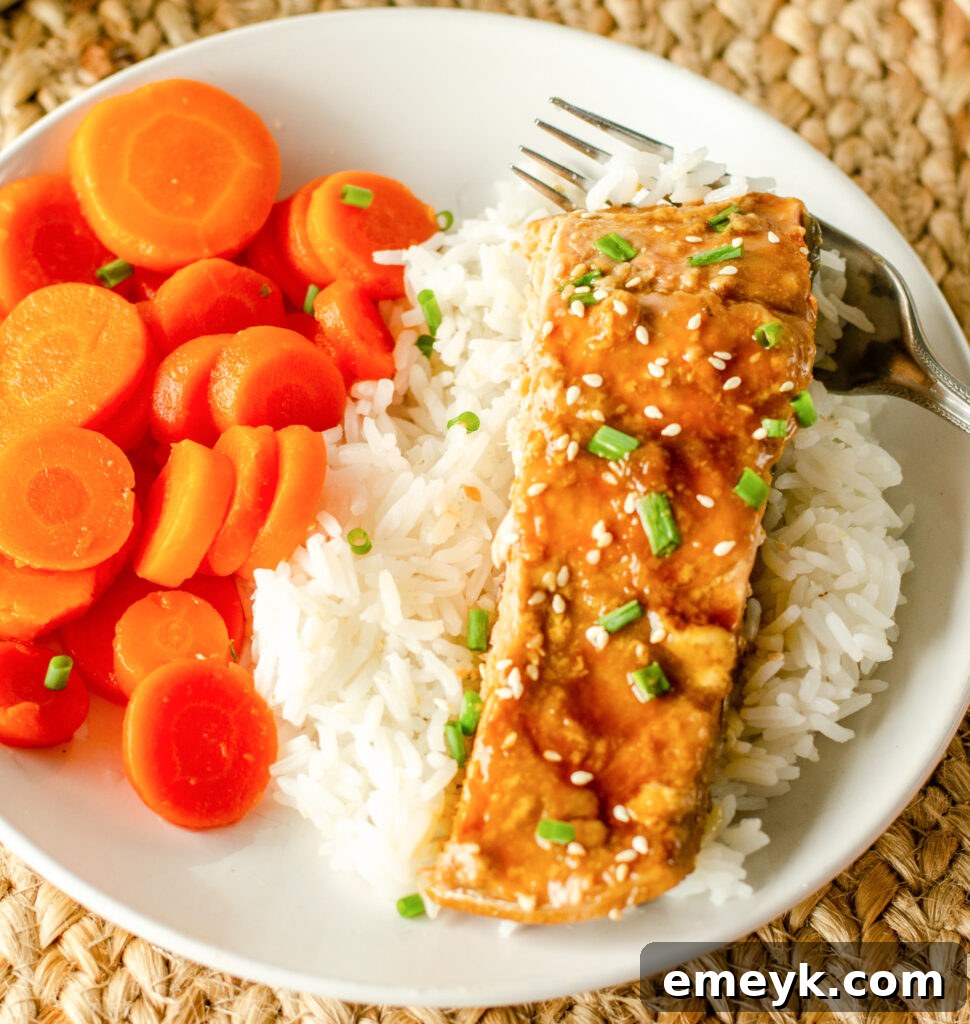
What Exactly is Teriyaki Salmon?
Teriyaki salmon is a classic dish featuring flaky salmon fillets coated in a rich, glossy teriyaki sauce and typically baked, grilled, or pan-fried. The term “teriyaki” itself originates from Japan and refers to a cooking method where food is grilled or broiled with a glaze of soy sauce, mirin (or sake), and sugar. The result is a beautiful, caramelized sheen and a depth of flavor that is uniquely savory-sweet.
Our recipe captures the essence of this traditional flavor profile but simplifies the process for home cooks, focusing on accessibility and speed without compromising on taste. The beauty of this dish lies in the harmonious blend of flavors. The natural richness and healthy fats of the salmon perfectly balance the sweet and savory notes of the teriyaki sauce, creating an irresistible umami bomb with every bite. Baking the salmon in foil helps to lock in moisture and flavor, resulting in incredibly tender fish that practically falls apart with a fork. It’s an accessible way to enjoy a taste of Asian-inspired cuisine right in your own kitchen.
Key Ingredients for Your Homemade Teriyaki Sauce
Creating your own teriyaki sauce is surprisingly simple and allows for complete control over the taste and ingredients. Most of these items are pantry staples, easily found in the baking or international aisles of your local grocery store. Here’s a closer look at the stars of our homemade teriyaki sauce:
- Soy Sauce: This forms the essential savory and umami base of any teriyaki sauce. For a healthier option and to manage sodium intake, use a low-sodium variety. If you’re looking for a gluten-free alternative, Tamari is an excellent substitute, offering a similar depth of flavor without the gluten. Additionally, coconut aminos can be used for a soy-free, gluten-free, and even lower sodium option, perfect for those with dietary restrictions or following specific eating plans.
- Brown Sugar: This ingredient provides the signature sweetness and contributes to the sauce’s beautiful caramelization as it bakes onto the salmon. Both light and dark brown sugar work wonderfully here. If you find yourself without brown sugar, you can easily make your own by combining granulated white sugar with a touch of molasses. Alternatively, for a refined sugar-free version, consider using natural sweeteners like honey or maple syrup, adjusting the quantity to your preferred sweetness level.
- Vinegar: Regular white vinegar lends the necessary tanginess and acidity to balance the sweetness of the brown sugar, creating a well-rounded flavor profile. Rice vinegar is also a fantastic choice, often found in Asian cooking, as it offers a slightly milder and sweeter acidity that can enhance the overall dish. Apple cider vinegar can also be used in a pinch, though it will impart a slightly different, fruitier flavor profile.
- Cornstarch: This essential ingredient acts as a thickening agent, transforming the liquid sauce into a luxurious, glossy glaze that coats the salmon beautifully. You only need a small amount (around 2 teaspoons) to achieve that perfect, decadent texture, allowing the sauce to cling to the fish rather than running off, ensuring every bite is coated in flavor.
- Garlic Powder: A foundational flavor enhancer, garlic powder provides a consistent savory note throughout the sauce. While convenient, using freshly minced garlic can elevate the aroma and taste even further, offering a sharper, fresher garlic punch. Just remember to adjust the quantity (approximately 1 teaspoon of garlic powder equals 3-4 cloves of fresh garlic).
- Ginger: Whether you choose fresh or ground ginger, its pungent, warm, and slightly spicy notes are crucial for an authentic teriyaki flavor profile. Fresh ginger, grated or finely minced, provides a brighter, more zesty kick that truly awakens the palate. Ground ginger, found readily in the spice aisle, offers a convenient and consistent flavor.
- Sesame Seeds: Primarily used for garnish in this recipe, sesame seeds also contribute a subtle nutty flavor and appealing texture when sprinkled over the finished dish. They add a touch of elegance and authenticity to the visual presentation.
- Sesame Oil: Toasted sesame oil is a flavor bomb! A small dash adds a deep, nutty, and intensely aromatic quality that is quintessential to Asian-inspired sauces. For baking, use regular sesame oil in the sauce, as toasted sesame oil can sometimes become bitter when cooked at high temperatures. If you love that intense toasted flavor, you can drizzle a tiny bit of toasted sesame oil over the cooked salmon just before serving for an extra layer of aroma.
- Olive Oil: Used as a base for combining ingredients in the sauce, olive oil helps emulsify the flavors and contributes to the overall texture. A good quality extra virgin olive oil works wonderfully and adds a hint of fruitiness, but any neutral cooking oil you have on hand will suffice.
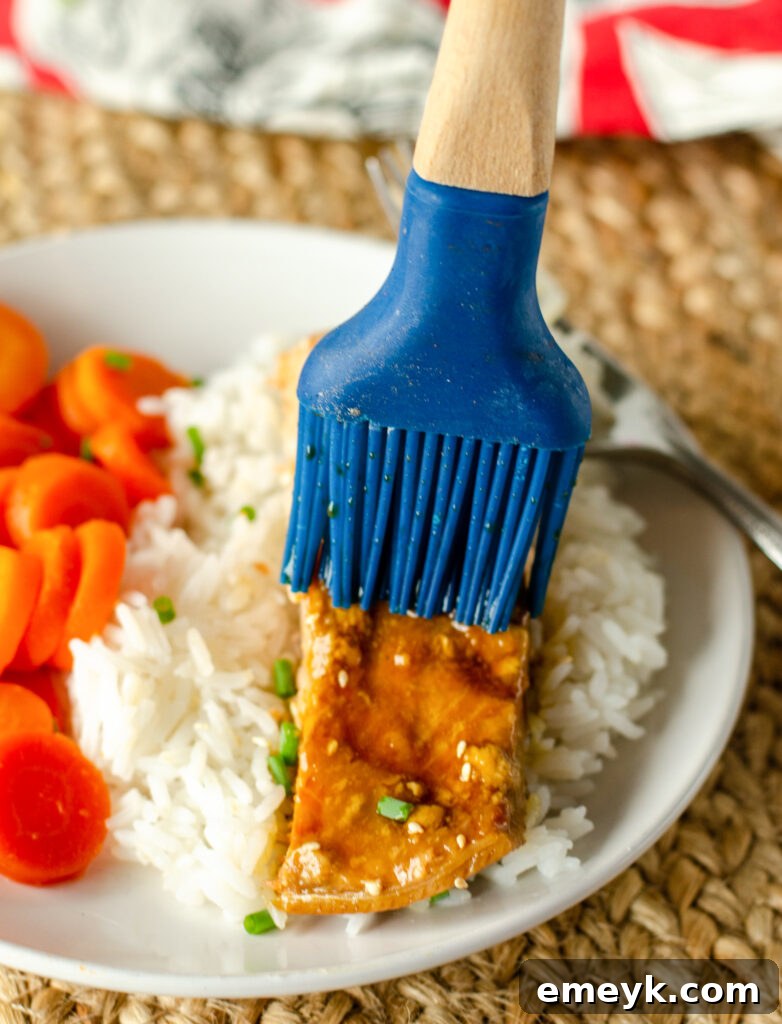
How to Bake Perfect Teriyaki Salmon in the Oven
Baking salmon in the oven is one of the easiest and most reliable methods for achieving tender, moist results with minimal effort. By wrapping the salmon in foil, you create a steaming environment that locks in moisture and infuses the fish with the incredible teriyaki flavor, ensuring a succulent outcome every time. Here’s what you’ll need to gather to get started:
- Baking Sheet or Sheet Pan: Essential for holding your foil packet securely and catching any potential drips, making cleanup a breeze.
- Foil: Aluminum foil is key for creating that steamy, flavor-sealing packet, which is the secret to perfectly moist baked salmon.
- Measuring Cups and Spoons: For accurate ingredient proportions in your homemade sauce, ensuring consistent flavor.
- Whisk or Fork for Mixing: To ensure your teriyaki sauce is smooth, well-combined, and entirely lump-free, creating a uniform glaze.
- Pastry Brush (Optional): While pouring the sauce is sufficient, a pastry brush can be useful if you prefer to apply an extra layer of glaze during or after cooking for a deeper shine and flavor.
Step 1: Master the Homemade Teriyaki Sauce
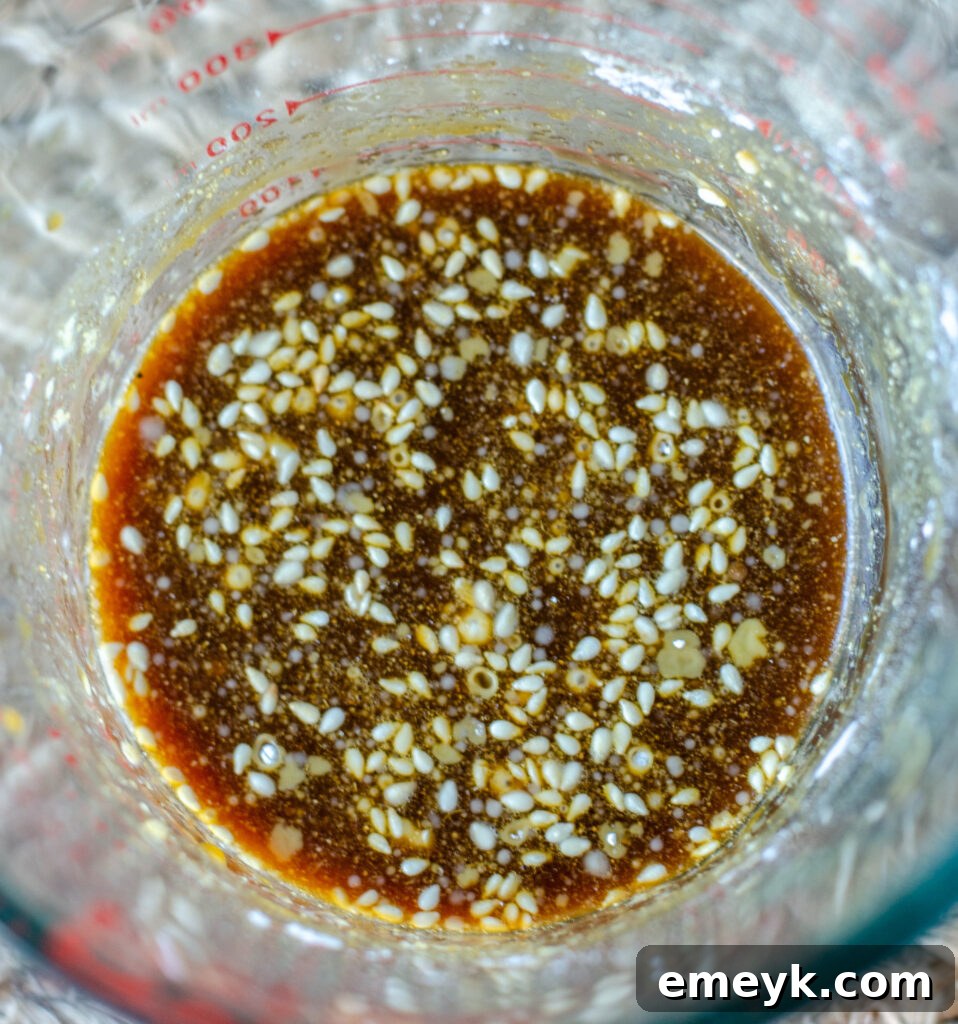
The sauce is the heart of this dish, and crafting it takes mere minutes. In a medium bowl, combine the soy sauce (or your chosen alternative like coconut aminos), brown sugar (or honey/maple syrup), vinegar, garlic powder (or minced fresh garlic), ginger (ground or fresh), 1 teaspoon of sesame seeds, and sesame oil. Whisk these ingredients together vigorously until well combined and the brown sugar has completely dissolved, ensuring all flavors meld beautifully. Finally, add the cornstarch and continue to whisk briskly until there are absolutely no clumps. If you find any stubborn lumps, use the back of your fork to press them against the side of the bowl, breaking them up. A smooth sauce ensures a beautiful, even glaze on your salmon.
Step 2: Prepare and Marinate the Salmon
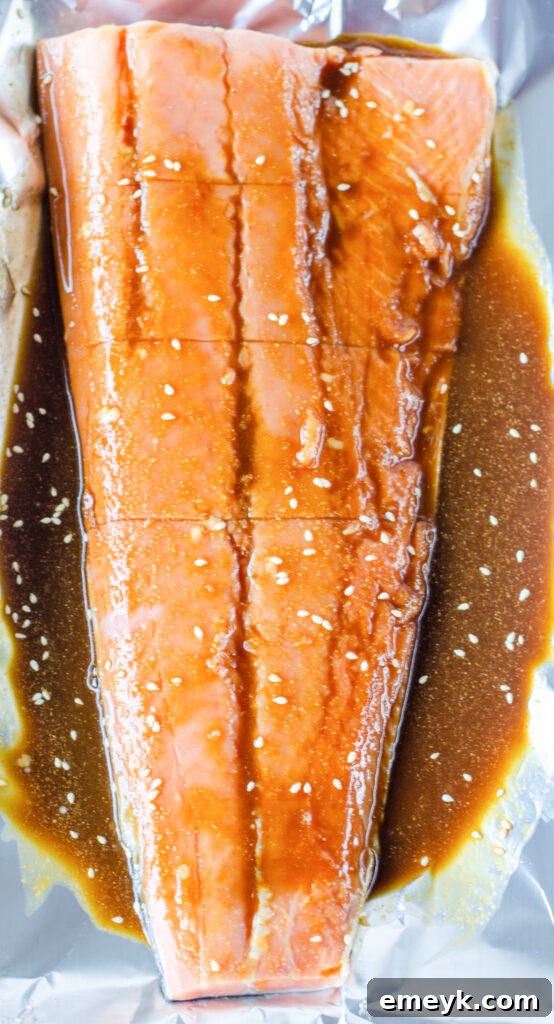
Preheat your oven to 400°F (200°C). This ensures the oven is at the correct temperature for even cooking and proper caramelization of the sauce. Place your salmon fillets on a sturdy, foil-lined baking sheet. The foil not only makes for incredibly easy cleanup but also creates the essential packet for baking. Pat the salmon dry with paper towels to help the sauce adhere better. Generously pour the luscious homemade teriyaki sauce over the top of each salmon fillet, making sure to coat all sides evenly. Don’t worry if the sauce pools around the fish; it will be sealed in the foil and bake right along with the salmon, infusing every fiber with flavor. Carefully wrap the foil around the salmon, creating a secure, tightly sealed packet. This is crucial for trapping the steam and ensuring moist, tender fish.
Step 3: Bake to Perfection
Transfer the foil-wrapped salmon packet to the preheated oven. Bake for approximately 20-25 minutes. The exact cooking time may vary slightly depending on the thickness of your salmon fillets and your oven’s calibration. To ensure doneness, the salmon should reach an internal temperature of 145°F (63°C) and flake easily with a fork. Once cooked, carefully remove the salmon from the oven and open the foil packet (be cautious of the hot steam escaping!). Spoon any extra sauce that has collected in the foil over the top of the fish for an extra burst of flavor and a beautiful, glistening glaze. You can also briefly broil for 1-2 minutes, if desired, to achieve a slightly crispier top.
Step 4: Garnish and Serve Warm
For a final touch of freshness, vibrant color, and enhanced presentation, top the cooked teriyaki salmon with a generous sprinkle of toasted sesame seeds and thinly sliced fresh chives or cilantro. The visual appeal is as important as the taste! Serve your succulent salmon immediately with your favorite accompaniments. This dish is truly best enjoyed fresh from the oven, when the flavors are at their peak and the salmon is perfectly tender.
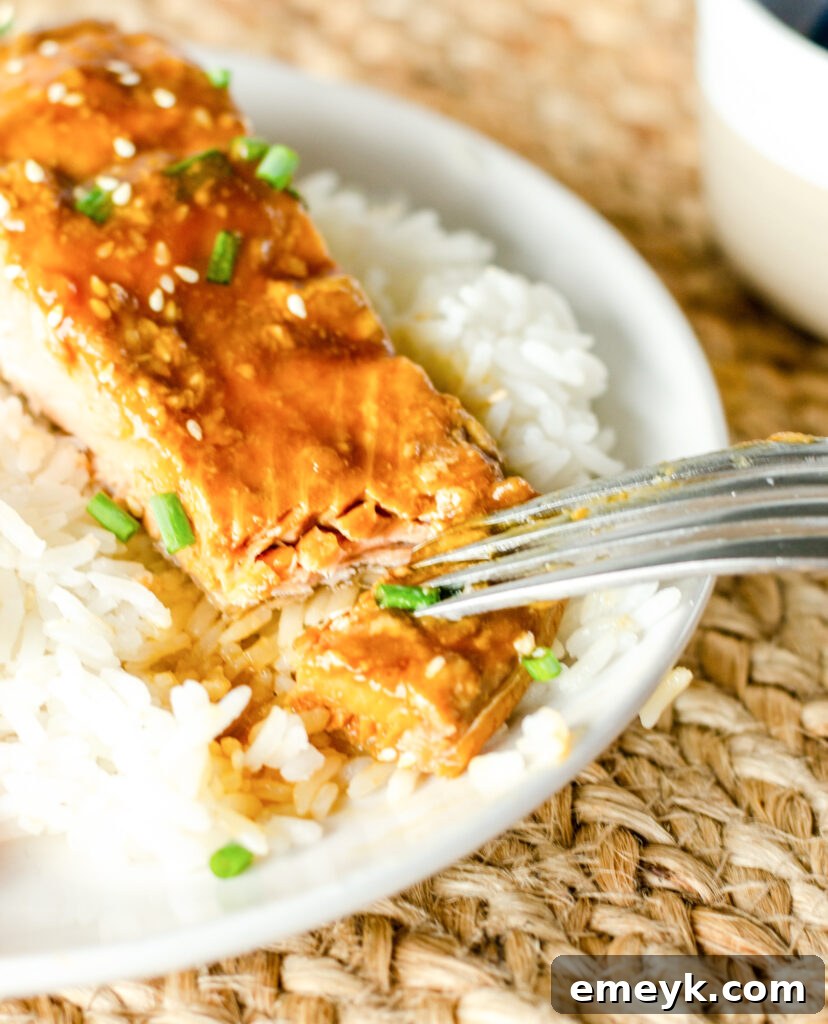
Serving Suggestions to Complete Your Meal
Teriyaki salmon is incredibly versatile and pairs well with a variety of side dishes, allowing you to create a complete, balanced, and satisfying meal. Here are some popular and delicious options to complement its sweet and savory flavors:
- Rice: Steamed white or brown rice is a classic and indispensable pairing, perfect for soaking up every precious drop of the delectable teriyaki sauce. For a healthier or low-carb alternative, try fluffy quinoa or flavorful cauliflower rice.
- Noodles: Transform your meal into a heartier experience with lo mein, ramen, or even simple udon noodles. Toss them lightly with a little extra teriyaki sauce, a dash of sesame oil, and perhaps some sautéed vegetables for a quick stir-fry.
- Roasted Vegetables: Broccoli, asparagus, green beans, or bell peppers roasted alongside the salmon are excellent choices. Their slight char and tender-crisp texture provide a wonderful contrast to the soft, flaky fish. Toss them with a little olive oil, salt, and pepper before roasting.
- Stir-Fried Vegetables: A quick stir-fry with your favorite crisp greens like bok choy, snap peas, carrots, or bell peppers adds freshness and crunch. A light sauce with a touch of ginger and garlic will tie it all together beautifully.
- Simple Salad: A light, refreshing green salad with a vibrant ginger-sesame vinaigrette can cut through the richness of the salmon beautifully, offering a palate-cleansing element.
- Sautéed Spinach or Kale: Wilted greens offer a quick, nutrient-dense, and earthy side that complements the flavors of the fish without being too heavy. A squeeze of lemon juice can brighten them up.
Tips for the Best Teriyaki Salmon Every Time
Achieving perfectly cooked teriyaki salmon is simple with a few key pointers:
- Don’t Overcook: Salmon cooks surprisingly quickly! Overcooked salmon can become dry and tough. Aim for an internal temperature of 145°F (63°C) for perfectly flaky and moist results. A meat thermometer is your best friend here.
- Quality Salmon: Start with fresh, high-quality salmon fillets. Wild-caught varieties often have a richer flavor and firmer texture, but sustainably farmed salmon is also an excellent choice. If using frozen, ensure it’s fully thawed in the refrigerator and patted thoroughly dry with paper towels before marinating and cooking.
- Pat Dry: Before applying the sauce, always pat the salmon fillets dry with paper towels. This crucial step helps the teriyaki sauce adhere better to the fish and prevents it from steaming too much, allowing for better flavor absorption and a nicer glaze.
- Marinate (Optional but Recommended): While this recipe is quick enough to cook immediately, allowing the salmon to sit in the homemade teriyaki sauce for 15-30 minutes in the refrigerator can infuse it with even deeper, more complex flavor. Don’t marinate for too long, as the acid in the sauce can start to “cook” the fish.
- Customize the Spice: If you enjoy a little heat, feel free to add a pinch of red pepper flakes or a dash of sriracha to your teriyaki sauce for an extra kick. Adjust to your personal preference.
- Fresh Garnishes: Don’t skip the fresh chives or cilantro and extra sesame seeds. They add a pop of vibrant color, a fresh aromatic element, and an extra layer of flavor and texture that truly elevates the finished dish.
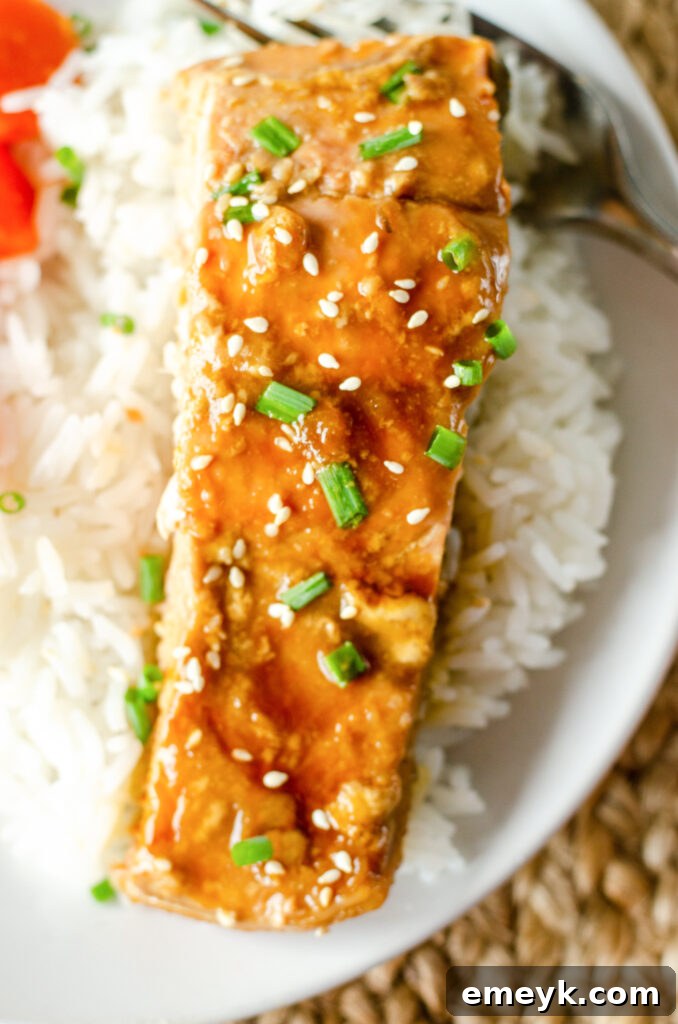
Storing, Reheating, and Freezing Leftover Salmon
Leftover teriyaki salmon is a real treat, making for excellent and convenient lunches the next day. Proper storage and reheating methods are key to maintaining its deliciousness and moist texture.
How to Store Leftover Salmon
Once your salmon has cooled completely to room temperature (this is important to prevent condensation), transfer any leftovers to an airtight container, such as a Tupperware or a glass container with a sealed lid. Store it promptly in the refrigerator for optimal freshness. When stored properly, leftover salmon will keep well for up to 2-3 days.
How to Reheat Salmon Without Drying It Out
Reheating salmon can be tricky, as it can easily dry out and become tough if done incorrectly. The best method to preserve its moist texture and delicate flavor is to reheat it “low and slow.” Place the fish on a rimmed baking sheet and warm it in a preheated 275°F (135°C) oven for about 10-15 minutes, or until it reaches an internal temperature of 125°F to 130°F (52°C-54°C). This gentle heating prevents the protein from seizing up and helps keep the salmon succulent. You can also reheat gently in the microwave for shorter periods (30-60 seconds at a time), checking frequently, but the oven method is generally preferred for maintaining quality.
Can I Freeze Teriyaki Salmon?
Yes, cooked teriyaki salmon freezes beautifully, making it an excellent option for meal prep! Once cooked, allow the salmon to cool completely to room temperature. Wrap individual portions tightly in parchment paper or wax paper, then place them in a freezer-safe ziplock bag, squeezing out as much air as possible, or an airtight freezer container. This double-layer protection helps prevent freezer burn and preserves flavor. Store in the freezer for up to 3 months. When you’re ready to enjoy it again, simply transfer the frozen salmon to the refrigerator to thaw overnight. Once thawed, reheat using the “low and slow” oven method mentioned above, or in a microwave until warmed through. Freezing makes this quick meal even more convenient for future busy days!
Teriyaki Salmon Recipe
By Julia Jolliff
Teriyaki Salmon is the easy weeknight dinner that you have been looking for. It’s full of flavor, made with only 7 ingredients and is ready in under 30 minutes. This dish promises tender salmon covered in a homemade teriyaki sauce and baked to perfection. Enjoy this sweet and tangy dinner anytime!
Prep Time: 15 mins
Cook Time: 25 mins
Total Time: 40 mins
Servings: 4 servings
Ingredients
- ¼ cup soy sauce (low-sodium, Tamari, or coconut aminos for gluten-free)
- ¼ cup brown sugar (light or dark, or substitute with honey/maple syrup)
- 1 Tablespoon rice vinegar (or white vinegar, apple cider vinegar)
- 3 cloves garlic, minced (approximately 1 teaspoon garlic powder)
- 1 teaspoon ginger, ground (or 1 Tablespoon freshly grated ginger)
- 1 teaspoon sesame seeds, plus extra for topping
- ½ teaspoon sesame oil (use regular for baking; a drizzle of toasted sesame oil can be added after cooking)
- 1 Tablespoon olive oil
- 2 teaspoons cornstarch
- 1 to 2 pounds salmon fillets (individual portions or a large piece)
- Chives or cilantro, fresh and chopped, for topping
Instructions
- Preheat your oven to 400°F (200°C).
- In a small bowl, whisk together the soy sauce, brown sugar, vinegar, minced garlic, ground ginger, 1 teaspoon sesame seeds, and sesame oil until well combined and the sugar is dissolved. Add the olive oil and mix well. Finally, stir in the cornstarch, ensuring there are no lumps for a smooth, thick sauce.
- Place the salmon fillets on a sturdy, foil-lined baking sheet. Gently pat the salmon dry with paper towels.
- Generously pour the homemade teriyaki sauce over the salmon, ensuring each fillet is well coated.
- Wrap the foil securely around the salmon to form a sealed packet, trapping in all the delicious flavors and moisture.
- Bake in the preheated oven for 20-25 minutes, or until the salmon is cooked through and flakes easily with a fork (the internal temperature should reach 145°F / 63°C).
- Carefully remove the salmon from the oven and open the foil packet (be mindful of the hot steam). Spoon any accumulated sauce over the fish.
- Garnish with additional sesame seeds and freshly chopped chives or cilantro.
- Serve warm and enjoy your delightful homemade Teriyaki Salmon!
Notes
- For storing leftovers, place cooled salmon in an airtight container and refrigerate for 2-3 days.
- To reheat, warm gently in a 275°F (135°C) oven for about 10-15 minutes to prevent drying out.
- Cooked teriyaki salmon can be frozen for up to 3 months. Wrap well and thaw in the refrigerator before reheating.
Nutrition
(Approximate values per serving, based on 4 servings)
- Calories: 268 kcal
- Carbohydrates: 16g
- Protein: 24g
- Fat: 11g
- Saturated Fat: 2g
- Polyunsaturated Fat: 4g
- Monounsaturated Fat: 5g
- Cholesterol: 62mg
- Sodium: 864mg
- Potassium: 618mg
- Fiber: 0.2g
- Sugar: 14g
- Vitamin A: 46 IU
- Vitamin C: 1mg
- Calcium: 37mg
- Iron: 1mg
Nutrition information is automatically calculated and should be used as an approximation. Actual values may vary based on specific ingredients and preparation methods.
We hope you love this easy and flavorful Teriyaki Salmon recipe as much as we do! It’s a fantastic way to enjoy a healthy, gourmet-tasting meal without sacrificing taste or spending hours in the kitchen. Don’t forget to explore our other seafood recipes for more inspiration and to keep your healthy eating journey exciting and delicious.