
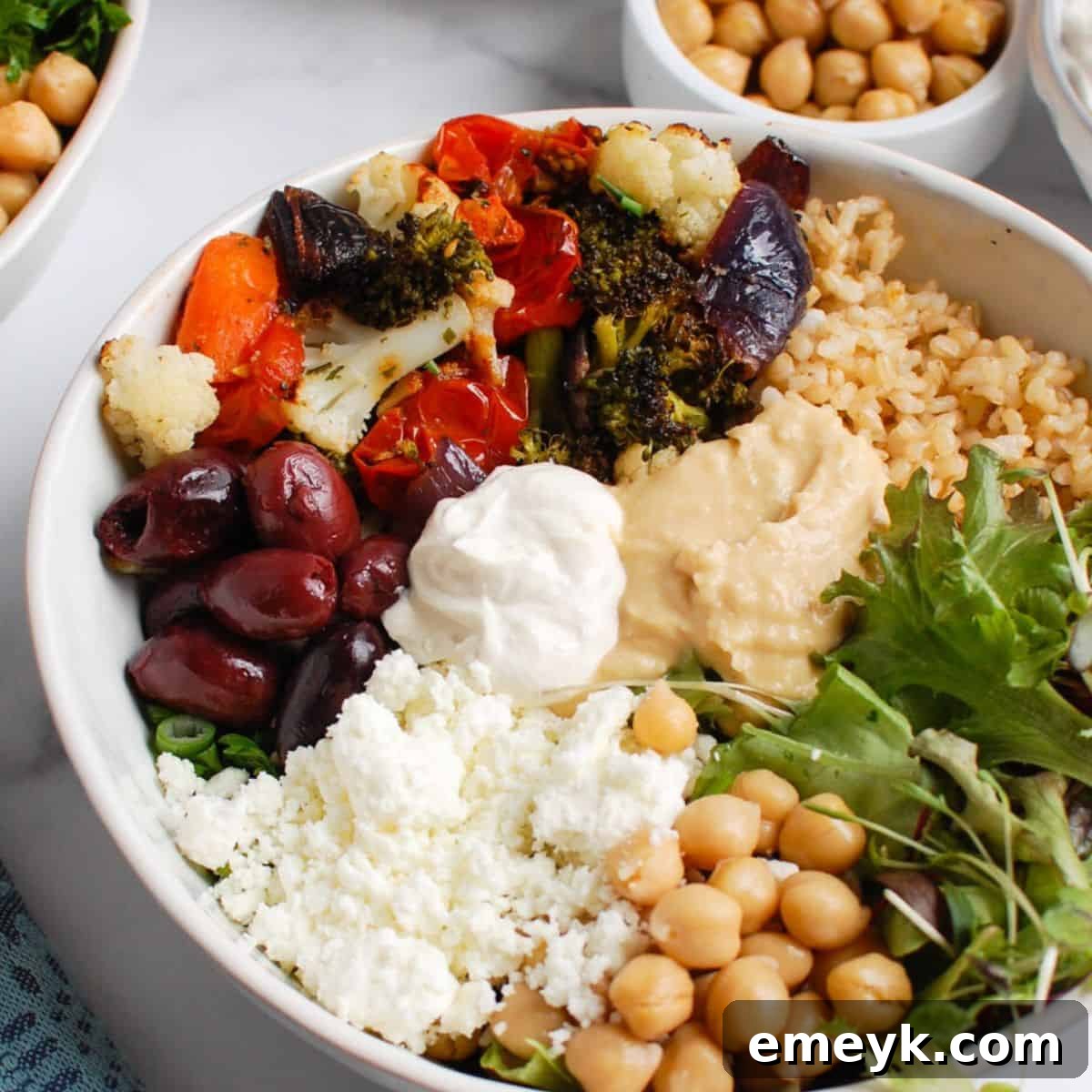
Welcome to the ultimate guide for creating a vibrant and nutritious Mediterranean Buddha Bowl! This incredibly satisfying dish combines wholesome ingredients like fluffy brown rice, creamy hummus, tangy Greek yogurt, savory feta cheese, protein-rich chickpeas, tender roasted vegetables, and crisp greens. More than just a meal, it’s an experience – customizable, bursting with flavor, and perfect for quick lunches or wholesome family dinners. Get ready to transform your eating habits with this healthy and delicious recipe!
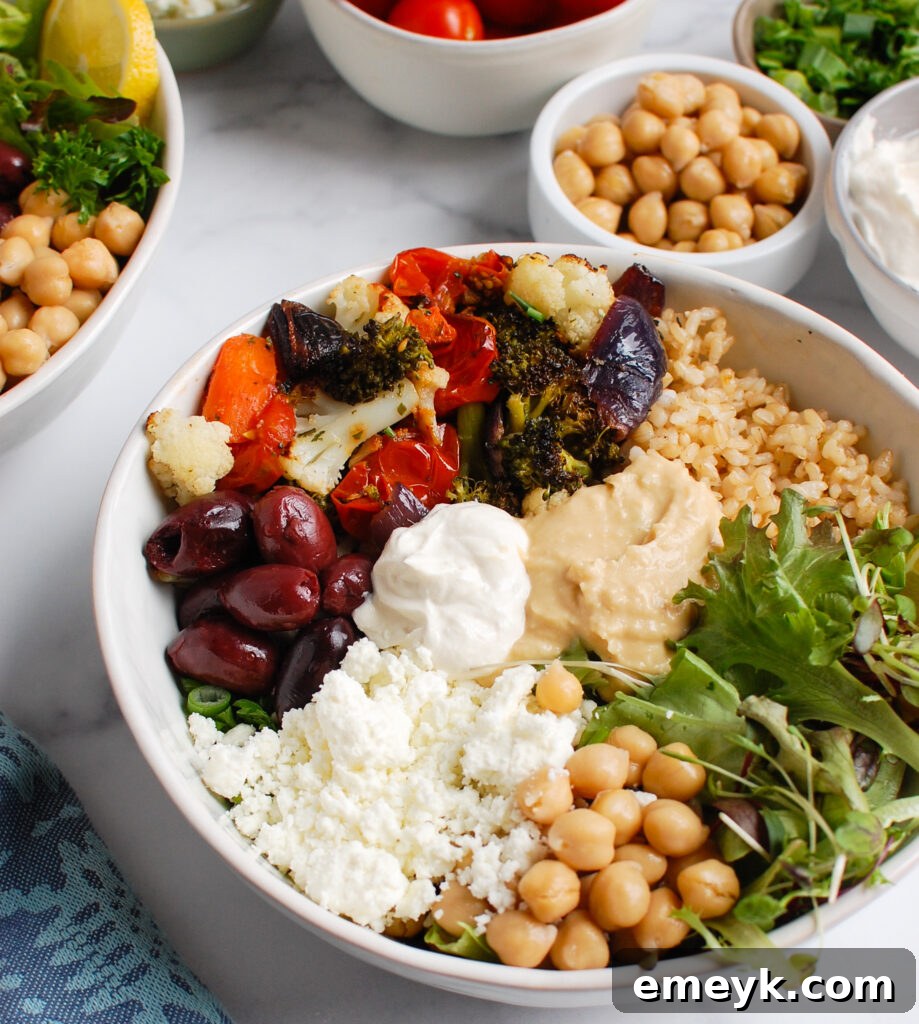
In my kitchen, Buddha bowls and grain bowls, whether with rice or quinoa, are a constant fixture. You might be wondering, what exactly defines a Buddha Bowl? It’s more than just a salad; it’s a philosophy of balanced eating, artfully arranged in a single bowl.
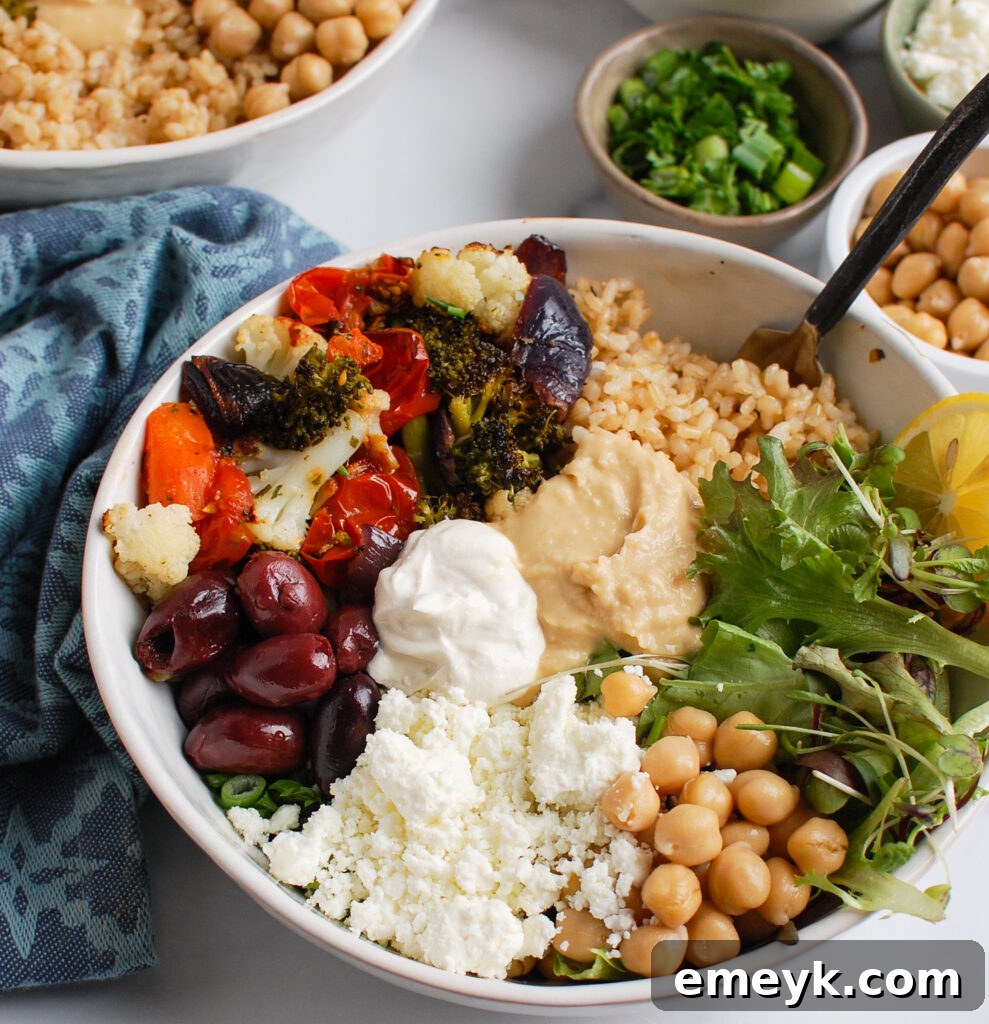
This Mediterranean Buddha Bowl recipe will guide you through its core components, how to assemble your own, and clever ways to incorporate ingredients already in your pantry. This particular version is a personal favorite, masterfully blending the rich flavors of homemade hummus, creamy Greek yogurt, satisfying chickpeas, aromatic Mediterranean roasted vegetables, earthy brown rice, briny olives, crumbled feta, and fresh, leafy greens.
I find myself crafting bowls like this repeatedly, drawn to their versatility and health benefits. Some of my other go-to recipes include the hearty Mediterranean Salmon Bowl, the delightfully simple Easy Mediterranean Hummus Bowl, the comforting Slow Cooker Shredded Beef Hummus Bowls, and the intensely flavorful Chicken Shawarma Bowl. As we increasingly embrace plant-based meals, Buddha bowls stand out as a perfect solution for delicious and wholesome eating.
What is a Buddha Bowl and Why Mediterranean?
A Buddha bowl is essentially a generously portioned bowl packed with a variety of healthy, whole foods, typically arranged beautifully to showcase all its components. It usually includes a grain base, a protein source, a mix of cooked and raw vegetables, a healthy fat, and a flavorful dressing. The term “Buddha” is often attributed to the overflowing, rounded appearance of the bowl, resembling Buddha’s belly, implying abundance and satisfaction.
Embracing the Mediterranean diet means focusing on fresh, seasonal produce, whole grains, lean proteins, and healthy fats like olive oil. This eating style is celebrated globally for its incredible health benefits, including heart health, longevity, and disease prevention. By combining the Buddha bowl concept with Mediterranean ingredients, we create a meal that is not only visually appealing and deeply satisfying but also inherently good for you. It’s an easy way to enjoy a balanced, nutrient-dense diet without compromising on taste or variety.
Essential Ingredients for Your Mediterranean Buddha Bowl
Crafting a delicious Mediterranean Buddha Bowl starts with selecting high-quality, flavorful ingredients. Here’s a detailed look at the simple yet versatile components we’ll be using, along with ideas for substitution and customization. For precise measurements and step-by-step instructions, please refer to the comprehensive recipe card below.
- Grains (The Foundation): I’ve opted for nutrient-dense brown rice, known for its fiber content and nutty flavor. However, the beauty of a Buddha bowl lies in its flexibility. Feel free to use any whole grain you have on hand, such as hearty farro, quick-cooking bulgur, chewy barley, or protein-packed quinoa. These provide complex carbohydrates for sustained energy and a satisfying texture.
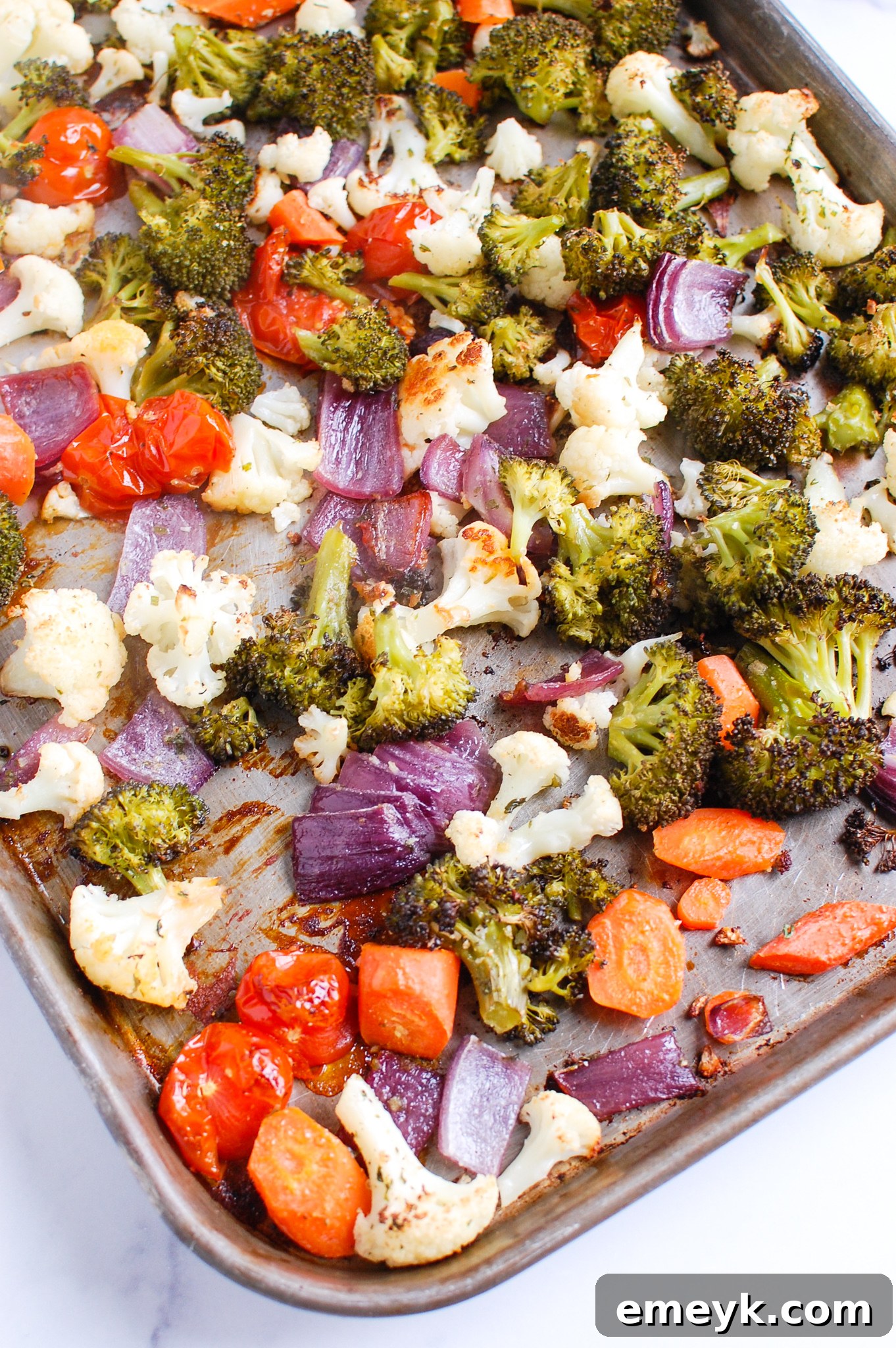
- Vegetables (The Colorful Core): Load up your bowl with an abundance of fresh vegetables! Use whatever is seasonal and appealing from your fridge. For raw, crunchy options, consider thinly sliced carrots, crisp cucumbers, juicy cherry tomatoes, and vibrant bell peppers. Don’t underestimate the power of roasted vegetables – they add incredible depth of flavor and a comforting texture. Think zucchini, eggplant, bell peppers, onions, or even sweet potatoes, all tossed with olive oil and Mediterranean spices.
- Protein (The Sustaining Element): A good protein source is crucial for making your Buddha bowl a complete and satisfying meal, providing lasting energy. You can choose a lean animal protein like succulent Mediterranean Salmon, flavorful Tandoori Grilled Chicken, or a savory Easy Grilled Flank Steak with Chimichurri Sauce. For a fantastic vegetarian or vegan option, firm tofu, tempeh, lentils, white beans, or especially chickpeas, are excellent choices, offering a robust texture and nutritional boost.
- Cheese (The Flavor Enhancer): A sprinkle of cheese can elevate the flavor profile of your Buddha bowl significantly. Crumbled feta, with its salty tang, is a classic Mediterranean choice that pairs perfectly with the other ingredients. Other great options include creamy goat cheese, mild Gouda, or even a dusting of Parmesan for an umami kick.
- Dressings & Sauces (The Unifying Element): The right dressing ties all the wonderful flavors and textures together. I love creating simple, homemade dressings using pantry staples. A 4-Ingredient Creamy Dill Salad Dressing or a rich Tahini Yogurt Dressing made with Greek yogurt can add a delightful creaminess. Sometimes, a simple dollop of plain Greek yogurt is all you need for a refreshing finish. A drizzle of extra virgin olive oil and a squeeze of fresh lemon juice also work wonders.
- Healthy Fats (Essential Goodness): Beyond the dressing, incorporating additional healthy fats adds richness and helps with nutrient absorption. Sliced avocado, a handful of nuts (like almonds or walnuts), various seeds (such as pumpkin or sunflower), or extra olives are fantastic additions. These fats contribute to satiety and provide essential fatty acids.
- Fresh Herbs & Garnishes (The Finishing Touch): Don’t forget the power of fresh herbs! Chopped parsley, mint, or dill can brighten your bowl with their aromatic freshness. A final squeeze of lemon juice or a sprinkle of za’atar can provide that extra burst of Mediterranean flavor.
How to Assemble Your Perfect Mediterranean Buddha Bowl
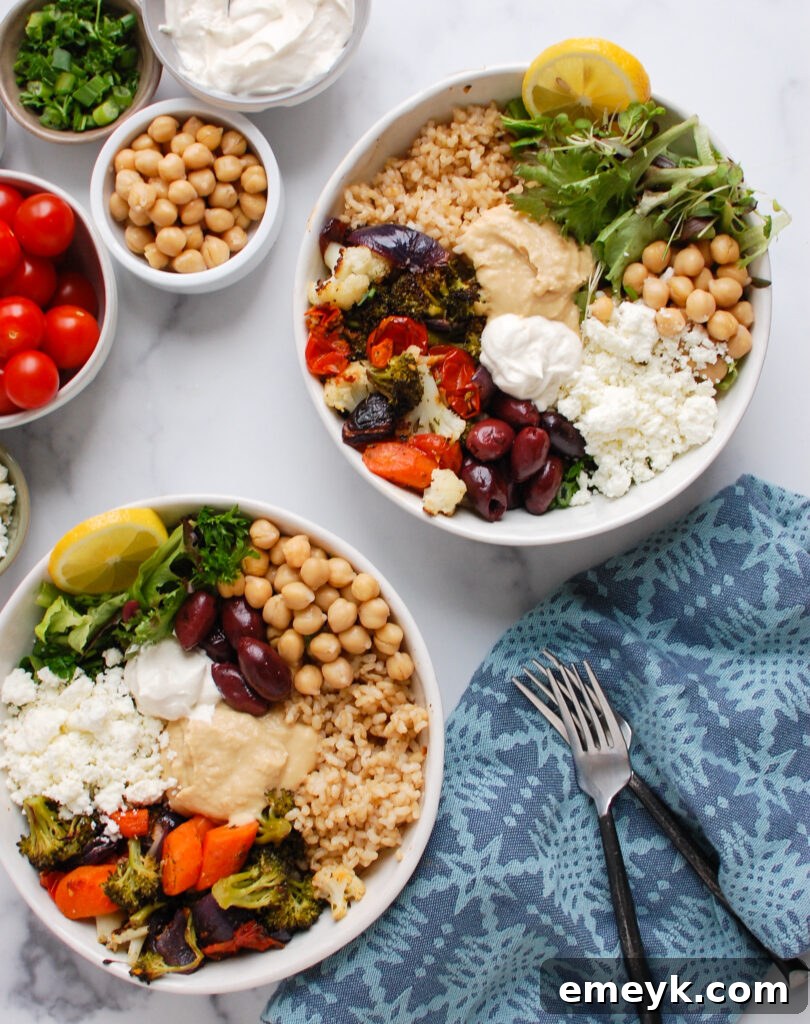
Building a Buddha bowl is an art, but it’s a simple one! The goal is to create a visually appealing and balanced meal by layering different components. Follow these easy steps to construct your own delicious Mediterranean Buddha Bowl:
- Step 1: Choose Your Base. Begin by laying a foundation in your bowl. This can be a hearty whole grain like brown rice, quinoa, farro, bulgur, or barley. For a lighter, low-carb option, use a bed of fresh greens such as mixed greens, crisp spinach, peppery arugula, or robust kale. A combination of both also works wonderfully.
- Step 2: Add Your Protein. Next, incorporate your chosen protein source. This could be plant-based staples like chickpeas, lentils, tofu, or tempeh, or animal proteins such as succulent Greek grilled chicken, flaky baked salmon, flavorful Greek shrimp skewers, or seasoned beef. Place it artfully alongside your base.
- Step 3: Load Up on Veggies. This is where your bowl truly comes alive with color and nutrients. Add a generous assortment of vegetables. You can use raw, crunchy options, vibrant pickled vegetables for a tangy kick, or tender roasted, grilled, or steamed veggies. Aim for a variety of colors and textures for maximum appeal and nutrition.
- Step 4: Incorporate Healthy Fats. Distribute healthy fat sources throughout your bowl. Slices of creamy avocado, a handful of briny olives, a generous dollop of hummus, a drizzle of tahini, or a sprinkle of nuts and seeds will add richness, flavor, and crucial nutrients, helping you feel fuller for longer.
- Step 5: Finish with a Flavorful Dressing or Sauce. The dressing is the unifying element that brings all the components together. Drizzle your bowl generously with a delicious topping like a rich Tahini Sauce, a bright lemon vinaigrette, a creamy Tahini yogurt-based sauce, or a refreshing Creamy Dill Sauce. Alternatively, a simple drizzle of high-quality olive oil and a splash of vinegar can be equally satisfying.
Once assembled, admire your creation! The beauty of the Buddha bowl is its flexibility and the opportunity to nourish your body with wholesome, delicious food.
Meal-Prep Tips for Effortless Healthy Eating
Mediterranean Buddha Bowls are a dream come true for meal prepping. Spending a little time on the weekend can set you up for healthy, delicious meals all week long. Here’s how to make meal prep a breeze:
- Cook Grains in Advance: Prepare a large batch of your chosen grain (brown rice, quinoa, etc.) at the beginning of the week. Once cooked and cooled, store it in an airtight container in the refrigerator for up to 4-5 days.
- Roast Vegetables Ahead: Chop and roast a variety of vegetables in one go. They can be stored in the fridge and added to your bowls as needed. This saves significant cooking time during busy weekdays.
- Prep Proteins: If you’re using cooked protein like grilled chicken, baked salmon, or even batch-cooked chickpeas, prepare it ahead of time. Store cooked proteins separately to maintain freshness and texture.
- Wash and Chop Raw Veggies/Greens: Wash and chop your raw vegetables (cucumbers, tomatoes, bell peppers) and fresh greens. Store them in containers with a paper towel to absorb excess moisture, keeping them crisp.
- Prepare Dressings: Mix your favorite Buddha bowl dressings and store them in a mason jar in the refrigerator. This way, they are ready to drizzle over your bowl right before serving, preventing sogginess.
- Individual Portioning: For ultimate convenience, portion out your base, protein, and vegetables into individual meal prep containers. Add delicate items like avocado or dressing just before eating. This makes grabbing a healthy lunch or dinner incredibly easy.
With a little planning, you can enjoy a fresh, wholesome Mediterranean Buddha Bowl any day of the week with minimal effort!
Frequently Asked Questions About Mediterranean Buddha Bowls
Q: Can I make this Buddha bowl vegan?
A: Absolutely! The base recipe is already very plant-forward. Simply ensure your hummus and Greek yogurt are plant-based (there are fantastic vegan Greek yogurt alternatives available), and omit feta cheese. Focus on plant-based proteins like chickpeas, lentils, tofu, or tempeh, and you’ll have a delicious vegan Buddha bowl.
Q: How long do Mediterranean Buddha Bowls last in the fridge?
A: When components are stored separately, cooked grains and proteins can last 4-5 days, and roasted vegetables 3-4 days. Raw chopped vegetables and greens are best consumed within 2-3 days for optimal freshness. Dressings can typically last up to a week. For assembled bowls, it’s best to eat them within 1-2 days to prevent greens from wilting and other ingredients from becoming soggy.
Q: What are some other healthy fats I can add?
A: Besides avocado and olives, consider adding a sprinkle of sesame seeds, flax seeds, or chia seeds for extra fiber and omega-3s. A few chopped walnuts or almonds can also add a delightful crunch and healthy fats.
Q: Can I use different types of greens?
A: Yes! Feel free to experiment with any greens you prefer. Romaine lettuce adds a crisp crunch, while power greens like spinach and kale offer more robust nutrients. Even finely shredded cabbage can be a great base for added texture.
Q: Are Buddha bowls good for weight loss?
A: Yes, Buddha bowls can be excellent for weight loss or management due to their focus on whole, unprocessed ingredients. They are typically high in fiber from grains and vegetables, and protein from legumes or lean meats, which helps promote satiety and prevent overeating. By controlling portion sizes and choosing lean proteins and healthy fats, you can easily tailor them to your dietary goals.
More Mediterranean-Inspired Recipes You’ll Love
Mediterranean
Mediterranean Flatbread
Vegetarian
Mediterranean Hummus Toast with Za’atar
Mediterranean
Mediterranean Quinoa Salad
Mediterranean
Mediterranean Naan Bread Pizza
Mediterranean Buddha Bowl
You will adore making this Mediterranean Buddha Bowl, featuring healthy ingredients like brown rice, hummus, Greek yogurt, feta cheese, chickpeas, roasted vegetables, and fresh greens. These Buddha bowls are wonderfully customizable and make for perfect, nourishing lunches or dinners for your family!
Liked this recipe? Pin it for later or print it for your cookbook!
Pin Recipe
Print Recipe
Ingredients
- 1 – 15 ounce can of chickpeas, drained and rinsed
- 1 1/4 cup brown rice, rinsed and cooked according to package directions
- 2 cups hummus
- 2 cups of feta cheese, crumbled
- 1 cup of Kalamata olives, pitted
- 3 cups of greens of your choice (try arugula, spinach, romaine, or Swiss chard)
- 2 cups of Greek Yogurt
- Vegetables of your choice or try these Mediterranean Roasted Vegetables
- 1 lemon, cut into chunks for garnish and squeezing
- 1/2 cup fresh parsley, chopped
- For Roasted Vegetables (Optional, if not using pre-made):
- 2 tbsp olive oil
- 2 cloves garlic, minced
- 1 tsp dried thyme
- 1 tsp dried oregano
- 1/2 tsp za’atar or sumac
- Salt and black pepper to taste
Instructions
- If you are making roasted vegetables: Preheat your oven to 425 degrees F (220 degrees C).
- Cut all your chosen vegetables into roughly similar-sized pieces for even roasting and place them in a large mixing bowl.
- In a small mixing bowl or mason jar, whisk together the olive oil, minced garlic, dried thyme, oregano, za’atar or sumac, lemon juice, salt, and pepper. Pour this mixture over the vegetables and toss to ensure they are evenly coated.
- Spread the seasoned vegetables out in a single, even layer on a baking sheet. Avoid overcrowding; you may need to use two baking sheets to ensure proper roasting and caramelization.
- Roast the vegetables for approximately 30 to 35 minutes, or until they are tender and show slight charring on the edges. Remember to stir the vegetables halfway through the roasting time (around the 15-minute mark) for even cooking.
- While vegetables are roasting (or if using pre-cooked), bring a large pot of water (about 4 quarts) to a boil. Once boiling, add the rinsed brown rice and cook for 25 minutes or according to the package instructions until tender. Drain any excess water.
- When all components are ready, begin to assemble your Buddha bowls. Divide the cooked brown rice (or other grain/base) equally among four serving bowls.
- Next, artfully arrange each of the remaining ingredients – chickpeas, roasted vegetables, hummus, feta cheese, Kalamata olives, and fresh greens – into sections within each bowl. I prefer to add the hummus and Greek yogurt last, often placing a generous dollop in the center or on the side.
- Garnish each bowl with fresh chopped parsley and a lemon wedge for a final burst of freshness and flavor. Serve immediately and enjoy!
Notes
- The beauty of a Buddha bowl is its customizability! Feel free to use more or less of any ingredient based on your personal preference. Don’t hesitate to substitute ingredients with whatever fresh produce or pantry staples you have on hand.
- For a quicker meal, use store-bought pre-chopped vegetables or pre-cooked grains.
Nutrition
Serving: 4g,
Calories: 755kcal,
Carbohydrates: 76g,
Protein: 37g,
Fat: 35g,
Saturated Fat: 13g,
Polyunsaturated Fat: 6g,
Monounsaturated Fat: 13g,
Trans Fat: 0.01g,
Cholesterol: 72mg,
Sodium: 1909mg,
Potassium: 866mg,
Fiber: 13g,
Sugar: 5g,
Vitamin A: 3240IU,
Vitamin C: 31mg,
Calcium: 608mg,
Iron: 6mg
Nutrition information is automatically calculated and should only be used as an approximation.
Tried this recipe? We’d love to hear from you! Leave a star rating and a comment below, or share your creations on social media. Mention @acedarspoon or tag #acedarspoon! You can also subscribe to our newsletter for more delicious recipes every week.
Today’s post is sponsored by the American Dairy Association Mideast. All opinions are 100% my own.