Delicious Mediterranean recipes, especially those rooted in Lebanese traditions, are celebrated globally for their vibrant flavors, rich textures, and incredible health benefits. These treasured recipes are not only simple to prepare but also contribute to a wonderfully balanced and utterly delicious diet.
A Culinary Journey: Embracing Lebanese Flavors and Family Heritage
There’s an undeniable joy in connecting with one’s heritage through the universal language of food. Recently, my birthday brought a wave of warmth, baby kisses, delightful gifts – including some fantastic kitchenware and exciting plans for an upcoming trip to Europe – and even the rare sight of a double rainbow, marking a truly lucky day. Among these wonderful surprises, a particular gift from my Aunt and Uncle stood out: a bag brimming with essential ingredients for Lebanese cooking. Inside, I found creamy tahini, wholesome bulgur, unique kishk, and other aromatic treasures. This thoughtful present felt like a fresh impetus, reaffirming the very reason I embarked on this blogging adventure with “A Cedar Spoon” – to meticulously learn and share the cherished family recipes my Mom and Grandma have perfected over countless years.
The name “A Cedar Spoon” itself is deeply personal, inspired by the majestic Cedars of Lebanon – a breathtaking symbol of resilience and natural beauty that I profoundly hope to visit one day. My dream of a culinary pilgrimage to Lebanon was recently ignited by an exhilarating prospect: an all-expenses-paid 8-night food trek through Lebanon! The thought of immersing myself in its vibrant culinary scene, exploring bustling markets, savoring authentic street food, and learning traditional techniques directly from local chefs is an absolute dream. Naturally, I eagerly entered the giveaway – after all, a girl can certainly dream, especially when those dreams involve exploring the very heart of such a rich and ancient food culture!
While I continue to dream of my own Lebanese adventure, my sister was fortunate enough to experience it firsthand. During her studies abroad in Egypt, she made a memorable trip to see the iconic Cedars of Lebanon, describing their grandeur and beauty with awe – a sentiment I wholeheartedly share, having gazed at her stunning photographs. Beyond the sights, she consistently raved about the food, declaring it “beyond amazing” and “plain delicious!” Her vivid descriptions of fresh, flavorful dishes have only amplified my longing to walk those storied streets, inhale the fragrant spices, and taste the authentic flavors that truly define Lebanese cuisine. Her glowing accounts serve as a constant reminder of the culinary wonders that await.
The Enduring Allure of Mediterranean and Lebanese Cuisine
The culinary landscape of the Mediterranean, particularly the rich and ancient traditions of Lebanon, offers a symphony of flavors that are not only incredibly delicious but also remarkably healthful. This region’s diet is globally celebrated for its emphasis on fresh, whole ingredients, making it a cornerstone of a balanced and nourishing lifestyle. At the heart of Lebanese cooking lies a deep commitment to seasonal produce, lean proteins, and an abundance of aromatic spices and herbs.
Why Lebanese Food is a Celebration of Health and Flavor:
- Heart-Healthy Foundations: Extra virgin olive oil is a ubiquitous staple, used generously for its monounsaturated fats, which are renowned for promoting cardiovascular health. This, coupled with a high intake of fresh vegetables, fiber-rich legumes, and wholesome whole grains, ensures that these recipes are designed to deeply nourish the body and sustain well-being.
- Vibrant Produce at Its Best: Expect to discover dishes bursting with the vivid colors and refreshing tastes of sun-ripened tomatoes, crisp cucumbers, leafy greens, sweet bell peppers, and an array of fresh, fragrant herbs like parsley and mint. These ingredients are not just flavorful; they provide essential vitamins, minerals, and potent antioxidants, contributing to overall vitality.
- Balanced Protein Sources: While various meats are enjoyed, they are often consumed in moderation or thoughtfully complemented by robust plant-based proteins such as chickpeas and lentils. These ingredients offer sustainable energy and prolonged satiety, ensuring meals are both satisfying and wholesome. Dairy products like yogurt and cheeses, such as the distinctive Halloumi, also contribute valuable protein.
- Aromatic Spice Palette: The pantry of a Lebanese cook is a treasure chest of exotic spices and blends. Essential spices like za’atar, sumac, cumin, coriander, and allspice are meticulously blended and used to infuse dishes with their distinctive, warm, and inviting aromas. These spices transform simple, fresh ingredients into extraordinary culinary experiences, each bite telling a story of tradition.
- Simply Sophisticated Preparations: Despite their often profound and complex flavor profiles, many Mediterranean and Lebanese recipes are surprisingly straightforward to prepare. They prioritize fresh, high-quality ingredients and time-honored cooking techniques over complicated processes, making them wonderfully accessible for home cooks of all skill levels, from beginners to seasoned chefs.
Embracing these culinary traditions extends beyond merely eating well; it is about celebrating a rich culture where food is inextricably linked to family gatherings, warm hospitality, and pure joy. It’s an invitation to slow down, savor each flavorful bite, and share unforgettable experiences with loved ones around the table.
Essential Lebanese Ingredients: The Building Blocks of Flavor
My recent birthday gift, a wonderful bag filled with Lebanese cooking essentials, truly underscored the fundamental importance of a few key ingredients that form the backbone of this vibrant cuisine. Developing an understanding of these staples is the crucial first step toward unlocking the authentic, rich flavors of Lebanon within your own kitchen. These ingredients are more than just components; they are the heart and soul of traditional Lebanese dishes.
- Tahini: This incredibly creamy paste, made from finely ground sesame seeds, is an indispensable element in Lebanese cooking. It takes center stage in iconic dips like hummus and baba ghanoush, where it contributes a distinctive, rich, and nutty depth. Beyond dips, tahini is also skillfully incorporated into salad dressings, savory sauces, and even some traditional desserts, adding a unique earthy complexity that defines the cuisine.
- Bulgur: A wonderfully versatile whole grain, bulgur is essentially cracked wheat that comes in various grinds (fine, medium, coarse). It is a primary ingredient in classic Lebanese dishes such as tabbouleh and kibbeh. Bulgur is prized for its quick-cooking nature and offers a delightful chewiness along with a nutty flavor, making it an excellent source of dietary fiber and essential nutrients.
- Kishk: While perhaps less commonly known to those outside the region, kishk is a historically significant ingredient in Lebanese cuisine. It is a distinctive fermented mixture of bulgur and yogurt, possessing a unique sour and savory flavor profile. Often used to thicken and flavor hearty soups, comforting stews, and traditional porridges, kishk introduces a tangy note that is characteristic of authentic Lebanese peasant cuisine.
- Extra Virgin Olive Oil: As previously highlighted, olive oil is not merely a cooking fat in Mediterranean cuisine; it is a fundamental flavor enhancer. It is generously drizzled over fresh salads, skillfully used for sautéing vegetables, and serves as a key component in vibrant marinades and creamy dips, contributing significantly to both the exquisite taste and the inherent health benefits of the dishes.
- Legumes (Chickpeas & Lentils): These plant-based powerhouses are absolutely central to the Lebanese diet and are celebrated for their nutritional value. Chickpeas are famously transformed into the beloved hummus and crispy falafel, while various types of lentils form the hearty basis of warming soups and refreshing salads, providing essential protein and an abundance of dietary fiber.
- Fresh Herbs: In Lebanese cooking, fresh herbs such as parsley, mint, and cilantro are never just simple garnishes; they are integral and indispensable flavor components. Used in generous quantities, these vibrant herbs brighten salads, enhance dips, and uplift main courses, imparting a fresh, aromatic lift that permeates every single dish and awakens the palate.
With these foundational ingredients stocked in your pantry, you are perfectly equipped to embark on a delightful and authentic exploration of Lebanese culinary traditions, bringing the true essence of the Mediterranean to your kitchen.
20 Delicious Mediterranean & Lebanese-Inspired Recipes to Try Today
Inspired by the rich tapestry of my family’s heritage and the captivating allure of Lebanon’s culinary wonders, I’ve meticulously curated a list of 20 mouth-watering Mediterranean and Lebanese-inspired recipes. Some of these are beloved classics that have graced our family table for generations, while others are exciting new discoveries I am eager to master and share. I sincerely hope you’ll discover new favorites among them and be inspired to bring these incredible, authentic tastes into your own home, enriching your culinary repertoire!
-
Roasted Chickpeas: Taste for Adventure
Crispy, savory, and wonderfully addictive, roasted chickpeas are a perfect healthy snack or a delightful crunchy topping for salads and soups. Season them simply with salt, pepper, and a touch of paprika for an irresistible, protein-packed bite. -
Eggplant Dip {Baba Ghanoush}: A Cedar Spoon
This creamy, irresistibly smoky eggplant dip is a Mediterranean essential. Made from fire-roasted eggplant, smooth tahini, fresh lemon juice, and pungent garlic, it’s perfect served with warm pita bread or an assortment of crisp, fresh vegetables. A true taste of Lebanese hospitality in every scoop. -
Fattoush Salad: Greedy Gourmet
A vibrant and refreshing Lebanese bread salad featuring crisp mixed greens, juicy radishes, ripe tomatoes, cool cucumbers, and vibrant bell peppers, all artfully tossed with toasted or fried pita bread pieces and a zesty sumac-lemon dressing. It’s a delightful explosion of fresh flavors and varied textures. -
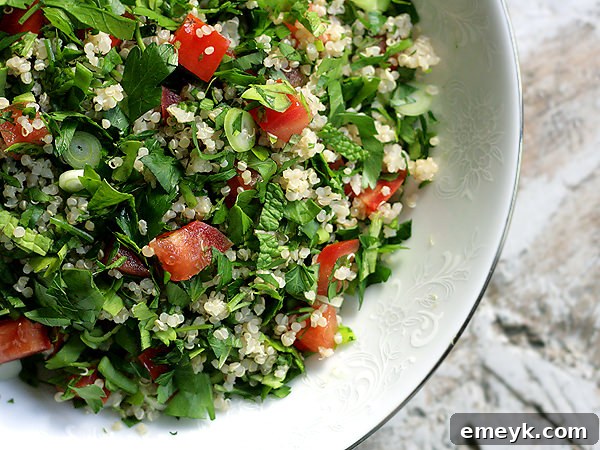
Tabbouleh with Quinoa: Tastespotting
A contemporary and nutritious twist on the beloved classic Lebanese tabbouleh. This innovative version thoughtfully substitutes traditional bulgur with protein-rich quinoa, while expertly maintaining the quintessential fresh parsley, invigorating mint, sweet tomatoes, and tangy lemon dressing. It offers a delicious and naturally gluten-free option. -
Kibbeh {Lamb and Bulgur Wheat Croquettes}: Saveur
Often hailed as the national dish of Lebanon, kibbeh is a true culinary masterpiece. It consists of finely ground meat (typically lamb or beef) meticulously mixed with fine bulgur wheat and an array of aromatic spices, often shaped into delicate croquettes and either fried to a golden crisp or baked until tender. It’s a celebration of texture and profound flavor, an absolute must-try for any Lebanese food enthusiast. -
Warm Lentil Salad w/ Halloumi Cheese, Oven Roasted Tomatoes & a Za’atar Vinaigrette: Dirty Kitchen Secrets
This hearty and exceptionally flavorful salad harmoniously combines earthy lentils with salty, beautifully grilled Halloumi cheese, sweet oven-roasted tomatoes, and a distinctive, aromatic za’atar vinaigrette. It’s a satisfying meal in itself, perfect for a wholesome lunch or a light yet fulfilling dinner. -
Green Beans in Olive Oil {Loubye B Zeit}: Dirty Kitchen Secrets
A simple yet elegantly profound Lebanese vegetarian dish. Fresh green beans are slowly cooked in rich olive oil with ripe tomatoes, fragrant garlic, and sweet onions until they become wonderfully tender and deeply infused with classic Mediterranean flavors. It is often served as a delightful mezze or a refreshing side dish. -
Ultimate Lebanese Burger: Taste of Beirut
Elevate your traditional burger experience with this Lebanese-inspired creation. Imagine succulent patties infused with aromatic spices like allspice and cinnamon, perhaps topped with a tangy homemade yogurt sauce, a generous sprinkle of fresh herbs, or sharp pickled vegetables for an unforgettable and distinctly Middle Eastern twist on a classic. -
Sweet and Sour Eggplant, Tomatoes and Chickpeas: NY Times
A vibrant and incredibly healthy vegetarian stew, this dish expertly combines the rich, tender flavors of eggplant, the natural sweetness of ripe tomatoes, and the protein-packed goodness of chickpeas in a perfectly balanced, tangy sauce. It’s a comforting and nutritious meal, delightful in any season. -
Tabouleh: A Cedar Spoon
The quintessential Lebanese salad, a true symbol of freshness and vitality. It’s meticulously prepared with finely chopped fresh parsley, invigorating mint, diced ripe tomatoes, finely minced onions, and fine bulgur, all dressed simply yet perfectly with robust olive oil and bright lemon juice. It offers an unparalleled burst of freshness and is an essential staple on any authentic mezze platter. -
Hummus: A Cedar Spoon
A globally beloved, creamy, and utterly irresistible dip made from perfectly cooked chickpeas, smooth tahini, tangy lemon juice, and pungent garlic. Homemade hummus truly surpasses store-bought versions in its superior flavor, silky texture, and overall freshness, offering a smooth, nutty, and vibrant experience. It’s incredibly versatile and always a guaranteed crowd-pleaser. -
Lebanese Spinach Pies / Fatayar: Rose Water & Orange Blossoms
These savory and delightfully flaky pastries feature a delicious, well-seasoned filling of fresh spinach, sautéed onions, and tangy sumac, all encased within a soft, meticulously homemade dough. Baked until beautifully golden brown, they make for a fantastic appetizer, a satisfying snack, or a light and wholesome lunch. -
DIY Pita Bread: Tide and Thyme
There’s genuinely nothing quite like the comforting aroma and tender chewiness of warm, freshly baked pita bread straight from your oven. Making it at home is a surprisingly rewarding experience, resulting in soft, puffy pockets that are absolutely perfect for dipping into creamy hummus or generously filling with your favorite Mediterranean ingredients. -
Lebanese Potato Salad with Scallions and Mint: Rose Water & Orange Blossoms
Distinctly different from its creamy American counterpart, Lebanese potato salad is remarkably light, refreshing, and bursting with fresh flavors. It’s typically tossed with fragrant olive oil, bright lemon juice, crisp fresh scallions, and an abundance of invigorating mint. It serves as a perfect, zesty side dish for grilled meats or fish. -
Lebanese Tomato Salad: Rose Water & Orange Blossoms
A deceptively simple yet incredibly flavorful salad that brilliantly highlights the natural sweetness and juiciness of perfectly ripe, seasonal tomatoes. Often dressed minimally with just a drizzle of excellent olive oil, a squeeze of fresh lemon juice, and a sprinkle of aromatic dried mint, it celebrates the purest essence of fresh, quality produce. -
Yogurt Cucumber Salad with Mint: Rose Water & Orange Blossoms
Cool, wonderfully creamy, and incredibly refreshing, this delightful salad is the perfect antidote to warm weather or a soothing accompaniment to spicy dishes. Made with plain, wholesome yogurt, finely grated or diced cucumber, and a generous amount of fresh mint, it’s a comforting and truly delightful addition to any meal. -
Curried Lentil Soup: Oh She Glows
While lentils are a time-honored staple in Mediterranean diets, this curried version offers a wonderfully warming and aromatic twist on a classic. Rich in complex flavors and packed with essential nutrients, it’s a deeply comforting and satisfying meal, particularly welcome on cooler days or when you crave a hearty bowl of goodness. -
Vegetarian Stuffed Grape Leaves: The Shiksa
Tender, delicate grape leaves are meticulously rolled around a savory and aromatic filling of seasoned rice, fresh herbs, and sometimes vegetables or toasted pine nuts, then gently slow-cooked until they become wonderfully soft and infused with flavor. These delicate parcels are a beloved mezze item, showcasing skilled craftsmanship and delicious taste. -
Baklava: lol foodie
The iconic and utterly decadent Mediterranean dessert! Baklava features countless layers of thin, crispy phyllo pastry, generously filled with finely chopped nuts (most commonly pistachios or walnuts), and then lavishly drenched in a fragrant, sweet syrup often infused with delicate rose water or orange blossom water. It’s a sweet, sticky, and utterly irresistible treat that I absolutely can’t wait to learn to make this Christmas! -
Falafel: Beard and Bonnet
Crispy on the outside, delightfully fluffy and incredibly flavorful on the inside, falafel are deep-fried patties traditionally made from ground chickpeas (or sometimes fava beans) and a vibrant blend of fresh herbs and spices. They are a widely popular street food throughout the Middle East, perfect served piping hot in pita bread with creamy tahini sauce and crisp fresh salads.
Which of these delicious Mediterranean recipes will you be inspired to create first in your kitchen?
I sincerely encourage you to explore these vibrant flavors, experiment with new ingredients, and discover the immense joy and satisfaction of Mediterranean and Lebanese cooking. Please share your culinary adventures and favorite dishes in the comments section below – I’d love to hear from you!